
When selecting home-sized wind turbines, we should start by evaluating the local wind resources, guaranteeing a minimum average wind speed of 9 mph for effective energy generation. Next, understanding local regulations is essential, as zoning laws may limit turbine height and require permits. We also need to determine our energy needs by analyzing annual electricity consumption in kWh, which informs turbine size selection. Choosing the right turbine size, typically ranging from 5 kW to 15 kW, impacts efficiency and costs. Finally, reviewing installation and maintenance options is important to guarantee compliance, safety, and ongoing performance; further insights can enhance our decision-making process.
Key Takeaways
- Assess local wind resources; ensure average wind speeds are at least 9 mph for effective energy generation.
- Understand local regulations, including zoning laws and noise limits, to avoid legal issues during installation.
- Determine your annual energy needs in kWh to select an appropriately sized turbine for your home.
- Choose a turbine size between 5 kW to 15 kW based on wind conditions and energy requirements for optimal output.
- Hire a licensed professional for installation to ensure safety, compliance, and proper maintenance of the wind turbine system.
Assess Your Wind Resources
You may be interested


When we’re considering installing a home-sized wind turbine, evaluating our wind resources is essential. First, we must assess local wind speeds, aiming for a minimum average wind speed of 9 mph for effective energy generation. Utilizing wind resource maps and tools can help us gauge the wind potential in our area, ensuring these tools align with our turbine hub height for accuracy. On-site wind data collection is vital, as it provides reliable information on wind patterns that directly influence turbine placement. Additionally, we should consider the terrain and surrounding obstructions, since open areas free from buildings and trees enhance wind flow. Finally, targeting higher elevations can greatly increase wind speeds, thereby optimizing the energy output of our wind turbine system.
Recommended Products
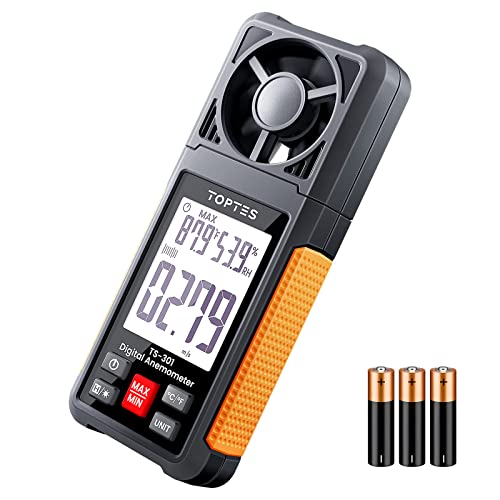
Easy to Read with 2.26-inch LCD Backlit Screen: The TopTes Anemometer features a large 2.26" LCD screen for easy readings. This handheld wind meter is ideal for outdoor activities like sailing, windsurfing, drone flying, kite flying, boating, frisbee, golf, shooting, and more. Use it to determine local weather conditions and assess wind speed's potential impact on your activities

【Multifunction Pro Anemometer】Wind Speed, Wind Temperature, Wind Chill, Low battery indicator on bright backlit LCD screen. BT-100 is a portable wind speed guages can accurately measure air speed in 5 units: m/s, km/h, ft/min, knots, mph. Wind Temp in ℃/℉(Degree Celsius/Fahrenheit)

Highly Accurate Wind Meter- Thanks to the sensitive dual temp sensors, 8 vanes, smooth fan shaft, the HoldPeak 866B Anemometer can accurately detect wind speed, wind chill and temp. And this digital anemometer has a wind speed measurement range of 0.67~67.1 mph(+/- 2% of readings), Which can help you monitor wind conditions in real time.
Understand Local Regulations

Maneuvering local regulations is essential before installing a home-sized wind turbine. First, we need to familiarize ourselves with zoning regulations, as most ordinances impose height limits of around 35 feet, considerably impacting our installation options. It’s vital to check whether our area requires special permits for wind turbine installations, as these can vary and affect both the timeline and cost. Engaging with local authorities early helps us understand specific safety, aesthetic, and operational concerns that may influence approval. Additionally, we must be aware of noise regulations, as typical 2-kW turbines operate at approximately 55 dB at 50 feet, necessitating compliance with local sound ordinances. The Distributed Wind Energy Association offers valuable resources to help us navigate these processes effectively.
Determine Your Energy Needs

Determining our energy needs is essential for choosing the right home-sized wind turbine. To do this, we should assess our annual electricity consumption in kilowatt-hours (kWh), as this will guide us in selecting the appropriate size turbine to meet our energy requirements efficiently. For instance, a typical residential turbine can range from 400 Watts to 100 kW, with a 15-kW turbine capable of producing around 45,000 kWh/year under ideal conditions, considerably offsetting costs for homes with higher electricity consumption. Additionally, we must consider our location’s average annual wind speed; a minimum of 9 mph is advisable to guarantee sufficient power generation. Utilizing wind resource assessment tools will further enhance our understanding of effective energy production based on local wind patterns.
Recommended Products
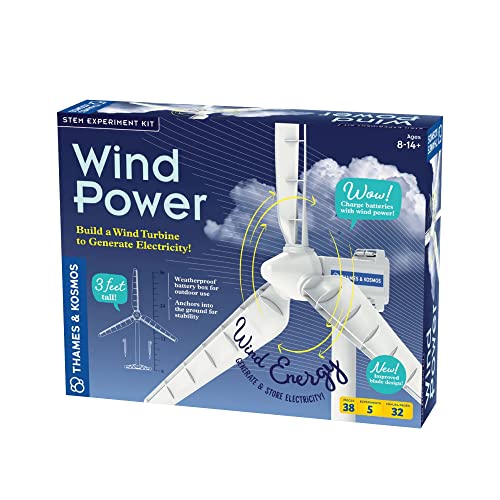
Build and experiment with a real, working 3-foot tall wind turbine to learn how wind is one of the most promising sources of clean, renewable energy available today.

1.After the wind tunnel test, the aerodynamic and aerodynamic streamlined appearance design is adopted, with small length, light weight and reduced air resistance. Beautiful appearance, large torque, easy to start;

Choose the Right Turbine Size
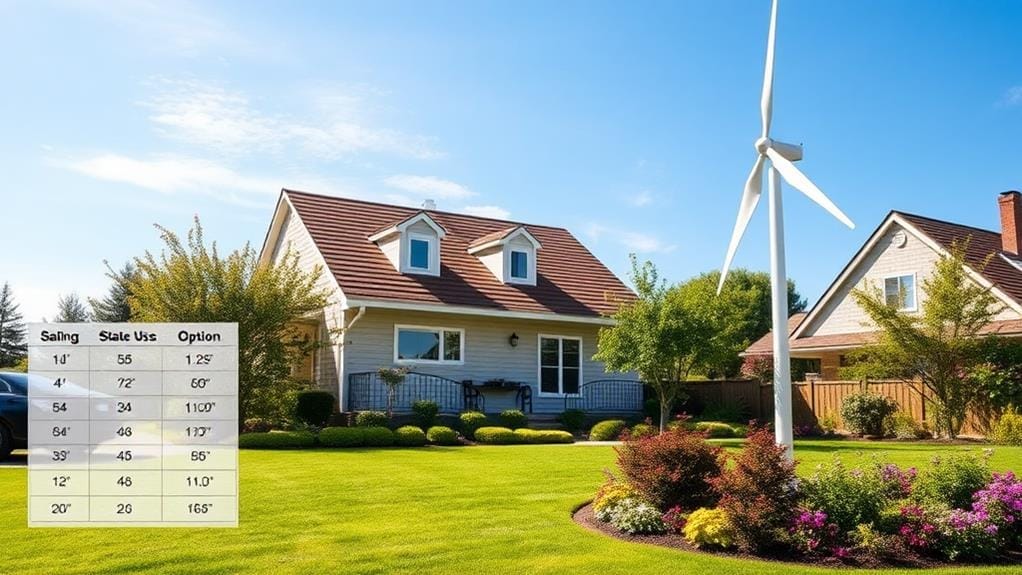
Choosing the right turbine size becomes essential as we aim to maximize our energy production while minimizing costs. To effectively meet our energy needs, we should consider turbines with capacities ranging from 5 kW to 15 kW, which can yield significant output, such as a 15-kW turbine producing up to 45,000 kWh/year under ideal conditions. This means we must assess the average wind speed in our area, as a minimum of 9 mph is necessary for effective generation. Additionally, we should keep in mind the installation cost, typically between $3,000 and $5,000 per kW, since the right turbine size directly impacts our financial investment and ultimately our electricity bill, aligning with our local wind resource for best performance.
Recommended Products

【VERTICAL WIND TURBINE】The blade material is synthetically injection molded with high-strength FRP material. At the same time, the fashionable The spiral blades are...
Evaluate Installation and Maintenance Options
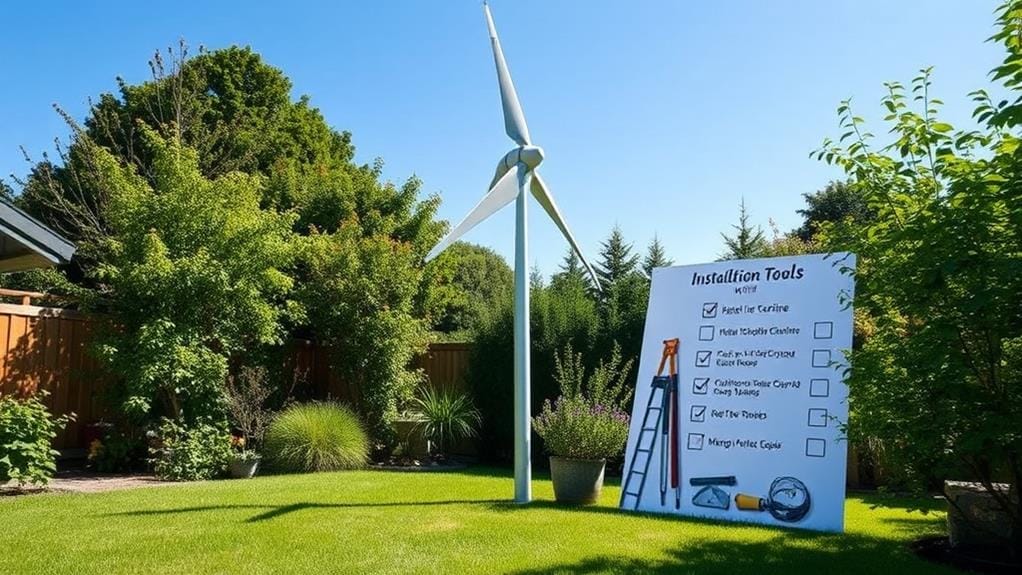
Considering the complexities of wind turbine installation, it’s essential for us to evaluate our options thoroughly. Hiring a licensed professional can help guarantee compliance with local regulations, streamlining the permitting process. Key factors to take into account include:
- Conducting a thorough site survey to understand specific site conditions
- Establishing a secure foundation for tower stability and safety
- Verifying the installer’s credentials to guarantee expertise in wind energy systems
Additionally, we must plan for ongoing maintenance costs, which could encompass routine inspections, lubrication of moving parts, and performance monitoring. By budgeting for these needs, we can enhance our turbine’s lifespan and efficiency, ultimately creating a sustainable energy solution that aligns with our environmental goals.
Recommended Products

【Vertical Axis Wind Turbine】The blade material is synthetically injection molded with high-strength FRP material. At the same time, the fashionable The spiral blades are aerodynamically designed to make the rotor run smoothly and reliably, which leads to stable electricity generation. The wind turbine can start from the breeze and adapt to the wind 360°, no yaw system is needed.
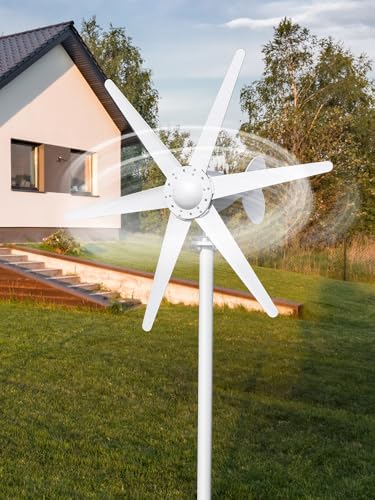
⚡HIGH‑EFFICIENCY 800W WIND TURBINE: Reliable green energy for Home, Farm, RV & Marine Use. Harness wind power effortlessly with our advanced 800W wind turbine, engineered for superior all‑around performance. Ideal for residential, agricultural, RV, and marine applications, this system delivers consistent renewable energy where you need it most.

High-Efficiency Wind Energy Conversion – This 1000W vertical wind power generator kit is equipped with an intelligent microprocessor controller that optimizes power tracking, adjusting voltage and current to ensure maximum efficiency in wind energy conversion.
Frequently Asked Questions
What Size Wind Turbine Do I Need for My House?
Did you know that a small wind turbine can produce up to 45,000 kWh annually? We need to take into account turbine capacity, site assessment, wind speed, and installation costs for ideal energy output and savings while meeting zoning regulations.
How to Choose a Wind Turbine?
When we choose a wind turbine, we consider types of turbines, installation processes, and maintenance requirements. We’ll evaluate energy output, noise levels, local regulations, cost analysis, efficiency ratings, and aesthetic considerations for our community’s impact.
Are Residential Wind Turbines Worth It?
We’ve found residential wind turbines can be worth it, offering cost savings and energy independence. Yet, we must consider installation challenges, maintenance, local regulations, and efficiency ratings to guarantee they fit our needs and preferences.
Can I Put a Wind Turbine on My Property?
We can definitely consider a wind turbine for our property, but we need to check zoning regulations, assess space and noise levels, obtain installation permits, and explore local incentives for energy efficiency and environmental impact.


