
To effectively compare solar panel installation prices, we need to assess our energy needs by examining past utility bills and potential future usage, including electric vehicles. We should evaluate system sizes and designs that match our requirements, calculating the cost per watt by dividing the total system price by its kilowatt output. It's essential to explore financing options, comparing loans and leases while factoring in local incentives. Additionally, we must compare panel efficiency ratings and review warranty coverage. Finally, seeking expert assistance can enhance our decision-making, ensuring we make informed choices about our solar investments and options available.
Key Takeaways
- Assess the cost per watt by dividing the total system price by its size in kilowatts for accurate price comparisons.
- Review warranty coverage, focusing on power and workmanship warranties to understand long-term value and protection.
- Compare panel efficiency ratings, as higher efficiency can lead to greater energy production and savings.
- Explore various financing options, including loans and leases, to determine the best fit for your budget and financial goals.
- Utilize expert resources and community support to gather insights on local incentives and evaluate installation proposals effectively.
Assess Your Energy Needs
You may be interested

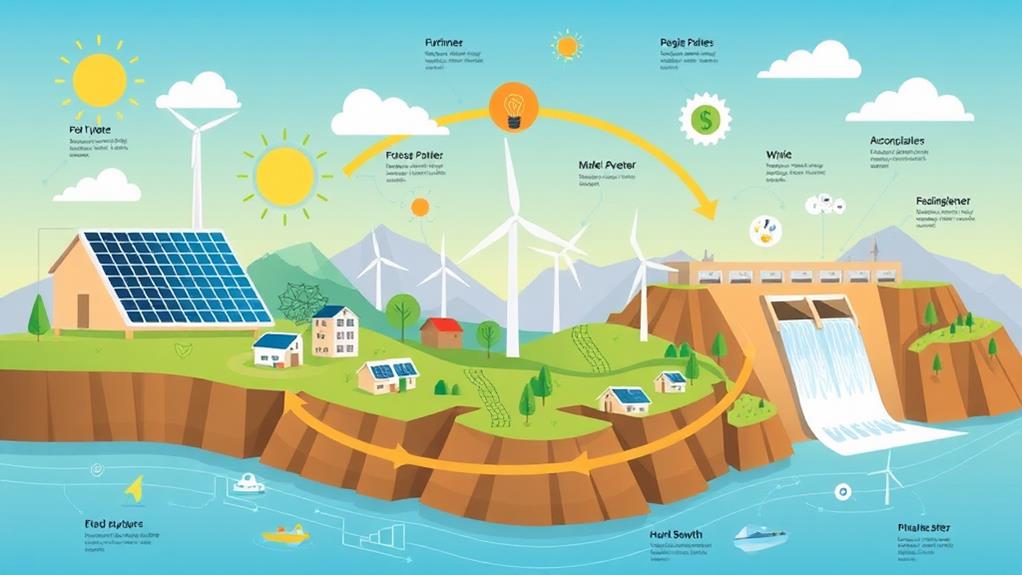

When we're contemplating solar panel installation, evaluating our energy needs is crucial. We should start by reviewing our past utility bills to calculate our average monthly electricity consumption, which helps determine the appropriate solar system size. It's also important to take into account seasonal variations in energy usage; certain months may require considerably more electricity due to heating or cooling demands. We can utilize tools like the PV Watts Calculator to estimate our solar energy production and verify it aligns with our energy needs. Additionally, we must factor in potential future electricity demand, such as new appliances or electric vehicles. By understanding our desired level of energy independence from the utility grid, we can make informed decisions about the size and design of our solar installation.
Evaluate System Sizes and Designs
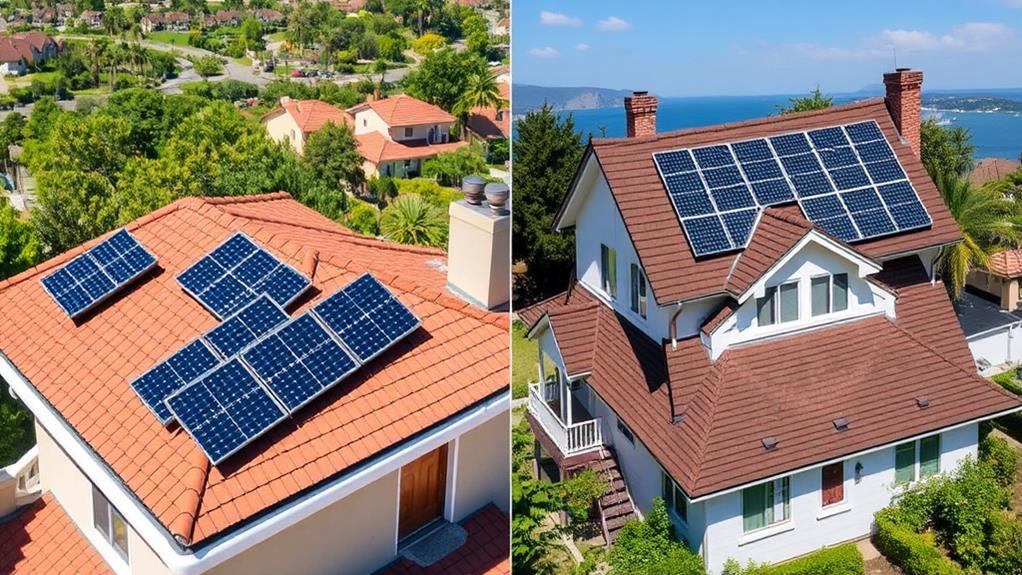
Evaluating system sizes and designs is essential to confirm our solar installation meets both current and future energy needs. We must verify our selected system aligns with our monthly electricity production requirements, avoiding oversizing or undersizing. Consider how the proposed design accommodates future energy demands, like electric vehicles or heat pumps, which may necessitate additional capacity.
Here are some key factors to keep in mind:
- Review efficiency ratings of solar panels in solar quotes to maximize output.
- Analyze available roof space, as it directly affects system size.
- Check provisions for selling excess power back to the grid.
- Understand how installation costs can vary based on system design and size.
Recommended Products

System Components:Delivers up to 10kW power output with 120V/240V single-phase split-phase support, making it suitable for smoothly running common household appliances. The system includes 18 × 590W solar panels with a total PV capacity of 10620W, capable of generating up to 39.36 kWh per day under optimal conditions, along with two 48V 314Ah portable LiFePO₄ battery offering 32.2 kWh of energy storage. Complete with necessary cables, this all-in-one solar solution is designed for convenient setup and reliable home power support.
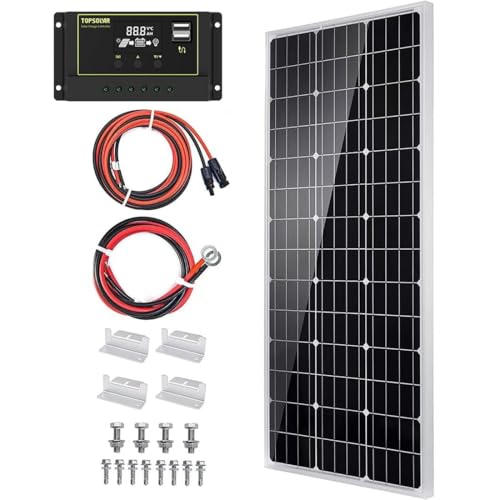
100W solar panel kits ideal for 12v battery charging, designed for RVs, cabins, homes, boats, caravan s, back-up and remote power use.
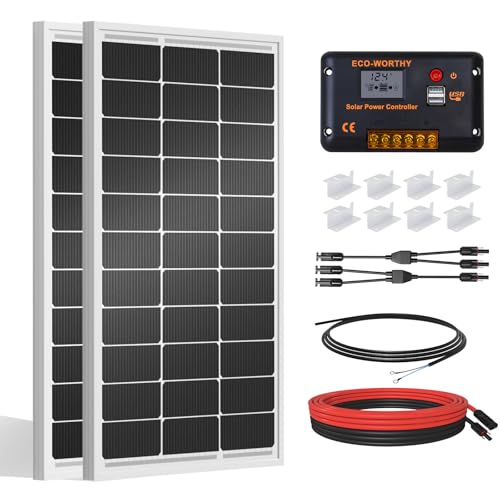
[Wide Application]: Daily Output 800wh/day under 4 hours full sunshine condition. Perfect for RV, Caravan, Marine, Camper, Electric scooter, Golf Carts, Power wheels, Trolling motor, Tool trailer, Backup power supply for cabin shed home etc.
Calculate Cost Per Watt

Calculating the cost per watt is an essential step in evaluating the value of solar panel installations. To determine this, we divide the total pre-incentive cash price of the system by its size in kilowatts (kW). For instance, a $35,000 system for 11 kW results in approximately $3.18 per watt. The average solar panel cost in the U.S. is around $3.00 per watt, so comparing our calculated cost per watt against this average can help gauge the competitiveness of our quotes.
| Component | Cost |
|---|---|
| Total System Price | $35,000 |
| System Size | 11 kW |
| Cost Per Watt | $3.18 |
| Average Cost Per Watt | $3.00 |
| Installation Costs | Included in total cost |
Incorporating all equipment and installation costs guarantees accurate comparisons.
Recommended Products


Easy to read: portable small calculator with large 8-digit LCD display, clear and high visibility, allowing you to see the numbers at a glance

Country Of Origin: China
Examine Financing Options

When we examine financing options for solar panel installations, it's crucial to compare various loan types, including secured loans and unsecured options, alongside leasing agreements and Power Purchase Agreements (PPAs). Each financing method has its own set of terms, interest rates, and overall costs, which can greatly affect our total investment and savings over time. By understanding these differences and factoring in potential local incentives and federal tax credits, we can make informed decisions that align with our financial goals.
Recommended Products

High Power Solar Panel Tester:XUNTOP solar panel tester with maximum power point tracking (MPPT),accurately measures pmax(2000W/±1%+5), voc(3-90V/±1.5%+5),Isc(40A/±1%+5),vmp and amp,supported by 200 sampling points for enhanced data reliability.This solar power meter delivers reliable data for confident performance verification and fault diagnosis in the field

Enhanced PV Tester: The FROGBRO 1800W Solar Panel Tester can measure solar panels with output power ranging from 5W to 1800W, voltages from 20V to 120V, and currents up to 60A. This makes it suitable for a wide range of solar applications, including residential and commercial systems.
Loan Types Comparison
Exploring the various financing options for solar panel installation can feel overwhelming, but understanding the different loan types available helps us make informed decisions. Here's a breakdown of some key financing options we can consider:
- Solar Loans: Ranging from $1,000 to $100,000, these loans' interest rates depend on our creditworthiness.
- Home Equity Loans and HELOCs: These allow us to borrow against our home's equity, often offering lower interest rates.
- Power Purchase Agreements: This option involves no upfront costs, but it binds us to long-term energy purchases.
- Lease Agreements: While offering no upfront cost, leased systems prevent us from claiming the federal tax credit.
Lease vs. PPA
Choosing between a solar lease and a Power Purchase Agreement (PPA) can greatly impact our solar energy experience. A solar lease typically requires little to no upfront payment, allowing us to enjoy fixed monthly payments while the provider retains ownership and handles maintenance. In contrast, a PPA involves paying for actual energy production at a predetermined rate, which can fluctuate, impacting our overall costs. While both financing options may limit flexibility during real estate transactions, leases often exclude us from federal tax credits, as the leasing company claims them. Ultimately, understanding these differences in ownership, maintenance responsibilities, and installation prices is essential for making informed decisions about our financing options and long-term energy production strategy.
Compare Panel Efficiency
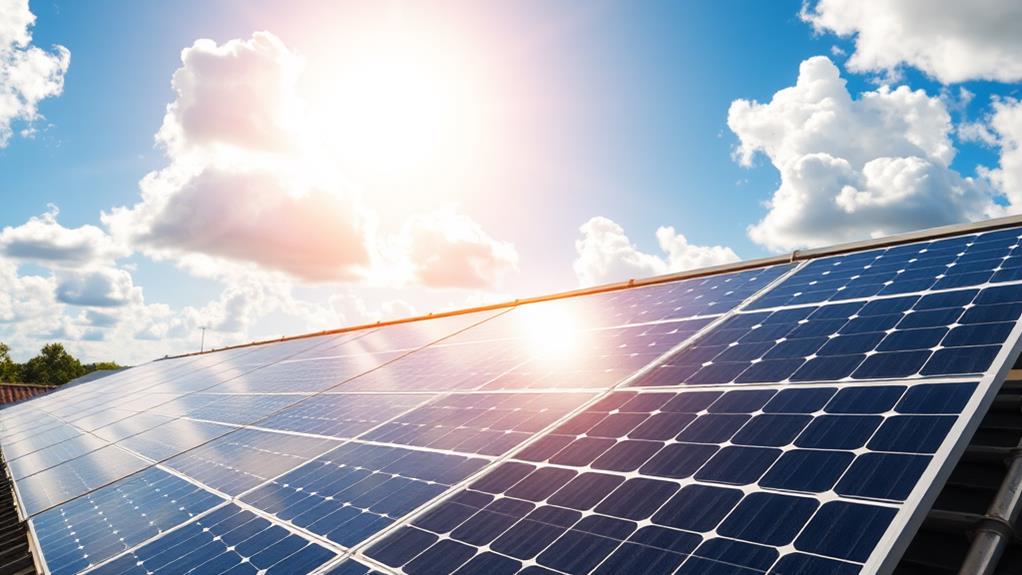
When we assess solar panel efficiency, it's essential to understand that this rating reflects the percentage of sunlight transformed into usable electricity, with high-efficiency models, like monocrystalline TOPCon cells, often surpassing 22%. These panels not only optimize energy output in limited spaces, but they also contribute greatly to long-term savings on energy bills due to their superior conversion rates. As a result, as we compare various options, we should consider both the efficiency ratings and their implications for installation space and financial return over time.
Recommended Products
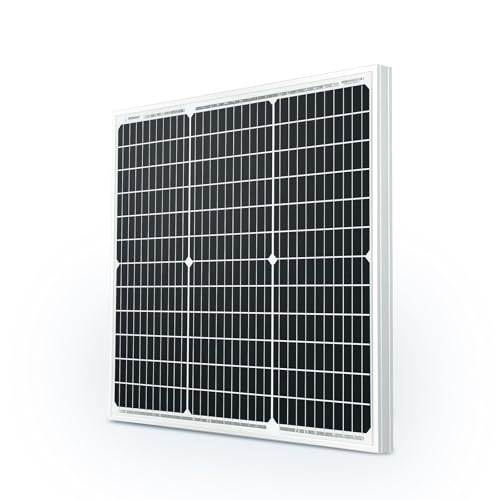
Advanced encapsulation material with multi-layered sheet laminations to enhance cell performance and provide a long service life.

[Bifacial Technology]This package contains the solar panel only. These 425W Bifacial solar panels feature a transparent backsheet design, allowing electricity generation from both the front and back, resulting in up to 25% increased efficiency compared to conventional solar panels.
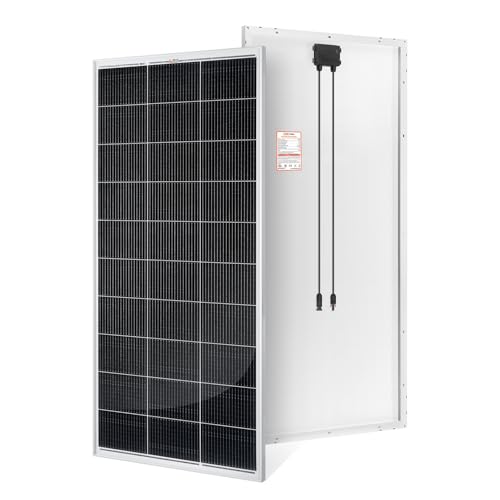
【High-Efficiency N-Type 18BB Cell】Featuring high-quality N-Type 18BB monocrystalline cells, the RICH SOLAR 200W solar panel achieves a cell efficiency of up to 25%. It delivers maximum energy output with ultra-low light-induced degradation (LID) and maintains excellent performance even in low-light, shaded, or extremely high-temperature environments.
Efficiency Ratings Explained
Understanding solar panel efficiency ratings is essential for anyone contemplating an installation. These ratings reflect the percentage of sunlight converted into usable electricity, and higher efficiency panels, like monocrystalline TOPCon cells, can exceed 22%. When we're evaluating options, we need to take into account several factors:
- Energy production estimates based on efficiency ratings
- Temperature coefficients, indicating performance in heat
- Degradation rate, typically 0.25% to 0.5% per year
- Upfront costs versus long-term energy savings
Space Considerations
Considering our available roof space is essential when selecting solar panels, as efficiency can make a significant difference in energy production. Higher efficiency models, particularly those utilizing monocrystalline TOPCon technology, can exceed 22% efficiency, which maximizes power generation within limited space. This is especially vital for smaller roofs or areas with shading issues, where choosing more efficient panels reduces the number needed, ultimately lowering installation costs. Conversely, less efficient panels may necessitate more extensive roof space to achieve the same energy output, increasing overall expenses. Additionally, we must consider the temperature coefficient, as lower values indicate reduced power loss in hotter climates, ensuring that our energy needs are met effectively, regardless of local conditions.
Long-Term Savings Impact
Long-term savings from solar panel installations hinge greatly on efficiency. When we choose higher efficiency panels, typically over 22%, we can markedly boost our energy production, ultimately leading to greater savings. While the upfront costs may be higher, the benefits often outweigh these initial expenses, especially in areas with elevated electricity rates. Here are key considerations:
- Higher efficiency panels reduce monthly energy bills.
- Greater energy production translates to cumulative savings over time.
- The cost per watt may be steeper, but performance compensates for this.
- Minimal degradation (0.25% to 0.5% annually) guarantees sustained energy efficiency.
Review Warranty Coverage
Warranty coverage is a crucial aspect of solar panel installation that can greatly impact our investment. We should closely evaluate product warranties, which typically range from 10 to 25 years, protecting us against manufacturer defects and guaranteeing long-term reliability. Additionally, power warranties are important, as they assure a specified percentage of electric power production over 25 years, with a gradual output decrease of 0.25% to 0.5% per year, allowing us to assess expected performance. Workmanship warranties, covering installation-related issues for 5 to 25 years, are also essential, as they can considerably influence maintenance costs. By understanding the variability in warranty terms among different solar providers, we can make informed decisions about the claims process and guarantee adequate protection throughout the lifespan of our solar panels.
Seek Expert Assistance

Steering through the complexities of solar panel installation can be intimidating, but seeking expert assistance can make all the difference. By engaging with knowledgeable resources, we can navigate solar quotes and clarify the intricacies of solar installation. Expert guidance helps us compare solar panel quotes effectively and explore financing options that suit our needs. Additionally, community support groups provide insights into local tax incentives and can enhance our understanding of the solar landscape. To streamline our evaluations, we should utilize tools like solar calculators for informed decisions.
- Connect with Solar United Neighbors for trusted resources
- Reach out to the Solar Help Desk for technical questions
- Join community forums for shared experiences
- Review feedback from nonprofit organizations on proposals
Frequently Asked Questions
How to Compare Solar Panel Prices?
When we compare solar panel prices, let's consider panel types, installation incentives, energy savings, and financing options. We should also check maintenance costs, installation timelines, local regulations, environmental benefits, and homeowner testimonials for informed decisions.
How to Calculate Solar Installation Cost?
Calculating solar installation costs is like piecing together a puzzle. We've gotta consider solar financing, energy savings, panel efficiency, tax credits, and local regulations to guarantee our investment aligns with our environmental goals and long-term savings.
How to Compare Solar Panel Proposals?
When we compare solar panel proposals, we should consider solar technology, installation process, energy efficiency, financing options, warranty coverage, system sizing, installation timelines, maintenance costs, local regulations, and environmental impact. Together, we'll make informed choices.
How to Compare Solar Panel Quotes?
When we're sailing through solar quotes, let's weigh our anchor on solar incentives and contractor reputation. With efficient panels and solid warranties, we'll navigate financing options, energy savings, and maintenance costs for a brighter, greener horizon.


