
The three best geothermal energy hotspots around the world include The Geysers in the USA, Hellisheiði in Iceland, and Makban in the Philippines. The Geysers, located north of San Francisco, has an active installed production capacity of roughly 1,517 MW across 18 power plants, making it the largest geothermal complex in the world, and it supplied about 20% of California’s renewable electricity in 2019. Hellisheiði, situated on the Hengill volcano, produces 303 MW of electricity plus 200 MWth of hot water for Reykjavík’s district heating network, leveraging its position at a tectonic boundary. Finally, Makban’s plants in Laguna and Batangas contribute 458 MW, helping keep the Philippines among the world’s top geothermal power producers. These sites exemplify geothermal potential and sustainability initiatives, leading to further insights.
Key Takeaways
- The Geysers in California is the world’s largest geothermal complex, with roughly 1,517 MW of active installed capacity across 18 plants, supplying nearly a fifth of California’s renewable power.
- Hellisheiði in Iceland, located on the Hengill volcano, produces 303 MW of electricity and 200 MWth of thermal energy for district heating, reinforcing the country’s renewable energy leadership.
- Makban in the Philippines, with a capacity of 458 MW, plays a vital role in enhancing local power supply and supporting national energy sustainability.
- The United States leads the world in installed geothermal capacity at about 3.9 GW, followed closely by Indonesia and the Philippines, which round out the world’s three largest geothermal power producers, per ThinkGeoEnergy’s year-end 2026 country rankings.
- Each facility harnesses unique geological features, and the U.S. Department of Energy sees potential for U.S. geothermal capacity to grow to 60-90 GW by 2050 through advanced technologies like enhanced geothermal systems.
The Geysers, USA
You may be interested
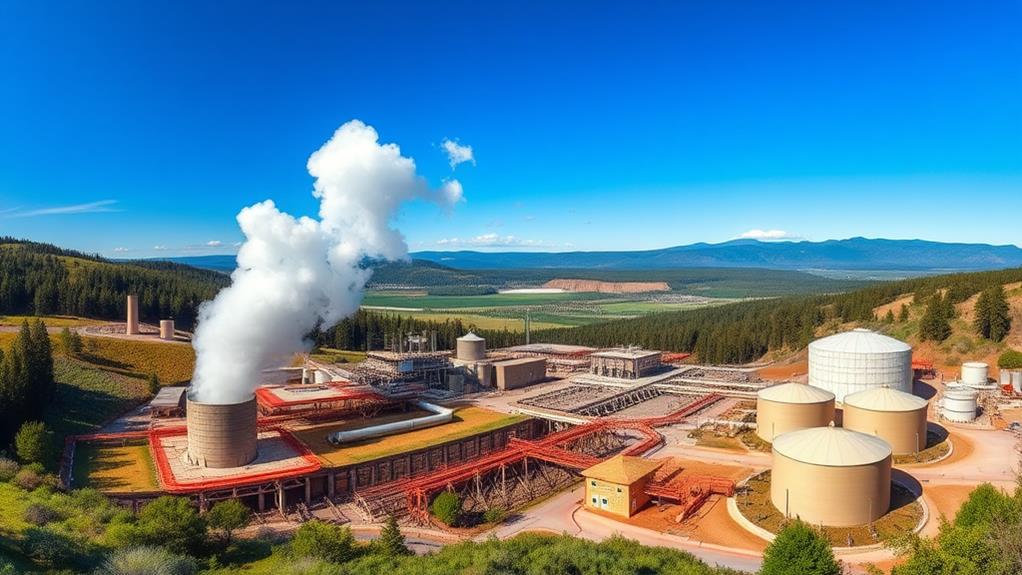
When we think about renewable energy sources, The Geysers in California stands out as a remarkable example of geothermal power in action. This geothermal complex, located roughly 100 km north of San Francisco, has an active installed capacity of about 1,517 MW, making it the largest geothermal facility in the world, though average production runs closer to 835 MW (a roughly 63% capacity factor) due to natural reservoir decline over time. Comprising 18 power plants drawing steam from more than 350 wells across the field, it has historically generated enough geothermal energy to power hundreds of thousands of homes. The facility utilizes steam from naturally occurring geothermal reservoirs, and since its commercial start in the 1960s, The Geysers has meaningfully reduced greenhouse gas emissions in the region, supplying about 20% of California’s renewable electricity in 2019. Operators continue to inject treated wastewater into the field to help sustain steam pressure, reinforcing California’s commitment to clean and sustainable energy. For homeowners curious how geothermal compares with other renewable options on cost and payback, our geothermal energy system pricing guide breaks down current installation costs.
Recommended Products


Hellisheiði, Iceland
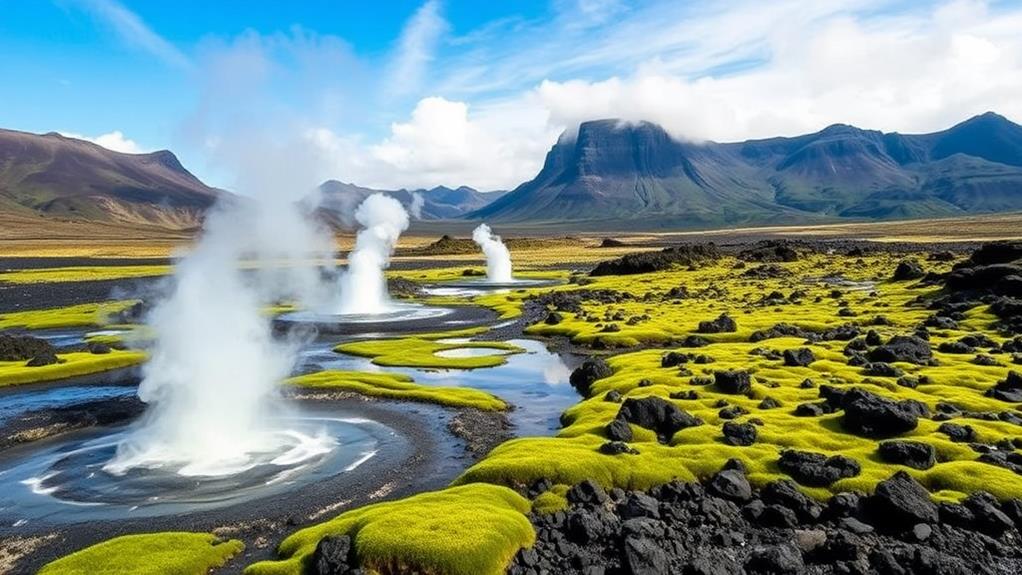
Building on the impressive geothermal energy landscape established by The Geysers in California, we turn our attention to Hellisheiði in Iceland, another standout in the world of renewable energy. The Hellisheiði Geothermal Power Station, located on the Hengill volcano, is the largest in Iceland, producing 303 MW of electricity and 200 MWth of hot water that feeds Reykjavík’s district heating system. Positioned above the boundary between the North American and Eurasian tectonic plates, this plant effectively harnesses the region’s abundant geothermal resources. Geothermal energy heats about 85% of all houses in Iceland through district-heating systems, according to the Icelandic government.
- Utilizes numerous hot springs and high-temperature steam fields
- Exemplifies advanced geothermal and district-heating technology
- Contributes to Iceland’s near-total renewable electricity supply
- Reflects Iceland’s long-term commitment to geothermal energy
Through these efforts, Hellisheiði not only underscores geothermal energy’s reliability but also demonstrates its critical role in Iceland’s energy supply. Readers interested in how geothermal stacks up against other clean technologies may also want to review our geothermal energy pros and cons breakdown.
Makban, Philippines
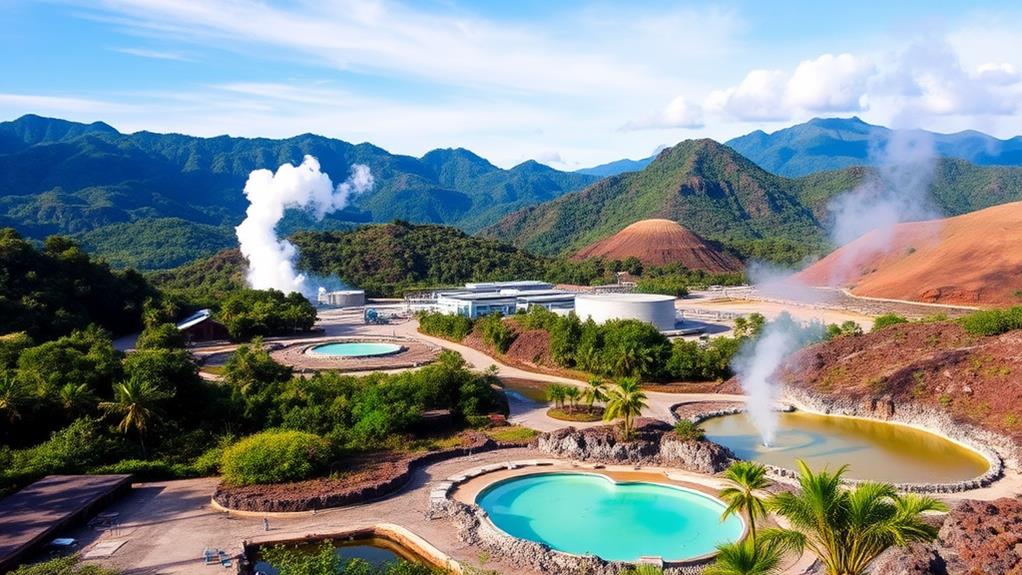
The Makban (Mak-Ban) Geothermal Complex in the Philippines has a capacity of about 458 MW, making it one of the largest geothermal facilities in the world. Spread across plants in Laguna and Batangas provinces, it greatly enhances the region’s power supply. This complex is pivotal to the Philippines’ pursuit of energy sustainability: the country’s total installed geothermal capacity is around 1.98 GW, placing it among the world’s top three geothermal producers alongside the United States (about 3.9 GW) and Indonesia (about 2.65 GW), per ThinkGeoEnergy’s year-end 2026 country rankings.
Here’s a quick overview of what makes Makban truly remarkable:
| Feature | Details | Importance |
|---|---|---|
| Output Capacity | ~458 MW | One of the largest complexes globally |
| Location | Laguna and Batangas | Supports local power needs |
| National Context | Philippines: ~1.98 GW total geothermal capacity | Among the world’s top 3 geothermal producers |
| Contribution to Clean Energy | Key player in renewable energy | Enhances national energy sustainability |
Makban truly exemplifies a national commitment to clean energy. For a broader look at how geothermal compares with other renewable sources on lifecycle emissions, see our environmental impact of geothermal energy guide.
How These Hotspots Compare
| Site | Country | Capacity | Notable Feature |
|---|---|---|---|
| The Geysers | USA | ~1,517 MW installed (18 plants) | World’s largest geothermal complex |
| Hellisheiði | Iceland | 303 MW electric / 200 MWth thermal | Combined heat and power on a tectonic boundary |
| Makban | Philippines | ~458 MW | Anchors one of the world’s top geothermal-producing nations |
Homeowners exploring smaller-scale geothermal for their own property, rather than utility-scale plants like these, may find our guide to residential geothermal heating system costs useful for comparing upfront investment against long-term savings.
Frequently Asked Questions
Where Is the Best Place in the World for Geothermal Energy?
The best locations for geothermal energy sit along tectonic plate boundaries and volcanic zones, such as the U.S. Pacific coast, Iceland, and the Philippines’ volcanic arc. These regions offer high-temperature underground resources that make large-scale power generation and district heating economically viable, per U.S. Department of Energy data.
Where in the World Is Geothermal Power Best Used?
Geothermal power is used most effectively where nations pair strong underground heat resources with supportive infrastructure, as seen in Iceland, the United States, the Philippines, Indonesia, and Kenya. In these countries, geothermal energy supports both electricity generation and direct-use applications like district heating.
Which Country Has the Highest Geothermal Capacity?
According to ThinkGeoEnergy’s year-end 2026 country rankings, the United States has the largest installed geothermal capacity in the world, at roughly 3.9 GW, with The Geysers in California as its single largest contributor. Indonesia and the Philippines follow closely behind, at approximately 2.65 GW and 1.98 GW respectively.
What Is the Future Potential for Geothermal Energy?
The U.S. Department of Energy’s GeoVision analysis found potential for up to 60 GW of U.S. geothermal electricity-generating capacity by 2050, while its more recent Enhanced Geothermal Shot initiative points to as much as 90 GW by 2050 as enhanced geothermal system technology matures and costs decline.
How Does Geothermal Compare to Other Renewable Sources?
Unlike solar and wind, geothermal power plants can run at very high capacity factors because they aren’t dependent on weather or daylight, making geothermal a strong source of steady, baseload-style renewable electricity. Readers comparing options across technologies can review our cost-benefit analysis of green energy for a wider perspective.


