
We're exploring three prominent geothermal energy storage technologies: Enhanced Geothermal Systems (EGS), which use advanced drilling and hydraulic stimulation to create artificial reservoirs for continuous power generation; Underground Thermal Energy Storage (UTES), which harnesses the natural thermal properties of underground formations to bank heat and cold for later use; and Aquifer Thermal Energy Storage (ATES), a method that circulates water through aquifers and, according to a 2023 U.S. study, could cut heating and cooling energy use in buildings by as much as 40%. Each technology not only enhances energy reliability but also supports grid stabilization, reducing reliance on fossil fuels. Further insights on their applications, costs, and current incentives await.
Key Takeaways
- Enhanced Geothermal Systems (EGS) create artificial reservoirs, providing continuous clean power and supporting energy storage through effective heat management.
- Underground Thermal Energy Storage (UTES) stores heat and cold in underground formations for later use in heating and cooling buildings.
- Aquifer Thermal Energy Storage (ATES) circulates water through aquifers; more than 2,800 systems were operating worldwide as of 2018, delivering over 2.5 TWh of heating and cooling annually.
- The U.S. Department of Energy's Enhanced Geothermal Shot targets a 90% cost reduction for EGS, to $45 per megawatt-hour, by 2035.
- The federal 30% residential Section 25D tax credit for geothermal heat pumps expired for systems placed in service after December 31, 2026 — check current state-level incentives before you budget a project.
Enhanced Geothermal Systems (EGS)
You may be interested
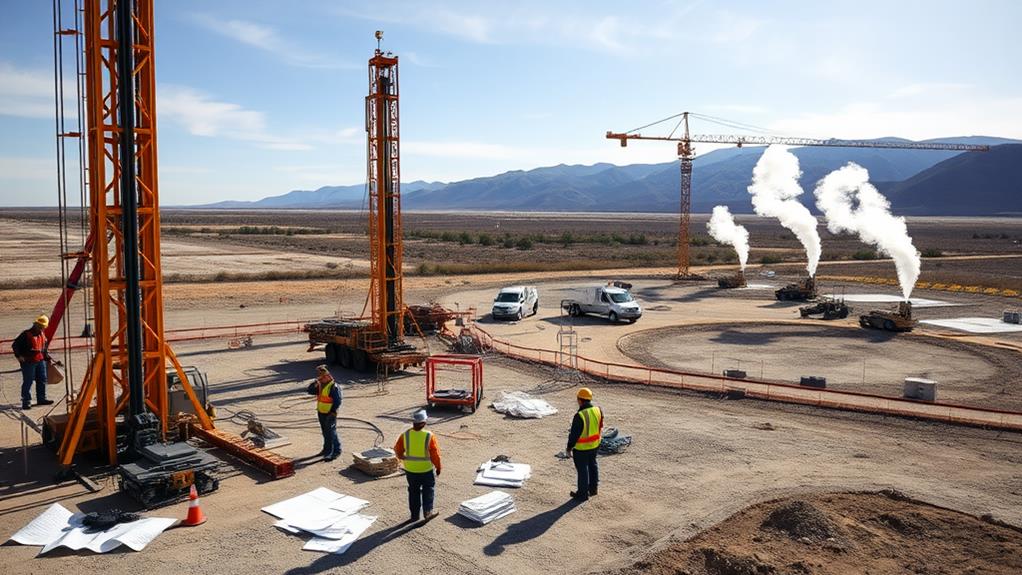
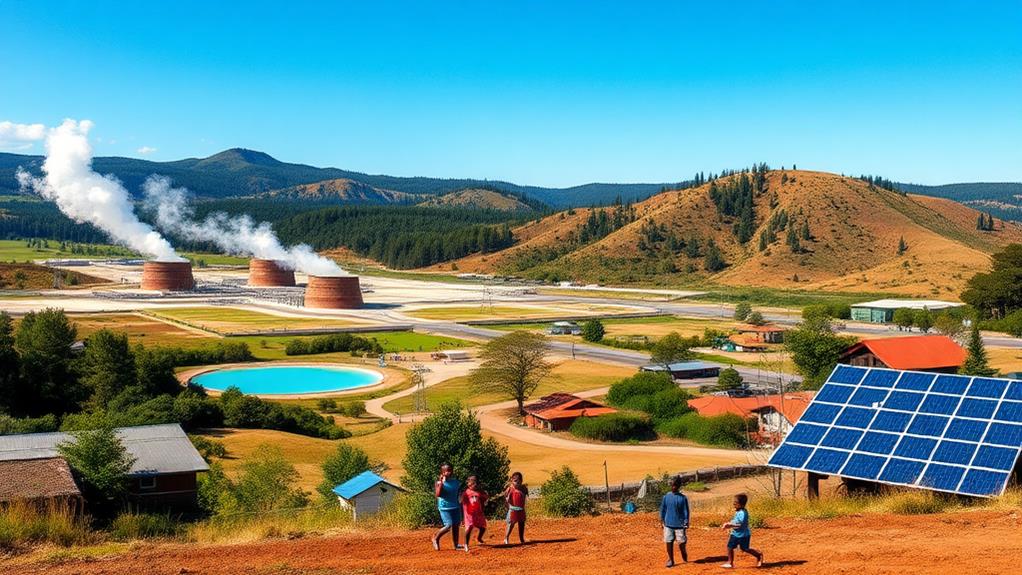

As we explore Enhanced Geothermal Systems (EGS), it's clear that these innovative technologies are transforming the landscape of renewable energy. EGS uses advanced drilling technology and hydraulic stimulation to create artificial reservoirs in hot rock formations, greatly expanding where geothermal power can be produced beyond naturally occurring hydrothermal sites. Unlike intermittent sources such as solar and wind, EGS can generate clean power continuously, providing a reliable, dispatchable energy source. The U.S. Department of Energy's Enhanced Geothermal Shot initiative aims to cut EGS system costs by 90%, to roughly $45 per megawatt-hour, by 2035 — a target the DOE says could make geothermal affordable enough to power more than 40 million American households. Pilot projects from companies like Fervo Energy in Nevada have demonstrated commercial-scale EGS wells capable of sustained electricity generation, underscoring the technology's growing role in firming up the grid. For homeowners weighing the economics of any on-site renewable project, it can help to first compare geothermal energy pros and cons against other options.
Underground Thermal Energy Storage
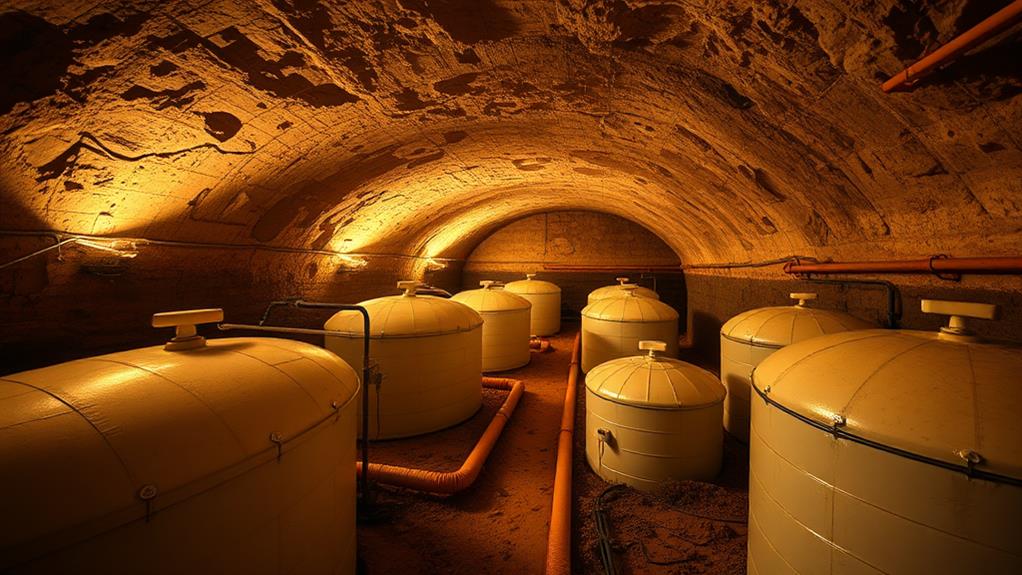
Harnessing the natural thermal properties of underground formations, Underground Thermal Energy Storage (UTES) systems offer a way to store excess heat or cold for later use in heating and cooling buildings. UTES operates primarily through Seasonal Thermal Energy Storage (STES) and Aquifer Thermal Energy Storage (ATES), providing flexibility in managing surplus thermal energy from renewable sources and reducing peak demand on the electric grid. Depending on the system design, UTES can retain stored heat or cold anywhere from a few hours to several months, which is why it is often paired with solar thermal and heat-pump systems. Because UTES displaces natural-gas or electric-resistance heating and cooling, it can meaningfully lower greenhouse gas emissions from buildings, supporting a sustainable energy future. Homeowners exploring ground-source options may also want to review typical residential geothermal heating system costs before committing to a design.
Recommended Products

Aquifer Thermal Energy Storage
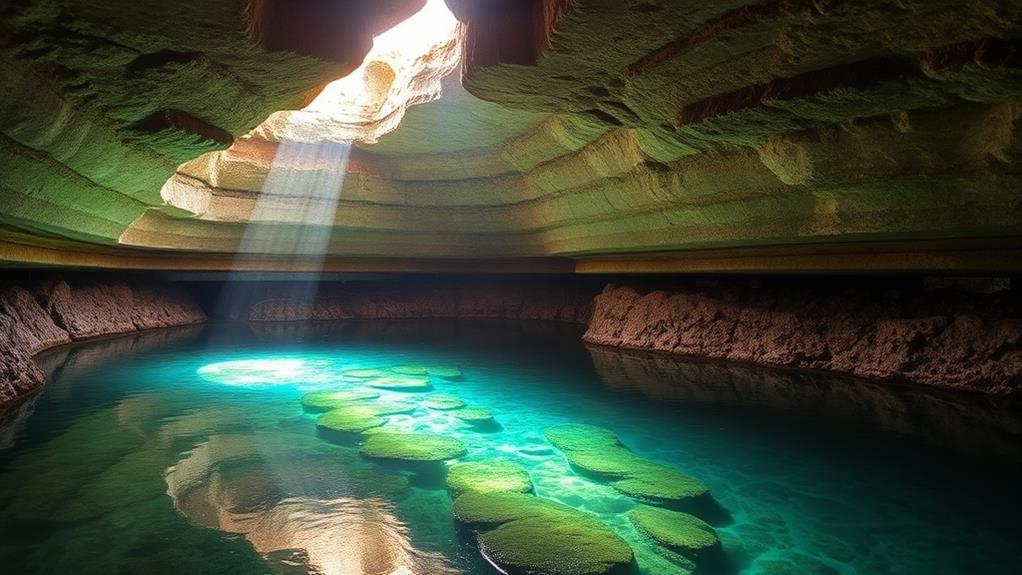
Aquifer Thermal Energy Storage (ATES) systems represent a mature approach to managing thermal energy by using the natural properties of underground aquifers. By circulating water through these aquifers, operators can store thermal energy for both heating and cooling applications. During warmer months, cold water is extracted for cooling and the resulting warm water is injected back into the aquifer; winter reverses the process for heating. ATES is already deployed at scale: as of 2018, more than 2,800 ATES systems were operating worldwide, delivering upwards of 2.5 TWh of heating and cooling per year, with the Netherlands alone accounting for roughly 85% of installations and Sweden, Denmark, and Belgium making up most of the rest, according to research summarized on Wikipedia's ATES overview. A 2023 study cited in the same research found ATES could cut heating and cooling energy use in U.S. buildings by as much as 40%, making it a compelling addition to any cost-benefit analysis of green energy upgrades. These systems also carry minimal environmental impact, drawing on groundwater resources without significant ecosystem alteration, making ATES a smart long-term addition to a building's energy strategy.
How These Technologies Compare
| Technology | Primary Use | Typical Scale | Notable Data Point |
|---|---|---|---|
| Enhanced Geothermal Systems (EGS) | Continuous grid-scale electricity generation | Utility-scale power plants | DOE targets $45/MWh, a 90% cost cut, by 2035 |
| Underground Thermal Energy Storage (UTES) | Seasonal heat/cold storage for buildings | Campus, district, or community scale | Can store thermal energy from hours to months |
| Aquifer Thermal Energy Storage (ATES) | Heating and cooling via aquifer water circulation | Building or district scale | 2,800+ systems worldwide delivering 2.5+ TWh/year (2018 data) |
Before investing in any of these systems, it's worth checking current federal and state support. The residential Section 25D clean energy credit — which had covered 30% of the cost of geothermal heat pumps and other qualifying equipment — expired for systems installed after December 31, 2026, under the One Big Beautiful Bill Act. Commercial and utility-scale geothermal projects may still qualify for separate credits under Section 48E, which follow a different phase-down schedule, so project developers should confirm eligibility on IRS.gov. Homeowners should also check state-level renewable energy incentives, since many states and utilities continue to offer rebates for ground-source heat pumps even without the federal credit, and resources like DSIRE track these programs by state.
Recommended Products


Frequently Asked Questions
Recommended Products

How Does Geothermal Energy Storage Work?
Geothermal energy storage isn't just about digging holes — it's about using underground reservoirs and aquifers to bank heat captured from the earth or from surplus renewable generation. By employing heat pumps and targeted drilling techniques, these systems achieve strong energy efficiency with a relatively small environmental footprint.
What Is the Best Type of Geothermal System?
There's no single "best" system — closed-loop and open-loop configurations suit different site conditions, while hybrid systems and district heating networks can improve efficiency for both residential and commercial applications. The right choice depends on local geology, building size, and budget.
What Is the Most Efficient Geothermal Loop System?
Closed-loop systems — in vertical or horizontal configurations — paired with high-efficiency heat pumps tend to deliver the best year-round performance, and borehole thermal storage can further improve overall system efficiency by capturing excess heat for later use.
What Is the Latest Technology for Geothermal Energy?
Recent advances include improved directional drilling techniques, better subsurface mapping, and enhanced heat-extraction methods pioneered by EGS developers like Fervo Energy. These innovations aim to expand where geothermal can be deployed, improve energy efficiency, and reduce costs as the DOE's Enhanced Geothermal Shot targets take hold.
Do Geothermal Heat Pumps Still Qualify for a Federal Tax Credit?
Not for residential installations completed after December 31, 2026 — the 30% Section 25D credit for homeowners has expired under current law. Commercial projects may still have options under Section 48E, and many states offer their own rebates, so check IRS.gov and DSIRE for the latest details before planning a project.


