
For developing nations, the five best geothermal energy solutions include Enhanced Geothermal Systems (EGS), which use advanced drilling techniques to unlock reliable baseload capacity in places without conventional hydrothermal resources; direct use applications such as district heating and greenhouse heating that boost energy and agricultural efficiency; geothermal power plants with exceptionally high capacity factors; hybrid systems that combine geothermal with solar and wind; and robust policy and financial support frameworks that de-risk investment. The U.S. Department of Energy’s Enhanced Geothermal Shot aims to cut the cost of EGS electricity by 90% to roughly $45 per megawatt-hour by 2035, a target that could make next-generation geothermal competitive for grids around the world, including in emerging economies. Meanwhile, countries like Kenya already generate a substantial share of their power from geothermal, showing what is achievable when resources and investment align. These strategies together demonstrate significant potential for energy independence and sustainability in the years ahead.
Key Takeaways
- Enhanced Geothermal Systems (EGS) can provide continuous, weather-independent baseload power, making them attractive for energy stability in developing nations.
- Direct use applications like district heating and greenhouse heating improve energy efficiency and agricultural productivity without the cost of converting heat to electricity.
- Geothermal power plants post capacity factors around 65%, well above the roughly 23% for solar PV and 34% for wind reported by the U.S. Energy Information Administration.
- Hybrid systems integrating geothermal with solar and wind enhance grid reliability and reduce dependence on imported fossil fuels.
- Effective policy frameworks, financial support, and multilateral funding are crucial for lowering the high upfront capital costs that hold back geothermal growth in developing nations.
Enhanced Geothermal Systems (EGS)
You may be interested
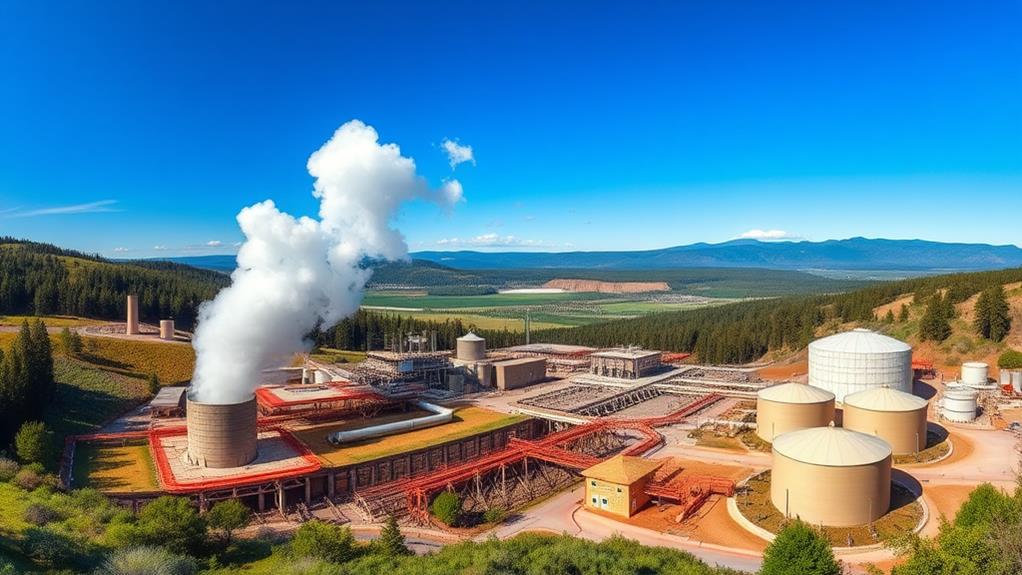
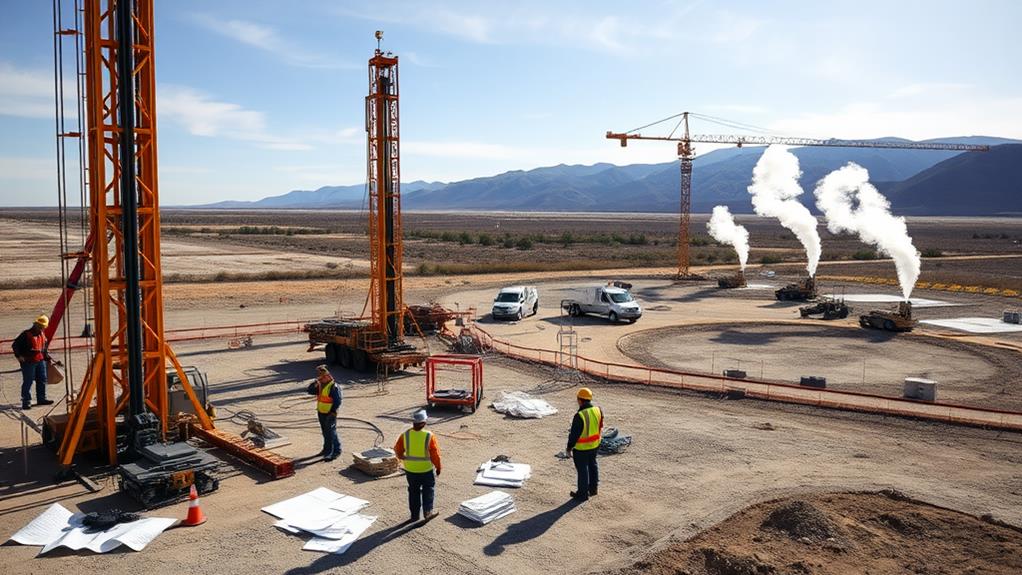

Harnessing the potential of Enhanced Geothermal Systems (EGS), we can greatly expand access to geothermal energy, especially in developing nations that lack the volcanic hotspots traditional geothermal plants rely on. EGS uses advanced drilling and hydraulic stimulation techniques to tap into heat from deep rock formations, broadening geothermal production beyond conventional hydrothermal sources. The U.S. Department of Energy’s Enhanced Geothermal Shot is targeting a 90% reduction in EGS electricity costs, down to about $45 per megawatt-hour by 2035, and notes that EGS could eventually help power tens of millions of homes. With demonstrated commercial pilot projects now underway and the capability to provide continuous baseload power, EGS enhances energy stability, particularly in regions paired with intermittent sources like solar and wind. As drilling costs fall and the technology matures, EGS is becoming increasingly viable for developing nations sitting on untapped geothermal resources.
Direct Use Applications
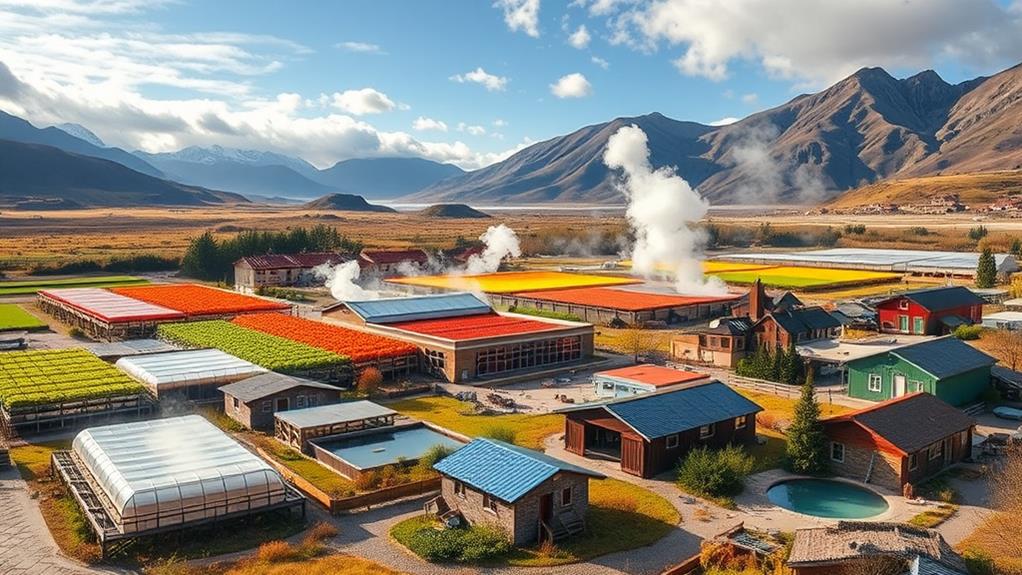
In recent years, the potential of direct use applications of geothermal energy has become increasingly evident, offering a sustainable alternative for heating needs in developing nations. By harnessing geothermal resources directly, without the extra step of converting heat into electricity, communities can greatly improve energy security while reducing greenhouse gas emissions. Key applications include:
- District heating systems that deliver hot water to multiple buildings.
- Greenhouse heating, which enhances agricultural productivity year-round.
- Industrial processes that rely on consistent, low-cost heat supply.
- Soil warming and crop drying techniques that extend growing seasons in cooler climates.
Countries in Latin America and other geothermally active regions stand to benefit immensely from these low-cost, low-carbon resources. Embracing direct use applications can lower energy costs for households and industry alike while fostering a more resilient, sustainable energy future. For context on how these systems are typically installed, see our guide to geothermal heating systems for houses.
Recommended Products


Geothermal Power Plants
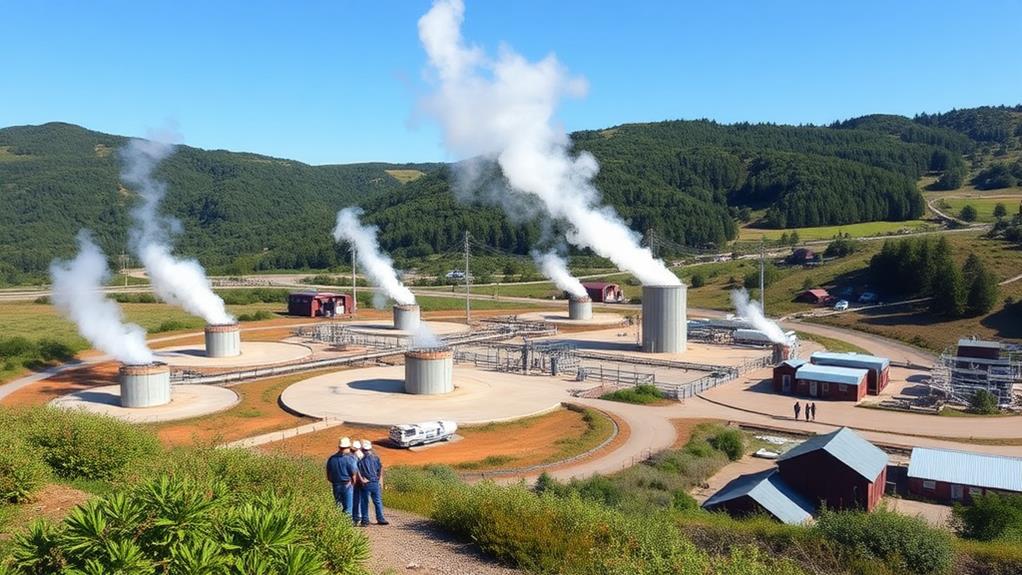
Geothermal power plants represent a crucial advancement in renewable energy technology, tapping into the Earth’s natural heat to produce electricity efficiently. According to the U.S. Energy Information Administration, geothermal plants achieved an average capacity factor of roughly 65% in recent reporting, far above the intermittent output of solar and wind. Although upfront construction costs for geothermal remain higher than for wind and solar per installed kilowatt, the zero-carbon, dispatchable energy geothermal provides is invaluable, particularly for grid stability and combating climate change. Countries like Kenya and Iceland exemplify successful geothermal development: Kenya has built out roughly 890 megawatts of installed geothermal capacity and has set a target of over 5,500 MW by 2030, which would make geothermal the backbone of its power mix. Enhanced Geothermal Systems broaden this potential further, allowing non-volcanic rock formations to be tapped for power in places once considered unsuitable for geothermal development. Direct use applications, such as district heating systems, further reduce energy costs and emissions for developing nations.
| Energy Source | Typical Capacity Factor | Key Characteristic |
|---|---|---|
| Geothermal | ~65% | Continuous baseload, weather-independent |
| Wind | ~34% | Intermittent, strongest offshore |
| Solar PV | ~23% | Intermittent, daylight-dependent |
Source: U.S. Energy Information Administration, capacity factor data by technology. For a deeper look at how upfront costs stack up against long-term energy output for geothermal specifically, see our overview of geothermal energy system pricing.
Recommended Products

Used Book in Good Condition
Hybrid Systems Integration
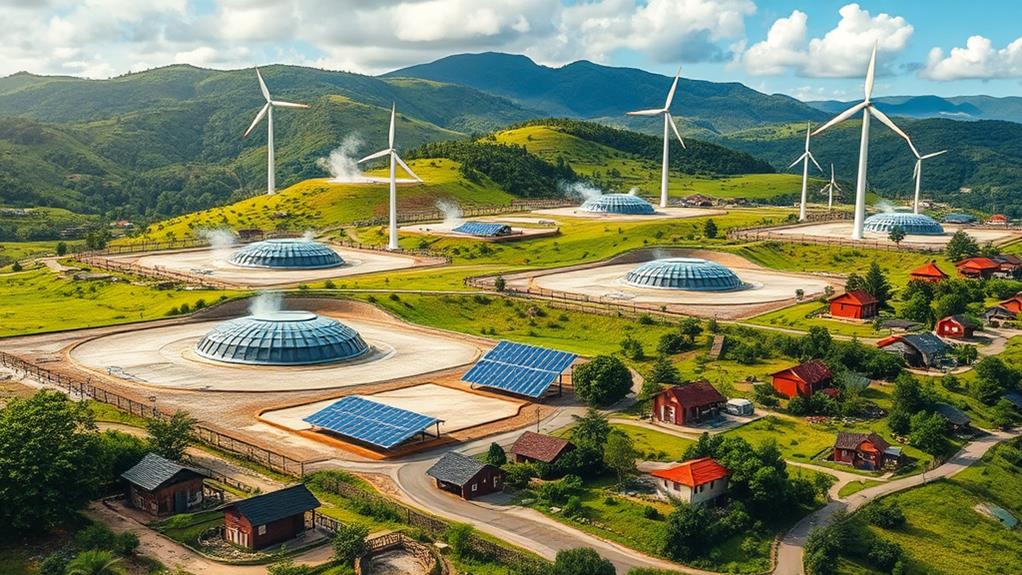
By integrating geothermal energy with solar PV or wind technologies, developing nations can greatly enhance energy reliability. Hybrid systems not only provide continuous power but also optimize resource utilization across the grid. Here are some key benefits these combined systems offer:
- Higher Effective Capacity Factors: Geothermal’s roughly 65% capacity factor complements solar’s roughly 23% and wind’s roughly 34%, smoothing out overall generation.
- Enhanced Energy Security: Reducing reliance on imported fossil fuels strengthens national energy independence.
- Lower Energy Storage Costs: Pairing a steady geothermal baseload with variable renewables reduces the need for high-capacity battery storage.
- Diverse Applications: Geothermal can also support direct-use applications like district heating, maximizing its value beyond electricity generation.
Through these hybrid systems, developing nations can build a more reliable and sustainable energy future. Readers exploring how to pair intermittent renewables with storage may find our overview of green energy storage system pricing helpful for planning a hybrid buildout.
Policy and Financial Support

While effective policy frameworks are essential for the growth of geothermal energy in developing nations, they must be complemented by robust financial support to attract private investment, since geothermal’s high upfront exploration and drilling costs remain its biggest barrier to entry. By implementing tax incentives and streamlined permitting processes, governments can encourage private capital into geothermal projects. Multilateral and bilateral financial institutions, like the World Bank and the Inter-American Development Bank, play a significant role in providing funding and risk mitigation strategies to support these initiatives, including grants that de-risk early-stage exploration and confirmation drilling. Promoting public-private partnerships similarly helps mobilize financing for geothermal initiatives in emerging markets. Ultimately, decreasing capital costs is critical for improving the financial viability of geothermal energy across the developing world; readers evaluating financing structures for renewable projects generally may find our cost-benefit analysis of green energy a useful starting point.
Frequently Asked Questions
What Emerging Technologies Will Make Geothermal Energy Better?
Enhanced Geothermal Systems and closed-loop binary cycle methods are among the most promising advances. They aim to make geothermal energy more accessible by using deep drilling to extract heat from low-temperature and non-volcanic geothermal resources, expanding where geothermal power can be developed.
What Country Has the Best Geothermal Energy?
Iceland is often cited for near-total reliance on geothermal and hydro for its electricity and heating, while the United States leads the world in total installed geothermal capacity. Indonesia, Kenya, and the Philippines also rank among the top geothermal producers globally, particularly relative to the size of their grids.
What Is the Most Efficient Geothermal Power Plant in the World?
Iceland’s Hellisheiði Power Station is frequently highlighted as one of the world’s largest and most efficient geothermal facilities. Using advanced drilling technology and combined heat-and-power extraction, it converts a renewable resource into reliable electricity and district heating, demonstrating the technology’s global potential.
What Is the Next-Generation Geothermal Technology?
Next-generation geothermal technology centers on Enhanced Geothermal Systems and advanced closed-loop drilling designs. By harnessing supercritical fluids and engineered underground reservoirs, these approaches can tap deep Earth heat in regions without natural hydrothermal resources, opening up new markets for both power generation and direct-use heating.


