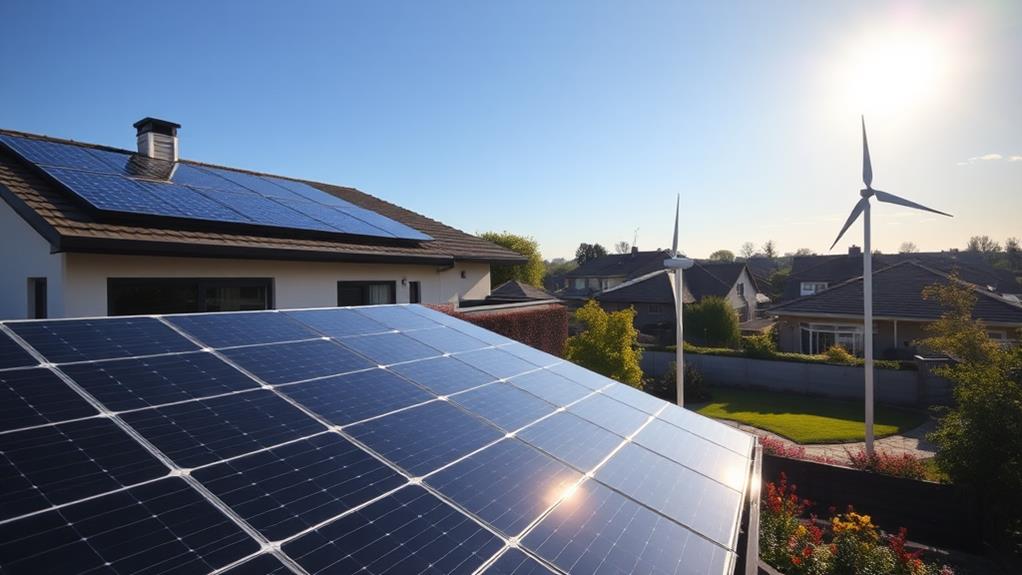
When we consider wind turbine installation for homes, we notice that the costs can range from $2,000 to $75,000, heavily influenced by the turbine’s capacity and type. Roof-mounted systems generally cost around $3,000, while freestanding turbines may exceed $50,000. Moreover, professional installation is vital for compliance with local regulations, and maintenance costs average 1-2 cents per kilowatt-hour generated. Ideal wind speeds exceed 10-11 mph, and understanding the impact of these variables is essential for optimizing energy efficiency. Exploring the financial implications, including federal tax credits and potential energy savings, can provide additional insights into these systems’ viability.
Key Takeaways
- Installation costs for home wind turbines range from $2,000 to $5,000 per kW, with total expenses typically between $15,000 and $75,000.
- Roof-mounted turbines are more cost-effective, averaging around $3,000, while freestanding turbines can cost between $50,000 and $80,000.
- A 30% federal tax credit can help offset the high initial installation costs under the Inflation Reduction Act of 2022.
- Professional installation is recommended to ensure compliance with local regulations and enhance system reliability, often costing $500 to $2,000.
- Effective energy generation requires average wind speeds above 10-11 mph, with routine maintenance necessary to uphold turbine performance.
Cost Overview and Financial Aspects
You may be interested
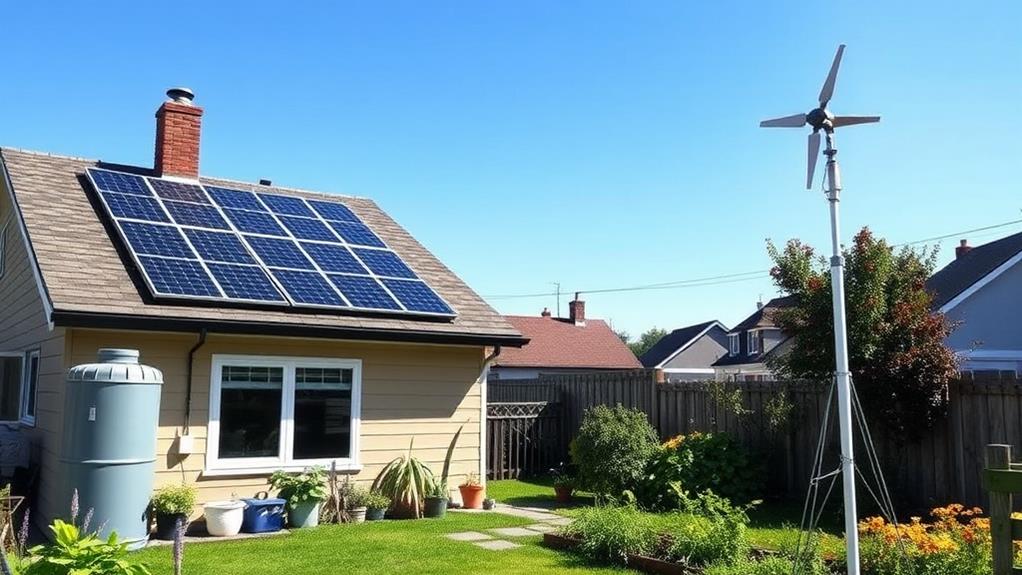
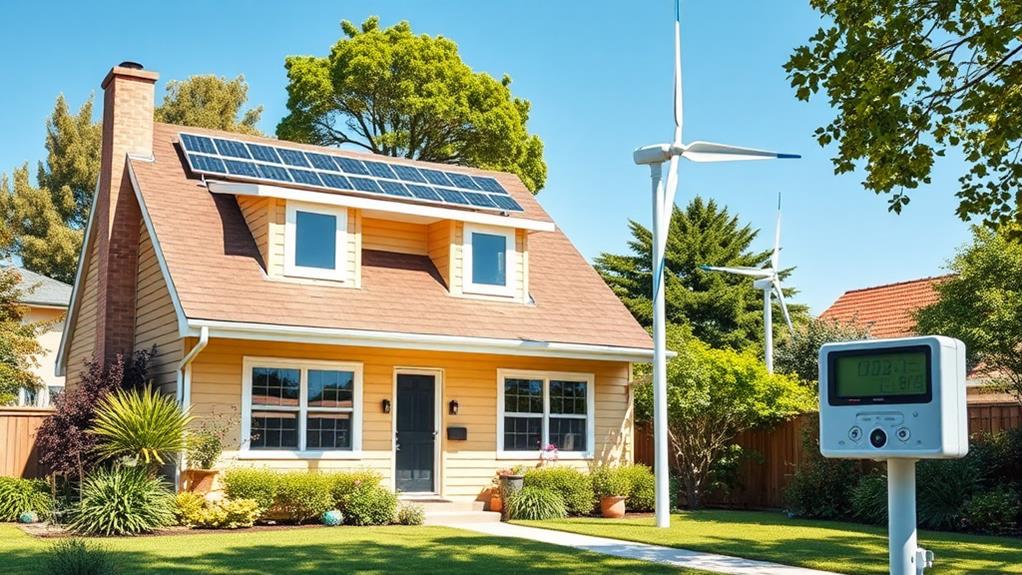
When considering the installation of a home wind turbine, we often find that costs can vary considerably. The installation costs typically range from $300 to $75,000, influenced by the turbine’s type, size, and capacity. On average, installation costs fall between $2,000 and $5,000 per kW of power capacity, with maintenance costs also impacting our overall expenses. Fortunately, we can take advantage of tax credits and government incentives, such as the 30% federal tax credit under the Inflation Reduction Act of 2022, which effectively offsets those upfront costs. Additionally, various financing options, including local grants and rebates, are available to help us manage expenses. Ultimately, investing in home wind turbines can yield significant energy savings and lower energy bills over time.
Recommended Products
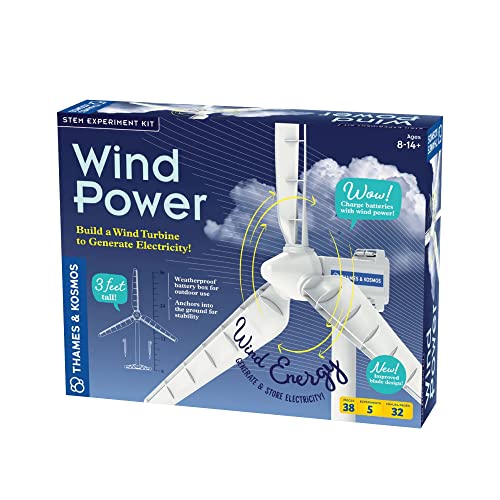
Build and experiment with a real, working 3-foot tall wind turbine to learn how wind is one of the most promising sources of clean, renewable energy available today.

Wind-Powered LED Light Display: This small wind-mill generator powers a 10-meter colorful tape lights used to decorate the backyard. Mount it in an open place and the colorful tape lights will light up with the wind without batteries or external power supply. The brightness of the tape lights varies with the strength of the wind. The stronger the wind, the brighter the lights. Add a touch of dynamic color to your backyard on windy evenings. It needs to be installed in an open area for better performance

🌪️【Quality Craftsmanship & Robust Design】Constructed from die-cast plastic, our turbine body is waterproof and corrosion-resistant, ensuring durability in harsh environments. Its adjustable tail aligns with the wind direction, enhancing stability and safety during operation. Equipped with dual bearings, the fan operates silently and efficiently, delivering top-notch performance.
Types of Home Wind Turbines

Home wind turbines primarily fall into two categories: roof-mounted and freestanding models. Each type presents unique benefits, making them appealing to different homeowners.
| Type | Key Features |
|---|---|
| Roof-mounted turbines | Cost-effective, average installation costs: $3,000, suitable for smaller energy needs, limited zoning restrictions. |
| Freestanding turbines | Higher capacity, installation costs range from $50,000 to $80,000, significant energy generation for larger homes, may qualify for net metering, larger blade length and tower height. |
When considering a home wind turbine, we should evaluate turbine size, upfront investment, and local zoning restrictions. Roof-mounted turbines typically face fewer placement challenges, while freestanding options offer greater energy generation potential but come with more stringent regulations and higher installation costs.
Recommended Products

【👍600W Wind Turbine Generators Kit】This product is made of high-quality nylon fiber, which is strong, stable, anti-corrosion, and can be used for a long time.

High Quality Material: It adopts a permanent magnet generator with an iron core paired with two aluminum alloy blades, and the surface is sprayed with plastic, which can withstand bad weather and ensures the product's long and stable operation.
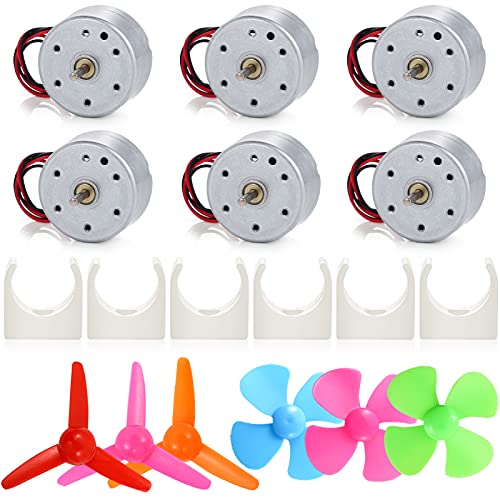
Designed Beginner Kit: 6 PCS mini dc motor, 6 PCS Motor Mounting Bracket Holder and 3 PCS different colors 4 Vanes shaft propellers and 3 PCS 3 Vanes shaft propellers
Installation and Maintenance Considerations

When considering the installation of a wind turbine at our homes, it’s crucial to recognize how location directly impacts efficiency; factors such as nearby topographical features and the height of surrounding structures can greatly affect turbine performance, necessitating a minimum elevation of 30 feet for ideal functionality. We should weigh the pros and cons of professional installation versus DIY methods, as professional installers not only guarantee compliance with local regulations but also enhance the system’s reliability and efficiency through proper positioning and electrical connections. Routine maintenance, which includes regular inspections and necessary part replacements, is vital for sustaining the turbine’s operational integrity, particularly for freestanding models that often incur higher maintenance costs.
Recommended Products

NOTE before Purchase: This wind turbine needs to be driven by a fan or blower at a right angle instead of natural wind. Natural wind needs to be relatively large to generate electricity. The greater the wind energy, the greater the power generated by the generator. If the wind is small, the leaves will rotate slowly, although it will generate electricity, but the output voltage and current will be small, and the light bulb will not turn on.(The natural wind is too small to light up the led.)

This is a complete set of mini wind turbine model kits for educational and experimental use.
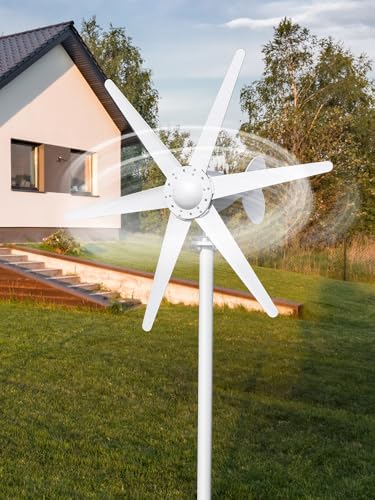
⚡HIGH‑EFFICIENCY 800W WIND TURBINE: Reliable green energy for Home, Farm, RV & Marine Use. Harness wind power effortlessly with our advanced 800W wind turbine, engineered for superior all‑around performance. Ideal for residential, agricultural, RV, and marine applications, this system delivers consistent renewable energy where you need it most.
Location Impact on Efficiency
Choosing the right location for a wind turbine is essential for maximizing its efficiency and ensuring effective energy generation. To achieve ideal turbine performance, we need to take into account average wind speeds above 10-11 mph (4.5-5 m/s) and install the turbine at least 30 feet above any surrounding obstructions that could disrupt wind flow. Nearby topographical features, such as hills or buildings, can greatly impact turbine efficiency, making rural areas more favorable for installation. Additionally, zoning restrictions may limit the placement of freestanding turbines in urban settings, while roof-mounted options provide greater flexibility. Effective site preparation, including thorough soil analysis and foundation construction, is critical, as it directly influences long-term maintenance costs and overall turbine performance.
Professional vs. DIY Installation
After considering the location’s impact on efficiency, we must weigh the options of professional versus DIY installation for wind turbines. While professional installation, with costs ranging from $3,000 to $8,000 per kilowatt, guarantees compliance with safety regulations, peak performance, and proper grid connections, DIY installation can save money on smaller systems. However, this approach requires a solid understanding of the installation process, as inadequate skills may lead to significant maintenance expenses down the line. Additionally, professional installers provide valuable warranties and ongoing support, which are often lost with DIY efforts. Consequently, for larger turbines, the complexity involved, including labor costs and safety considerations, typically makes professional installation the more reliable choice for guaranteeing long-term satisfaction.
Wind Speed and Energy Production

When we consider wind speed and energy production, it’s crucial to recognize that ideal wind speeds for effective home wind turbine operation typically exceed 10-11 mph (4.5-5 m/s), greatly influencing the overall energy output. In areas with favorable conditions, a turbine with a capacity of 10-15 kW can meet a typical home’s electricity needs, yet the actual output can vary widely, ranging from 400 watts to 20 kilowatts daily, depending on local wind conditions and turbine size. Consequently, understanding the relationship between wind speed and the capacity factor, which can drop to about 20% at average speeds of 6 m/s, is important for maximizing energy production and minimizing dependence on the grid during low-wind periods.
Optimal Wind Speeds
To harness the full potential of wind energy, it is essential to understand ideal wind speeds for home turbine installations. Effective energy production typically requires average wind speeds above 10-11 mph (4.5-5 m/s), ensuring best performance. When we install a home wind turbine, we need to take into account local wind conditions, as higher wind speeds lead to increased energy efficiency and improved capacity factors, often ranging from 30-40% for onshore turbines.
| Average Wind Speed (mph) | Capacity Factor (%) |
|---|---|
| 10-11 | 30-35 |
| 12-14 | 35-40 |
| 15+ | 40+ |
Energy Output Variability
Understanding ideal wind speeds is just the beginning; we must also consider how energy output can vary with changing wind conditions. Home wind turbines typically require average wind speeds above 10-11 mph for effective energy generation, and higher speeds can boost electricity production. The capacity factor, which reflects turbine efficiency, often ranges from 30-40% for typical onshore turbines, depending on local wind resources and turbine specifications. While a well-placed 15 kW wind turbine can yield up to 45,000 kWh annually, actual energy production fluctuates considerably with local wind strength. Consequently, it’s crucial to evaluate installation costs against the potential variability of energy output, ensuring that our expectations align with realistic energy generation capabilities from home wind turbines.
Challenges of Home Wind Turbines

Numerous challenges come with installing home wind turbines that can make the investment intimidating for many homeowners. Here are some key issues we should consider:
- High initial installation costs, ranging from $15,000 to $75,000.
- Zoning restrictions and local regulations that may complicate turbine placement.
- Ongoing maintenance costs, estimated at 1-2 cents per kilowatt-hour produced.
- Variable energy production due to changing wind conditions, which might not consistently meet household energy needs.
These challenges, including aesthetic concerns and potential wildlife impact, can lead to public apprehension about adopting wind energy. Understanding these factors is essential for anyone considering this renewable energy option, as they greatly influence both the feasibility and efficiency of home wind turbine installations.
Conditions for Effective Wind Power

Harnessing wind power effectively hinges on a few essential conditions that we should keep in mind. First, we need an average wind speed of at least 10-11 mph (4.5-5 m/s) to generate sufficient energy. Rural locations are ideal for wind turbines due to unobstructed wind flow, while urban areas often hinder peak performance. To maximize wind exposure, we must install a wind turbine at least 30 feet above surrounding obstructions, which typically means taller towers in open spaces. Additionally, significant electricity consumption is vital for justifying the investment in wind power, as smaller systems may not yield meaningful bill reductions. Engaging professional installers will guarantee that we address these conditions effectively, aligning our efforts with the technology’s requirements.
Benefits of Home Wind Turbines

Installing a wind turbine at home offers a range of benefits that make it an attractive option for many homeowners. Here are some key advantages we should consider:
- Significant Savings: Home wind turbines can reduce electricity bills by up to 50%, depending on turbine size and energy prices.
- Increased Property Value: Energy-efficient features, like wind turbines, can enhance our property’s marketability.
- Financial Incentives: Installation costs can be offset by tax credits, including the 30% federal tax credit from the Inflation Reduction Act of 2022, and various government incentives.
- Sustainable Energy: Utilizing renewable energy not only promotes environmental conservation but also fosters energy independence, particularly in areas with consistent wind speeds above 10-11 mph.
These factors collectively enhance our commitment to sustainable living.
DIY Vs Professional Installation Choices
Considering the choice between DIY and professional installation for a home wind turbine involves weighing both cost savings and long-term reliability. While DIY installations can save us on labor costs, they require a solid understanding of compliance with local regulations and ideal positioning to maximize efficiency. If we opt for professional installation, we typically face costs between $500 to $2,000, but we gain assurance in the installation process, which can enhance system reliability. Furthermore, professional installers often maintain warranties and provide ongoing support, reducing potential long-term maintenance costs. The time factor also favors professional installation, as they can complete the job quickly, minimizing disruption to our daily routines—an essential consideration for those of us balancing numerous responsibilities.
Recommended Products

【VERTICAL WIND TURBINE】The blade material is synthetically injection molded with high-strength FRP material. At the same time, the fashionable The spiral blades are aerodynamically designed to make the rotor run smoothly and reliably, which leads to stable electricity generation. The wind turbine can start from the breeze and adapt to the wind 360°, no yaw system is needed.

【Vertical Axis Wind Turbine】The blade material is synthetically injection molded with high-strength FRP material. At the same time, the fashionable The spiral blades are aerodynamically designed to make the rotor run smoothly and reliably, which leads to stable electricity generation. The wind turbine can start from the breeze and adapt to the wind 360°, no yaw system is needed.

High-Efficiency Wind Energy Conversion – This 1000W vertical wind power generator kit is equipped with an intelligent microprocessor controller that optimizes power tracking, adjusting voltage and current to ensure maximum efficiency in wind energy conversion.
Frequently Asked Questions
What Is the Average Cost to Install a Residential Wind Turbine?
When we explore the average costs of a residential wind turbine, we find that turbine efficiency, installation permits, and local regulations can greatly influence our energy savings and maintenance costs, making careful planning essential for our investment.
Are Home Wind Turbines Worth the Cost?
We’ve found home wind turbines can be worth it, offering turbine efficiency and energy savings. However, we must consider maintenance costs, local regulations, and financing options for a successful installation that benefits our environment long-term.
Is It Worth Installing a Domestic Wind Turbine?
When we consider installing a domestic wind turbine, we must weigh energy independence, environmental impact, and local regulations. A thorough site assessment guarantees turbine efficiency, while financial incentives can lead to long-term savings with proper maintenance.
What Factors Are to Be Considered for Installation of Wind Turbine?
Did you know that ideal turbine energy production requires average wind speeds over 10 mph? Together, we must consider site assessments, zoning regulations, turbine size, maintenance costs, and local incentives before diving into installation permits.