If you're considering off-grid renewable energy solutions, top options include solar power systems, wind energy solutions, micro-hydro power systems, biogas energy systems, geothermal heat pumps, hybrid energy systems, and energy-efficient appliances. Solar photovoltaic panels have installation costs ranging from $15,000 to $25,000, while wind turbines can deliver cost-effective energy in windy areas. Micro-hydro systems offer continuous power, and geothermal heat pumps greatly reduce heating costs. Hybrid systems maximize energy independence, and energy-efficient appliances can lower consumption considerably. Each solution presents unique benefits and implementation considerations, providing you with an opportunity to optimize your energy strategy and enhance sustainability. Exploring these options can lead to informed decisions.
Key Takeaways
- Solar power systems offer scalability with cost-effective installations and federal tax incentives, making them a popular choice for off-grid homes.
- Wind energy solutions utilize efficient horizontal-axis turbines while reducing CO2 emissions, ideal for areas with consistent wind.
- Micro-hydro power systems provide continuous electricity from flowing water, with low operational costs and high efficiency.
- Biogas energy systems convert organic waste into methane, offering significant cost savings and reducing greenhouse gas emissions.
- Hybrid energy systems combine various renewable sources for a reliable power supply, enhancing energy independence and efficiency for off-grid living.
Solar Power Systems
You may be interested
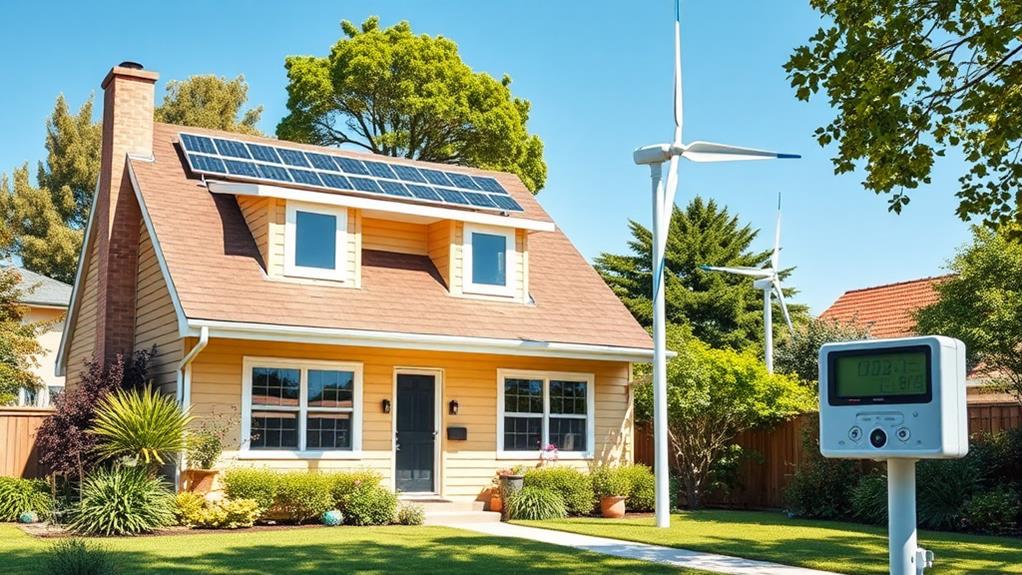
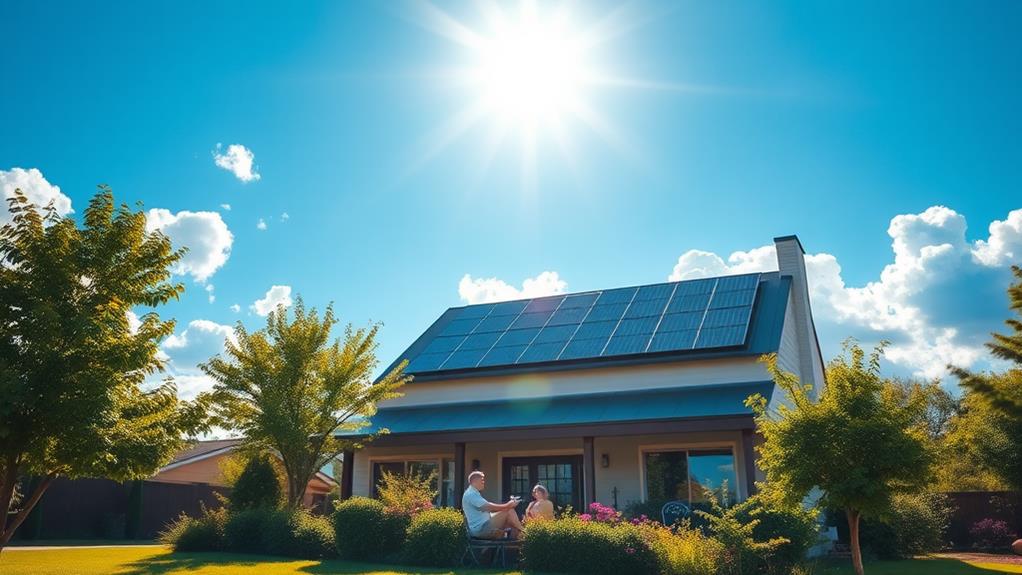
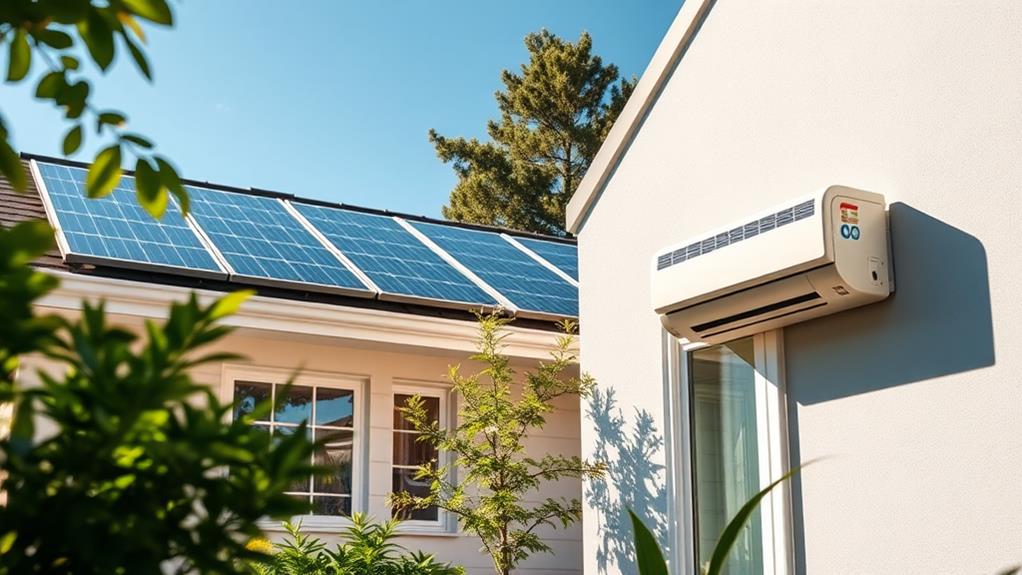
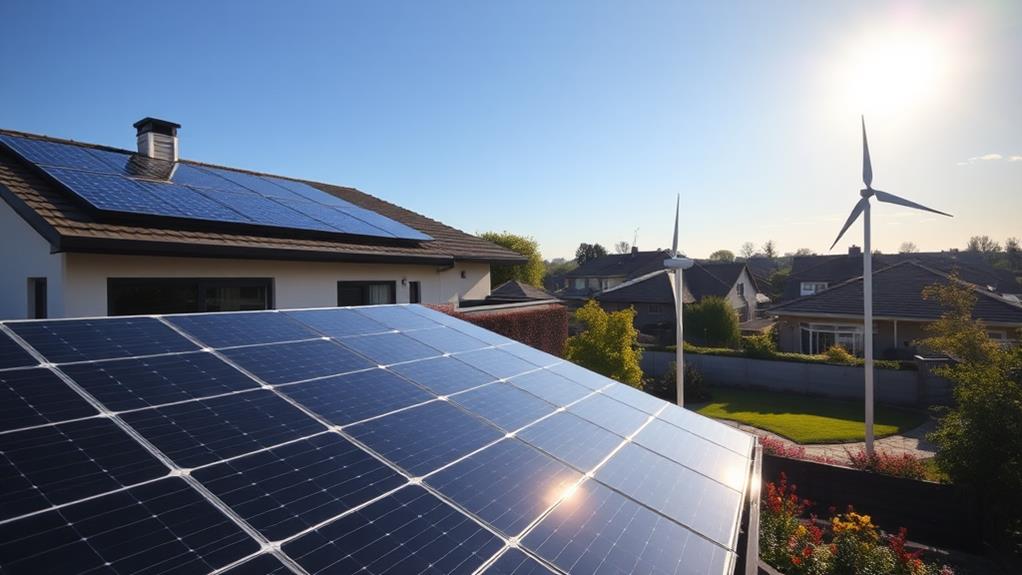
Solar power systems are an excellent choice for those seeking off-grid energy solutions. By harnessing photovoltaic panels, these systems convert sunlight into electricity, making them ideal for off-grid homes. The average installation cost for solar panels ranges from $15,000 to $25,000, with additional battery storage systems typically costing between $5,000 and $15,000. Opting for high-efficiency monocrystalline panels can enhance energy production, particularly in sunny areas. Incorporating a battery bank, preferably lithium-ion, guarantees longevity and efficiency, allowing you to meet energy demands during low sunlight periods. Furthermore, federal tax incentives currently provide savings of up to 30% on solar equipment through 2026, making these renewable energy sources a viable and cost-effective option for achieving energy independence.
Recommended Products
![The DIY Off Grid Solar Power Bible: [10 in 1] The Most Complete and Updated Guide to Design, Install, and Maintain Solar Energy Systems for Tiny Homes, Cabins, Rvs, and Boats](https://m.media-amazon.com/images/I/517BdaiBePL._SL500_.jpg)

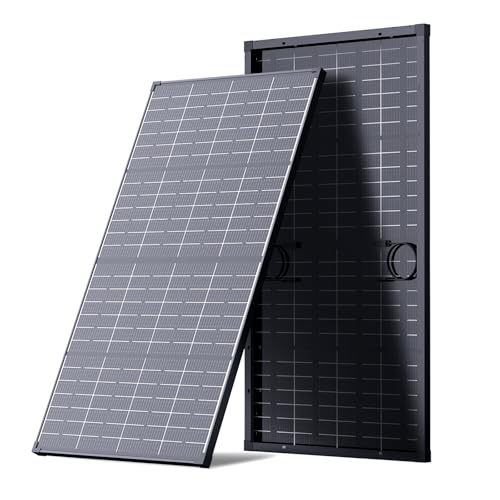
【No More Shutdowns from Partial Shade】While ordinary panels can shut down completely from partial shade, the Callsun 215W anti-shading solar panel features 4 independent power zones. If shade covers any zone, the remaining modules continue running at full voltage. This independent design retains up to 75% more power compared to standard panels, ensuring steady all-day energy whether you're RVing under trees, dealing with mast shadows, or camping by mountain ridges.
Wind Energy Solutions

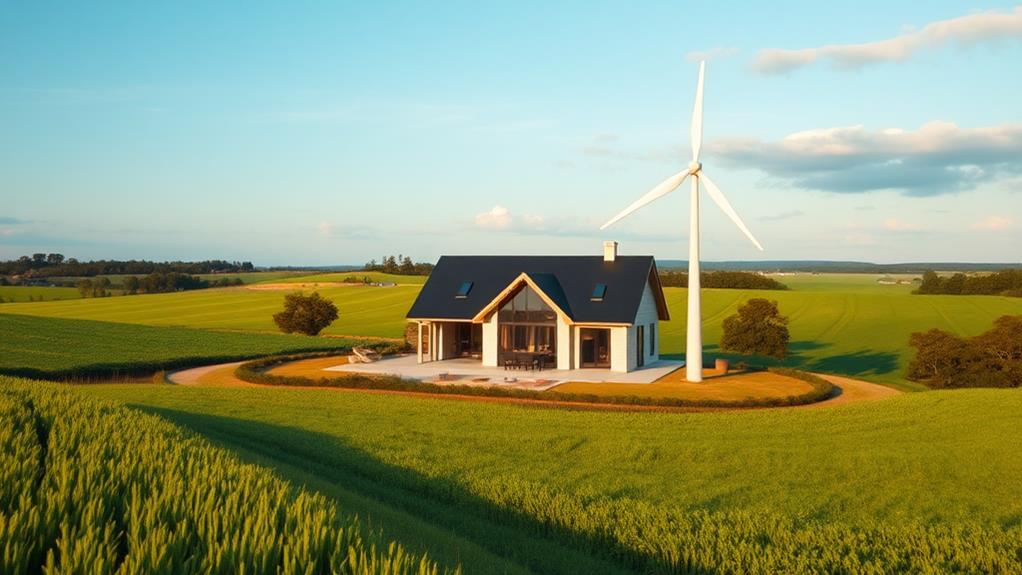
Wind energy solutions offer a compelling alternative for off-grid power generation, especially in regions with consistent wind patterns that can convert kinetic energy into electricity through wind turbines. By understanding the advantages of horizontal-axis wind turbines (HAWT), which typically deliver superior efficiency and power output compared to their vertical-axis counterparts (VAWT), you can make informed decisions about installation. Additionally, recognizing the importance of site evaluation and ongoing maintenance—such as regular blade inspections and mechanical check-ups—ensures peak performance and longevity, making wind energy a viable option for sustainable living.
Recommended Products

【VERTICAL WIND TURBINE】The blade material is synthetically injection molded with high-strength FRP material. At the same time, the fashionable The spiral blades are aerodynamically designed to make the rotor run smoothly and reliably, which leads to stable electricity generation. The wind turbine can start from the breeze and adapt to the wind 360°, no yaw system is needed.
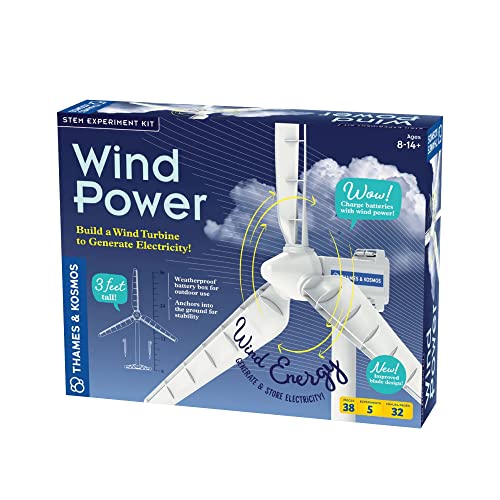
Build and experiment with a real, working 3-foot tall wind turbine to learn how wind is one of the most promising sources of clean, renewable energy available today.

【Vertical Axis Wind Turbine】The blade material is synthetically injection molded with high-strength FRP material. At the same time, the fashionable The spiral blades are aerodynamically designed to make the rotor run smoothly and reliably, which leads to stable electricity generation. The wind turbine can start from the breeze and adapt to the wind 360°, no yaw system is needed.
Advantages of Wind Energy
Harnessing the power of wind offers homeowners a sustainable way to cut down on electricity costs while boosting energy independence. Wind energy solutions come with several compelling advantages:
- Cost-effective: The average cost of wind-generated electricity ranges from $30 to $60 per megawatt-hour, making it competitive with fossil fuels.
- Versatile performance: Modern wind turbines can generate electricity even in low-wind conditions, starting at just 7 mph.
- Environmental impact: Utilizing wind energy can greatly reduce greenhouse gas emissions, potentially lowering CO2 output by 1.5 billion metric tons annually in the U.S.
With a small land footprint, wind turbines allow you to maintain agricultural activities while contributing to renewable energy, supporting your journey toward true energy independence and sustainable off-grid living.
Installation and Maintenance Tips
When it comes to installing wind energy solutions, careful planning is essential for maximizing efficiency and performance. First, verify your site has an average wind speed of at least 9 mph, as this is imperative for effective energy generation. Install wind turbines at least 30 feet above any obstacles within a 300-foot radius to minimize turbulence and enhance performance. Regular maintenance is crucial; check and lubricate moving parts, inspect blades for damage, and monitor electrical connections at least once a year. Use a charge controller to manage battery charging, preventing overcharging and extending the lifespan of your battery bank in off-grid systems. Finally, always comply with local regulations and zoning laws, as these can impact your installation plans considerably.
Micro-Hydro Power Systems

Micro-hydro power systems present a viable solution for generating renewable energy, particularly in areas with consistent water flow, where they can efficiently convert the kinetic energy of flowing water into electricity. With power outputs that can range from a few hundred watts to several kilowatts, these systems not only cater to various household energy needs but also exhibit a lower environmental impact compared to fossil fuels, thereby contributing to sustainable energy practices. When considering installation and maintenance, it's essential to evaluate the costs, which typically range from $1,000 to $5,000 per installed kilowatt, along with the minimal upkeep required to guarantee peak performance over time.
Recommended Products

Micro hydro generator, the potential energy conversion of the water into electrical energy mechanical equipment

UNIVERSAL FIT: Compatible with DIY wind/hydro projects and educational science kits; NOT compatible with standard mains AC inverters over 15V or industrial turbines

ADVANCED TECHNOLOGY: Equipped with a high-performance permanent magnet brushless motor and an optimized impeller. This hydro turbine delivers up to 50W of stable output under 0.1–1MPa water pressure, providing a reliable green energy source for your outdoor adventures or home emergencies.
Benefits of Micro-Hydro
For those seeking reliable and sustainable energy solutions, micro-hydro power systems offer significant advantages. With the ability to harness flowing water, these systems deliver consistent electricity, ensuring energy reliability for off-grid living. Consider these benefits:
- Efficiency Rates: Micro-hydro systems achieve 50% to 80% efficiency, maximizing your energy output.
- Environmental Impact: Unlike fossil fuels, they utilize renewable water resources with minimal ecosystem disruption.
- Steady Energy Supply: Unlike solar or wind, they provide continuous electricity, day and night.
While the setup cost may range from $1,000 to $5,000 per kilowatt, the long-term savings on electricity bills can be substantial. Embracing micro-hydro means embracing freedom from dependence on conventional energy sources, all while minimizing your carbon footprint.
Installation and Maintenance Considerations
Installing a micro-hydro power system requires careful planning and attention to detail. Begin with a thorough site evaluation to guarantee you have a consistent water flow and a minimum head of 2-3 feet. Obtain the necessary permits before setting up the turbine, generator, and penstock, as these components are vital for channeling water effectively. Once installed, maintenance is key; regular inspections of the turbine and generator are essential, along with clearing debris from the intake and monitoring the penstock for blockages. With initial costs ranging from $5,000 to $20,000, micro-hydro systems offer low operational costs and a lifespan of 20 to 30 years, making them a sustainable energy solution for those seeking autonomy in their energy production.
Biogas Energy Systems

Biogas energy systems offer a sustainable solution for converting organic waste into valuable energy. By harnessing the power of anaerobic digestion, you can transform food scraps and livestock manure into methane gas, a renewable energy source that meets your heating and electricity generation needs. Here are three powerful benefits of implementing a household biogas system:
- Cost savings on energy bills and waste disposal.
- Reduction of greenhouse gas emissions, as methane is captured instead of being released into the atmosphere.
- Energy independence, allowing you to utilize 100 to 200 cubic meters of biogas monthly.
With initial setup costs between $5,000 and $20,000, investing in biogas energy systems can lead to significant long-term advantages for you and the environment.
Recommended Products

Geothermal Heat Pumps

Harnessing the earth's stable underground temperature, geothermal heat pumps provide an efficient way to heat and cool your home. With an impressive efficiency ratio of 300-600%, these systems notably outperform traditional HVAC methods. By reducing energy consumption for heating by up to 70%, you'll enjoy substantial energy savings and lower utility bills. Although installation costs range from $10,000 to $30,000, the long-term benefits are undeniable, especially given their lifespan of over 25 years for indoor units and up to 50 years for the ground loop. Plus, you'll support sustainable living, as geothermal heat pumps generate no carbon emissions during operation, making them a valuable renewable energy solution for environmentally-conscious homeowners seeking freedom from high energy costs.
Recommended Products


Hybrid Energy Systems

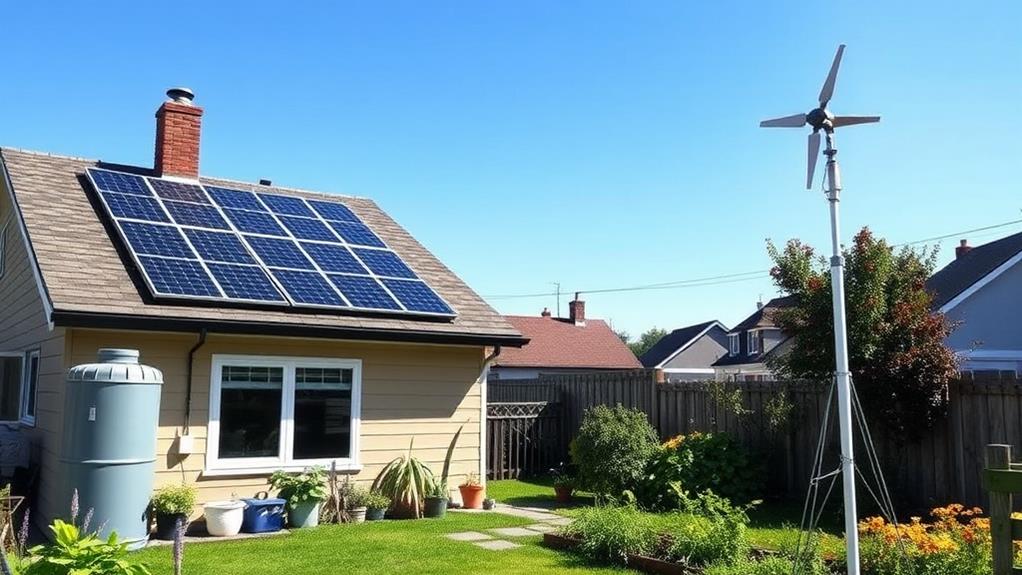
A hybrid energy system can revolutionize how you power your off-grid home by combining various renewable energy sources like solar, wind, and hydro. By integrating these systems, you can achieve greater energy independence and efficiency, ensuring a reliable power supply regardless of weather conditions.
Consider these benefits:
- Continuous Power Generation: Hybrid setups mitigate the limitations of individual sources, ensuring you have energy when you need it most.
- Enhanced Battery Storage: This provides consistent energy availability during low generation periods, eliminating worries about cloudy or windless days.
- Reduced Reliance on Fossil Fuels: Optimize your energy costs while moving away from traditional backup generators.
Embrace the freedom of hybrid energy systems and tailor your setup to your unique energy needs, paving the way for a sustainable, off-grid lifestyle.
Energy-Efficient Appliances

Energy-efficient appliances are essential for off-grid living, as they help you maximize your limited power supply. These appliances consume 10-50% less energy than standard models, promoting energy conservation. Look for those with the ENERGY STAR label, which guarantees lower energy consumption and operational costs. For instance, an ENERGY STAR-rated refrigerator can save over $200 in energy costs over its lifetime.
| Appliance Type | Energy Consumption (kWh/year) | Savings Over Non-ENERGY STAR |
|---|---|---|
| Refrigerator | 400 | $200 |
| Washing Machine | 300 | $100 |
| Dishwasher | 270 | $120 |
| Smart Thermostat | Varies | Up to 10% energy savings |
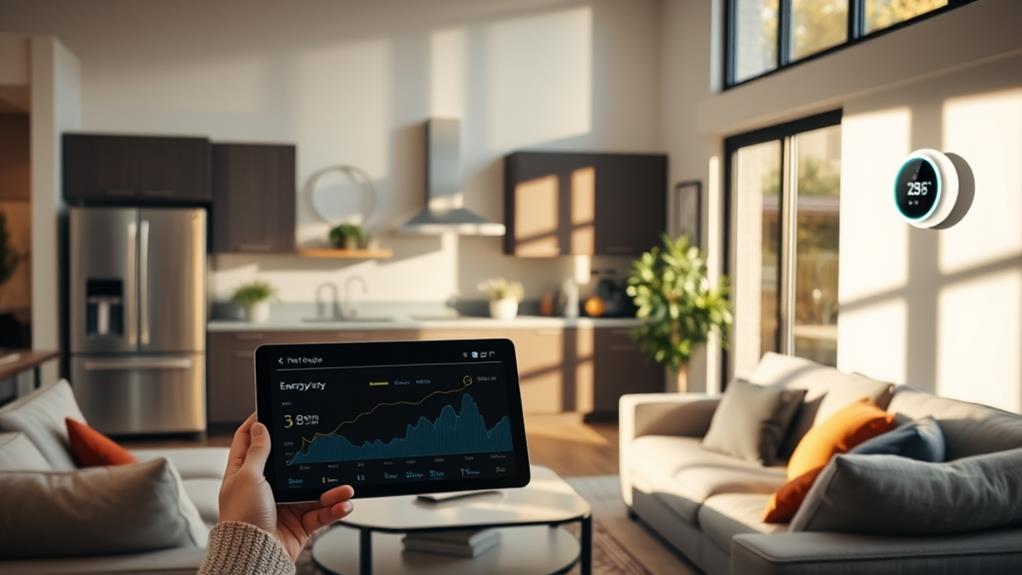
Implementing smart technologies like programmable thermostats and energy monitoring systems can further minimize energy load, guaranteeing efficient off-grid living.
Frequently Asked Questions
What Is the Best Renewable Energy for Off-Grid?
When considering the best renewable energy for off-grid living, you'll find solar panels, wind turbines, and hydro power essential. Incorporating energy storage and passive design enhances your energy independence and supports sustainable living in microgrid systems.
What Is the Most Efficient Renewable Energy Source for a Home?
What if there's a way to harness nature's power effortlessly? Solar panel efficiency, wind turbine performance, and geothermal energy benefits can transform your home. Explore energy storage solutions and smart home integration for ultimate freedom.
What Is the Cheapest Renewable Energy System for the Home?
When considering the cheapest renewable energy system, look at solar panel costs and hydroelectric system affordability. DIY renewable projects, energy storage options, and government incentives can help you maximize savings while ensuring freedom from utility bills.
How Do You Generate Electricity for an Off-Grid House?
To generate electricity for your off-grid house, you'll want solar panels, wind turbines, or hydro power. Combine battery storage for energy independence and consider biomass energy for a sustainable living, boosting energy efficiency in your off-grid lifestyle.