
Renewable energy sources, such as solar and wind, are increasingly more affordable than traditional fossil fuels. For instance, solar power averages about $0.10 per kWh, while onshore wind can cost as low as $0.04 to $0.06 per kWh in specific regions. In contrast, fossil fuel prices range from $0.05 to $0.17 per kWh. Significantly, as technology advances, the levelized cost of energy for renewables continues to decrease, enhancing their economic attractiveness. Shifting to these energy sources not only reduces operational costs for consumers but also bolsters overall economic stability. Further insight reveals additional benefits and trends impacting these energy sectors.
Key Takeaways
- Renewable energy costs, such as solar at $0.10 per kWh, are competitive with fossil fuels ranging from $0.05 to $0.17 per kWh.
- Households can save around $500 annually on operational costs when switching to renewable energy sources.
- Renewable energy has no fuel costs post-installation, unlike rising operational costs for fossil fuels.
- Technological advancements have significantly decreased solar PV costs, making renewables more accessible and affordable.
- Transitioning to renewable energy could lead to annual savings of $179 billion nationally, reflecting its economic advantages over traditional fuels.
Cost Comparison of Energy Sources
You may be interested

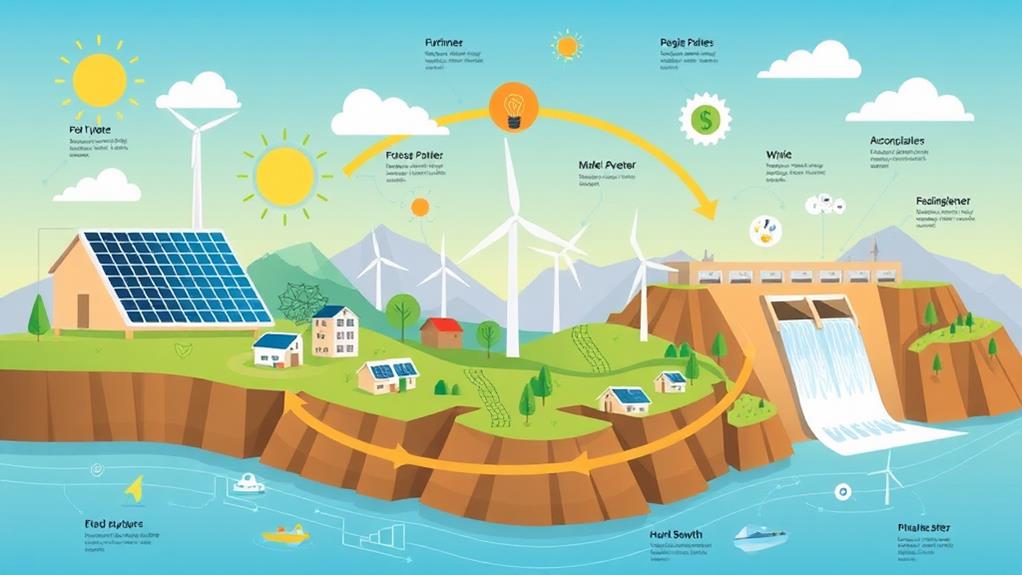

When comparing the costs of renewable energy sources to traditional fuels, you'll find that renewables often come out on top. The cost of renewable energy has greatly decreased, with solar power averaging around $0.10 per kWh, while fossil fuels can range from $0.05 to $0.17 per kWh. Wind power can be even cheaper, costing between $0.04 and $0.06 per kWh in certain areas. The Levelized Cost of Energy reveals that onshore wind is approximately $44 per megawatt-hour and solar photovoltaics around $50 per megawatt-hour, both considerably lower than fossil fuel generation costs. This shift to renewable energy not only promises affordable clean energy but also contributes to lower energy prices for consumers, enhancing economic stability and long-term savings.
Recommended Products
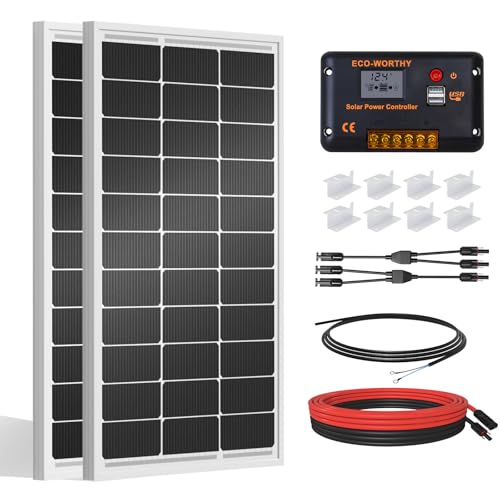
[Wide Application]: Daily Output 800wh/day under 4 hours full sunshine condition. Perfect for RV, Caravan, Marine, Camper, Electric scooter, Golf Carts, Power wheels, Trolling motor, Tool trailer, Backup power supply for cabin shed home etc.


Economic Benefits of Renewables

The shift towards renewable energy not only offers a cost advantage but also brings substantial economic benefits. By moving to renewable sources like solar and wind, households can save around $500 annually due to lower operational and maintenance costs, as these systems incur no fuel costs post-installation. Furthermore, investing in clean energy technologies is projected to reduce operating costs by over 50% within the next decade, making renewables increasingly cost-competitive.
| Economic Benefits | Figures |
|---|---|
| Annual Household Savings | $500 |
| Shift Cost | $179 billion annually |
| Decarbonization Savings | $5 trillion – $15 trillion |
| Cost of Renewable Energy | $0.10 per kWh |
| Fossil Fuel Range | $0.05 – $0.17 per kWh |
Embracing this energy shift can position you for long-term financial freedom.
Recommended Products

Max Battery Voltage: 32V


Trends in Fossil Fuel Prices

When you examine fossil fuel prices, you'll notice a remarkable stability over the past century, which has led to a consistent cost base for traditional energy sources. Despite this steadiness, the comparative cost trends reveal a significant decline in the prices of renewable energy technologies, making them increasingly attractive. As you consider the implications of these trends, it's crucial to recognize how historical pricing patterns and current market dynamics are shaping the future of energy generation.
Historical Price Stability
Fossil fuel prices have shown remarkable stability over the past century, averaging between $0.05 and $0.17 per kWh. This long-term consistency, however, hasn't translated into a competitive edge against rapidly evolving renewable energy technologies. Historical data reveals a significant decline in coal's share of U.S. electric power generation, dropping from over 50% to 20% in just 15 years, highlighting a shift in energy costs. While fossil fuels have maintained stable pricing, operational costs for coal are rising, making renewable sources like solar energy increasingly attractive. Unlike traditional utility pricing models, which often exceed marginal costs, renewables offer the advantage of zero fuel costs post-installation, providing a pathway to energy independence and lower long-term expenses.
Comparative Cost Trends
While fossil fuel prices have displayed remarkable stability over the years, fluctuating between $0.05 and $0.17 per kWh, this consistency masks the underlying economic challenges they face. The levelized cost of energy (LCOE) illustrates a stark contrast, with onshore wind energy averaging around $44 per megawatt-hour, considerably lower than concentrated solar power at $182 per megawatt-hour. Despite the operational advantages of renewables, including a declining solar cost averaging $0.10 per kWh, utility pricing models often reflect inflated costs, hindering your shift from fossil fuels. Additionally, the estimated $6.1 billion annual net cost for renewable energy over 29 years suggests a more sustainable long-term investment. However, the $620 billion in fossil fuel subsidies in 2023 continues to distort this comparative cost landscape.
Technological Advances in Green Energy

Technological advances in green energy are reshaping the landscape of energy production, making it more efficient and accessible than ever. Innovations in solar PV have led to a staggering reduction in costs, dropping by a factor of 5,000 since 1958, positioning solar energy as a clean alternative to fossil fuels. Additionally, advancements in battery storage technologies have greatly enhanced the reliability of renewable energy systems, allowing for more effective integration of intermittent sources like wind and solar into the grid. Smart grid technology optimizes electricity distribution, facilitating the shift to a cleaner energy system. With the levelized cost of energy showing onshore wind energy at approximately $44 per megawatt-hour, the cost of renewables demonstrates clear competitiveness against traditional fuel sources.
Recommended Products

Portable Generator with 60W Solar Panel Included: with a big battery pack, ZeroKor 300W solar powered generator are powerful enough to charge smartphones,tablets,laptops,headphones or other outdoor small camping supplies(Tips:Using electrical appliances over 300W may damage the portable solar generator, especially some devices that are prone to heat or built-in air compressor such as coffee maker,Hair dryer, water pump etc )

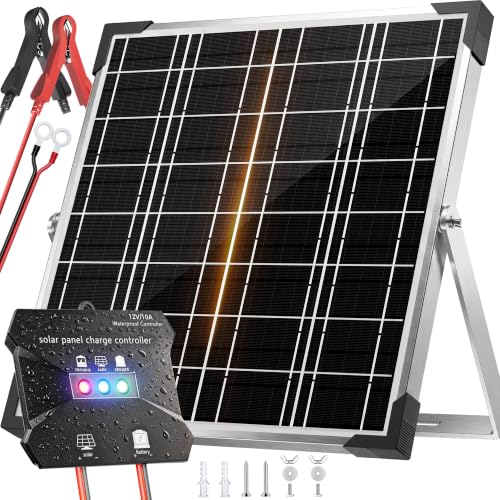
High-Efficiency MPPT Solar Charger - Advanced tracking technology delivers 20-30% faster charging for 12V batteries. A+ monocrystalline panels maximize power conversion. Perfect 20W solar trickle charger for cars, RVs, boats, and trailers. More sun captured, less time waiting.
Impact on Utility Business Models

The shift to renewable energy is fundamentally altering the dynamics of utility business models, pushing companies to rethink their strategies in an increasingly eco-conscious market. As renewable energy costs fall, utility companies must adapt or face financial instability. Regulatory reforms are essential for accurately evaluating the reliability of wind, solar, and storage options, often undervalued in traditional frameworks favoring fossil fuels. The Inflation Reduction Act encourages utilities to revise resource plans to reflect these changes.
| Factor | Impact on Business Models |
|---|---|
| Renewable Energy Costs | Decrease in overall energy costs |
| Regulatory Frameworks | Need for adaptation and innovation |
| Consumer Preferences | Shift towards sustainable energy |
This evolution demands a focus on affordable, sustainable energy solutions that empower consumers.
Recommended Products


System Components:Delivers up to 10kW power output with 120V/240V single-phase split-phase support, making it suitable for smoothly running common household appliances. The system includes 5 × 590W solar panels with a total PV capacity of 2950W, capable of generating up to 11.8 kWh per day under optimal conditions, along with one 48V 314Ah portable LiFePO₄ battery offering 16.1 kWh of energy storage. Complete with necessary cables, this all-in-one solar solution is designed for convenient setup and reliable home power support.(May 19, 2026: Upgraded from a 6 × 410W panel configuration to 5 × 590W)

Community Transition Challenges

Shifting from coal to renewable energy sources presents significant community challenges, primarily due to regulatory hurdles that often impede necessary investments, especially in rural areas. You'll find that effective community engagement is essential for managing these complexities, as demonstrated by the joint proposal between Native American Tribes and Arizona Public Service, which faced substantial regulatory obstacles despite its potential benefits. In addition, leveraging frameworks like Colorado's successful transition model, combined with financial incentives from the Inflation Reduction Act, can facilitate a more equitable and efficient move to cleaner energy solutions.
Regulatory Hurdles and Barriers
Steering through the complex landscape of regulatory hurdles can feel like an intimidating maze for communities shifting from traditional fuel sources to renewable energy. These barriers often restrict utility investments, particularly in coal-dependent communities, hindering their shift to clean energy. Key challenges include:
- Existing traditional ratemaking principles that impede necessary investments in renewable projects.
- Regulatory frameworks that complicate the implementation of incentives from initiatives like the Inflation Reduction Act (IRA).
- A lack of centralized engagement and funding distribution, as seen in successful models like Colorado's.
Navigating these regulatory hurdles is essential for effective investment in energy infrastructure, ensuring a just shift toward renewable energy that can empower communities seeking freedom from reliance on fossil fuels.
Community Engagement Necessity
Maneuvering regulatory hurdles is only part of the challenge coal-dependent communities face in moving toward renewable energy. Effective community engagement is essential for a just shift, ensuring that local voices shape the change from traditional energy resources to affordable clean energy. Establishing a centralized body for community engagement and fund distribution can address barriers that impede these shifts. Successful models, like Colorado's, emphasize inclusive stakeholder participation, fostering collaboration between government, industry, and local communities. The Inflation Reduction Act's incentives highlight the need for targeted engagement, which not only facilitates smoother shifts but also stimulates local economies. By prioritizing community-driven approaches, coal-dependent communities can navigate the complexities of renewable energy adoption, ensuring equitable benefits for all involved.
Grid Reliability and Infrastructure

Grid reliability is a fundamental factor in the shift from traditional fuel sources to renewable energy. As you consider this change, it's important to acknowledge the challenges posed by intermittent renewable sources like solar and wind. The North American Electric Reliability Corporation (NERC) highlights that maintaining a stable grid requires an integrated approach that combines various elements:
- Upgrades to existing coal plants to meet reliability standards
- Improved transmission infrastructure to accommodate a growing renewable capacity
- A mix of dispatchable resources and energy storage solutions
With interconnection queues overflowing and potential retirements of up to 100 GW of coal plants, strategic planning is essential to guarantee that grid reliability remains intact throughout this critical change.
Recommended Products

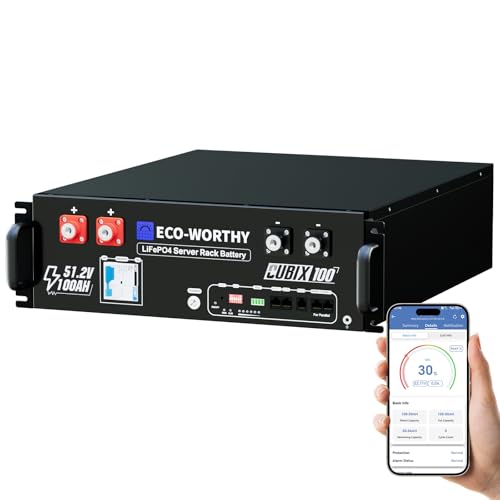
UL9540 | UL1973 | CEC LISTED - Completed comprehensive testing by Intertek and has officially earned three key North American safety certifications.And has met the standards set by the California Energy Commission.The outstanding performance in design, electrical safety, and thermal runaway management,providing users with greater quality assurance.

This product does not sell standalone lithium-ion batteries. LITHIUM BATTERY MANAGEMENT SYSTEM: Provides comprehensive protection including low voltage cutoff, high voltage cutoff, short circuit protection, and temperature protection for increased performance and extended life of your 16S 48 volt 250 amp battery systems.
Future Outlook for Renewable Energy

As the challenges of grid reliability continue to shape the energy landscape, the future of renewable energy looks increasingly promising. With technological advancements driving down costs, renewable sources like solar and wind are projected to become the cheapest options for new energy generation. You can expect a significant shift to renewable energy, which is estimated to save you around $500 annually while reducing energy prices. As global investments soared to over $300 billion in 2022, the move towards affordable clean energy becomes crucial for public health and combating climate change. Despite fossil fuel subsidies totaling approximately $620 billion in 2023, changing to renewable energy could decrease operational costs by over 50% within the next decade, making it not just feasible but essential for sustainable progress.
Frequently Asked Questions
Is Renewable Energy Cheaper Than Traditional Energy?
You'll find that renewable energy often offers a better cost comparison, with long-term savings due to technological advancements, government incentives, and market trends. Plus, its positive environmental impact enhances energy efficiency for a freer, sustainable future.
Is It Cheaper to Use Fossil Fuels or Renewable Energy?
It's essential to evaluate the cost comparison between fossil fuels and renewables. While initial costs vary, long-term savings, environmental impact, government incentives, and technological advancements favor renewables, promoting energy independence amidst market fluctuations. You deserve freedom in choices!
What Is the Cheapest Energy Source?
When you consider energy sources, hydroelectric power stands out as the cheapest option. With its benefits, coupled with solar panel costs and wind turbine efficiency, it's a clear path to energy freedom, especially with government incentives.
Is Renewable Energy More Expensive Than Natural Gas?
You're likely noticing a cost comparison favoring renewables over natural gas. Market trends and technology advancements, combined with government subsidies, enhance long-term savings and investment potential, making renewable energy an efficient choice for your freedom.


