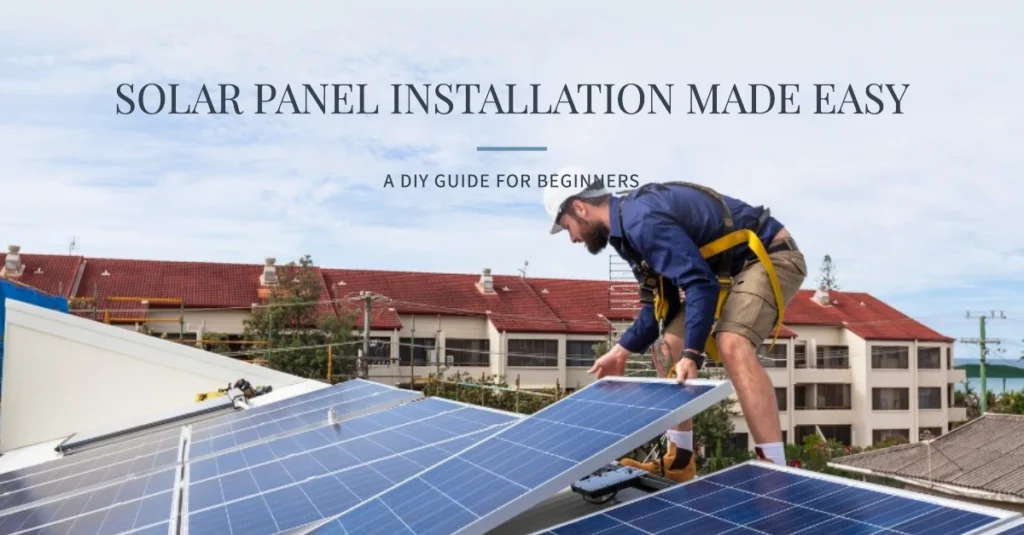
Are you thinking about installing solar panels on your home? Doing it yourself can save money compared to hiring a professional solar installer. This guide will walk you through the DIY solar panel installation process step-by-step.


Why Install Solar Panels Yourself?
There are a few reasons you might want to install your own solar panels:
- Save money on installation costs
- Learn about how solar power systems work
- Have full control over your solar project
- Feel accomplished completing the installation yourself
However, DIY solar isn’t for everyone. It requires some electrical and construction skills. You’ll also need to do a lot of planning and get the required permits.
Planning Your DIY Solar Installation
Before you start installing solar panels, there are several things you need to do:
- Check if your roof is suitable for solar. It needs to be in good condition, face the right direction, and have enough space.
- Figure out how many solar panels you’ll need based on your electricity usage. You can use a solar calculator for this.
- Get the required permits from your local government.
- Purchase your solar equipment, including panels, inverters, racking, and wiring.
- Gather the necessary tools, such as a drill, wrenches, and safety gear.
Recommended Products

-DIY SOLAR INSTALLATION : Quick and straightforward.Featuring height-adjustable design, it securely fits all standard framed PV panels from 30mm to 35mm thick.Ideal for building off-grid power solutions, it's perfect for cabins, RVs, boats, and homes, and is specifically designed for side-by-side installation of 2 solar panels.

【High-Capacity & Multi-Panel Compatibility】 A professional solution for extensive solar configurations. Includes 12 heavy-duty 47.2" rails (forms six 7.9ft sections), 10 connectors, 12 L-brackets, 8 end clamps, and 16 mid-clamps. Optimized for mounting various arrays: fits up to 11 units of 100W panels (22.8"W), 10 units of 200W panels (26.8"W), or 7 units of 320W panels (34.7"W). Provides a stable foundation for your renewable energy project. (Note: Solar panels are not included).

Product Includes: a kit containing 8 L-Foot mounts with flashing, complete with bolts and hardware, specifically designed for asphalt shingle and composite tile roofs, compatible with most common photovoltaic rails, meeting the installation needs of residential solar modules
Solar Panel Installation Process
Once you have everything ready, follow these steps to install your solar panels.
Recommended Products

Product Includes: a kit containing 8 L-shaped brackets and flash baffles, complete with bolts and hardware, specifically designed for asphalt shingle and composite tile roofs, compatible with most common photovoltaic rails, meeting the installation needs of residential solar modules
【Professional 10-Panel Mounting Kit】 High-output solution for large solar arrays. Includes 16 high-strength 47.2" rails (forms eight 7.9ft sections), 14 connectors, 16 L-brackets, 10 end clamps, and 26 mid-clamps. Optimized for mounting various arrays: fits up to 15 units of 100W panels (22.8"W), 13 units of 200W panels (26.8"W), or 10 units of 320W panels (34.7"W). Provides a heavy-duty foundation for large-scale energy projects. (Note: Solar panels are not included).
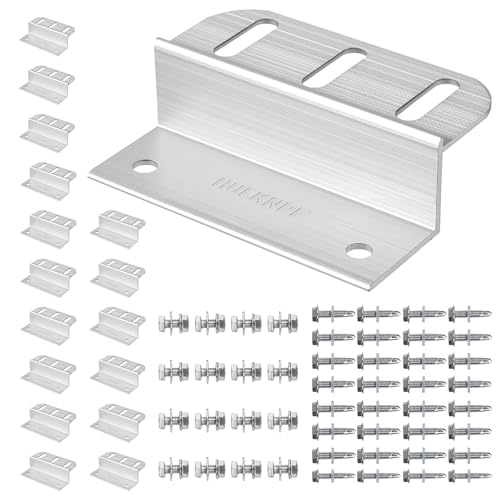
Durable & Wind-Resistant Build: Crafted from corrosion-resistant aluminum alloy, these heavy-duty Z brackets provide long-lasting, stable performance and withstand high winds for outdoor solar installations.
Step 1: Install Roof Anchors and Racking

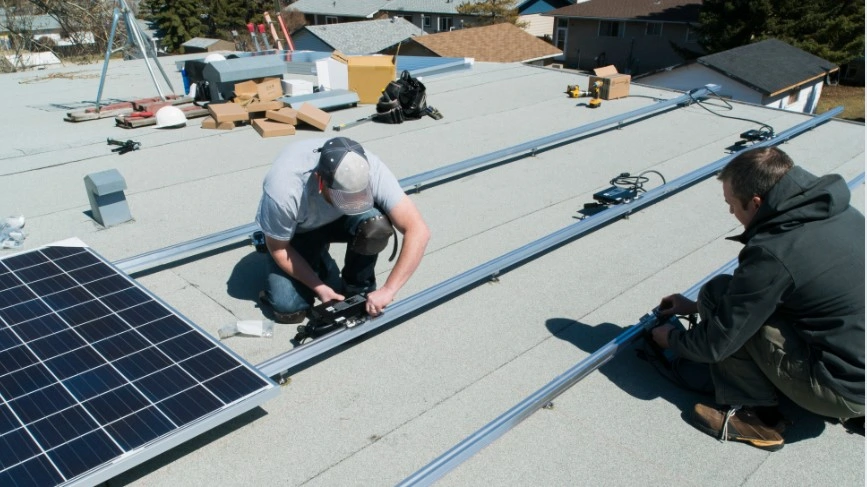
Start by attaching anchors to your roof rafters to secure the racking system. Then, install the racking rails according to the manufacturer’s instructions. Make sure everything is straight and level.
Step 2: Mount the Solar Panels
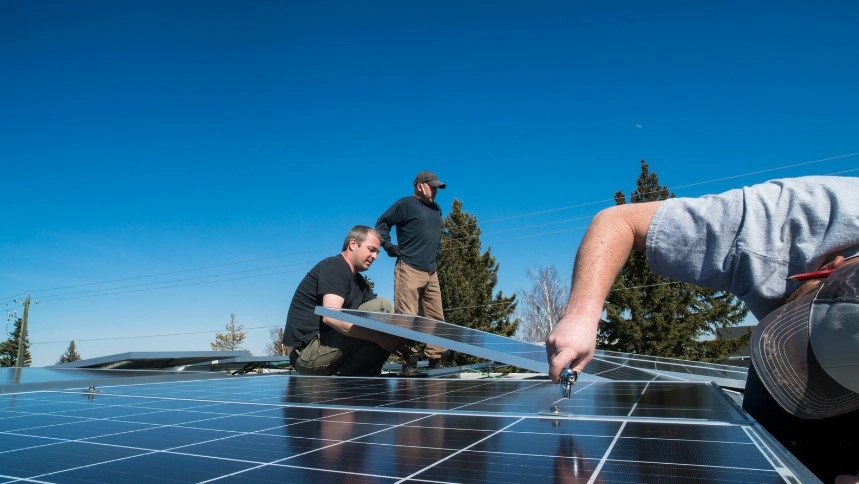
Next, attach the solar panels to the racking using clamps. Refer to your solar panel’s installation manual for specific instructions. Most panels are mounted using bolts and clamps.
Step 3: Connect the Solar Panels
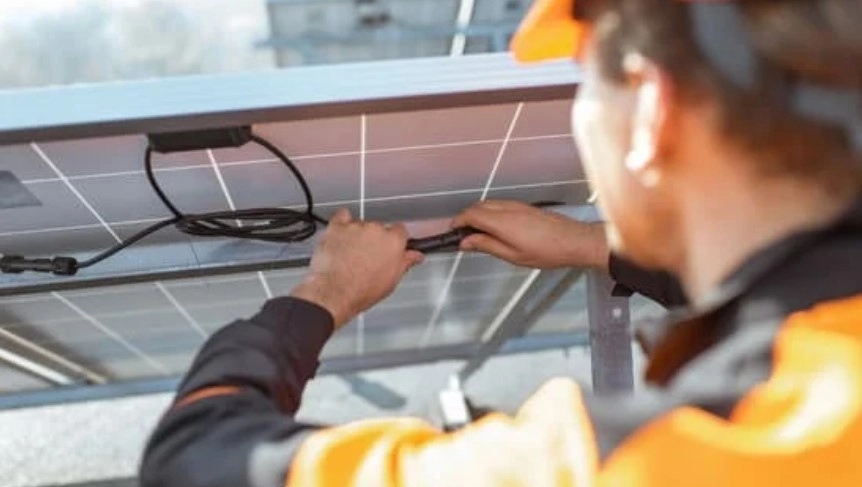
With the panels mounted, you can now connect the wiring. Use MC4 connectors to wire the panels together in strings. Then, run the wires from the panels into your attic or crawl space.
Step 4: Install the Inverter and Battery
The inverter converts the DC power generated by the solar panels into AC power for your home. Follow the installation guide to properly wire the inverter to the panels and your main electrical panel. If you’re including a battery for energy storage, install that now too.
Step 5: Get Final Inspection and Approval
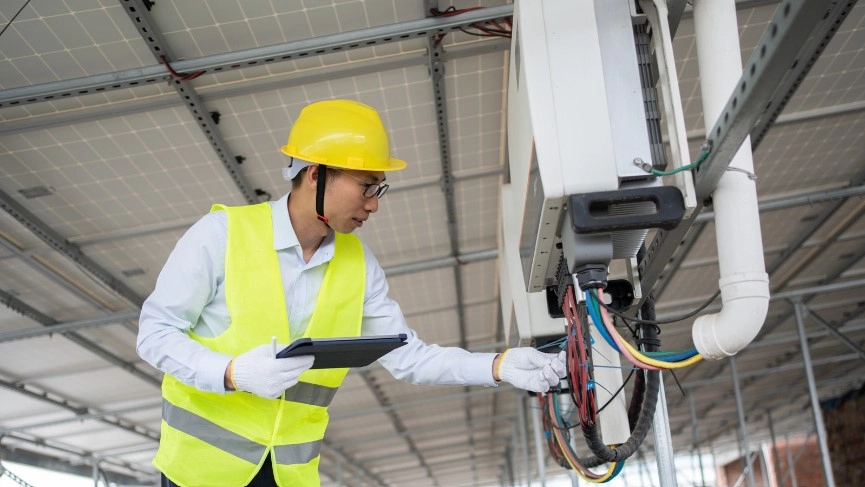
With the system wired up, you’ll need to have it inspected by a certified electrician and the city inspector. They’ll make sure everything is up to code. Once approved, you can connect it to the grid and start generating solar power for your home.
Troubleshooting Common DIY Solar Issues
Even with careful installation, issues can pop up. Here are some common problems and solutions:
| Problem | Possible Causes | Solutions |
|---|---|---|
| No power generation | Loose wiring, faulty inverter, shading | Check all connections, test inverter, remove obstructions |
| Low power output | Dirty panels, partial shading, weak batteries | Clean panels, trim trees, check battery health |
| Inverter errors | Overheating, loose wiring, exceeded voltage | Provide ventilation, check connections, review inverter specs |
| Roof leaks | Improper sealing around roof anchors | Add sealant or flashing around mounting points |
If you can’t resolve the issue yourself, contact a professional solar installer for help. Many offer troubleshooting and repair services.
Recommended Products

- FITS MOST STANDARD SOLAR PANELS : Fits standard 350W ~ 550W solar panels—the most common choice for homes. Securely mounts up to 4 standard solar panels side-by-side. Compatible with aluminum frames 1.18" to 1.38" (30mm to 35mm) thick. Complete hardware included—ready to install.
Product Includes: a kit containing 12 L-shaped brackets and flash baffles, complete with bolts and hardware, specifically designed for asphalt shingle and composite tile roofs, compatible with most common photovoltaic rails, meeting the installation needs of residential solar modules
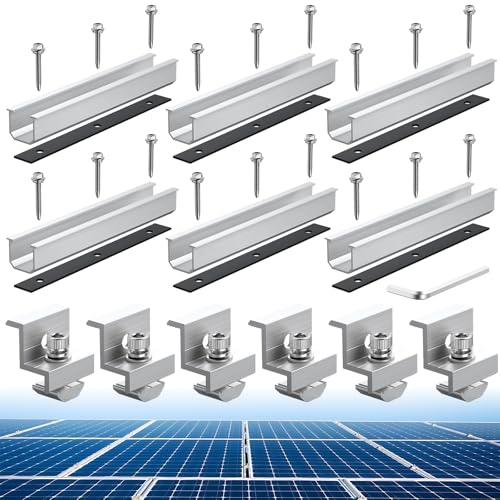
Easy to Install: Z-type, easy to install, save time and effort. This solar panel roof mounting kit create a strong connection between the panels. This type of installation reduces the impact of the weight of the PV system on the suction of the roof covering
Is DIY Solar Panel Installation Right for You?
Installing solar panels yourself can be very rewarding, but it’s also a big undertaking. Consider these factors before starting a DIY solar project:
- Your skills and comfort with electrical and roof work
- Complexity of your desired system design
- Available time to complete the project
- Savings compared to a professional installation
- Access to help if needed
If you’re uncertain, getting quotes from local solar companies is a good idea. Compare the cost and benefits to decide if DIY is worth it for you. Going solar is a great investment either way!
FAQs:
Q: What should I consider when planning a DIY solar panel installation?
A: When planning a DIY solar panel installation, consider factors such as the type of solar panels, weight of the solar system, and the size of your system. Additionally, follow the installation instructions closely and ensure you have the necessary tools and safety equipment. It’s also essential to understand the basics of electrical wiring and rooftop structure.
Q: How do I determine the best type of solar panels for my project?
A: The best type of solar panels for your project depends on various factors, including your budget, roof space, and energy needs. Consider the efficiency, cost, and durability of different types of solar panels, such as monocrystalline, polycrystalline, and thin-film panels. Researching the best solar panels for your specific requirements can help you make an informed decision.
Q: What are the steps involved in the solar panel installation process?
A: The solar panel installation process typically involves several major steps: site assessment, purchasing the solar panel kit, assembling the solar array, mounting the panels on your roof or ground, setting up the solar inverter, and connecting the solar energy system to your home’s electrical panel. Following a detailed solar panel installation guide can ensure a smooth installation project.
Q: How important is the selection of solar installation companies if I need professional help?
A: Selecting reputable solar installation companies is crucial if you need professional help. They can provide expertise, ensure the quality and safety of the installation, and help with necessary permits and inspections. Research and find a solar installer with good reviews and experience in handling similar solar installation projects.
Q: What role does a solar battery play in a solar power system?
A: A solar battery stores excess solar energy generated by your solar panels. This stored energy can be used during times when solar power production is low, such as at night or on cloudy days. Including a battery installation in your solar power system can increase your energy independence and reduce reliance on the grid.
Q: Can I install a solar panel system on any type of roof?
A: Most types of roofs can support a solar energy system, but the ease and cost of installation can vary. Flat roofs, pitched roofs, and metal roofs are commonly suitable for solar panel installation. However, roofs made of clay tiles or those in poor condition may require additional mounting solutions or repairs. It’s essential to assess your roof’s structural integrity and weight-bearing capacity before proceeding.
Q: What permits and approvals are required for installing a solar panel system?
A: Installing a solar panel system usually requires permits and inspections to comply with local building codes and regulations. This may include electrical permits, building permits, and utility interconnection agreements. Contact your local government and utility company to understand the specific requirements and ensure you have all necessary approvals before beginning the actual installation.
Q: What are the benefits of choosing to go solar?
A: Choosing to go solar offers numerous benefits, including significant savings on electricity bills, reducing your carbon footprint, and increasing your home’s value. A solar energy system provides a renewable and sustainable source of power, contributing to environmental conservation and energy independence. Additionally, many regions offer incentives, rebates, and tax credits for solar panel installations.
Q: What types of solar systems are available for DIY installations?
A: There are several types of solar systems available for DIY installations, including off-grid solar systems, grid-tied systems, and hybrid systems. Off-grid systems are ideal for remote locations without access to the utility grid, grid-tied systems allow you to remain connected to the grid, and hybrid systems combine both functionalities with added battery storage for flexibility and backup power.
Recommended Products


The 10 Watt Solar Panel Kit is an excellent option to use as an alternative source that allows for increased power that maximizes sunlight for increased usage for your Mighty Mule or GTO/Pro Automatic Gate Opener.

Q: What should I do if I encounter issues during the installation of a solar panel system?
A: If you encounter issues during the installation of a solar panel system, refer to the solar panel installation guide for troubleshooting tips. Common issues may include incorrect wiring, faulty connections, or shading on solar panels. If the problem persists, it may be beneficial to consult with professional solar installation companies or seek assistance from the manufacturer of your solar panel kit to ensure your system is installed correctly and safely.