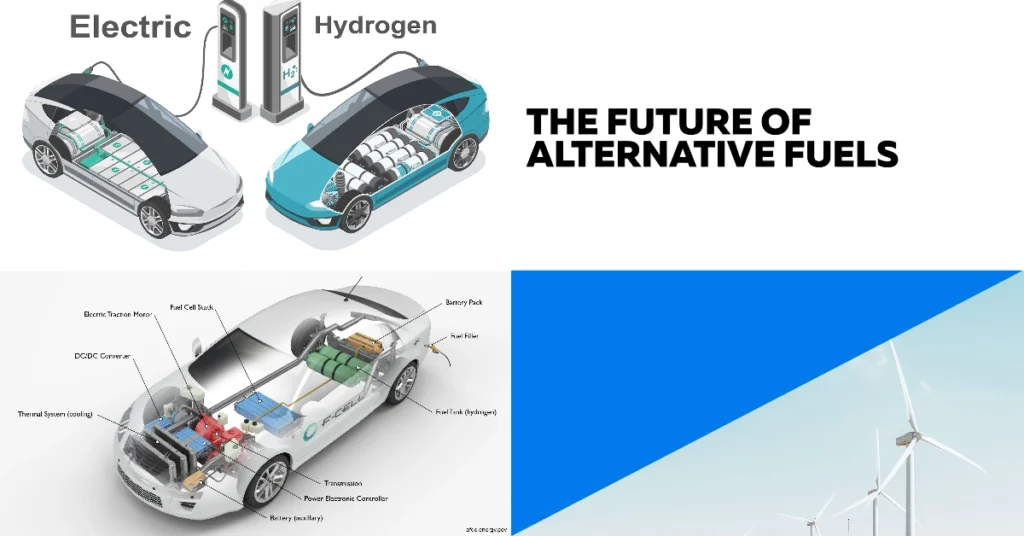
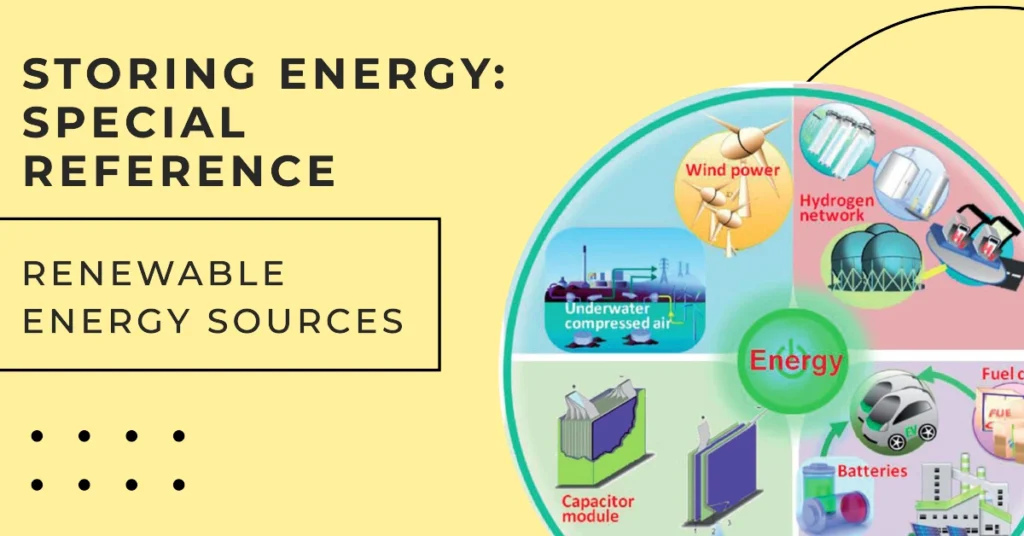
In today’s world, the debate between renewable energy and fossil fuels is more relevant than ever. As we face the challenges of climate change and environmental degradation, understanding the differences between these energy sources is crucial. This article will explore why green energy is better than fossil fuels, focusing on various aspects such as environmental impact, cost, and sustainability.
What are Fossil Fuels?
You may be interested



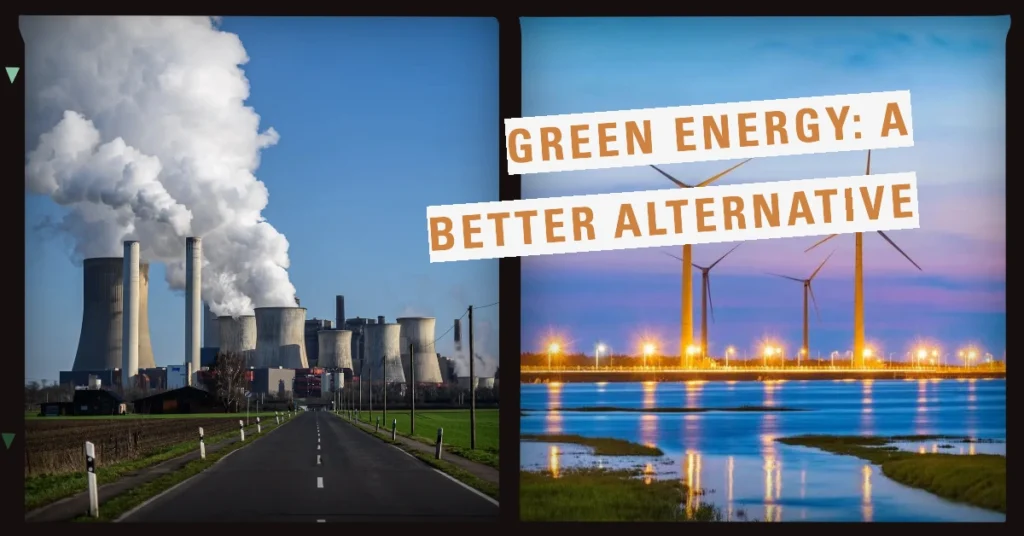
Fossil fuels, including coal, oil, and natural gas, are non-renewable energy sources formed from the remains of plants and animals that lived millions of years ago. When burned, they release carbon dioxide (CO₂) and other greenhouse gases, contributing to global warming and air pollution.
Types of Fossil Fuels
- Coal: Used primarily for electricity generation.
- Oil: Used mainly for transportation and heating.
- Natural Gas: Used for heating, electricity generation, and as an industrial feedstock.
What is Renewable Energy?
Renewable energy comes from natural sources that can be replenished within a human lifetime. These sources include solar, wind, hydro, geothermal, and biomass. Unlike fossil fuels, renewable energy sources do not emit CO₂ when generating power, making them cleaner and more sustainable.
Recommended Products

Portable Generator with 60W Solar Panel Included: with a big battery pack, ZeroKor 300W solar powered generator are powerful enough to charge smartphones,tablets,laptops,headphones or other outdoor small camping supplies(Tips:Using electrical appliances over 300W may damage the portable solar generator, especially some devices that are prone to heat or built-in air compressor such as coffee maker,Hair dryer, water pump etc )

![The DIY Off Grid Solar Power Bible: [10 in 1] The Most Complete and Updated Guide to Design, Install, and Maintain Solar Energy Systems for Tiny Homes, Cabins, Rvs, and Boats](https://m.media-amazon.com/images/I/517BdaiBePL._SL500_.jpg)
Types of Renewable Energy
- Solar Energy: Harnessed from the sun using solar panels.
- Wind Energy: Generated by wind turbines.
- Hydro Energy: Produced from the flow of water.
- Geothermal Energy: Derived from the Earth’s internal heat.
- Biomass Energy: Created from organic materials.
Environmental Impact
Fossil Fuels
Fossil fuels have significant environmental consequences. Burning fossil fuels releases large amounts of CO₂, a major contributor to global warming. Additionally, fossil fuel extraction and processing can lead to land degradation, water pollution, and habitat destruction.
Renewable Energy
Renewable energy sources have a minimal environmental impact. Solar and wind power, for example, do not produce greenhouse gas emissions during operation. While the manufacturing and installation of renewable energy systems do have some environmental footprint, it is significantly lower than that of fossil fuels.
Cost Comparison
Recommended Products

[Powerful Energy Generation]The Premium 400W Kit can produce an average of 1.6KWH of electricity per day (depending on sunlight availability). Each solar panel comes with a pair of 35 inches cables. By-pass diodes are pre-installed in waterproof IP-65 rated junction box to minimize power drop caused by shade and ensure excellent performance in low-light environments.


💚 NEW DESIGN EMERGENCY POWER SUPPLY 💚 Keep your ordinary electricity need in the hurricane, snowstorm time, Combine the charging and lighting, with anti-reflective and high-transparency. This is a completely independent off-grid power system.
Fossil Fuels
The cost of fossil fuels can vary widely. For example, the price of electricity from coal can range from $0.05 to $0.18 per kilowatt-hour (kWh). Fossil fuels also have hidden costs, such as environmental damage and health impacts, which are not reflected in their market price.
Renewable Energy
Renewable energy has become increasingly cost-competitive. The cost of solar power has dropped significantly, with prices as low as $0.10 per kWh. Wind energy is also affordable, with costs ranging from $0.03 to $0.099 per kWh. Over time, renewable energy is projected to become even cheaper as technology improves and economies of scale are achieved.
Sustainability
Fossil Fuels
Fossil fuels are finite resources that will eventually run out. Their extraction and use are not sustainable in the long term. Additionally, the environmental damage caused by fossil fuels makes them an unsustainable choice for future energy needs.
Renewable Energy
Renewable energy sources are virtually inexhaustible. The sun will always shine, and the wind will always blow. By investing in renewable energy, we can create a sustainable energy future that reduces our reliance on finite resources and minimizes environmental harm.
Health and Safety
Fossil Fuels
The combustion of fossil fuels releases pollutants that can harm human health. Air pollution from fossil fuels is linked to respiratory diseases, cardiovascular problems, and premature death. Additionally, fossil fuel extraction processes, such as coal mining and oil drilling, pose significant safety risks to workers.
Renewable Energy
Renewable energy sources are much safer for human health. They do not produce harmful emissions during operation, reducing the risk of respiratory and cardiovascular diseases. Moreover, renewable energy projects, such as solar and wind farms, have lower safety risks compared to fossil fuel extraction.
Job Creation
Fossil Fuels
The fossil fuel industry has traditionally been a significant source of employment. However, as the world transitions to cleaner energy sources, jobs in the fossil fuel sector are expected to decline.
Renewable Energy
Renewable energy creates more jobs per unit of energy produced compared to fossil fuels. The renewable energy sector is rapidly growing, offering a wide range of employment opportunities in manufacturing, installation, maintenance, and research and development.
Energy Independence
Recommended Products
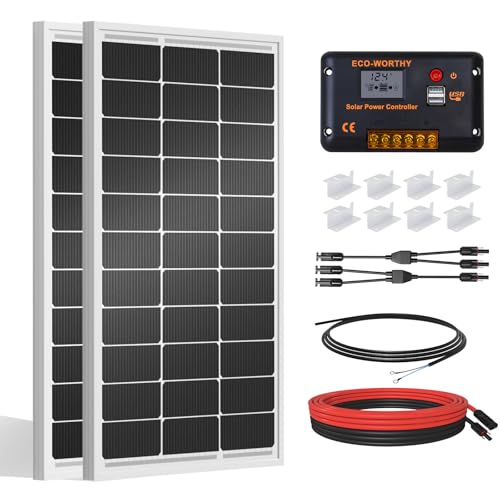
[Wide Application]: Daily Output 800wh/day under 4 hours full sunshine condition. Perfect for RV, Caravan, Marine, Camper, Electric scooter, Golf Carts, Power wheels, Trolling motor, Tool trailer, Backup power supply for cabin shed home etc.

Max Battery Voltage: 32V

System Components:Delivers up to 10kW power output with 120V/240V single-phase split-phase support, making it suitable for smoothly running common household appliances. The system includes 5 × 590W solar panels with a total PV capacity of 2950W, capable of generating up to 11.8 kWh per day under optimal conditions, along with one 48V 314Ah portable LiFePO₄ battery offering 16.1 kWh of energy storage. Complete with necessary cables, this all-in-one solar solution is designed for convenient setup and reliable home power support.(May 19, 2026: Upgraded from a 6 × 410W panel configuration to 5 × 590W)
Fossil Fuels
Many countries rely on imported fossil fuels, making them vulnerable to supply disruptions and price volatility. This dependence on foreign energy sources can have economic and geopolitical implications.
Renewable Energy
Renewable energy can enhance energy independence by utilizing local resources. Solar, wind, and other renewable energy sources can be harnessed domestically, reducing reliance on imported fuels and increasing energy security.
Conclusion
In conclusion, renewable energy offers numerous advantages over fossil fuels. It is cleaner, more sustainable, and increasingly cost-competitive. By transitioning to renewable energy, we can reduce our environmental impact, improve public health, create jobs, and enhance energy independence. The future of energy lies in harnessing the power of the sun, wind, and other renewable resources to build a cleaner, more sustainable world.
Summary Table
| Aspect | Fossil Fuels | Renewable Energy |
| Environmental Impact | High CO₂ emissions, pollution, habitat destruction | Low emissions, minimal environmental footprint |
| Cost | $0.05 to $0.18 per kWh | $0.03 to $0.10 per kWh |
| Sustainability | Finite resources, unsustainable | Virtually inexhaustible, sustainable |
| Health and Safety | Air pollution, health risks, safety hazards | Clean air, lower health risks, safer operations |
| Job Creation | Declining employment | Growing employment opportunities |
| Energy Independence | Dependent on imports, price volatility | Local resources, increased energy security |
By understanding the benefits of renewable energy over fossil fuels, we can make informed decisions that support a cleaner, healthier, and more sustainable future.