
To assess the effects of green energy subsidies effectively, start by understanding the current economic context, including the disparities in benefits among different income groups. Evaluate household impacts, particularly how rising energy costs exacerbate energy poverty for low-income families. Perform a thorough distributional analysis to identify inequities. Examine various government subsidy mechanisms, such as cash transfers and tax incentives, and explore their environmental benefits, like reduced greenhouse gas emissions. Review real-world case studies for practical insights. Finally, engage stakeholders actively, implement gradual reforms, and monitor long-term outcomes to guarantee sustainability, which will enhance your overall assessment strategy.
Key Takeaways
- Conduct comprehensive distributional analyses to identify how subsidies impact different income groups, ensuring equitable benefits for low-income households.
- Implement targeted support mechanisms, such as cash transfers and energy vouchers, to protect vulnerable populations from energy poverty during subsidy reforms.
- Utilize sensitivity analysis, including Monte-Carlo simulations, to evaluate the effectiveness of subsidy schemes under various scenarios and externalities.
- Engage stakeholders throughout the reform process to gather insights and foster community support, enhancing the sustainability of subsidy policies.
- Learn from successful and failed subsidy reforms — and track how U.S. federal incentives like the residential solar credit have changed — to create context-specific strategies that minimize adverse impacts on households.
Understand the Economic Context
You may be interested

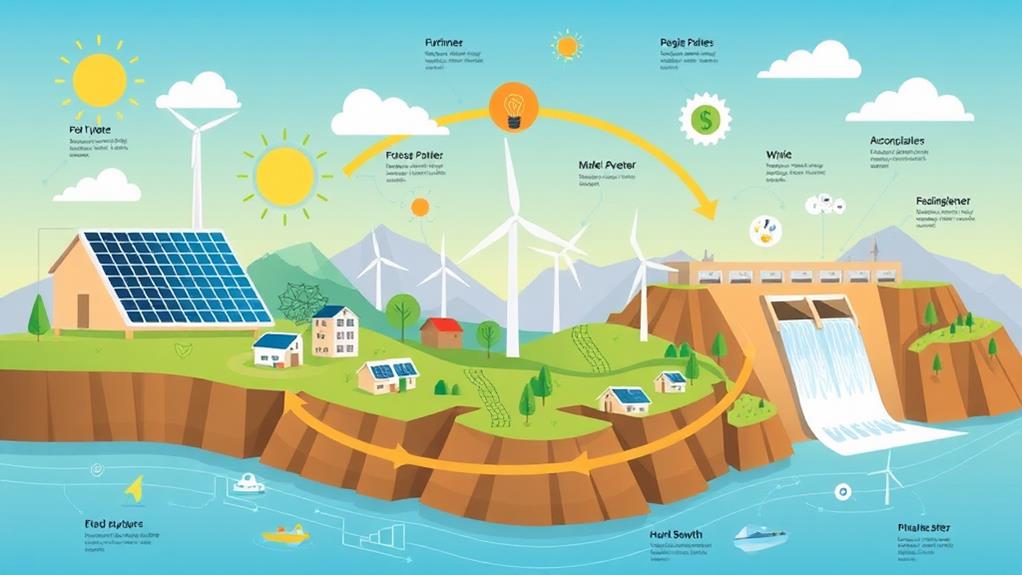

As countries grapple with the pressing need for sustainable energy, understanding the economic context of green energy subsidies becomes essential. According to the International Energy Agency (IEA), global fossil-fuel consumption subsidies totaled roughly $620 billion in 2023 — down sharply from the record $1 trillion-plus peak in 2022, but still highlighting the stark financial disparities that continue to favor traditional energy sources over renewables. Separately, the OECD reports that combined government support for fossil fuels across its tracked economies remained high through 2026, even after a roughly 10% year-over-year decline. Emerging economies must navigate the complex terrain of energy subsidy reforms while addressing pressing poverty concerns, as these subsidies often disproportionately benefit wealthier households that consume more energy overall. The political context greatly influences the success of these reforms, with public pressure and stakeholder engagement shaping policy outcomes. Meanwhile, in the United States, the policy landscape for clean energy incentives has itself shifted: under the 2026 One Big Beautiful Bill Act, the residential Section 25D federal solar tax credit is being phased out for systems installed after December 31, 2026, which changes the calculus for households weighing a shift toward on-site renewables. By thoroughly analyzing these factors, you can better appreciate the nuances of shifting to greener energy solutions — see our guide to residential solar installation costs for how that shift pencils out for homeowners.
Evaluate Household Impact
Energy affordability remains a significant challenge for many households, particularly those in vulnerable positions, as rising costs exacerbate energy poverty. While energy subsidies can alleviate some of this financial burden, they often favor higher-income households due to their greater consumption levels, leaving low and middle-income families at a disadvantage. To address these disparities, targeted support mechanisms are essential, ensuring that reforms not only consider economic growth but also protect the most affected populations from adverse impacts.
Recommended Products

⚡ EASY INSTALLATION: Installs in circuit panel of most homes with clamp-on sensors. Supports single-phase up to 240VAC line-neutral; single, split-phase 120/240VAC; and three-phase up to 415Y/240VAC (no Delta). The branch lines can automatically match different phases and have no restrictions in terms of quantity and voltage.Panels with access only to busbars will need flexible sensors available from SEM-Meter.

SAFE & RELIABLE: Meross smart energy consumption monitor is ETL‑certified and compliant with the UL 61010 testing standard, ensuring safe and reliable home energy monitoring. Works with most US homes: single-phase 2-wire systems, single-split phase 3-wire systems, and 3-phase 4-wire Wye systems with earthed (TN or TT) neutral (no Delta). Easy clamp‑on design installs in minutes. Invert CT readings in the app—no physical flipping. PROTECTED BY 2-YEAR WARRANTY for worry-free use.
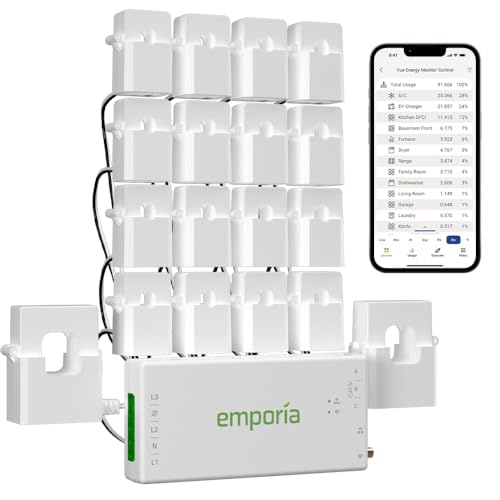
SAFETY YOU CAN TRUST WITH UL CERTIFICATION: With Emporia Energy, your home energy monitoring is safe, reliable, and certified. The Emporia Vue is UL Listed, meaning it has met rigorous safety standards for electrical products in the U.S. and Canada. This certification ensures that every component has been thoroughly tested to prevent hazards, such as overheating, short-circuiting, or fire, offering you peace of mind as you manage your home’s energy consumption.
Energy Affordability Challenges
Facing rising energy costs can be intimidating for low-income households, often pushing them into energy poverty. Energy affordability remains a critical issue in both developing and developed economies, where soaring prices disrupt daily living and small business operations. While energy subsidies can lower household bills, they often disproportionately benefit higher-income households, as they consume more energy. To address this disparity, effective subsidy reforms must be implemented, ensuring that low-income households receive targeted support. A thorough distributional analysis is essential to identify who benefits from existing subsidies and to design interventions that cushion vulnerable populations from the adverse impacts of potential reforms. Without careful consideration, these households might face increased energy costs, exacerbating their financial struggles.
Vulnerable Households’ Burden
Rising energy costs can weigh heavily on vulnerable households, pushing them deeper into energy poverty. Low-income families struggle disproportionately with affordability issues, jeopardizing their ability to meet essential energy needs. While energy subsidies can provide some relief by lowering household energy bills, they often disproportionately benefit higher-income households, leaving vulnerable families with minimal financial assistance. This inequity underscores the necessity of conducting a robust distributional analysis to evaluate the impacts of energy subsidy reforms, ensuring that lower-income households receive equitable support. Without effective government interventions and targeted support mechanisms, the risk of increased energy poverty for these vulnerable households remains a pressing concern, thereby threatening their financial stability and overall well-being. Households that do adopt renewable systems can also better manage costs by actively tracking their consumption over time.
Targeted Support Mechanisms
Targeted support mechanisms play an essential role in alleviating the financial strain that subsidy reforms can impose on low-income households. By implementing measures such as cash transfers and energy vouchers, you can guarantee that vulnerable populations maintain energy affordability amid these reforms.
| Mechanism | Impact on Low-Income Households | Long-term Benefits |
|---|---|---|
| Cash Transfers | Direct financial relief | Improved household budgets |
| Energy Vouchers | Offset energy costs | Enhanced energy access |
| Targeted Subsidies | Reduce inequities | Promote cleaner energy use |
| Educational Programs | Increase awareness | Empower informed decisions |
| Community Support | Foster resilience | Strengthen local networks |
Adopting these targeted support mechanisms not only addresses immediate equity concerns but also fosters a smoother shift to sustainable energy practices. In the U.S., state-level programs tracked by the Database of State Incentives for Renewables & Efficiency (DSIRE) remain a key resource for identifying which targeted incentives are still active as federal programs evolve — see our state-by-state solar incentives guide for details.
Analyze Distributional Effects
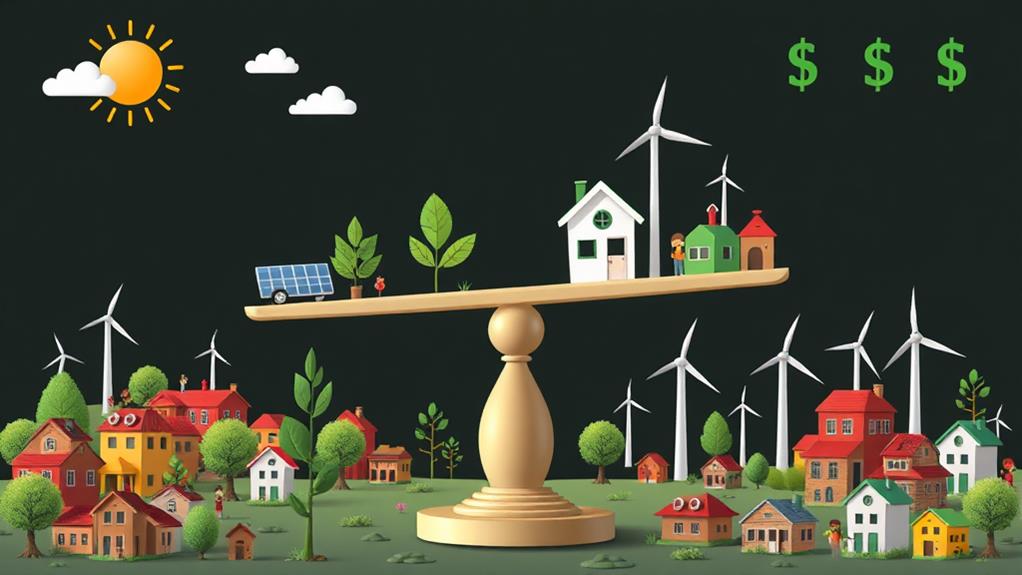
Distributional effects of green energy subsidies reveal significant disparities in benefits across different income groups. High-income households, due to their greater energy consumption and higher rates of solar and EV adoption, often reap disproportionate benefits from these subsidies, which can exacerbate income distribution issues. In contrast, low-income households face increased vulnerability to energy poverty when subsidies are removed, highlighting the need for effective energy subsidy reform. This dynamic is now playing out directly in U.S. policy: the phase-out of the Section 25D residential solar tax credit after December 31, 2026 removes a benefit that, historically, has been claimed disproportionately by higher-income, higher-tax-liability households able to front the upfront cost of a system. Tailored distributional analyses can help guarantee that any successor programs or state-level incentives target lower-income households, thereby minimizing adverse impacts. Additionally, early-stage distributional assessments are essential for designing reforms that not only protect vulnerable populations but also maximize both economic and environmental benefits, ultimately promoting a more equitable energy landscape.
Recommended Products


【High Efficiency】 : SUNGOLDPOWER 16BB N-Type 560W Bifacial monocrystalline PERC solar panel can generate more energy up to 30%
Assess Government Subsidy Mechanisms

When considering government subsidy mechanisms, it is crucial to understand the various types that exist, such as direct cash transfers, tax incentives, and price controls, all of which greatly influence energy markets. These mechanisms not only affect how energy is produced and consumed but also shape market dynamics by altering price signals and consumer behavior. By examining these impacts, you can better evaluate the efficiency and effectiveness of subsidies in promoting a shift toward sustainable energy sources while addressing the needs of different economic groups.
Recommended Products


Types of Subsidy Mechanisms
How do different government subsidy mechanisms influence the movement towards renewable energy? Understanding the types of subsidies can help you grasp their impact on fostering green energy. Here are three primary mechanisms:
- Direct Financial Assistance: Governments provide funds to support projects that promote renewable energy technologies, enhancing investments.
- Tax Incentives: These reduce the financial burden on individuals and businesses adopting renewable solutions, making it easier to shift from fossil fuels. In the U.S., the commercial and utility-scale Section 48E investment tax credit continues on a longer phase-down timeline than the now-ending residential 25D credit, per current IRS guidance.
- Feed-in Tariffs: By guaranteeing fixed payments for energy from renewable sources, these tariffs stimulate investment in green infrastructure and stabilize revenues.
With global fossil-fuel consumption subsidies still totaling roughly $620 billion in 2023 according to the IEA, it’s essential to recognize the need for well-targeted subsidy designs to effectively promote renewable energy while protecting affordability.
Impact on Energy Markets
Understanding the different types of government subsidy mechanisms lays the groundwork for evaluating their impact on energy markets. While subsidies lower energy prices, they often favor higher-income households, leading to inequitable benefits. Effective subsidy reform can enhance market competitiveness and free up substantial public resources for reinvestment in efficiency and clean infrastructure. However, sudden removal of subsidies — such as the abrupt sunset of the residential solar tax credit at the end of 2026 — may harm households that were mid-decision on a purchase, necessitating clear communication and targeted support measures during the change. The table below outlines the key impacts of subsidy mechanisms on energy markets.
| Impact Category | Positive Effects | Negative Effects |
|---|---|---|
| Energy Prices | Lower prices for consumers | Increased cost post-reform |
| Greenhouse Gas Emissions | Reduction through reform | Short-term spikes during change |
| Low-Income Households | Need for targeted support | Risk of energy poverty |
Explore Environmental Benefits

Significant environmental benefits emerge from reforming energy subsidies, particularly when countries shift their focus away from fossil fuels. By reducing reliance on fossil fuel subsidies, you can facilitate a changeover to renewable energy technologies, which leads to:
- A marked decrease in greenhouse gas emissions, contributing to climate change mitigation.
- Improved public health outcomes, as lower air pollution levels reduce healthcare costs related to pollution-induced illnesses.
- Enhanced ecosystem health, as cleaner energy sources mitigate the ecological impacts stemming from fossil fuel extraction and use.
These benefits underscore the importance of thorough policy frameworks, including stakeholder engagement and monitoring systems, to maximize the environmental benefits of energy subsidy reforms, ensuring that the changeover toward sustainable energy is both effective and equitable. For homeowners weighing whether reduced federal incentives change the underlying economics, comparing solar panel efficiency versus cost is a useful starting point.
Conduct Sensitivity Analysis
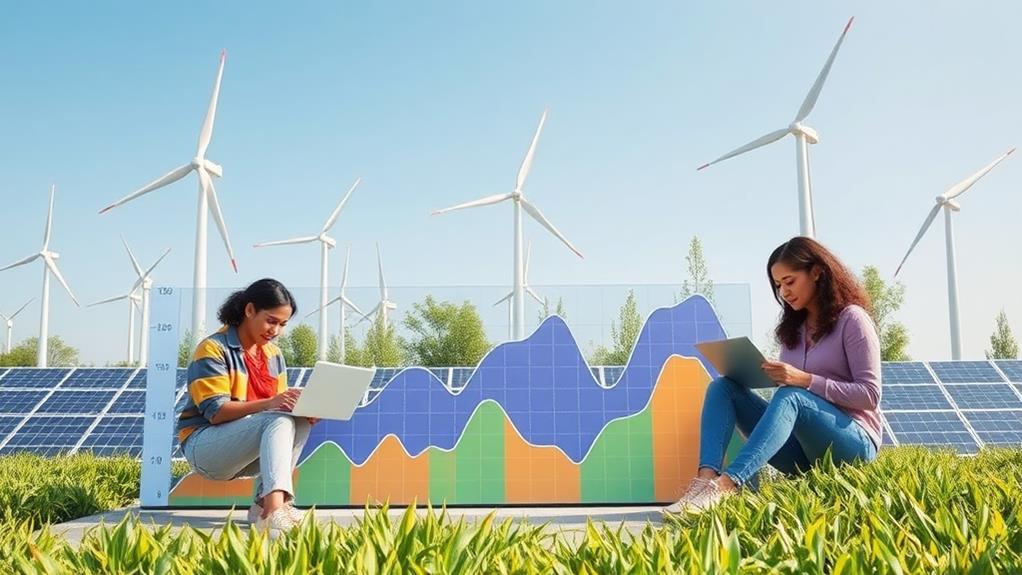
Conducting a sensitivity analysis is essential for evaluating the effectiveness of green energy subsidy schemes. By varying key parameters within economic models, you can assess how changes impact subsidy impacts, helping to identify critical factors that influence their success. Utilizing Monte-Carlo simulations allows you to run numerous scenarios with random inputs, providing a probabilistic assessment of outcomes. It’s vital to incorporate externalities, such as environmental costs, which can greatly affect the net benefits of green energy subsidies. This analysis empowers policymakers to understand the robustness of subsidy impacts under varying economic conditions, such as fluctuating energy prices, interest rates, or shifts in consumer behavior following a policy change like the 25D phase-out. Ultimately, findings from sensitivity analyses can inform adjustments to subsidy schemes, ensuring policies maximize welfare while minimizing unintended consequences.
Recommended Products


Review Case Studies
In reviewing case studies of energy subsidy reforms, you’ll find successful examples that highlight effective targeting and socioeconomic considerations, alongside cases where reforms proceeded without adequate protections for low-income households. By examining these varied outcomes, you can extract valuable lessons that inform future policy decisions and reform implementations.
Recommended Products

Successful Reform Examples
Several countries and jurisdictions have made notable strides in reforming energy subsidies, showcasing effective strategies tailored to their unique contexts. Common threads among successful reforms include:
- Improving energy subsidy targeting toward low-income quintiles, ensuring that support benefits poorer households over wealthier ones.
- Using fiscal-impact frameworks to analyze the distributional effects of energy subsidies before implementing reform, providing a robust model for evaluating who gains and who loses.
- Combining quantitative economic data with qualitative, on-the-ground insights, tailoring subsidy reform analysis to reflect context-specific realities.
These cases emphasize the importance of energy subsidy reform design that is politically and socially sustainable, incorporating targeted support mechanisms to mitigate adverse impacts on vulnerable populations while enhancing overall economic efficiency.
Lessons From Failures
Learning from past mistakes is vital when it comes to energy subsidy reforms. Multiple documented cases illustrate that poorly targeted subsidies can worsen energy poverty among low-income households, highlighting the need for reform efforts to help vulnerable populations. Experience across reform efforts underscores the necessity of combining quantitative data with qualitative insights, as relying solely on numerical analysis can neglect significant social dimensions. In several cases, adaptability of modeling approaches amid data constraints has proven important for flexible reform strategies. Furthermore, lessons from failed reforms stress that sudden subsidy removals — like the hard December 31, 2026 cutoff for the U.S. residential solar tax credit — can create abrupt demand shocks and exacerbate economic inequalities, necessitating gradual implementations and robust stakeholder engagement wherever possible. Thorough distributional analysis is essential to guarantee that socially sustainable reforms don’t disproportionately disadvantage lower-income households.
Engage Stakeholders Effectively

Effective stakeholder engagement is important for successful green energy subsidy reforms. By engaging stakeholders, you build public support and guarantee diverse perspectives inform decision-making. To achieve this, consider the following steps:
- Identify Key Groups: Recognize local communities, industry representatives, and environmental organizations as essential participants in the process.
- Utilize Consultations: Conduct workshops and surveys to gather input on subsidy impacts, allowing for informed and equitable policy designs.
- Communicate Transparently: Clearly outline the objectives, processes, and expected outcomes of subsidy reforms to foster trust and collaboration.
Continuous engagement throughout the reform process is imperative, as it allows for adaptability to changing needs and circumstances, ultimately leading to more sustainable and effective subsidy reforms. Community-based models are one practical way stakeholders keep clean energy accessible even as individual federal credits change.
Monitor Long-Term Outcomes

Engaging stakeholders sets the stage for monitoring long-term outcomes of green energy subsidies. By evaluating the effectiveness of these subsidies over time, you can gather critical data on their impact on renewable energy adoption and greenhouse gas emissions. Monitoring health outcomes, particularly related to air quality improvements, can reveal the public health benefits resulting from reduced fossil fuel reliance. Continuous data collection is necessary to observe shifts in investment toward green technologies and industries, ensuring that you remain informed about the economic implications of subsidy removal — including how the loss of the residential 25D credit after 2026 affects household adoption rates and financing choices, such as those covered in our solar financing options comparison. Stakeholder engagement throughout this process enhances transparency and fosters support for long-term objectives.
Reform Implementation Strategies

Successful reform implementation strategies hinge on a thorough grasp of the political landscape. Understanding the political context is essential for maneuvering resistance during the reform of energy subsidies. Here are three key strategies to take into account:
- Stakeholder Engagement: Actively involve diverse groups throughout the reform process to guarantee that various perspectives are acknowledged, fostering public support.
- Analytical Approaches: Utilize tools like Computable General Equilibrium (CGE) models to provide data-driven insights into the potential impacts of subsidy reforms on energy consumption and emissions.
- Gradual Phase-Out: Implement a gradual phase-out of subsidies to minimize economic shocks for low-income households, allowing time for alternative support measures to be established.
Monitoring and evaluation systems should also be in place to assess effectiveness and adapt based on real-world feedback.
Frequently Asked Questions
How Do Subsidies Affect Renewable Energy?
Subsidies enhance cost efficiency for renewable energy, shifting market dynamics in your favor. They create policy implications that support sustainable practices, ultimately leading to a positive environmental impact and greater freedom from fossil fuel dependency.
What Are the Disadvantages of Energy Subsidies?
Energy subsidies create a fiscal burden, distort markets, and lead to resource misallocation. You might find that they foster long-term dependency, hindering innovation and freedom in the energy sector, ultimately stifling sustainable growth and progress.
Is the Federal Residential Solar Tax Credit Still Available?
No — under the One Big Beautiful Bill Act, the Section 25D residential clean energy tax credit is being terminated for systems installed after December 31, 2026. Homeowners who complete installation on or before that date can still claim the credit; after that, the residential credit is no longer available, though separate commercial and utility-scale incentives under Section 48E follow a different timeline. Always confirm current status on IRS.gov before making purchase decisions.
How Large Are Global Fossil Fuel Subsidies Today?
According to the IEA, global fossil-fuel consumption subsidies totaled about $620 billion in 2023, down from a record high above $1 trillion in 2022 but still substantial. The OECD separately tracks broader government support for fossil fuels, which also declined from 2023 to 2026 but remains elevated relative to historical norms.
How Do Energy Subsidies Work?
Energy subsidies distort energy market dynamics by influencing prices and consumption. They’re allocated through methods like tax breaks, direct transfers, or feed-in tariffs, reflecting government intervention that can shape global energy trends and affect household and business choices alike.


