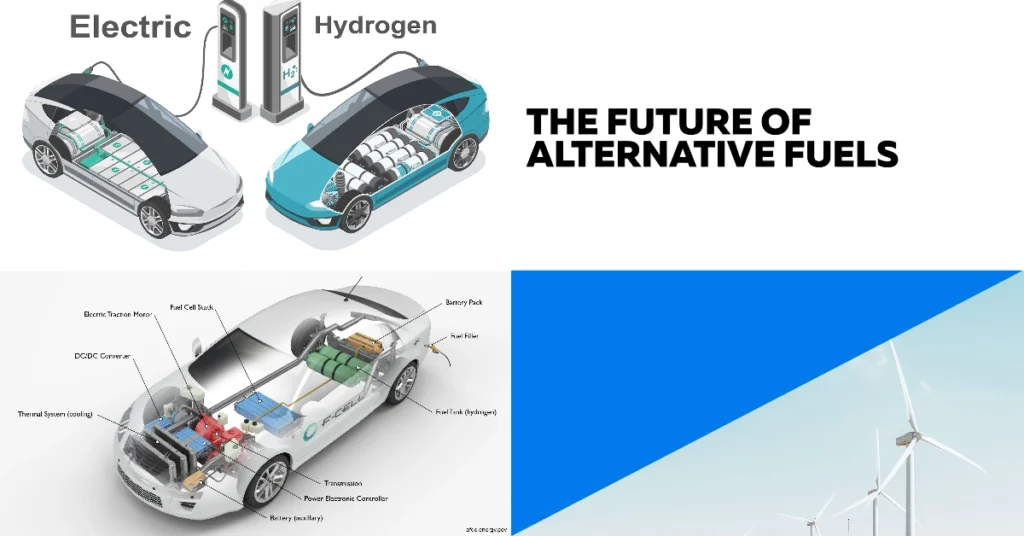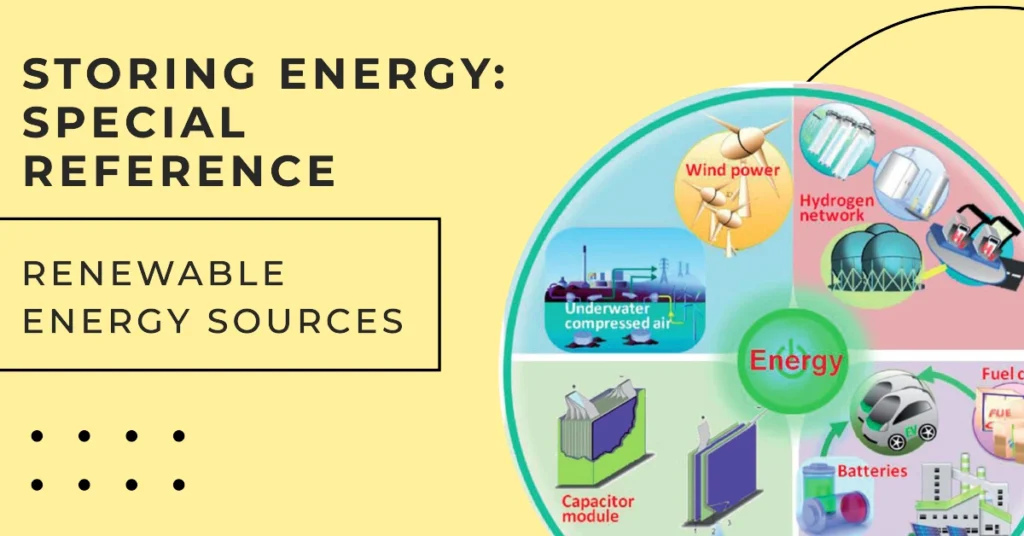
Storing energy is an integral component of managing supply and demand in an age of renewables, particularly with climate change presenting ever more significant challenges to energy management and provision.
You may be interested



This article investigates various energy storage technologies available today as well as their importance and how they could help address future energy and climate change concerns.
A Comprehensive Guide by Trevor Letcher

Our world needs clean energy from renewable sources like solar and wind power. But the sun does not always shine, and the wind does not always blow. So we must find ways to store energy for times when it is needed.
Professor Trevor Letcher has studied this challenge deeply. He is an Emeritus Professor from the University of KwaZulu-Natal in South Africa. Now living in the United Kingdom, he has written over 300 research papers and 32 books on energy topics.
His latest book is “Storing Energy: with Special Reference to Renewable Energy Sources.” This important work discusses many ways to store energy from renewable sources. It covers gravitational, mechanical, thermal, electrochemical, and chemical storage methods.
Why Store Renewable Energy?
Renewable energy sources like solar and wind are clean and environmentally-friendly. However, their output varies with weather conditions and time of day. We cannot simply use this energy as it is produced.
Energy storage systems solve this problem by saving surplus renewable electricity. The stored energy can then be released when solar and wind generation is low. This allows us to match energy supply with demand at all times.
Storing renewable energy is vital for reducing our reliance on fossil fuels. It enables a transition to sustainable, carbon-free energy systems of the future. But which storage technologies should we prioritize?
Types of Energy Storage
Recommended Products

MULTIPLE PROTECTION Bisida's BMS has a variety of protection functions, such as over charge protection, over discharge protection, over current protection, short-circuit protection, temperature protection, isconnect protection, Voltage balance(passive balance), etc.

8 pack of Energizer Ultimate Lithium AA Batteries

Battery Storage
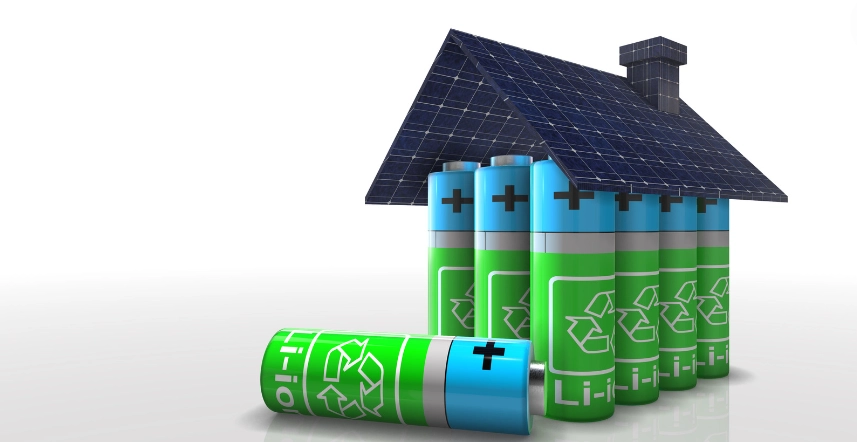
Battery storage is one of the earliest and most accessible energy storage systems. It relies on electrochemical processes to store and release energy. Common types include:
- Lithium-ion batteries: Widely used in portable electronics and electric vehicles.
- Lead-acid batteries: Traditional, but with lower energy density.
- Flow batteries: Use liquid electrolytes stored in tanks, suitable for long-duration storage.
- Supercapacitors: Offer rapid charge and discharge capabilities.
Thermal Storage
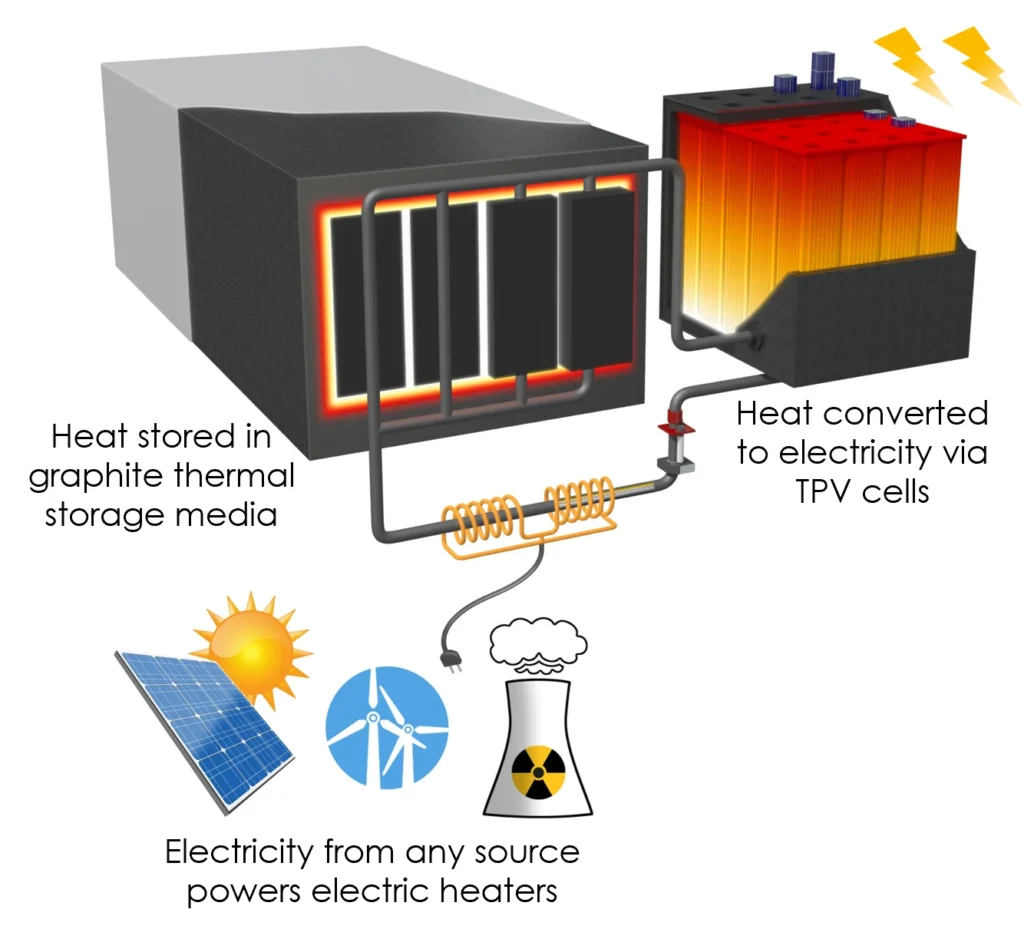
Thermal energy storage captures and releases heat or cold. It includes:
- Molten salt: Used in concentrated solar power plants.
- Ice storage: Reduces the need for air conditioning compressors.
- Chilled water: Stores cooling energy for later use.
Mechanical Storage
Mechanical storage systems store energy in the form of kinetic or potential energy. Examples include:
- Flywheels: Store rotational energy.
- Compressed air energy storage (CAES): Stores energy by compressing air.
- Gravitational energy storage: Uses the potential energy of elevated masses.
Pumped Hydro Storage

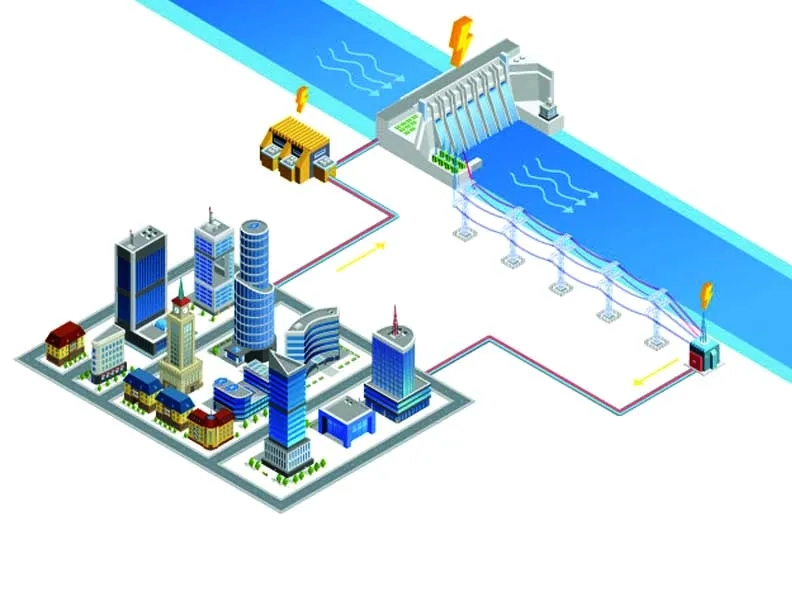
Pumped hydro storage is the most prevalent form of large-scale energy storage. It involves pumping water to a higher elevation during low-demand periods and releasing it to generate electricity during peak demand.
Hydrogen Storage

Hydrogen storage involves converting electricity into hydrogen through electrolysis. The stored hydrogen can be re-electrified or used directly as fuel. This technology is versatile and suitable for long-term energy storage.
Advancements in Energy Storage Technologies
Recommended Products


Energizer Double A Lithium batteries are the world's longest lasting AA batteries.

Portable battery storage box with battery tester
Thermal Energy Storage
Thermal energy storage has seen significant advancements, particularly in the use of phase change materials (PCMs) and molten salts. These technologies improve the efficiency and capacity of thermal storage systems.
Electrochemical Storage
Electrochemical storage technologies, such as lithium-ion and flow batteries, have advanced in terms of energy density, cost, and safety. Research is ongoing to develop solid-state batteries, which promise higher energy densities and faster charging rates.
Mechanical Storage Innovations
Innovations in mechanical storage include the development of advanced flywheels and novel compressed air energy storage systems. These technologies offer improved efficiency and scalability.
Hydrogen as an Energy Carrier
Hydrogen storage is gaining attention for its potential to store large amounts of energy over long periods. Advances in electrolysis and fuel cell technologies are making hydrogen storage more viable and cost-effective.
Social and Political Aspects of Energy Storage
Energy storage technologies are not only technical solutions but also involve social and political considerations. Policies and regulations play a crucial role in the adoption and integration of energy storage systems. Public acceptance and community engagement are essential for the successful deployment of these technologies.
Policy Support
Governments worldwide are implementing policies to support energy storage. These include financial incentives, regulatory frameworks, and research funding. For example, the U.S. Department of Energy’s Energy Storage Grand Challenge aims to accelerate the development and deployment of energy storage technologies.
Community Engagement
Community engagement is vital for the acceptance of energy storage projects. Educating the public about the benefits and addressing concerns can foster support and participation. Initiatives like community energy storage projects can enhance local resilience and energy independence.
Comparing Energy Storage Methods
Letcher’s book describes a wide range of energy storage techniques. This allows readers to understand the pros and cons of different approaches. Some key methods include:
Gravitational Storage
- Pumped hydroelectric energy storage (PHES)
- Advanced rail energy storage (ARES)
Mechanical Storage
- Compressed air energy storage (CAES)
- Liquid air energy storage (LAES)
- Flywheel energy storage
Thermal Storage
- Molten salt storage
- Phase change materials
- Sensible heat storage
Electrochemical Storage
- Lithium-ion batteries
- Flow batteries
Chemical Storage
- Hydrogen production and storage
- Power-to-gas technologies
The book compares storage technologies based on metrics like:
- Energy density (amount stored per unit volume)
- Cycle efficiency (energy retained through charge/discharge)
- Capital costs
- Operating costs
- Lifespan and degradation
- Environmental impacts
For example, PHES and CAES have very low energy density but long lifetimes. Batteries offer higher energy density but degrade over time. Each technology has unique strengths and potential applications.
Recommended Products

Fireproof Explosion Proof Waterproof: Fireproof Battery Organizer Case is made of upgraded non-itchy silicone coated fiberglass that can withstand temperatures up to 2000. It's also highly water-resistant. And the special material has a certain explosion-proof performance, we design this Battery Organizer Box to minimize the hazards and losses caused by battery explosion

MULTIPLE PROTECTION Bisida's BMS has a variety of protection functions, such as over charge protection, over discharge protection, over current protection, short-circuit protection, temperature protection, isconnect protection, Voltage balance(passive balance), etc.
Challenges for Energy Storage
While energy storage is crucial for renewable energy, several challenges must be overcome:
Technology Costs: Most storage systems are still expensive compared to fossil fuels. Further research and innovation is needed to reduce costs.
System Integration: It is difficult to model how storage will interact with generation, transmission, and demand response on the electric grid. New analytical tools are required.
Regulations and Markets: Existing electricity markets do not properly value the benefits that storage provides to the overall energy system. Policies must adapt to create appropriate incentives.
Public Acceptance: The public has concerns about the environmental impacts, safety, and siting of large energy storage facilities that must be addressed.
Letcher’s book highlights these challenges and the latest efforts to solve them through research, analysis, and policy development worldwide.
The Path Forward
Incorporating energy storage is vital for transitioning to renewable energy sources. As Letcher writes:
“Storing energy as described in this book will help the people of the world overcome the problems related to future energy and climate change.”
By comparing different storage technologies, his work provides valuable guidance. It shows there is no one-size-fits-all solution. An optimal energy system will leverage multiple storage methods based on costs, performance, and grid requirements.
Policymakers, utilities, researchers, and the public must work together. With continued innovation and smart policies, we can cost-effectively deploy energy storage at scale. This will enable reliable, sustainable energy systems powered by renewable sources.
The world has vast potential for solar, wind, and other renewables. Energy storage will help us harness that potential to create a cleaner, greener future for all.
Conclusion
Energy storage is a critical component of the transition to renewable energy sources. Various technologies, including batteries, thermal storage, mechanical storage, pumped hydro, and hydrogen storage, offer solutions to the challenges of energy demand and supply. Advancements in these technologies, supported by policies and community engagement, will play a key role in achieving a sustainable and efficient energy future.
References
- Letcher, T. (2022). Storing Energy: With Special Reference to Renewable Energy Sources. Elsevier.
- NYSERDA. (2026). Types of Energy Storage.
- RGBSI Blog. (2026). 6 Key Storage Technologies for Renewable Energy.
- Pew Research Center. (2021). Climate, Energy, and Environmental Policy.
- IRENA. (2019). Global Energy Transformation: A Roadmap to 2050.
- Springer. (2026). Different Energy Storage Techniques: Recent Advancements.
- Veolia. (2026). Future Developments and Trends in Energy Storage Systems.
- MDPI. (2023). Towards Social Understanding of Energy Storage Systems.
- ScienceDirect. (2022). The Socio-Political Context of Energy Storage Transition.
FAQs:
Q: What are the most common types of renewable energy storage?
A: The most common types of renewable energy storage include thermal energy storage, electrical energy storage, and mechanical energy storage. These methods are often incorporated to store energy from renewable sources such as solar energy and wind energy.
Q: How does thermal energy storage work with renewable energy sources?
A: Thermal energy storage involves capturing heat from renewable generation, such as solar energy systems, and storing it for later use. This helps in balancing energy demand and supply, particularly when solar power is more abundant than needed.
Q: What advancements have been made in storing energy from renewable sources?
A: Recent advancements in storing energy from renewable sources include improved battery technologies, advanced thermal storage methods, and enhanced mechanical storage systems. These advancements help to overcome the limitations of intermittent renewable energy and increase efficiency.
Q: Why is renewable energy storage important for the world’s future energy and climate?
A: Renewable energy storage is crucial for the world’s future energy and climate as it aids in the consistent supply of green energy, reduces reliance on fossil fuels, and helps meet the needs of the world’s future energy demand while addressing energy and climate change policies.
Q: What role does the South African Institute of Chemistry play in renewable energy storage research?
A: The South African Institute of Chemistry supports research and development in energy storage technologies by facilitating collaborations and publishing studies, which helps in covering various types of energy storage and contributes to global energy advancements.
Q: Can you explain the concept of electrical energy storage with special reference to renewable energy?
A: Electrical energy storage with special reference to renewable energy typically involves using batteries and other storage systems to store excess electrical power generated from renewable sources like solar and wind. This stored energy can be used when renewable generation is low, ensuring a stable energy supply.
Q: What are the challenges in storing energy from renewable sources?
A: The main challenges in storing energy from renewable sources include the high initial cost of storage technologies, efficiency losses, and the scalability of storage solutions to meet large-scale energy demand. Addressing these issues in relation to storing energy is crucial for wider adoption.
Q: How does energy storage help in integrating renewable energy into the grid?
A: Energy storage helps in integrating renewable energy into the grid by managing the variability and intermittency of renewable sources. It provides a buffer that can store excess energy when supply is high and release it when demand is high, thereby stabilizing the energy markets.
Q: What is the significance of Professor Trevor’s work on renewable energy storage?
A: Emeritus Professor Trevor, from the University of the Witwatersrand, has published over 300 papers on renewable energy storage. His work is significant as it advances the understanding and development of energy storage technologies, helping the world further overcome the problems related to energy and climate change.