In our guide to building community hydro projects, we emphasize a structured approach to harnessing renewable energy from local waterways, specifically through small-scale systems that generate less than 100 kW and can supply dozens of homes depending on flow and head. We begin with understanding the essential components, such as water supply, penstock, turbine, and generator, and engage the community for active participation, ensuring diverse stakeholder involvement. Through thorough feasibility studies, we analyze hydrological data, secure funding from federal and regional sources, and implement the hydro system while adhering to regulatory compliance. As we outline each phase, further insights into optimizing these projects await discovery.
Key Takeaways
- Assess site conditions and gather hydrological data over a full year to determine feasibility and hydropower potential for your community project.
- Engage the community early and involve diverse stakeholders in the goal-setting process to ensure alignment with local priorities.
- Secure funding by exploring federal, regional, and state sources, mastering grant writing, and confirming eligibility before applying.
- Design the hydro system components based on collected data and collaborate with stakeholders to maintain regulatory compliance throughout implementation.
- Establish SMART criteria for success metrics, monitor energy output, and collect feedback to evaluate project impacts and inform future initiatives.
Understanding Community Hydro Projects
You may be interested
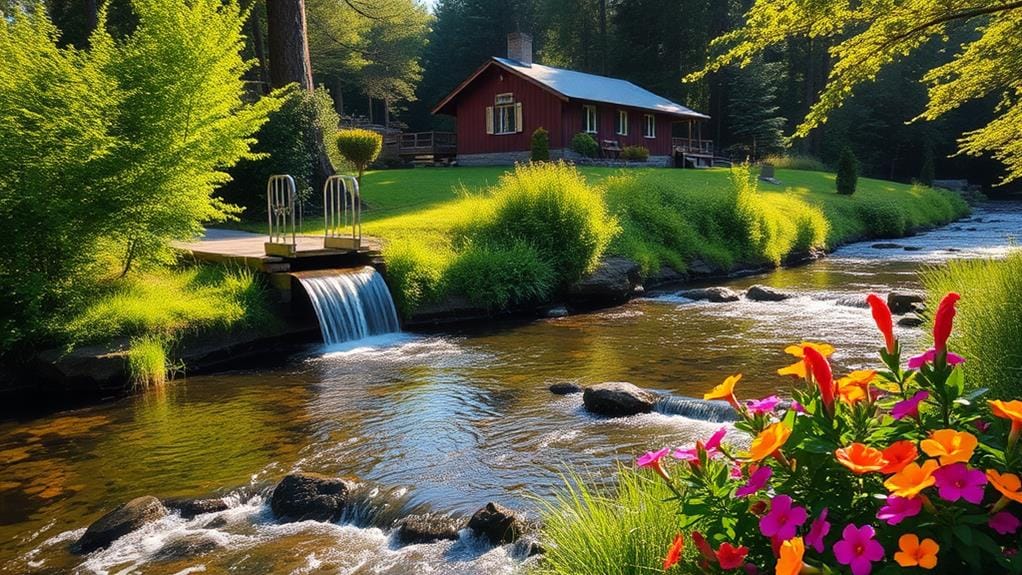
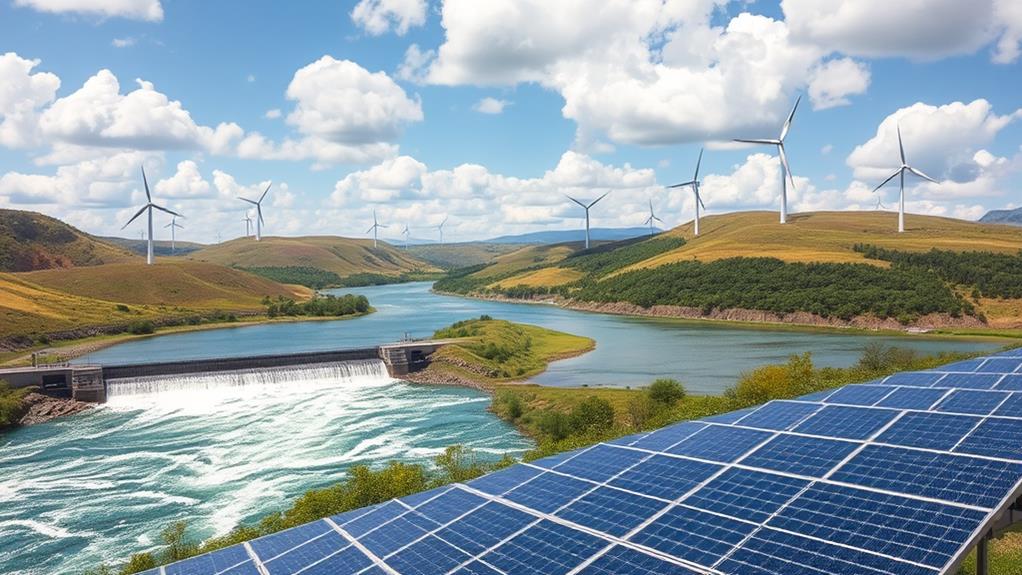
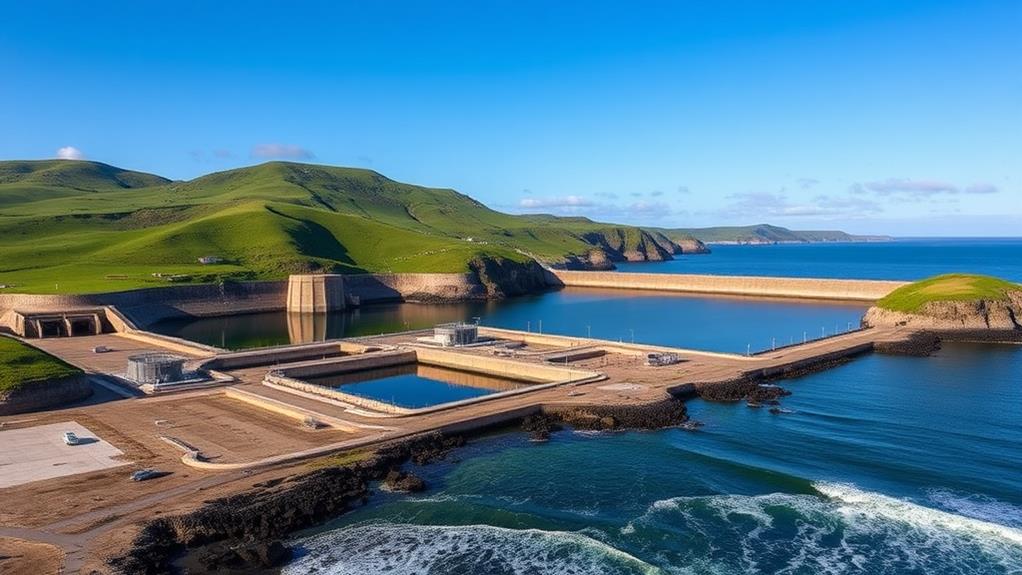
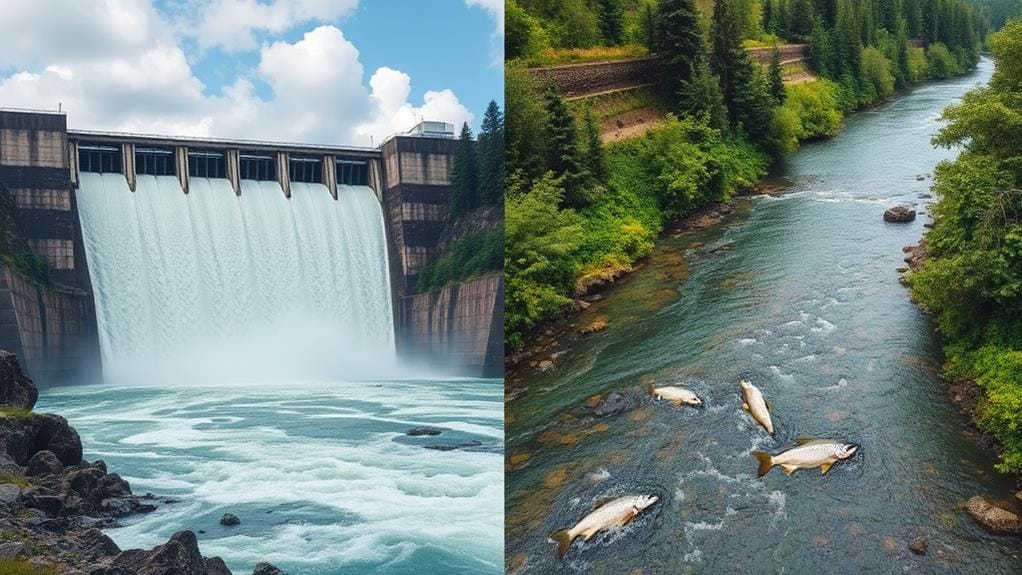
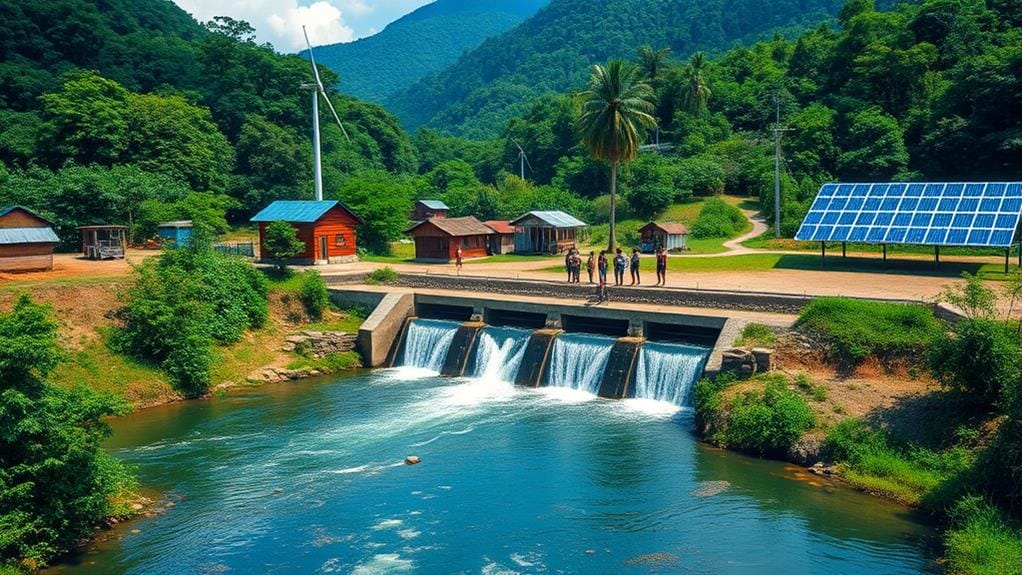
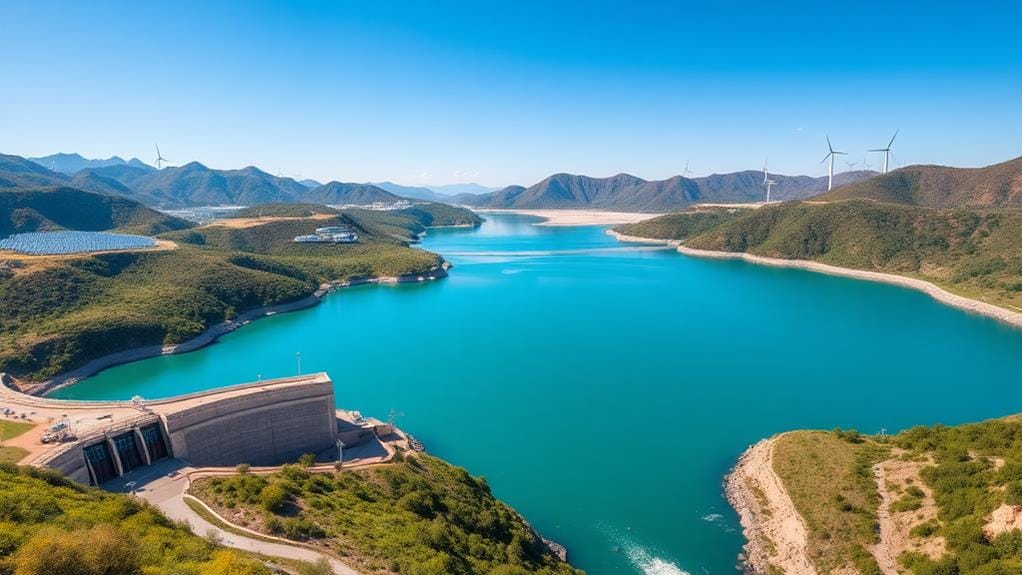
Community hydro projects are an innovative way for us to harness renewable energy from local waterways. These small-scale hydropower systems, typically generating less than 100 kW of electricity, utilize flowing water from local sources to meet our energy demand. Key components include a water supply, penstock, turbine, and generator, which work together to convert the kinetic energy of flowing water into electrical power generation. Globally, hydropower remains the largest source of renewable electricity: total installed hydropower capacity reached roughly 1,456 GW by the end of 2026, including about 160 GW of pure pumped-storage capacity, according to the International Renewable Energy Agency (IRENA). In the United States, the conventional hydropower fleet totals about 80.58 GW across 2,252 plants, with most recent growth coming from upgrading existing facilities and adding generation at non-powered dams and conduits rather than new large dams, per the Oak Ridge National Laboratory (ORNL) U.S. Hydropower Market Report — a trend that favors exactly the kind of small, distributed, community-scale projects this guide covers. The effectiveness of these projects largely depends on the flow rate in cubic meters per second, vertical drop, and consistent year-round water flow, particularly in steep or mountainous regions. By thoroughly evaluating these factors, we can guarantee that our community hydro projects are economically feasible and tailored to our specific energy needs, fostering sustainability and resilience. For a broader look at how small hydro compares with other distributed renewable options, see our guide to small-scale hydro power for homes.
Engaging the Community

As we explore the potential of community hydro projects, engaging the community becomes an important aspect of their success. Authentic community engagement necessitates thoughtful planning, especially through accessible public meetings designed to gather input from diverse demographics and guarantee adequate representation. We must prioritize accommodating various needs, such as providing translation services and guaranteeing physical accessibility, to foster inclusive community participation. Following up after public meetings by sharing notes and outlining next steps is essential for maintaining interest and involvement in our hydro initiatives. Additionally, actively engaging underrepresented groups enhances the richness of perspectives, which is critical for effective community-driven projects aimed at local economic transformation. Together, we can create sustainable solutions that truly reflect the needs of our community, much like the participatory models used in community solar project participation.
Recommended Products

EXMAX wireless audio transmission system could transmit voice of who speaking to microphone of transmitter to the ones wearing earphone of receivers,transmission distance is...
Assembling Your Team

As we commence on the journey of assembling our team for the community hydro project, it’s crucial that we bring together a diverse group of stakeholders, including government decision-makers, community leaders, and passionate advocates, to secure a well-rounded approach. Clearly defining roles and responsibilities within this team will facilitate our collaboration, allowing us to respect individual contributions while streamlining decision-making processes. Additionally, engaging underrepresented groups is essential, as it guarantees that all community demographics have a voice in shaping this important initiative.
Diverse Stakeholder Inclusion
Building a diverse team is essential for the success of our community hydro project. By including government decision-makers, trusted leaders from local nonprofits, and community champions, we guarantee diverse stakeholder inclusion that brings various perspectives to the table. Engaging underrepresented groups through public meetings, held at accessible times, fosters collaboration and reflects our community’s needs.
| Stakeholders | Engagement Strategy |
|---|---|
| Community Champions | Lead outreach and mobilization |
| Local Nonprofits | Facilitate dialogues and support |
| Government Officials | Provide regulatory guidance |
We must maintain transparency by following up with notes from public meetings and outlining next steps, reinforcing our commitment to ongoing engagement. This inclusive approach allows us to create a project that truly meets our community’s aspirations.
Defining Roles and Responsibilities
A well-defined team is essential for the success of our community hydro project. To guarantee a smooth flow of ideas and effective systems design, we must assemble a diverse group, including government decision-makers, local organization leaders, and community champions. Clearly defining roles not only enhances accountability but also supports capacity building among team members. We should prioritize engaging underrepresented groups, ensuring they’re informed and involved in discussions about water rights and project planning. By recognizing volunteers’ time constraints and valuing their contributions, we foster a positive team dynamic, encouraging ongoing participation. Keeping all stakeholders informed through publicizing our planning processes will help us collectively address community needs and achieve our hydro project goals efficiently.
Setting Strategic Goals

Establishing strategic goals for community hydro projects is vital for ensuring their success and sustainability. By engaging community members in the goal-setting process, we can align our objectives with local needs and aspirations, enhancing buy-in and support. Utilizing hydrological data helps us ground our goals in practical realities, ensuring they’re achievable. We should prioritize our goals based on potential impact, identifying quick wins that can demonstrate benefits to stakeholders. In addition, it’s important to regularly review and revise our strategic goals as the project evolves, adapting to community feedback to maintain relevance and effectiveness. A clear renewable energy project budget template can help translate these goals into a realistic financial plan from the outset.
| Goal Type | Description | Timeline |
|---|---|---|
| Quick Wins | Immediate community benefits | 3-6 months |
| Long-term Goals | Sustainable energy production | 1-5 years |
| Stakeholder Engagement | Build relationships | Ongoing |
| Data Assessment | Analyze hydrological data | 6-12 months |
| Community Input | Gather feedback from members | Quarterly |
Conducting Feasibility Studies
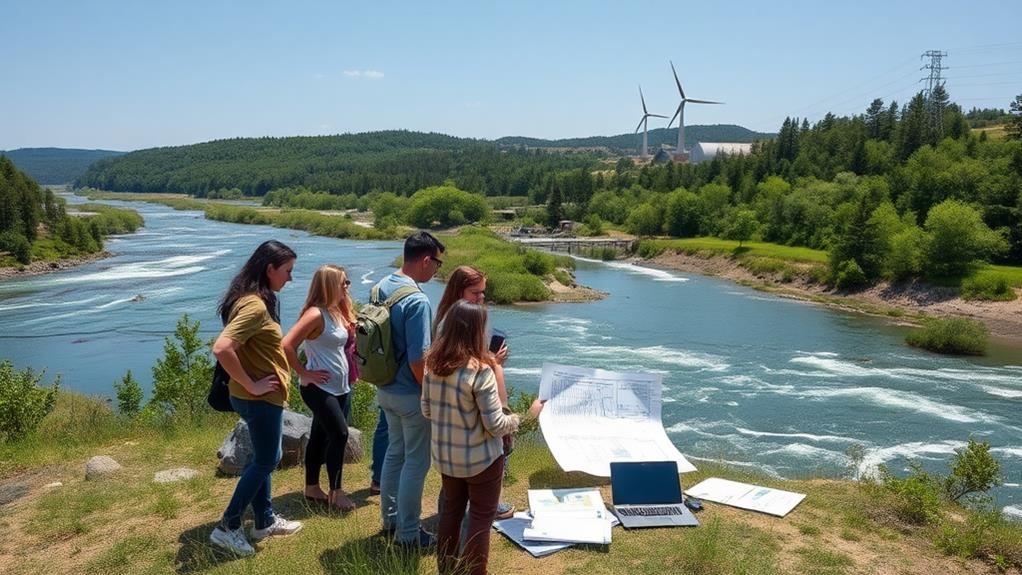
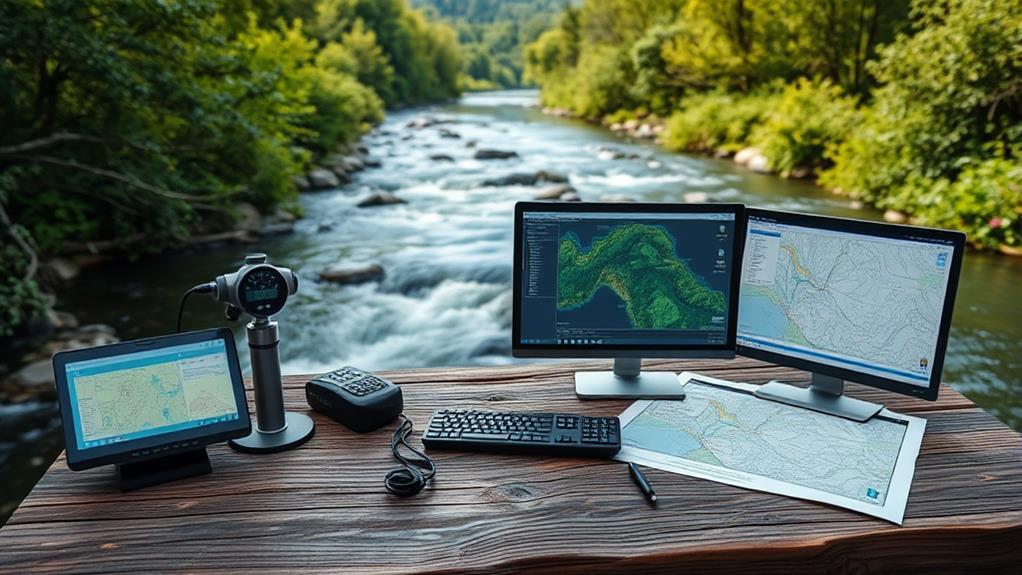
After setting strategic goals for our community hydro projects, we need to focus on conducting feasibility studies to assess their practicality. This process involves evaluating site-specific conditions through hydrological surveys, ideally gathering flow measurements over one full year to capture seasonal variations. We must measure the vertical head, which is the height difference from the water source to the turbine, and calculate the flow rate in cubic meters per second to estimate our water power and hydropower potential accurately. Furthermore, economic feasibility is essential; a cost-benefit analysis will compare development and maintenance costs against local utility rates. Engaging the community during this phase is significant, as it fosters local support and ownership, ensuring compliance with regulations and securing necessary water rights approvals for our projects.
Recommended Products

Combined functionality of flow meter and check valve

Single-Jet Technology: Delivers highly accurate flow readings with minimal maintenance requirements.

High Quality: This water meter is made of the brass whcih resistant to corrosion and condensation deposits. The instrument cover is made of brass and the bearing elements are made of high-quality steel, wear-resistant synthetic stones and other elements made of plastics.
Securing Funding Opportunities

Securing funding opportunities for our community hydro projects requires a strategic approach that taps into various resources. We should explore funding opportunities through the Energy Communities Interagency Working Group (IWG) clearinghouse, as well as federal agencies like the Economic Development Administration (EDA) and the Appalachian Regional Commission (ARC), which continues to fund energy-related projects in its service region. These platforms can provide cost-effective solutions for our financial needs. It’s essential to register on SAM.gov to guarantee eligibility for federal grant applications, as this step remains mandatory for any organization pursuing federal funding. By utilizing data from the latest census and American Community Survey, we can effectively highlight our community’s needs and gaps. Mastering grant writing techniques enables us to craft clear, specific goals that demonstrate the potential impact of our renewable energy sources while emphasizing energy-saving benefits for all.
One important note for planning budgets: unlike some other distributed renewable technologies, small hydro installations were never the primary beneficiary of the federal residential Section 25D tax credit, but it’s worth knowing that this credit — which had covered qualifying solar, geothermal, small wind, and hydro property at a taxpayer’s residence — is no longer available. Under the One Big Beautiful Bill Act, the IRS confirms that Section 25D “will not be allowed for any expenditures made after December 31, 2026,” so any community hydro project relying on individual homeowner tax credits should account for this change and instead focus on the grant and cooperative-financing pathways described above (see the IRS FAQ on the OBBB modifications). Comparing financing structures across technologies, including cooperative and community models, is covered in our solar energy financing options comparison, which offers useful parallels for structuring hydro cooperative funding.
Implementing the Hydro System
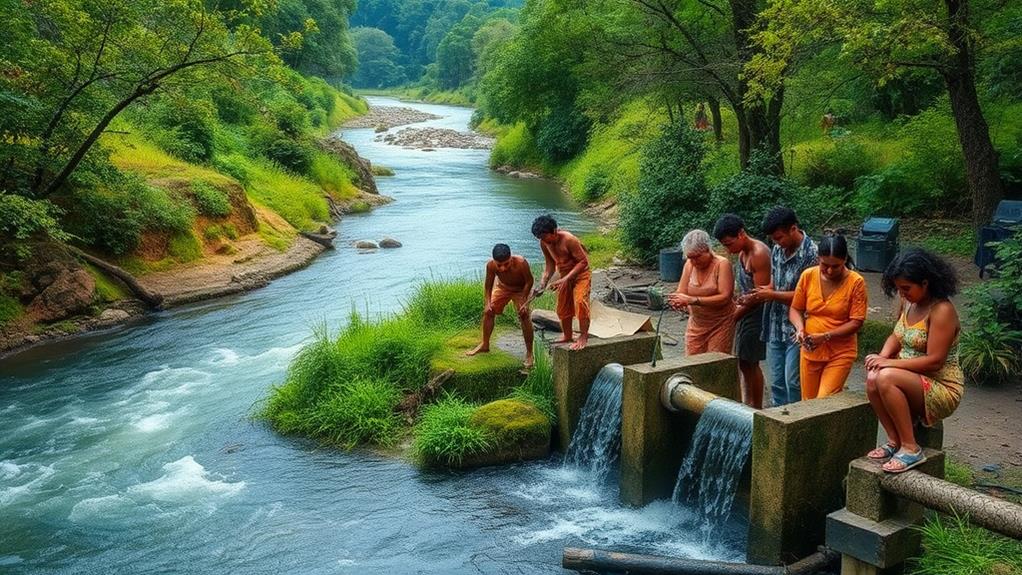
Implementing a community hydro system requires careful planning and collaboration. We must begin with a thorough feasibility study, including hydrological surveys and flow measurements over at least one year, to gather essential flow data and assess seasonal variations in water availability. This foundational work informs the design of key components, such as the penstock and turbine, ensuring they align with site-specific conditions while optimizing power output. Community involvement is paramount; by establishing a cooperative framework, we foster local ownership and build capacity for maintenance. Additionally, we must navigate regulatory compliance, engaging with local authorities, like the county engineer, to understand permitting processes and water rights. Remember, early community engagement is crucial for smooth project execution and collective success in renewable energy.
Recommended Products

The output voltage :5V; The outlet opening maximum pressure 1.2Mpa

Used Book in Good Condition

High efficiency, long lifespan.Size: 82 x 42mm/3.23 x 1.65"(L X D)
Evaluating Project Outcomes

As we evaluate project outcomes, it’s essential to establish clear success metrics that allow us to quantitatively assess the impacts of our community hydro initiatives. By utilizing data analysis techniques, we can systematically analyze energy generation figures, cost savings, and the extent of community engagement, ensuring that our evaluations are grounded in measurable realities. Gathering thorough feedback from stakeholders through structured surveys and public meetings further enriches our understanding of both the project’s efficacy and its social implications.
Success Metrics Definition
Defining success metrics is vital for our community hydro project, as it allows us to evaluate outcomes effectively. We must establish clear, measurable goals utilizing the SMART criteria; these objectives should be specific, measurable, achievable, relevant, and time-bound. Collecting baseline data before implementation — such as community energy usage, local water flow rates, and environmental conditions — will empower us to assess project performance post-installation. Regular monitoring of energy output, financial savings, and community engagement levels is essential. Additionally, engaging stakeholders through feedback will guarantee diverse perspectives contribute to our evaluation. By documenting and sharing both successes and challenges, we can inform future initiatives and inspire other communities in their hydro implementation efforts, creating a sense of belonging and collaboration.
Data Analysis Techniques
To effectively evaluate the outcomes of our community hydro project, harnessing a mix of qualitative and quantitative data is fundamental. By establishing key performance indicators (KPIs) such as energy output, cost savings, and user satisfaction, we can thoroughly assess our project’s effectiveness.
- Analyzing flow rate to guarantee peak performance.
- Monitoring community impacts to foster stronger connections.
- Using statistical analysis to identify trends for future enhancements.
Regular assessments comparing pre-implementation data with post-implementation results will enhance our understanding of system performance, focusing on parameters like head height and overall energy generation. Engaging community members in feedback sessions enriches our evaluation process, allowing us to gather vital anecdotal evidence, ultimately assuring the sustainability and success of our renewable energy hydro project.
Frequently Asked Questions
What Are the Steps of Creating Hydroelectric Power?
Imagine harnessing nature’s flow to power our lives. Together, we’ll assess the site, select turbines, guarantee regulatory compliance, engage our community, explore funding sources, and develop maintenance strategies for peak energy efficiency and minimal environmental impact.
How Is Hydropower Implemented?
Implementing hydropower involves evaluating our water resource, selecting the right technology, understanding the regulatory framework, engaging our community, securing funding sources, considering environmental impact, and planning maintenance strategies and energy storage for sustained success together.
What Are the Potential Challenges of Implementing Hydro?
Implementing hydro comes with challenges like regulatory hurdles, environmental impact assessments, and financing solutions. We must prioritize community engagement, effective stakeholder coordination, site selection, and address technological limitations while keeping maintenance requirements manageable for successful projects.
How Do You Design a Hydropower Plant?
When designing a hydropower plant, we’ll focus on site selection, turbine efficiency, and community engagement. We’ll consider environmental impacts, regulatory compliance, funding sources, technology advancements, and develop effective maintenance strategies together for sustainability.
Is Small Hydropower Still a Growing Part of the Renewable Mix?
Yes. While large hydropower dominates total capacity — global hydropower capacity reached about 1,456 GW by the end of 2026 according to IRENA — most new U.S. growth is coming from smaller, distributed additions at existing dams and conduits rather than new mega-dams, per ORNL’s hydropower market reporting. That trend favors community-scale projects like the ones described in this guide.