Hydropower synergizes with other clean energy sources in multiple ways. First, it enhances grid stability by balancing intermittent solar and wind generation, with pumped storage hydropower (PSH) representing 88% of U.S. utility-scale energy storage. Second, it acts as a large-scale battery, storing excess energy and providing quick adjustments during peak demand. Third, hydropower supports local economies by creating jobs and diversifying energy portfolios. Fourth, it contributes to greenhouse gas mitigation, with the International Hydropower Association estimating that replacing hydropower with coal generation would add more than 4 billion additional tonnes of greenhouse gases annually. Finally, by integrating advanced technologies, hydropower optimizes energy storage and distribution, ensuring a resilient energy future. Further insights await those who explore this topic further.
Key Takeaways
- Hydropower acts as a stabilizer, rapidly adjusting electricity generation to complement the intermittent nature of solar and wind energy.
- Pumped storage hydropower (PSH) stores excess energy from renewables, functioning like a large battery for reliable electricity supply, and now accounts for roughly 88% of U.S. utility-scale energy storage capacity.
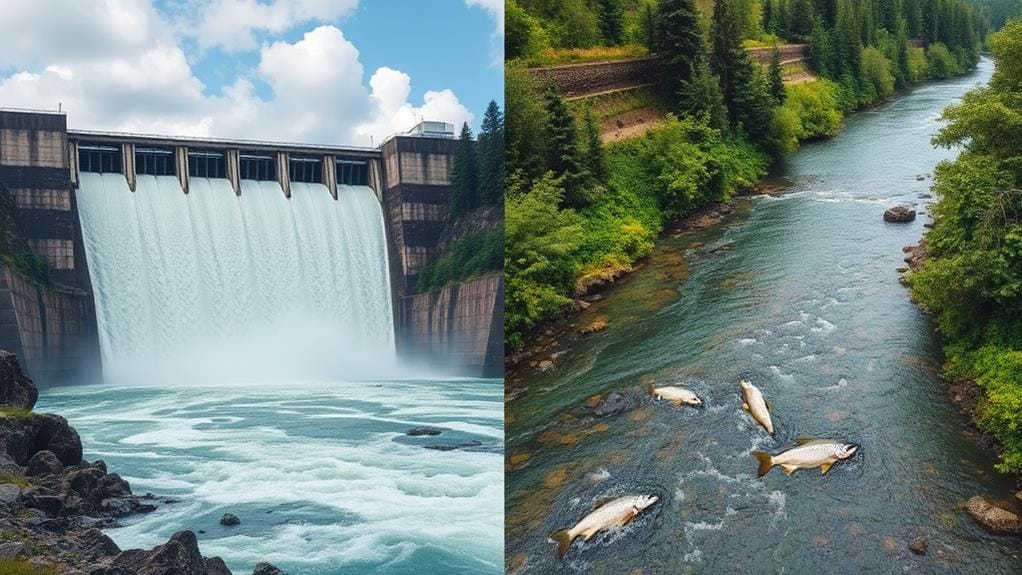
- Innovative turbine designs in hydropower facilities enhance fish passage while integrating with renewable sources to minimize environmental impacts.
- Upgrading and modernizing existing PSH facilities boosts capacity and efficiency, supporting increased renewable energy adoption and grid reliability.
- Hydropower's integration with solar and wind reduces greenhouse gas emissions, contributing significantly to climate change mitigation efforts.
Complementing Solar and Wind Energy
You may be interested

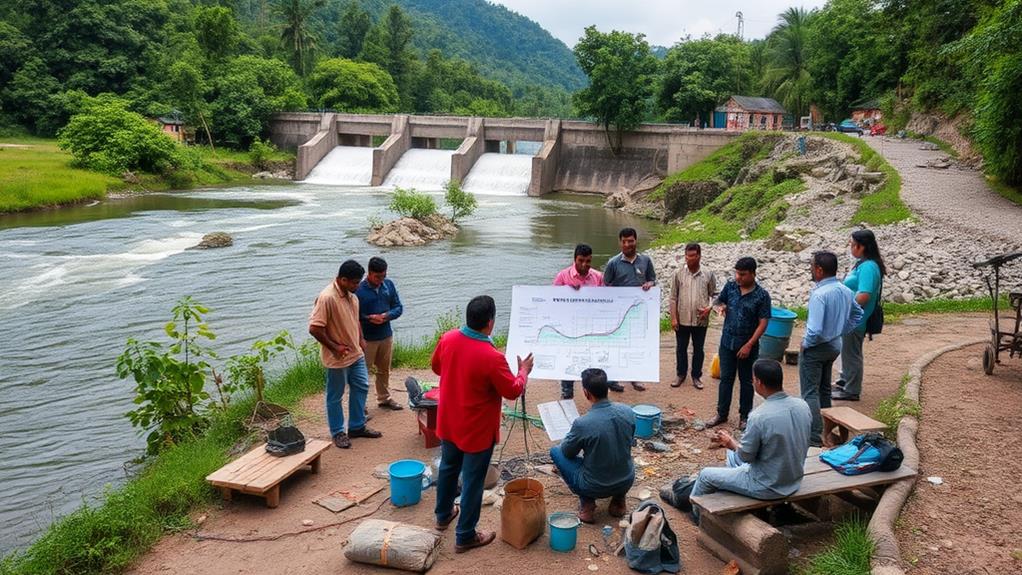
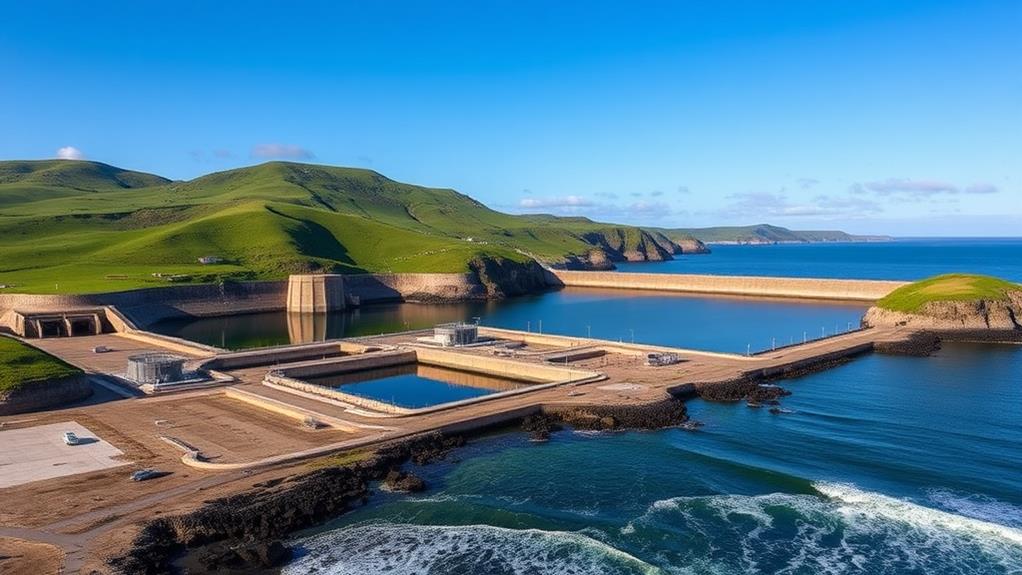
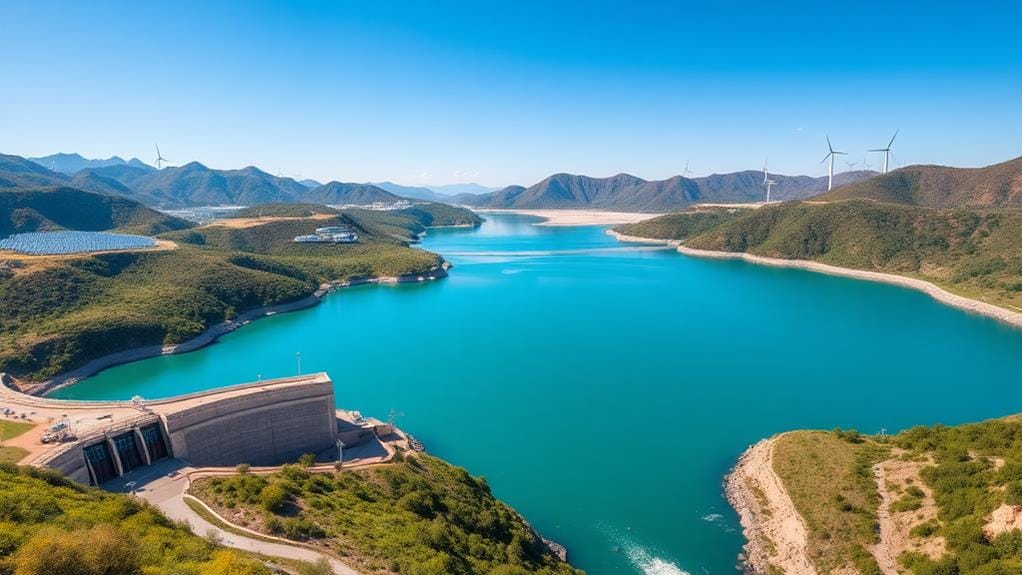
When we think about how to bolster our clean energy future, hydropower really stands out as a key player in complementing solar and wind energy. Hydropower provides essential grid stability, balancing the intermittent nature of these renewable sources. According to the U.S. Department of Energy’s 2026 Hydropower Market Report, pumped storage hydropower (PSH) facilities account for about 88% of utility-scale energy storage in the U.S., with 43 PSH plants currently operating around the country. These facilities effectively store excess electricity generated during low-demand periods, enabling quick adjustments in electricity generation when needed. This capability not only mitigates the risk of grid overload but also enhances the reliability of clean electricity. As nearly every U.S. state utilizes hydropower in some form, its integration with solar and wind resources greatly contributes to a resilient energy grid, supporting our collective efforts against climate change. For homeowners pairing rooftop solar with storage, understanding how utility-scale systems like PSH balance the grid can also inform decisions around choosing the right solar energy storage option at the residential level.
Recommended Products

Enhancing Grid Stability
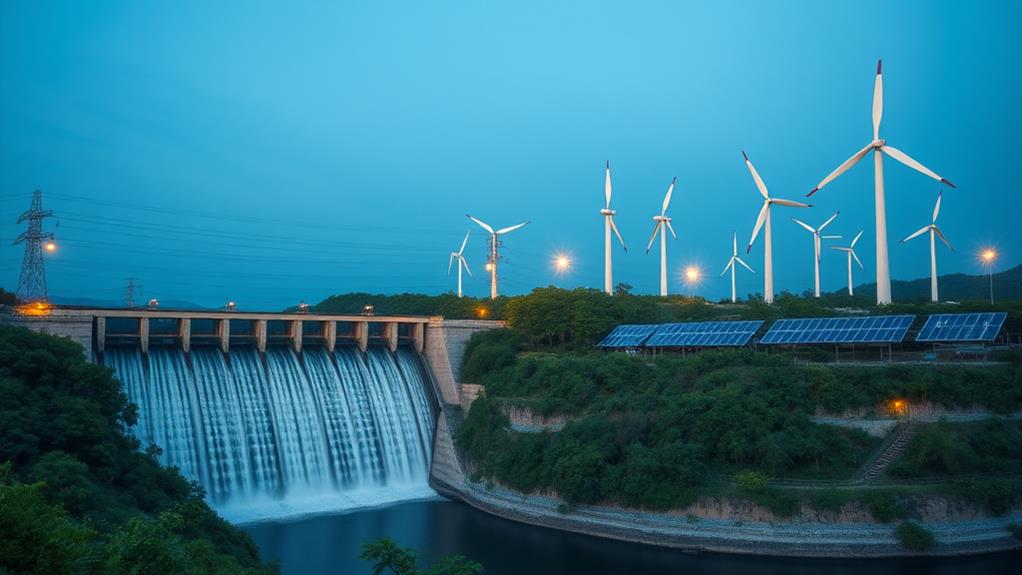
As we explore the role of hydropower in our clean energy landscape, its capacity to enhance grid stability becomes increasingly clear. Hydropower provides essential grid stability by rapidly adjusting electricity generation to match demand fluctuations, which is particularly important during outages or peak periods. The Department of Energy reports that pumped storage hydropower alone makes up roughly 88% of utility-scale energy storage capacity in the U.S., effectively balancing the intermittent nature of renewable energy sources like solar and wind. The DOE also notes the U.S. has the potential to more than double existing PSH capacity through new projects, which would further bolster overall system resilience as wind and solar continue to scale. In addition, innovative turbine designs have achieved very high fish-passage survival rates in recent pilot studies, demonstrating that hydropower can support clean electricity while addressing environmental impacts responsibly. This kind of grid-balancing role pairs naturally with other wind energy grid integration strategies that utilities are deploying as variable renewables grow.
Energy Storage Solutions
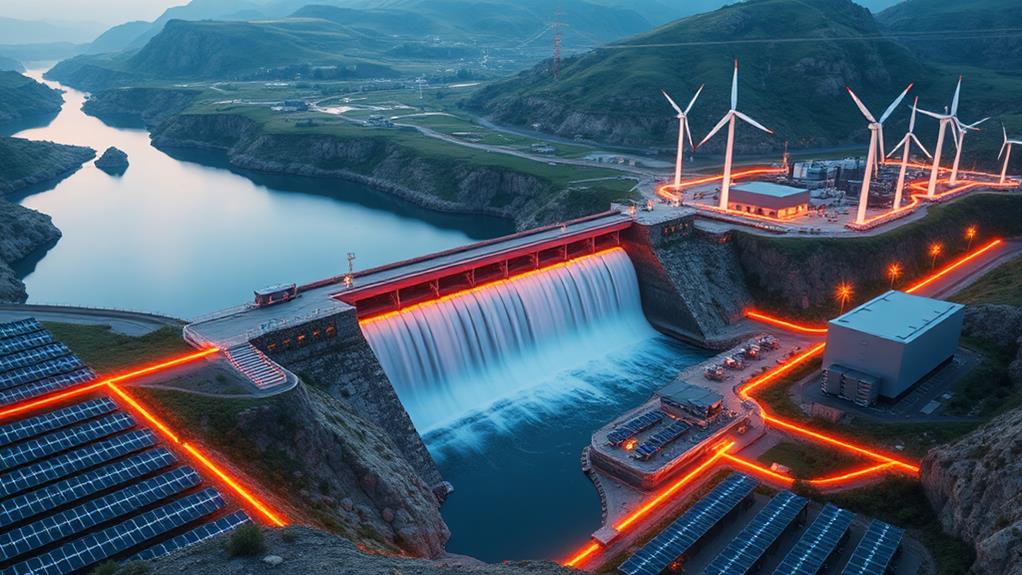
Energy storage solutions are critical for achieving a reliable and sustainable electricity grid. Pumped storage hydropower (PSH), which the DOE reports accounts for approximately 88% of utility-scale energy storage in the U.S., plays an essential role in managing the fluctuations of energy supply and demand. By acting like large batteries, PSH systems store excess energy generated from variable renewable electricity generation sources, such as wind and solar, by pumping water to elevated reservoirs and releasing it through turbines when demand rises. Upgrading and modernizing existing PSH facilities is a priority identified by the Department of Energy for enhancing their capacity and efficiency, allowing them to provide energy storage during peak demand or periods of low renewable generation. By integrating hydropower with other clean energy sources, we can achieve greater grid stability and reduce reliance on fossil fuel peaker plants. The table below compares PSH with other common grid-scale storage technologies.
| Storage Technology | Typical Discharge Duration | Share of U.S. Utility-Scale Storage | Key Advantage |
|---|---|---|---|
| Pumped Storage Hydropower | 6–20+ hours | ~88% | Proven, long-duration, large capacity |
| Lithium-ion Battery Storage | 2–4 hours | Growing rapidly, still a minority share | Fast response, modular deployment |
| Compressed Air Energy Storage | 4–24 hours | Small, niche share | Long duration, geology-dependent |
Homeowners exploring their own storage options at a smaller scale may find it useful to compare approaches in our guide to green energy storage system pricing.
Supporting Local Communities
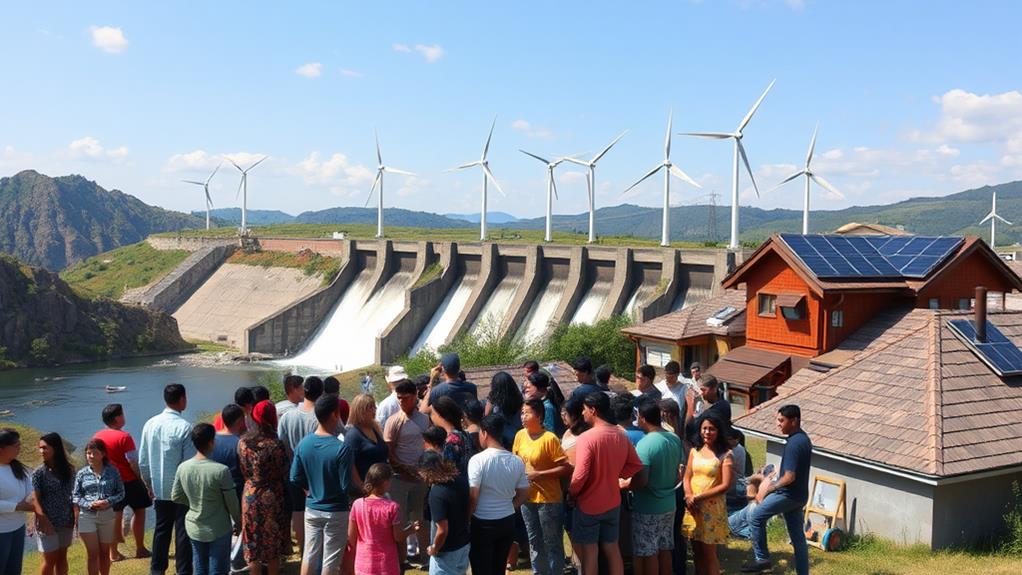
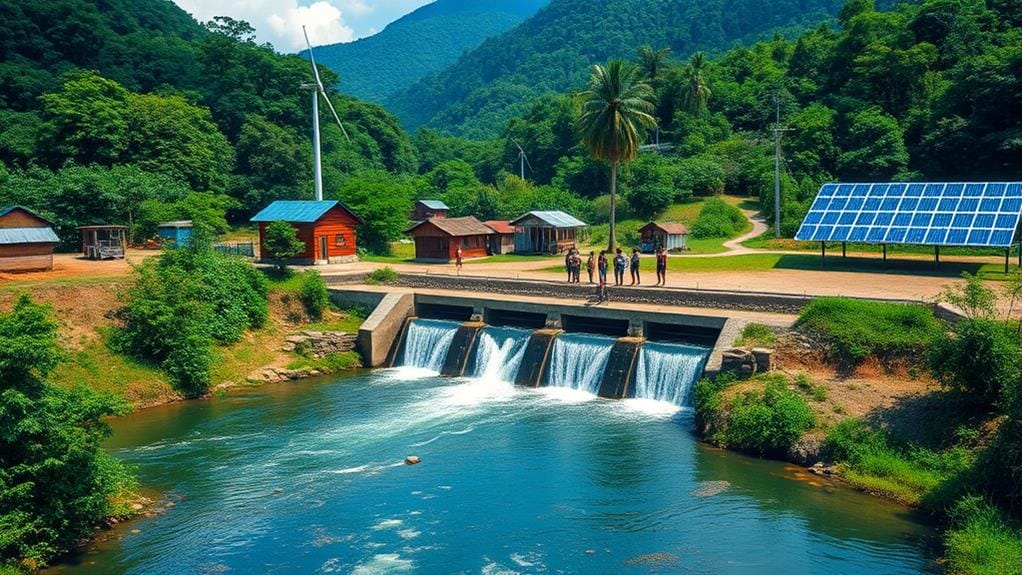
Hydropower projects have the potential to be game changers for local communities, providing not just clean energy but also economic opportunities and educational initiatives. By integrating hydropower technologies with community engagement, we can help address supply chain gaps in U.S. hydropower manufacturing, ultimately supporting job creation across engineering, operations, and maintenance roles. Celebrated on National Hydropower Day, these initiatives connect local communities with industry professionals, inspiring future generations toward careers in renewable energy. Additionally, education and outreach programs foster public support for sustainable hydropower, ensuring that environmental impacts are carefully considered. Through collaboration and transparency, we can enhance community resilience while championing the shift to clean energy, reinforcing our commitment to both local economies and the broader environmental goals we all aim for. Communities interested in participating more directly in clean energy projects may also want to look at models like community solar project participation, which share similar local-benefit principles with community hydropower initiatives.
Mitigating Climate Change Impacts
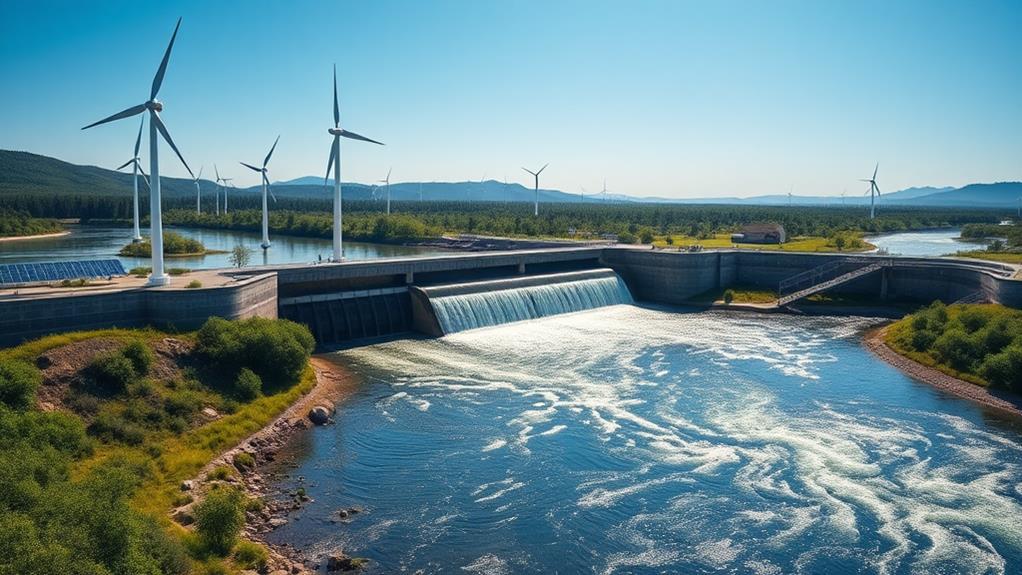
In the fight against climate change, hydropower stands out as an essential ally. According to the International Hydropower Association, if hydropower generation worldwide were replaced with coal-fired generation, more than 4 billion additional metric tonnes of greenhouse gases would be emitted every year — underscoring the scale of emissions hydropower already helps avoid. Over the past 50 years, hydropower’s use in place of fossil fuels has helped avoid more than 100 billion tonnes of cumulative CO₂ emissions, per IHA figures. As we shift towards a low-carbon future, hydropower — which the IEA expects to remain the world’s largest source of renewable electricity generation in the medium term — enhances grid stability when integrated with variable renewable energy sources like wind and solar. This synergy allows for rapid adjustments in electricity generation, meeting fluctuating demand efficiently. Additionally, investing in advanced hydropower technologies, such as pumped storage, is critical for optimizing energy storage capabilities and supporting broader climate ambitions. By effectively managing the relationship between hydropower and other renewables, we move closer to national net-zero emissions goals while ensuring a sustainable energy future. Readers curious about how clean energy economics compare more broadly may also want to review our green energy vs. fossil fuel price comparison.
Frequently Asked Questions
Can Hydropower Work Well With Other Forms of Energy?
Yes. Pumped storage hydropower accounts for about 88% of utility-scale energy storage in the U.S., according to the Department of Energy. Together, hydropower and other renewables can enhance grid stability, manage resources efficiently, and create community benefits through hybrid systems and coordinated renewable integration.
How Does Hydropower Help With Clean Water?
Hydropower's impact on water systems is significant. Reservoirs built for hydropower can support irrigation and flood management, while modern facilities increasingly prioritize sediment management and ecosystem balance. Well-managed hydropower projects can also support community development, recreational opportunities, and resource sustainability.
Why Is Hydropower Considered a Reliable Renewable Energy Source?
Hydropower is expected by the IEA to remain the world’s largest source of renewable electricity generation in the medium term. Its ability to provide steady, dispatchable output — unlike the variable output of solar and wind — along with strong policy support, makes it a dependable, community-friendly option that helps lower overall grid emissions.
How Can Hydropower Be More Environmentally Friendly?
Hydropower can become more environmentally friendly through improved turbine technology that supports safer fish passage, better sediment management, and stronger ecosystem restoration and habitat conservation efforts — all while engaging local communities to help safeguard water quality and biodiversity.