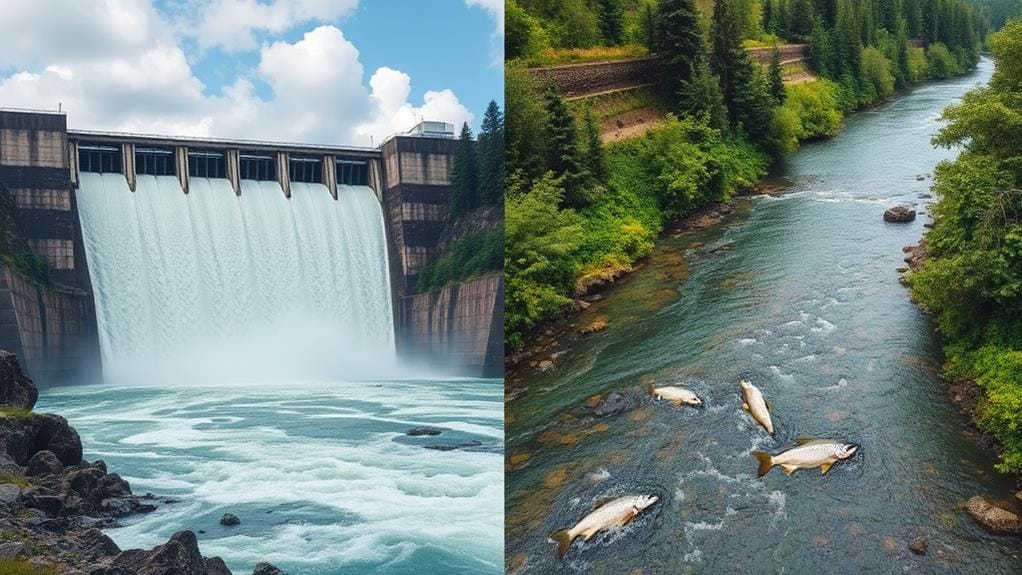
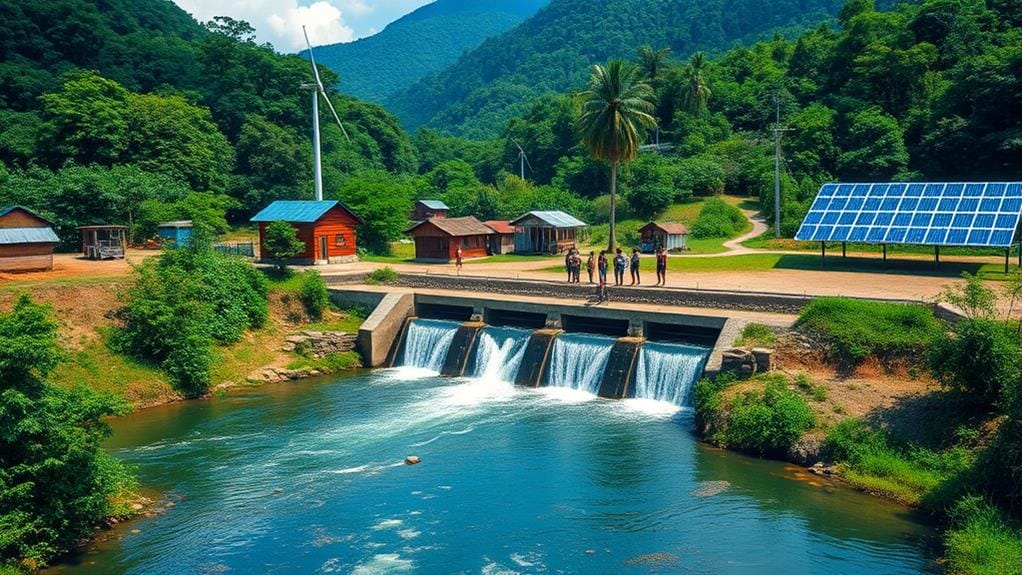
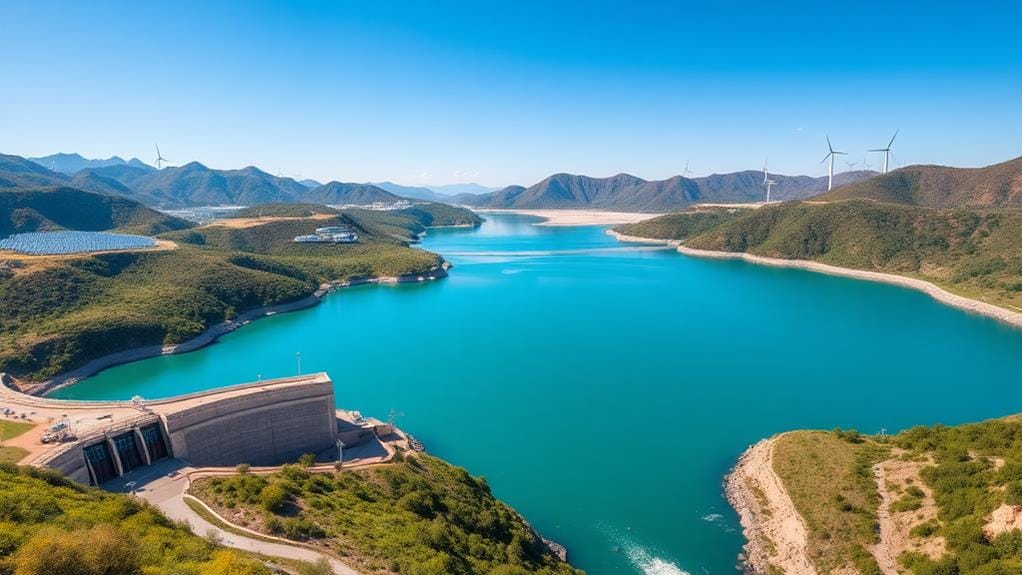
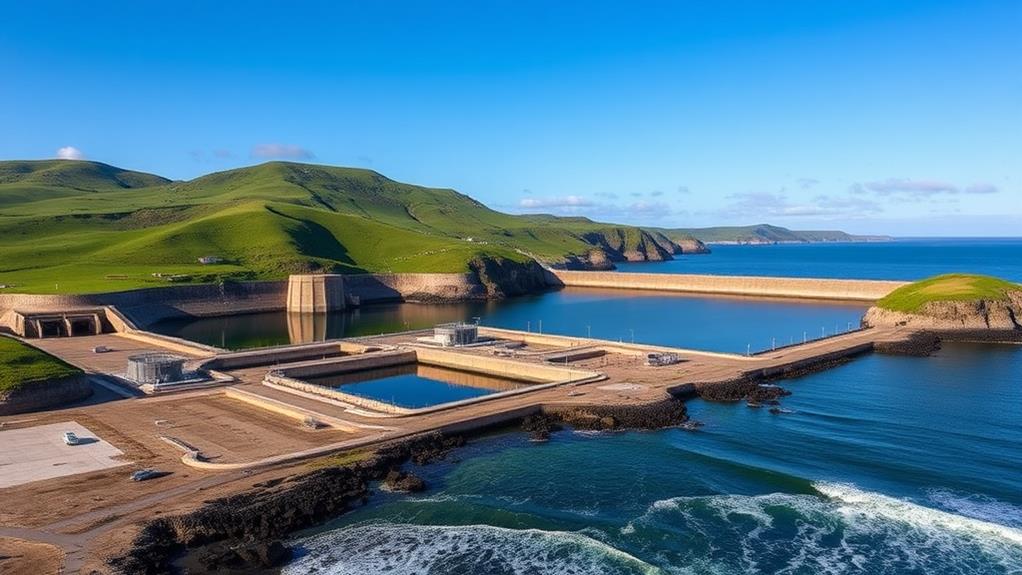
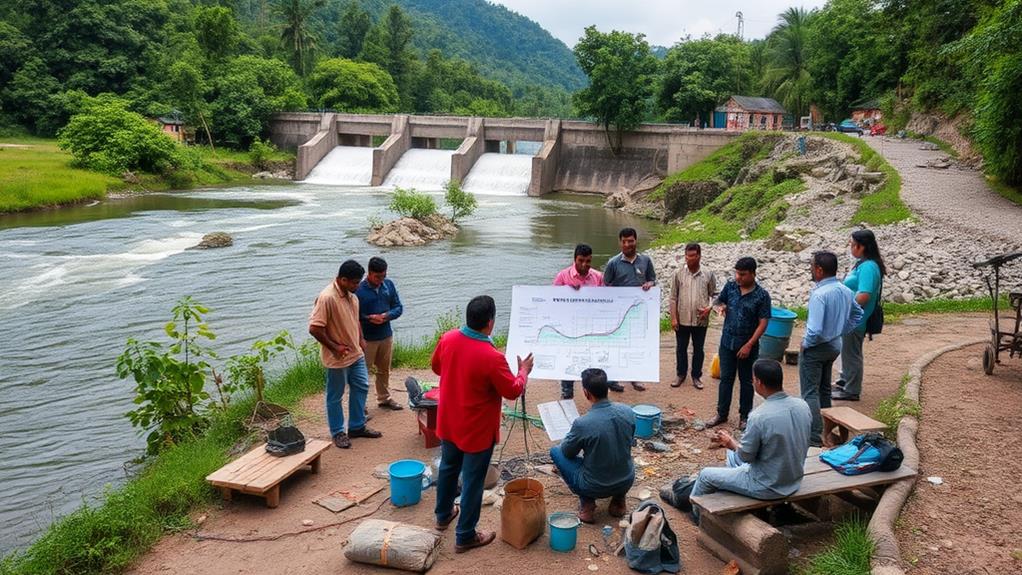
In-stream and marine hydrokinetic technologies are quietly becoming one of the most promising frontiers in clean power. Instead of large dams and reservoirs, these systems capture energy directly from the kinetic motion of flowing rivers, tidal streams, and ocean currents. We’re highlighting five leading in-stream hydro energy technologies that are pivotal for clean power production. First, Vertical Axis Hydrokinetic Turbines (VAHTs) efficiently harness kinetic energy with a modular design suitable for various aquatic settings. Next, Modular In-Stream Energy Systems (IES) offer decentralized energy generation without water diversion, enabling lower costs and rapid deployment. Smart Hydro Power Technology integrates seamlessly with other renewables and can deliver steady power output where river flow is available. Bi-Directional Turbine Innovations efficiently capture energy from tidal streams, and Marine Hydrokinetic Energy Solutions tap into oceanic forces, prioritizing ecological safety. As we explore further, additional insights about each technology await.
Key Takeaways
- Vertical Axis Hydrokinetic Turbines (VAHTs) harness kinetic energy efficiently across various water flow conditions, providing reliable power without the environmental disruption of large dams.
- Modular In-Stream Energy Systems (IES) offer flexible energy production and financing, generating clean electricity without damming or diverting waterways.
- Smart Hydro Power Technology integrates in-stream turbines with renewable sources, ensuring efficient energy generation in variable water depths and velocities.
- Bi-Directional Turbine Innovations capture energy from tidal streams and river currents, generating consistent output while minimizing environmental impact and maintenance needs.
- Marine Hydrokinetic Energy Solutions utilize ocean currents, tides, and waves for clean power — a resource the U.S. Department of Energy estimates could equal roughly 57% of total U.S. power generation capacity if fully developed.
Vertical Axis Hydrokinetic Turbines
You may be interested
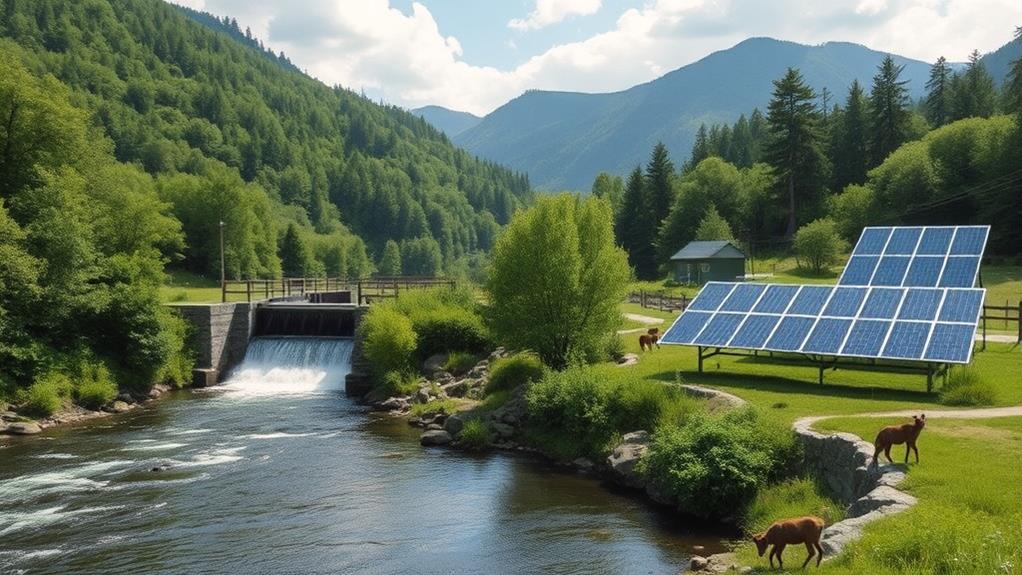
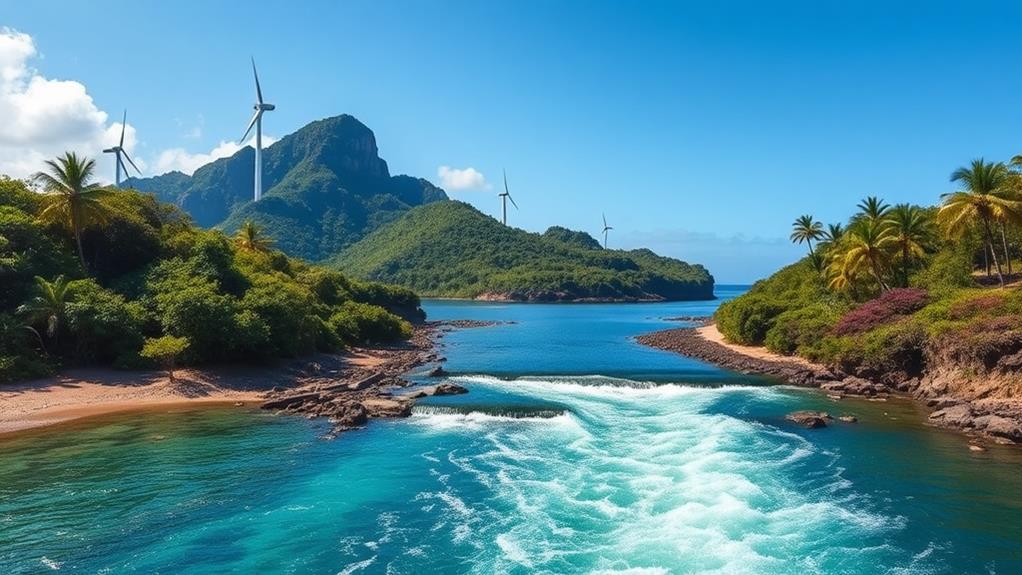

Vertical Axis Hydrokinetic Turbines (VAHTs) represent a game-changing approach in sustainable energy generation. By harnessing the kinetic energy from flowing water, these hydrokinetic turbines generate clean electricity without the need for damming or diverting water flows. Their modular design enables scalable power generation, making them adaptable for various waterways, including rivers, canals, and marine environments. Engineered for operational efficiency, VAHTs incorporate rotor designs that continue to be refined to optimize performance across diverse water flow conditions. As the U.S. Department of Energy notes, marine and hydrokinetic resources are highly predictable, which makes them promising contributors to stable, reliable electricity grids. As we embrace renewable energy sources, VAHTs not only support local energy independence but also bolster community economies through sustainable electricity generation that prioritizes environmental integrity. For homeowners and communities comparing distributed clean-power options more broadly, our guide to off-grid living with renewable energy covers how in-stream systems can complement solar and wind.
Recommended Products

【Vertical Axis Wind Turbine】The blade material is synthetically injection molded with high-strength FRP material. At the same time, the fashionable The spiral blades are aerodynamically designed to make the rotor run smoothly and reliably, which leads to stable electricity generation. The wind turbine can start from the breeze and adapt to the wind 360°, no yaw system is needed.

Vertical axis design captures wind from all directions, stable power generation with higher wind output.
Modular In-Stream Energy Systems
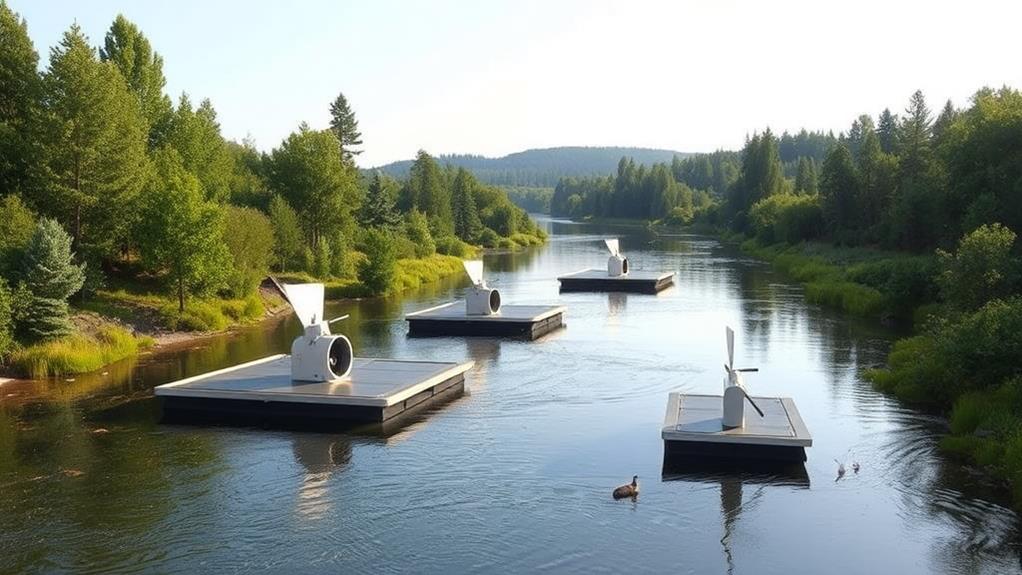
As we explore innovative approaches to sustainable energy, Modular In-Stream Energy Systems (IES) emerge as a significant advancement in harnessing water’s kinetic energy. Utilizing vertical axis hydrokinetic turbines, these systems allow for scalable and efficient renewable energy generation across various waterways. The modular design offers flexibility in energy production and financing, enabling developers to deploy single units or arrays based on specific project needs. Importantly, IES generates clean electricity without damming or diverting water, thereby minimizing environmental disruption. With lower installation costs and faster construction timelines than conventional dam-based hydropower, IES can face fewer regulatory hurdles. By promoting distributed energy production, these systems enhance local energy independence and support sustainable energy solutions, particularly for remote communities and industries aiming for energy autonomy. If you’re weighing the upfront investment against long-term savings for a distributed renewable project, our cost-benefit analysis of green energy is a useful companion resource.
Smart Hydro Power Technology
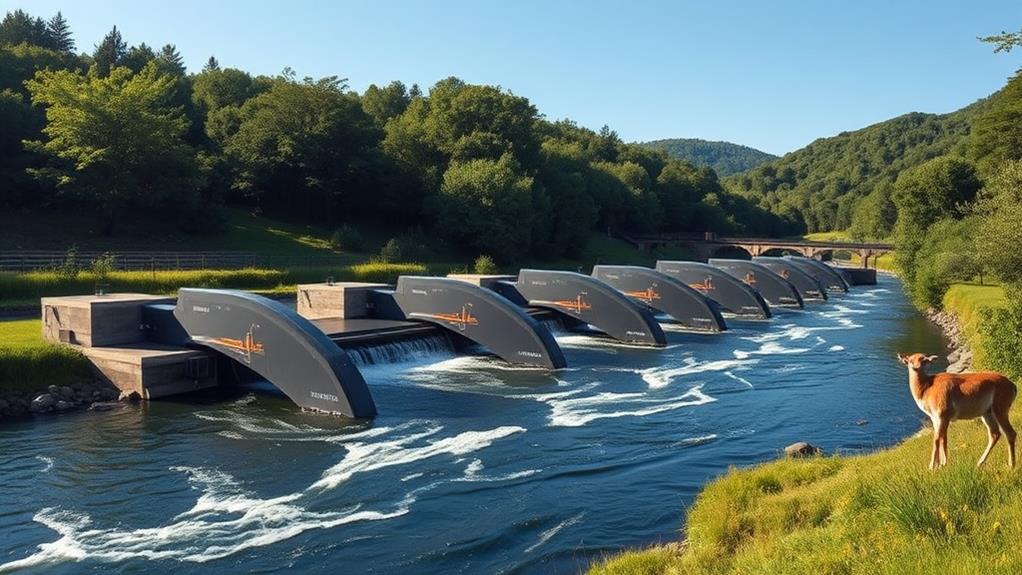
While exploring sustainable energy solutions, we find Smart Hydro Power Technology stands out for its ability to harness kinetic energy from river flows without massive infrastructure or environmental disruption. This approach utilizes in-stream turbines, specifically designed to generate electricity efficiently, even in variable water depths and velocities. The modular design of smart hydro systems enhances energy generation flexibility, allowing easy integration with other renewable sources, like photovoltaics. These systems are built to produce three-phase AC power reliably, fostering decentralized electrification and promoting local energy independence, much like the small-scale hydro setups covered in our guide to small-scale hydro power for homes. By effectively responding to water availability, Smart Hydro Power Technology exemplifies a sustainable and adaptable solution in the renewable electricity landscape, ensuring a cleaner energy future for communities everywhere.
Recommended Products

The output voltage :5V; The outlet opening maximum pressure 1.2Mpa

Made of high quality material,unique structure design,compact size and smooth surface,which makes generator having stable working performance and low noise.

1/2" THREAD & STAINLESS STEEL WIRE SCREWS: Standard 1/2" external thread, the inlet and outlet all adopt1/2" external thread and about 20mm outer diameter, with stainless steel wire screws, high-quality materials to create more product.
Bi-Directional Turbine Innovations
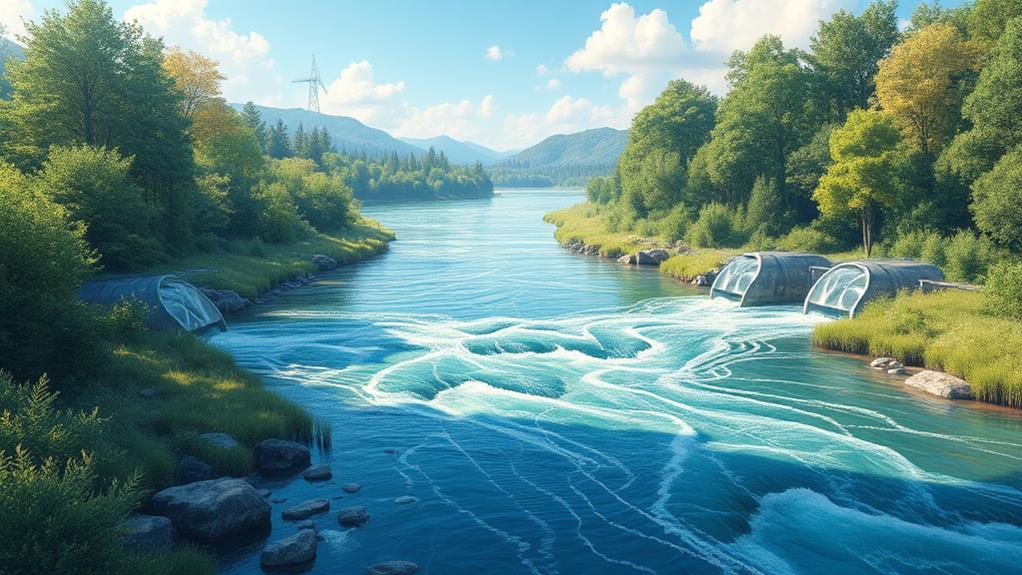
Building on the advancements in Smart Hydro Power Technology, bi-directional turbine innovations present an exciting opportunity to further enhance energy capture from water currents. These bi-directional turbines are specifically designed to harness energy from tidal streams and river currents, maximizing renewable energy potential in variable flow conditions since they generate power on both the incoming and outgoing tide. By generating consistent and predictable energy output without the need for damming, they minimize environmental impact, aligning with a broader commitment to sustainable practices. Advanced hydropower technology aims to guarantee durability, enabling these turbines to withstand harsh aquatic conditions while reducing maintenance requirements — a design philosophy shared with the wind sector, as discussed in our wind turbine maintenance best practices article. Ultimately, bi-directional turbines play a role in supporting decarbonization goals by providing clean electricity that can integrate into existing power grids.
Marine Hydrokinetic Energy Solutions
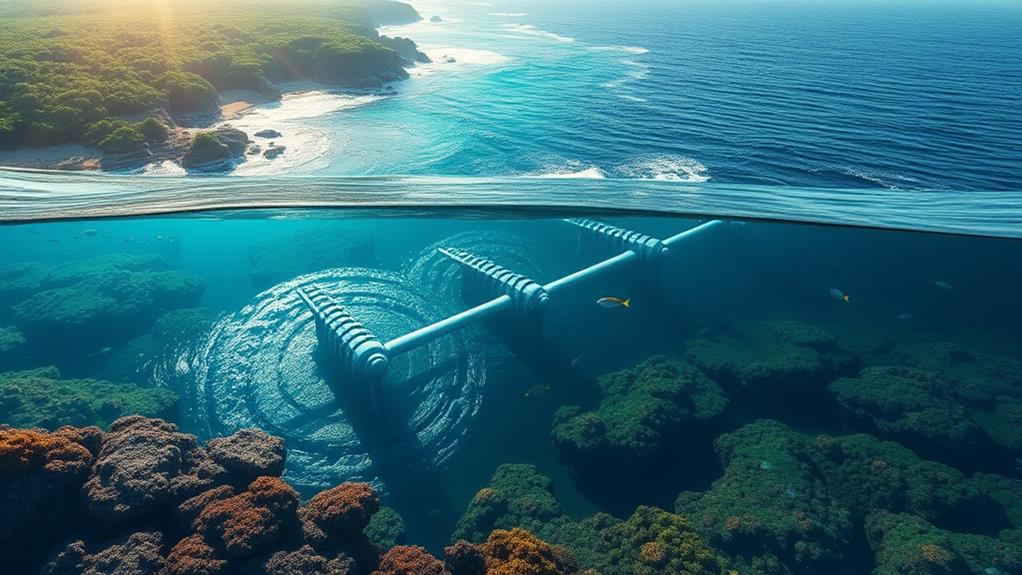
Marine hydrokinetic energy solutions represent a transformative approach to harnessing the power of our oceans and rivers. According to the U.S. Department of Energy, marine energy is harvested from the natural movement of water — including waves, tides, and river and ocean currents — plus the thermal energy differences captured through ocean thermal energy conversion. By utilizing advanced hydrokinetic technologies, developers can tap into ocean currents, tides, and waves, generating renewable power that DOE describes as geographically diverse and well suited to powering coastal communities. Hydrokinetic turbines, designed to guard the safety of aquatic life, aim to optimize energy output while integrating into broader hydropower systems. DOE estimates that the available marine energy resource in the United States is roughly equivalent to 57% of the country’s total power generation capacity as of 2019 — even a fraction of that potential, if developed, would meaningfully add to national clean energy supply. For readers interested in how this compares with better-established renewables, our green energy storage system pricing guide explains how predictable marine output can pair with storage.
How In-Stream Hydro Compares to Conventional Hydropower
Unlike conventional dam-based hydropower, in-stream and marine hydrokinetic systems generally don’t require reservoirs or major civil works, which changes their cost, environmental footprint, and deployment timeline. The table below summarizes how these approaches compare, based on data from the U.S. Energy Information Administration and the U.S. Department of Energy.
| Technology | Typical Deployment | Water Infrastructure Needed | Key Data Point |
|---|---|---|---|
| Conventional (dam-based) hydropower | Rivers with dams/reservoirs | Dam, reservoir, diversion works | About 79.9 GW of net summer capacity in the U.S. (EIA, 2026) |
| Pumped-storage hydropower | Paired reservoirs at different elevations | Two reservoirs, pumping infrastructure | About 23.2 GW of U.S. capacity across 18 states (EIA) |
| In-stream / river hydrokinetic (VAHT, IES, Smart Hydro) | Free-flowing rivers and canals | None — turbines placed directly in the flow | Modular units deployable without damming or diverting water |
| Tidal / marine hydrokinetic | Tidal straits, ocean currents | None — turbines anchored to seabed or moored | U.S. marine resource estimated near 57% of total U.S. generation capacity (DOE) |
Nationally, hydroelectricity made up about 5.6% of total U.S. utility-scale electricity generation and 23.1% of utility-scale renewable generation in 2026, according to the EIA — and the agency notes that roughly half of U.S. conventional hydro capacity is concentrated in Washington, California, and Oregon. In-stream and marine technologies won’t replace that installed base overnight, but they open new sites — rivers, canals, and coastlines — that were never candidates for a conventional dam. For a deeper look at how conventional hydropower facilities compare on cost, see our hydroelectric power plant expenses breakdown.
Frequently Asked Questions
What Emerging Technologies Will Make Hydroelectric Energy Cleaner?
Emerging turbine designs and sustainable practices are aimed at minimizing environmental impact. Fish-friendly turbine designs, flow optimization, and community involvement in siting decisions can help enhance grid integration and reduce ecological disruption from both conventional and in-stream hydro projects.
What Is the Most Efficient Hydropower Turbine?
Efficiency depends heavily on site conditions. Advanced designs, including vertical axis hydrokinetic turbines, are engineered to optimize energy conversion and flow dynamics for a given waterway. Selecting the right turbine involves balancing environmental impact, maintenance needs, and grid integration requirements against the specific site’s flow characteristics.
Is Hydroelectricity a Clean Source of Power?
Hydroelectric power is generally considered a clean, renewable energy source, and per the IEA it remains the world’s largest source of renewable electricity generation. In-stream and marine hydrokinetic technologies can further reduce the environmental footprint associated with dams and reservoirs, since they typically don’t require water diversion or impoundment.
How Much US Hydroelectric Capacity Exists Today?
As of 2026, the U.S. had approximately 79.9 GW of conventional hydroelectric net summer capacity, plus about 23.2 GW of pumped-storage hydroelectric capacity spread across 18 states, according to the U.S. Energy Information Administration.
How Big Is the US Marine Energy Resource?
The U.S. Department of Energy estimates the country’s available marine energy resource — from waves, tides, and ocean and river currents — at roughly 57% of total U.S. power generation capacity as of 2019. Even partial development of that resource could make a meaningful contribution to the clean energy mix.