
To harness volcanic power efficiently, we can explore DIY geothermal energy systems that utilize the Earth’s internal heat. These systems typically involve drilling wells 1-2 miles deep to access geothermal reservoirs, converting hot water into steam for electricity generation. We must consider factors such as proper insulation, regular maintenance, and compliance with local safety standards. Utilizing geothermal heat pumps can greatly reduce energy costs—the U.S. Department of Energy notes that ground-source heat pumps can cut heating and cooling energy use significantly compared to conventional HVAC systems. As we analyze potential geothermal hotspots, such as those found in the Pacific Ring of Fire, we can identify opportunities for sustainable energy solutions and expand our understanding of this renewable resource.
Key Takeaways
- Geothermal heat pumps can be installed to utilize stable underground temperatures for heating and cooling effectively.
- Professional assistance is recommended for well drilling to access geothermal reservoirs safely.
- Proper insulation and regular maintenance enhance the efficiency of DIY geothermal systems.
- Awareness of safety considerations, such as toxic gases and local geological characteristics, is crucial during installation.
- The federal residential tax credit for geothermal heat pumps expired for systems placed in service after December 31, 2026, so current cost planning matters more than ever.
- Community engagement and consent are essential for successful and sustainable geothermal energy projects.
Understanding Geothermal Energy
You may be interested
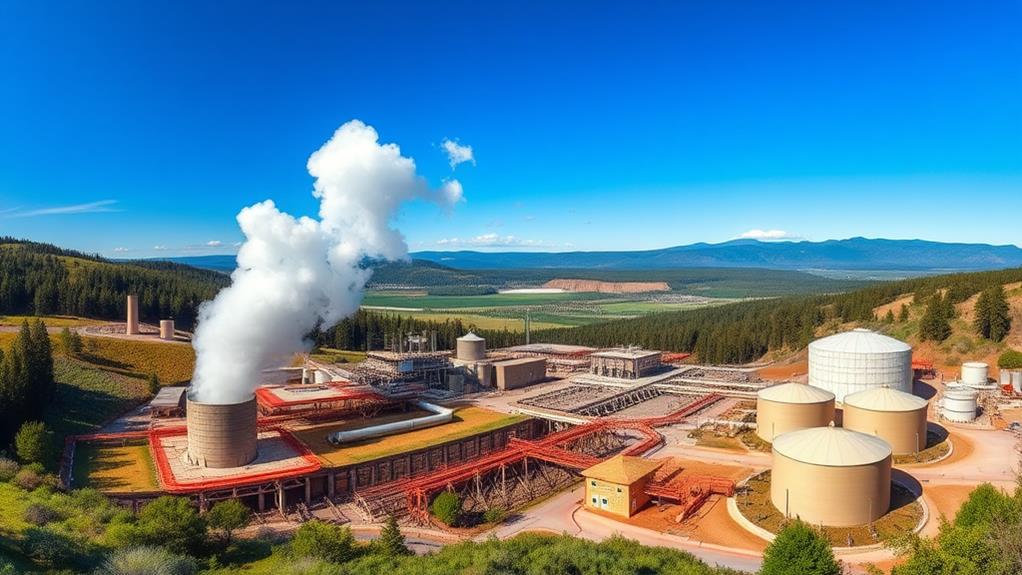
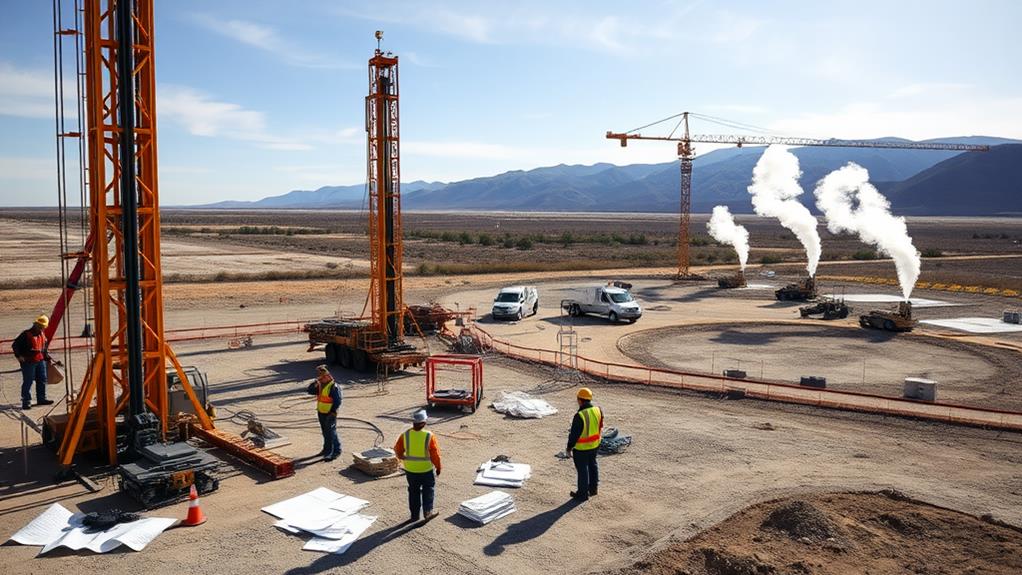
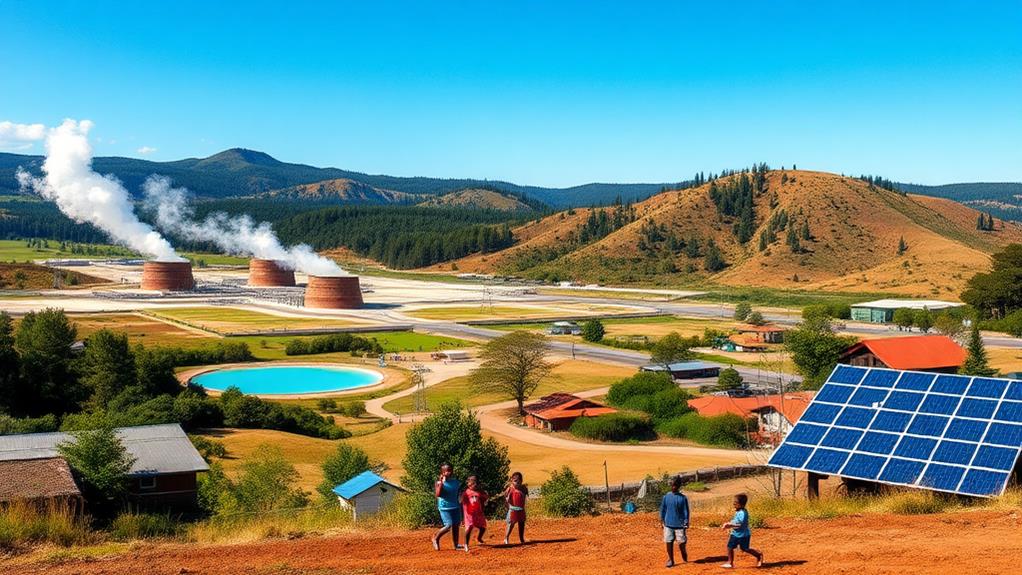
Understanding geothermal energy opens up a world of possibilities for sustainable power. This energy source, derived from the Earth’s internal heat, can be harnessed through steam and hot water reservoirs located underground. Across North America, significant geothermal resources exist along the Pacific Ring of Fire, particularly in regions with volcanic activity. The extraction process typically involves drilling wells 1-2 miles deep to access these resources. According to the U.S. Department of Energy, there are three main types of geothermal power plants—dry steam, flash steam, and binary-cycle—each converting underground heat into electricity by driving turbines, while geothermal heat pumps utilize stable underground temperatures for efficient building climate control. The DOE’s GeoVision analysis found the U.S. could support up to 60 gigawatts of conventional geothermal electric capacity by 2050, with next-generation enhanced geothermal systems potentially unlocking as much as 90 to 300 gigawatts. As we explore geothermal energy, we can reveal its potential to provide a reliable, renewable energy source, contributing to our collective goal of achieving energy sustainability and reducing carbon footprints.
Recommended Products


Benefits of Geothermal Power
As we explore the benefits of geothermal power, it’s essential to recognize its role as a reliable energy source, capable of providing consistent baseload electricity around the clock, unlike intermittent sources such as solar and wind. Moreover, the environmental sustainability advantages are significant: the U.S. Department of Energy notes that binary-cycle geothermal plants, the most common type being built today, produce no direct air emissions. Additionally, the economic growth opportunities, including job creation and energy independence, highlight geothermal energy’s potential to contribute to both local economies and broader energy security. For homeowners weighing the upfront investment, comparing financing options is a useful first step—see our guide to renewable energy financing options for context that applies across solar and geothermal projects alike.
Environmental Sustainability Advantages
Harnessing the power of geothermal energy offers us numerous environmental sustainability advantages that are hard to overlook. Geothermal energy, being a renewable resource, produces low or no direct emissions at the point of generation, considerably reducing greenhouse gases compared to fossil fuels. Unlike wind and solar, geothermal power plants can provide steady, on-demand baseload energy, helping stabilize the grid and decreasing dependence on non-renewable sources. Additionally, utilizing this form of energy improves air quality by eliminating many of the combustion pollutants associated with fossil-fuel power plants. The development of geothermal power plants and heat pumps not only promotes energy independence but also creates job opportunities, benefiting local economies. With a smaller land footprint per megawatt than many other utility-scale renewable technologies, geothermal systems minimize environmental disruption, preserving natural landscapes and contributing to a more sustainable future.
Economic Growth Opportunities
Geothermal energy can create a wealth of economic growth opportunities for local communities, and we can see its impact in various sectors. By investing in geothermal power plants, we not only enhance energy security but also stimulate job creation in drilling, plant operation, and maintenance. This contributes to a stable local workforce, reducing reliance on imported fossil fuels and stabilizing energy prices. Additionally, the establishment of these plants can attract further investment, fostering growth in tourism and research sectors. It’s worth noting that the incentive landscape has shifted: the 30% federal Residential Clean Energy Credit (Section 25D) for homeowner-installed geothermal heat pumps expired for any system placed in service after December 31, 2026, following the One Big Beautiful Bill Act, while business-scale projects may still qualify under separate Section 48E provisions with their own phase-down schedule. Because incentive rules now vary significantly by state, checking a resource like our state-by-state incentives overview before budgeting a project is more important than ever. Ultimately, harnessing geothermal energy still offers long-term economic benefits and resilience against fluctuating energy markets, making it an attractive option for sustainable development.
Reliable Energy Source
Investing in geothermal energy not only boosts local economies but also offers a dependable source of power that can meet our energy needs consistently. As a reliable energy source, geothermal power plants are recognized by the U.S. Department of Energy as providing firm, baseload generation with very high uptime compared with weather-dependent renewables. Unlike intermittent sources such as wind and solar, geothermal energy is available on demand around the clock, ensuring stability in the energy supply. Additionally, binary-cycle plants—now the dominant technology for new geothermal development—operate as closed-loop systems with no direct air emissions, underscoring their environmental sustainability. Harnessing the geothermal potential within our communities not only contributes to energy independence but also fosters job creation and reduces long-term energy costs. Homeowners who want to track the real-world output of a home energy system, whether solar, geothermal-assisted, or a hybrid setup, can also benefit from a home energy monitoring device to verify actual savings over time.
| Energy Source | Typical Availability | Direct Air Emissions | Notes |
|---|---|---|---|
| Geothermal (binary-cycle) | Continuous / baseload | None (closed-loop) | DOE notes it as the most common new geothermal plant type |
| Geothermal (dry steam / flash) | Continuous / baseload | Low, some steam release | Used where high-temperature steam or hot water reservoirs exist |
| Solar PV | Daylight hours, weather-dependent | None during operation | Requires storage for 24/7 output |
| Wind | Variable, wind-dependent | None during operation | Output fluctuates with wind speed |
| Natural gas | Continuous / dispatchable | Significant CO2 and other emissions | Common fossil-fuel baseload comparison |
Exploring Volcanic Regions
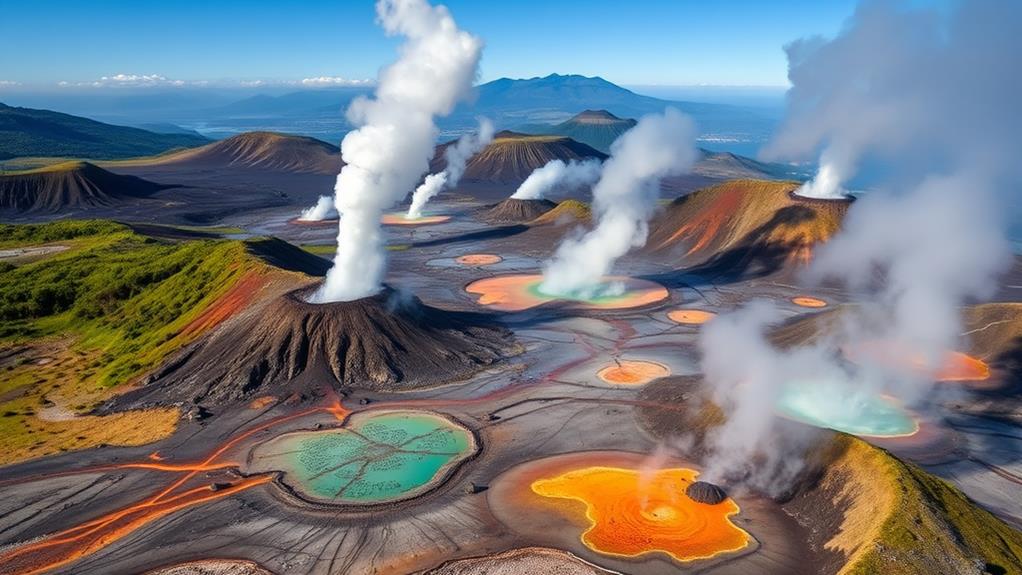
Volcanic regions offer a unique opportunity for us to tap into the Earth’s natural heat, making them ideal for geothermal energy development. The Pacific Ring of Fire, rich in volcanic activity, showcases numerous hotspots where geothermal reservoirs are abundant, including well-studied volcanic belts in the Pacific Northwest. Here, steam emissions and hot springs serve as significant surface indicators, guiding exploration of these geothermal resources. By studying features like geysers and thermal springs, researchers can collect essential data for identifying viable geothermal sites. It’s imperative that exploration teams engage in environmental monitoring and collaborate with local Indigenous communities, ensuring exploration practices remain sustainable and minimize ecological impact. Together, we can harness the immense potential of these remarkable volcanic landscapes for clean energy.
DIY Geothermal Systems
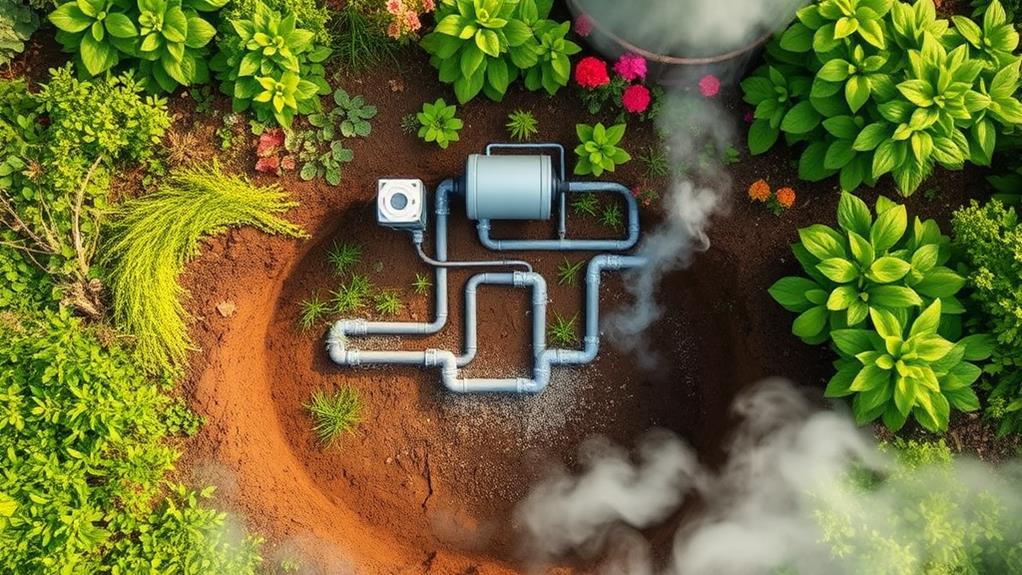
Harnessing the Earth’s natural heat doesn’t just happen in volcanic regions; homeowners can also install geothermal heat pump systems at a residential scale. By utilizing geothermal heat pumps, we can circulate refrigerant or a water-based fluid through underground pipes, effectively absorbing heat for both heating and cooling purposes. Although utility-scale geothermal power typically requires wells drilled 1-2 miles deep to access steam or hot water, residential ground-source heat pump loops are installed far shallower, and careful planning along with professional installation makes this feasible for most properties. These systems can considerably reduce energy bills, as they leverage the Earth’s consistent underground temperature, offering a sustainable energy source. To maximize efficiency, homeowners should guarantee proper insulation and sealing, and conduct regular maintenance checks to maintain ideal operation and longevity—principles similar to those covered in our DIY renewable system maintenance guide. Before committing to a system size, it’s also worth reviewing typical residential renewable installation costs to understand how geothermal budgets compare with solar.
Safety Considerations
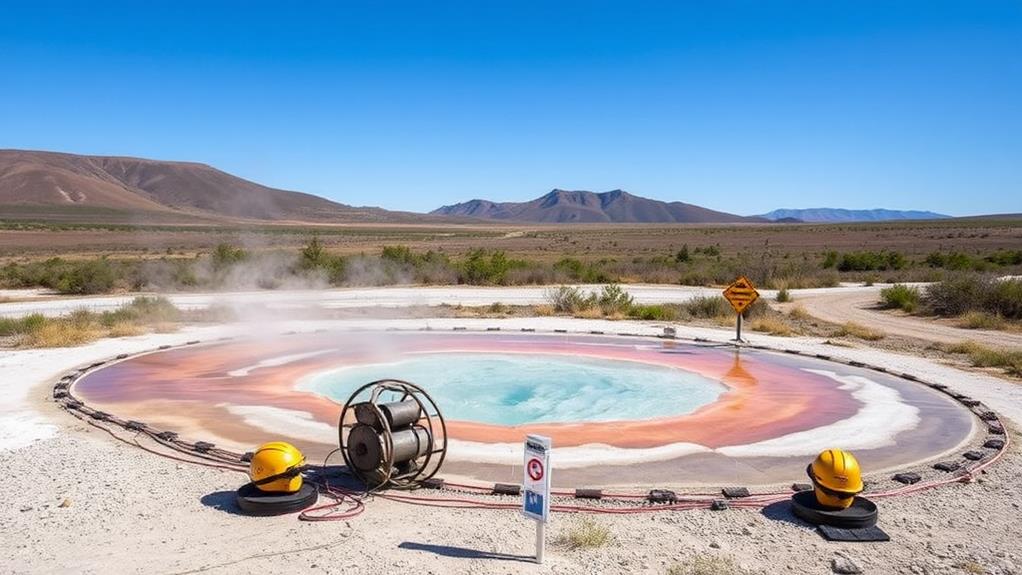
When commencing on a geothermal energy project, it’s important to prioritize safety. To guarantee compliance with safety standards, we must consult local regulations and seek professional guidance. Wearing proper protective equipment, such as gloves, goggles, and hard hats, is critical when working near geothermal wells and equipment, as it helps prevent injuries. Additionally, we need to be aware of the potential for toxic gases, like hydrogen sulfide, which can escape from geothermal sites; therefore, using gas detection systems to monitor air quality is essential. Regular maintenance of all drilling and extraction equipment is necessary to prevent accidents and environmental hazards. Finally, familiarizing ourselves with the geological characteristics of the area can help mitigate risks related to unstable ground or volcanic activity during exploration.
Recommended Products

Hibernation mode with case accessory or IntelliDoX

3X THE DETECTION: Model COPDLG detects low levels of CO, natural gas, propane and sounds a loud 85-dB alarm; backlit digital display indicates level of CO presence or the word "GAS" when explosive gas is present; replaces model 900-0113, KN-COEG-3

【H2S Monitor with Precision Gas Sensor 】 The H₂S monitor is a reliable safety device for continuous hydrogen sulfide gas detection. It features advanced circuitry, embedded microcomputer control, and a premium imported sensor, ensuring high sensitivity, excellent repeatability, and accurate performance.
Community Engagement
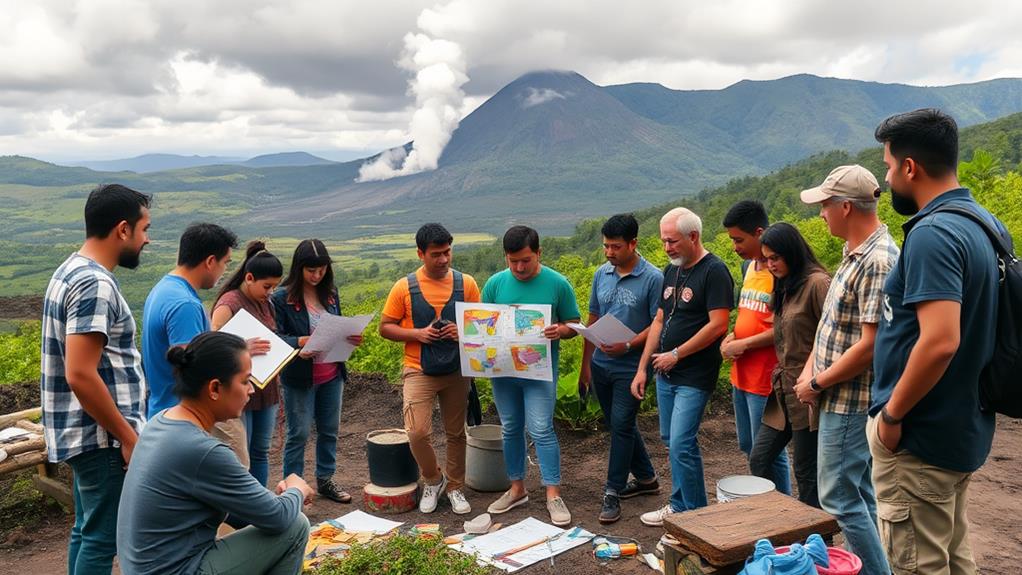
Community engagement is often a crucial element in the success of geothermal energy projects. For instance, when developing on traditional lands near volcanic sites in the Pacific Northwest, obtaining consent and building trust with local and Indigenous communities is essential. Addressing concerns about potential environmental impacts and ensuring community voices are heard remains a foundational part of responsible project development. By involving Indigenous monitors in geothermal research, developers can help mitigate environmental impacts and protect local wildlife, creating a collaborative approach to resource development. Actively seeking community feedback allows projects to align with local values, fostering a sense of ownership and partnership. Additionally, educational initiatives regarding geothermal energy enhance public awareness, encouraging community support for sustainable energy solutions—much like the community-driven models used in community solar participation programs.
Scientific Research and Innovations
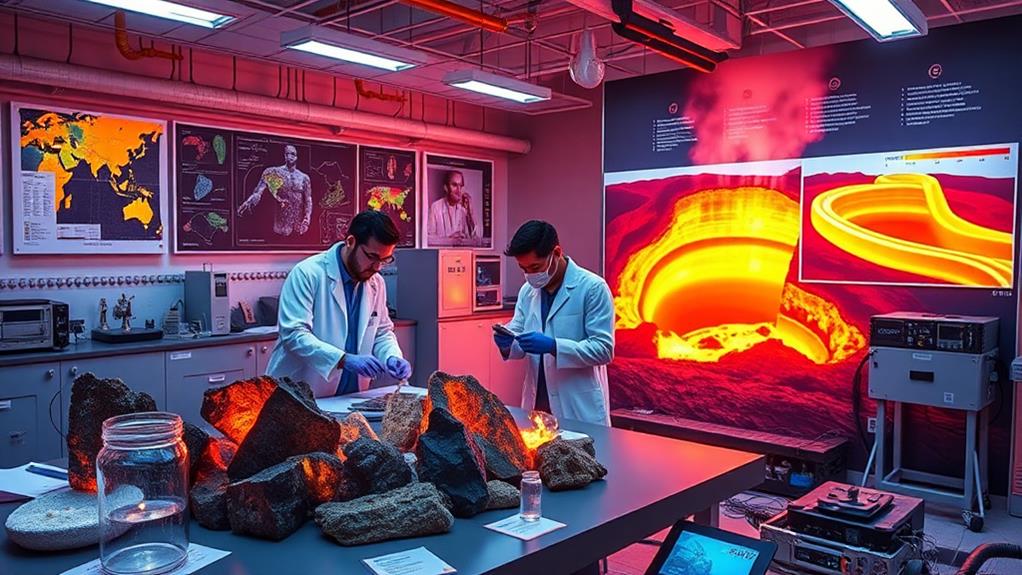
Building on our commitment to community engagement, we’re entering an exciting phase in geothermal energy development: scientific research and innovations. Advanced exploration techniques, like gravity surveys and subsurface imaging, are enhancing the ability to visualize geothermal reservoirs beneath volcanic regions, considerably boosting the efficiency of energy extraction. The Department of Energy’s push into enhanced geothermal systems (EGS)—which engineer fractures in hot rock to circulate fluid where natural reservoirs are absent—is central to unlocking the agency’s projected 90 to 300 gigawatts of next-generation geothermal potential nationwide. By collecting thermal spring water samples, researchers gain essential insights into the chemical properties and temperature profiles of geothermal resources. Additionally, new measurement tools for Earth’s magnetic and electrical fields are allowing scientists to identify geothermal zones more accurately. Collaborating with Indigenous communities guarantees that exploration teams are monitoring and mitigating environmental impacts, fostering trust in geothermal power plant initiatives amidst the urgency of climate change.
Future of Geothermal Energy
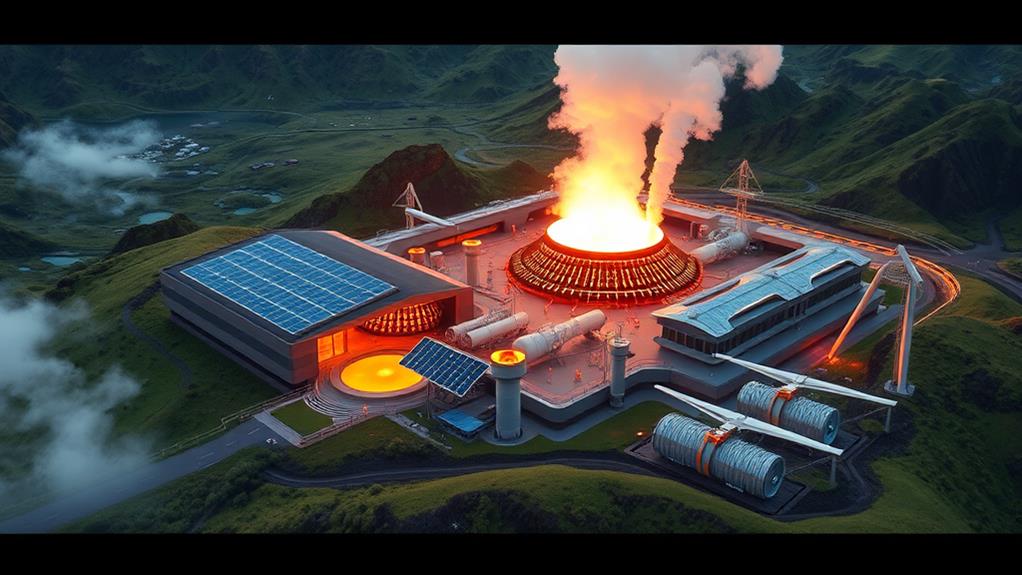
Embracing the future of geothermal energy, we’re witnessing a transformation driven by innovative drilling and exploration techniques that improve the ability to harness this sustainable resource. As developers dig deeper underground to access superheated water and rock, advancements are particularly promising in regions like the Ring of Fire, where geothermal potential is abundant. The Department of Energy’s GeoVision analysis and its follow-on enhanced geothermal systems research point to a pathway toward tens of gigawatts of new capacity in the coming decades, reflecting growing recognition of geothermal energy as a viable alternative to fossil fuels and aligning with the broader push for clean energy. On the residential side, with the federal 25D tax credit no longer available after 2026, homeowners are increasingly comparing geothermal against other options; our cost-benefit analysis of green energy systems is a useful starting point for that comparison. Additionally, fostering strong Indigenous relations guarantees that local communities are integral to project developments, creating jobs and stimulating local economies. Together, we’re not just extracting resources; we’re cultivating sustainable development and securing a cleaner energy future for all.
Recommended Products

1.【Specific】: Voltage: 110V/60Hz; Max Flow: 14.5/11.3/8.4GPM;Max Head: 19.6/16.4/9.8FT;Inlet/Outlet: 1’’


Frequently Asked Questions
How Can Geothermal Energy From Volcanoes Be Harnessed?
Geothermal energy from volcanic regions is harnessed by drilling geothermal wells to tap into underground heat and steam. This heat drives turbines to generate electricity, creating a renewable, low-emission energy source for surrounding communities.
Is the Federal Tax Credit for Geothermal Heat Pumps Still Available?
The 30% Residential Clean Energy Credit under Section 25D expired for geothermal heat pump systems placed in service after December 31, 2026, following passage of the One Big Beautiful Bill Act. Commercial and utility-scale geothermal projects may still qualify for separate incentives under Section 48E, and some state-level incentives remain available, so it’s worth checking current state programs before budgeting a project.
How Do You Harness the Power of a Volcano?
Volcanic heat is tapped by drilling geothermal wells into hot rock or fluid reservoirs near magma, capturing steam or hot water. That heat is converted into electricity through dry steam, flash steam, or binary-cycle power plant technology, depending on the resource temperature.
Is a Residential Geothermal Heat Pump the Same as Volcanic Geothermal Power?
No. A residential geothermal (ground-source) heat pump uses the stable shallow-ground temperature a few feet below the surface for heating and cooling, while utility-scale volcanic geothermal power plants tap much deeper, high-temperature reservoirs to generate electricity. Both rely on the same underlying principle of using the Earth’s stored heat, but at very different scales and depths.
How Can We Harness the Vast Potential of Geothermal Energy?
Expanding geothermal energy use involves both conventional hydrothermal development in volcanic regions and newer enhanced geothermal systems that engineer reservoirs in hot rock where natural water and permeability are limited. Continued research, responsible community engagement, and supportive policy are key to unlocking this renewable resource’s full potential.


