To maintain our solar panels effectively, we should focus on three essential DIY tips. First, we must clean the panels once or twice a year using a soft brush or sponge with dish soap and water, ideally during early morning or late afternoon to prevent thermal shock; this can boost energy production by approximately 15%. Second, visual inspections should occur biannually, checking for damage, corrosion, or any signs of animal activity. Finally, we can install performance monitoring systems to track efficiency and detect malfunctions promptly. By implementing these strategies, we can markedly enhance solar panel functionality and longevity, while more details await us ahead.
Key Takeaways
- Clean solar panels once or twice a year using a soft brush, dish soap, and water to improve energy production by up to 15%.
- Conduct visual inspections biannually to identify damage, corrosion, and signs of animal activity affecting panel performance.
- Monitor daily energy production with dedicated apps to quickly detect any performance issues or malfunctions.
- Check inverter performance regularly for unusual noises or error messages to ensure optimal functioning.
- Document all maintenance activities and inspections to assist with troubleshooting and warranty compliance.
Regular Cleaning Practices
You may be interested


Keeping our solar panels clean is essential for maximizing their efficiency, and doing so just once or twice a year can boost energy production by about 15%. To effectively clean your solar panels, we recommend using a soft brush or sponge with a mixture of dish soap and water, as this avoids abrasive materials that could scratch the surface. It's best to conduct regular cleaning early in the morning or late in the afternoon when the panels are cool, preventing thermal shock that may lead to cracking. While rain can assist in cleaning, in drier climates, dust accumulation can hinder peak efficiency, reducing energy production by up to 7%. For safety, always use a stable ladder and consider professional cleaning for hard-to-reach areas.
Recommended Products

20" Water Fed Pole Cleaning System: Featuring a wide 20" solar panel cleaning brush for greater coverage, solar panel cleaning kit is made with non-shedding, high-density nylon bristles to protect photovoltaic panels. Equipped with four high-flow nozzles for extensive water coverage and deep cleaning, plus a soap dispenser and 180° angle adapter. The solar panel brush adjusts continuously to fit panel contours perfectly, ensuring no dead angles and highly efficient cleaning.

20" Water Fed Pole Cleaning System: Featuring a wide 20" solar panel cleaning brush for greater coverage, solar panel cleaning kit is made with non-shedding, high-density nylon bristles to protect photovoltaic panels. Equipped with four high-flow nozzles for extensive water coverage and deep cleaning, plus a soap dispenser and 180° angle adapter. The solar panel brush adjusts continuously to fit panel contours perfectly, ensuring no dead angles and highly efficient cleaning.
Visual Inspection Techniques

Visual inspections play an important role in maintaining the efficiency of our solar panels. By conducting these inspections at least twice a year, we can identify potential issues that may affect performance, such as damage, corrosion, or loose hardware. It's vital to look for signs of animal activity, like debris or nesting materials, which can obstruct airflow and pose fire hazards. We should also monitor our monitoring system for any unusual error messages or sounds. Keeping detailed documentation of our inspections and findings not only assists with troubleshooting but also guarantees compliance with warranty requirements.
| Inspection Focus | Potential Issues | Action Required |
|---|---|---|
| Visual Inspection | Scratches, Cracks | Assess for damage |
| Hardware | Loose or Damaged | Tighten or replace |
| Animal Activity | Debris, Nesting | Clear obstruction |
Recommended Products

COMPREHENSIVE SAFETY KIT:Equip your photovoltaic solar system with our comprehensive Label Kit, including 48 vinyl stickers. Designed to meet the 2020 and 2017 National Code requirements, this kit ensures your installation adheres to the latest safety standards.
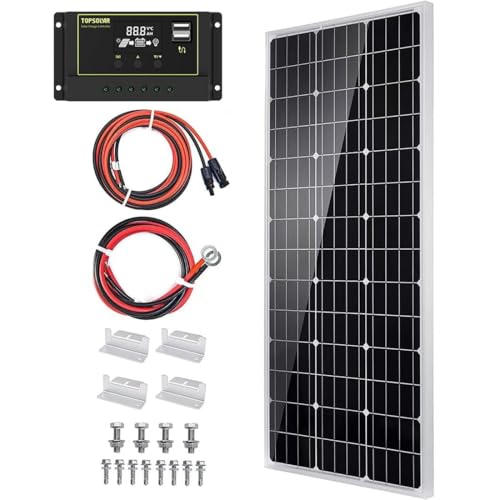
100W solar panel kits ideal for 12v battery charging, designed for RVs, cabins, homes, boats, caravan s, back-up and remote power use.

🏞️【Compact Solar Power for Small DIY Projects】 Each 0.45W 3V 150mA solar cell supplies nominal power for low-power experiments, solar toys, garden lights, flashlights, and compact electronics.
Performance Monitoring Strategies
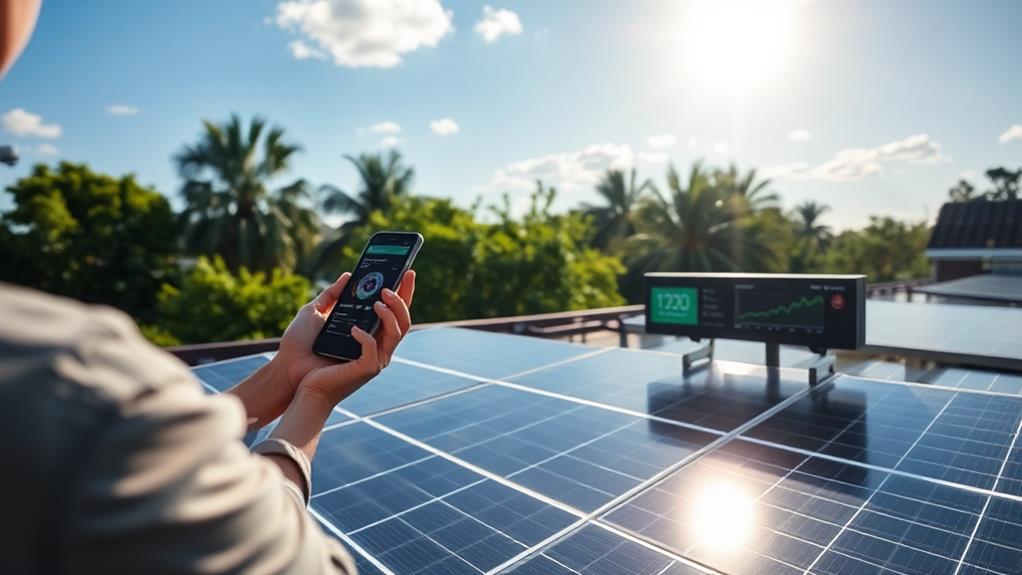
After we've conducted our visual inspections, it's time to focus on how we can monitor the performance of our solar panels. Effective performance monitoring is essential for maximizing energy output and system efficiency. Here are some strategies we can implement:
- Use dedicated apps to track daily performance and long-term energy production data, allowing us to detect drops in output quickly.
- Install external monitoring systems that alert us to panel malfunctions, ensuring timely repairs.
- Consistently check inverter performance, as any unusual noises or error messages may indicate issues affecting our solar panel system.
- Integrate monitoring with smart home technology for real-time updates on energy production, facilitating proactive maintenance of our solar setup.
Recommended Products
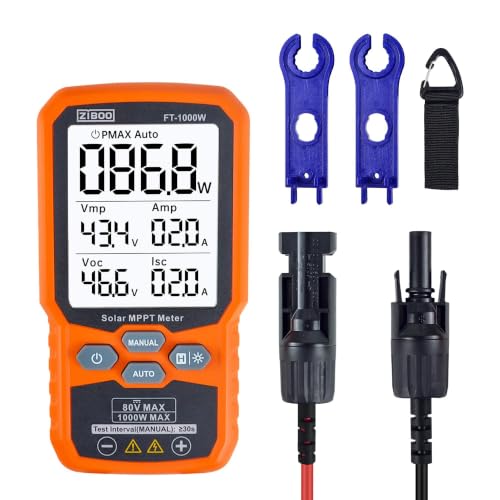
⚡ Professional-Grade PV Testing Measures maximum power (Pmax) up to 1000W, open-circuit voltage (Voc: 12-80V), and short-circuit current (Isc: 35A) with ±0.8% accuracy, ideal for validating solar panel performance in R&D, manufacturing, and field maintenance.
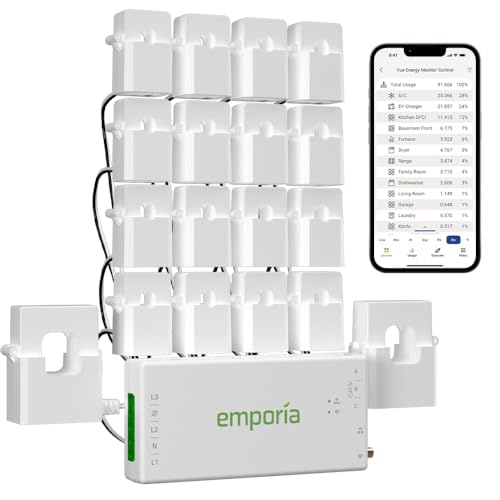
SAFETY YOU CAN TRUST WITH UL CERTIFICATION: With Emporia Energy, your home energy monitoring is safe, reliable, and certified. The Emporia Vue is UL Listed, meaning it has met rigorous safety standards for electrical products in the U.S. and Canada. This certification ensures that every component has been thoroughly tested to prevent hazards, such as overheating, short-circuiting, or fire, offering you peace of mind as you manage your home’s energy consumption.
Frequently Asked Questions
How Do You Maintain a Homemade Solar Panel?
To maintain our homemade solar panel, we should regularly check for damage, clean the photovoltaic cells, and guarantee secure wiring. This boosts solar panel efficiency, enhances lifespan, and maximizes our energy savings from DIY solar projects.
What Maintenance Is Needed on Solar Panels?
Did you know that neglecting solar panel cleaning can reduce performance by 15%? We should prioritize seasonal maintenance, like debris removal, inverter checks, and wiring inspections, to guarantee peak sunlight and efficiency for our energy independence.
What Is the Best Thing to Clean Solar Panels With?
When we're considering the best cleaning solutions for our solar panels, we should focus on mild soap and water to prevent grime buildup and water spots. Regular cleaning boosts panel efficiency while ensuring safety precautions are followed.
Can I Use Dawn Dish Soap to Clean My Solar Panels?
Like a gentle rain rejuvenating a garden, we can use Dawn dish soap for our solar panels. It promotes solar efficiency, ensuring a streak-free finish while considering cleaning frequency and environmental impact with smart techniques and safety precautions.