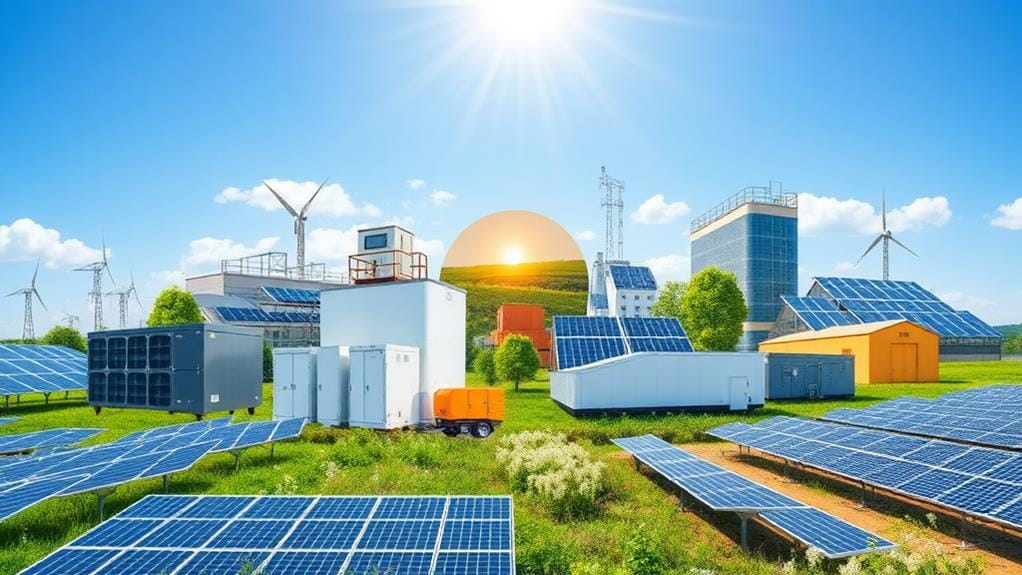
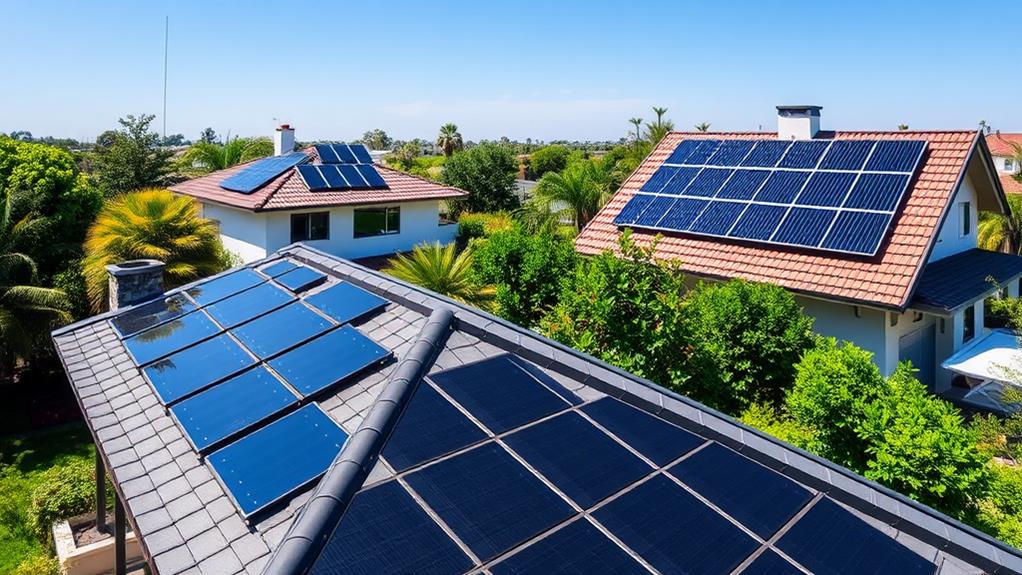
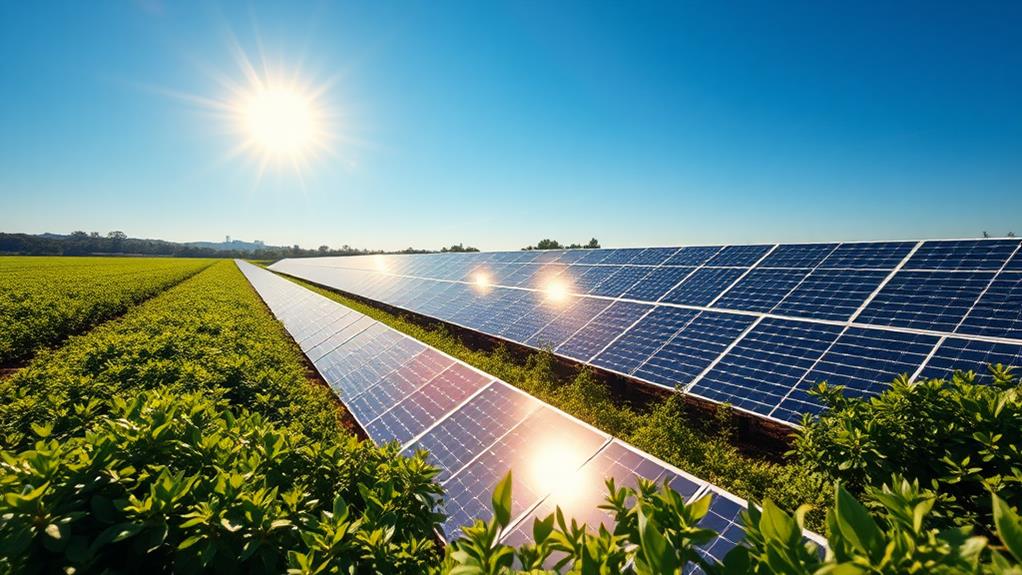
To boost solar farm efficiency, we can implement seven proven techniques: First, we adopt advanced solar technologies like high-efficiency perovskite and bifacial solar panels. Second, innovative cooling methods—both passive and active—effectively maintain ideal operating temperatures. Third, we integrate energy storage solutions, utilizing cutting-edge lithium-ion and solid-state batteries to balance supply and demand. Additionally, we optimize land use through agrivoltaic systems, and enhance grid connectivity with smart grid integration for real-time monitoring. Finally, we leverage government policies and incentives to reduce costs and improve viability. Exploring these strategies further reveals how they contribute to sustainable energy generation.
Key Takeaways
- Implement high-efficiency solar cells, such as perovskite and bifacial panels, to maximize energy output and material usage.
- Utilize solar trackers to increase energy capture by up to 25% through optimal panel orientation.
- Incorporate passive and active cooling techniques to enhance energy output by managing thermal losses effectively.
- Adopt advanced energy storage solutions like lithium-ion and flow batteries for improved grid stability and energy management.
- Leverage smart grid technology for real-time monitoring, optimizing energy distribution and reducing waste during peak demand.
Advanced Solar Technologies
You may be interested

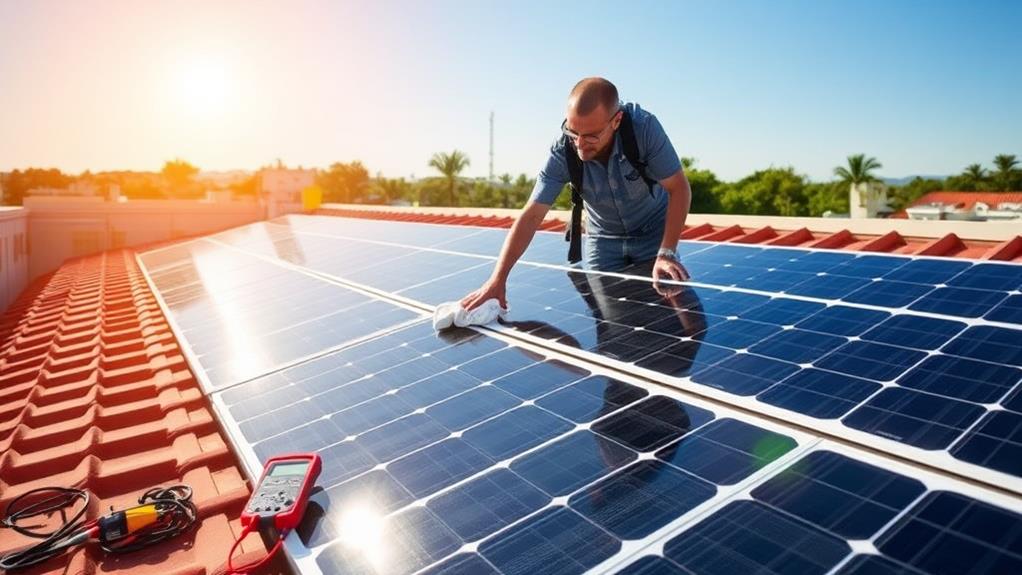
In recent years, we’ve seen considerable advancements in solar technologies that are boosting the efficiency of solar farms. One of the most promising developments is the rise of perovskite solar cells, which have achieved efficiencies of up to 29% in laboratory settings, using 20 times less material than conventional silicon cells. Furthermore, heterojunction solar cells, with current efficiencies ranging from 19-21%, offer the potential for further enhancements through innovative multi-layer designs. Additionally, incorporating single- and dual-axis solar trackers can increase energy capture by as much as 25%, optimizing the performance of solar panels. Together, these advanced technologies greatly contribute to improved energy efficiency, paving the way for a more sustainable future in solar energy production.
Recommended Products
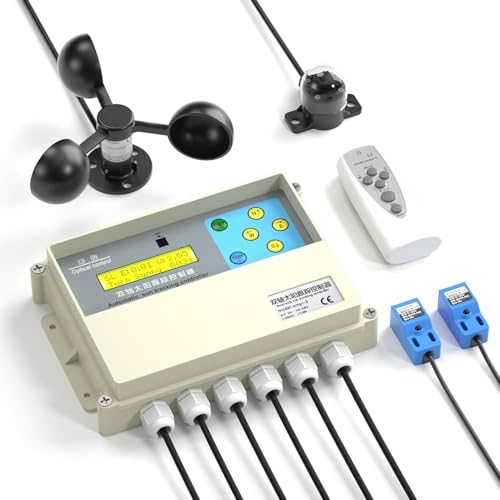
Auto Sun Tracking – Tracks the sun's movement both east–west and north–south to keep panels aligned for max power. No more manual adjusting.

[23% High-Efficiency + Dual-Axis 360° Smart Tracking] – The ultimate gear for off-grid geeks, providing ultra-portable fashional green power. Our built-in smart tracker, a true solar tracker and dual axis solar tracker system, turns it into a solar panel sun tracker that automatically follows the sun from morning to afternoon, delivering a higher daily energy yield hands-free. Under optimal conditions, this dynamic tracking helps the panel’s all-day generation exceed that of a 200W portable solar panel that requires constant angle adjustment, as well as a fixed 300W traditional solar panel. Set it, forget it, and maximize your solar harvest.

Dual Axis Solar Tracker Controller equipped with high-precision sensors to track the sunlight in real time, capable of leveling in case of wind, returning to position on cloudy days or at night, applicable to both the northern and southern hemispheres
Innovative Cooling Techniques
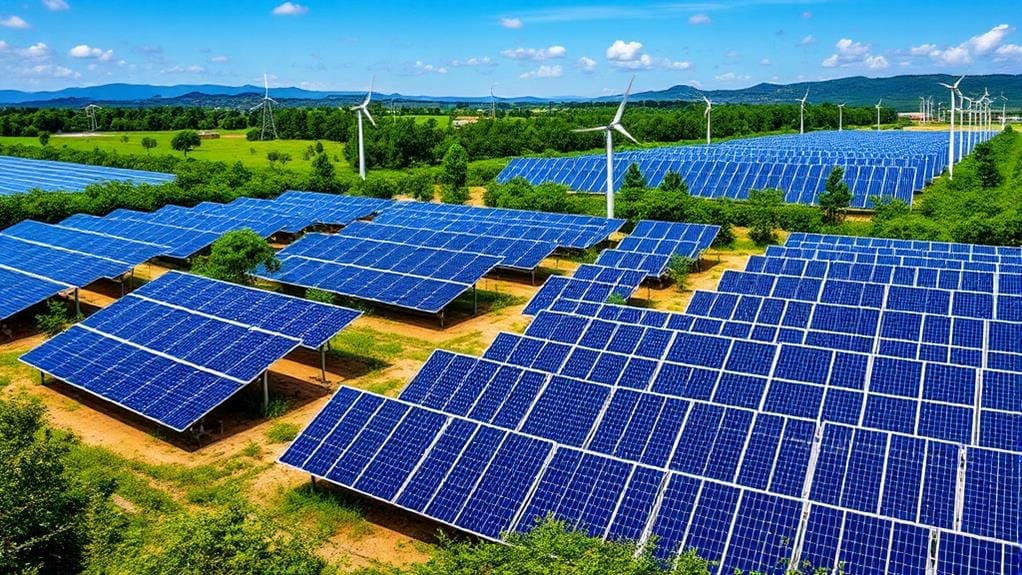
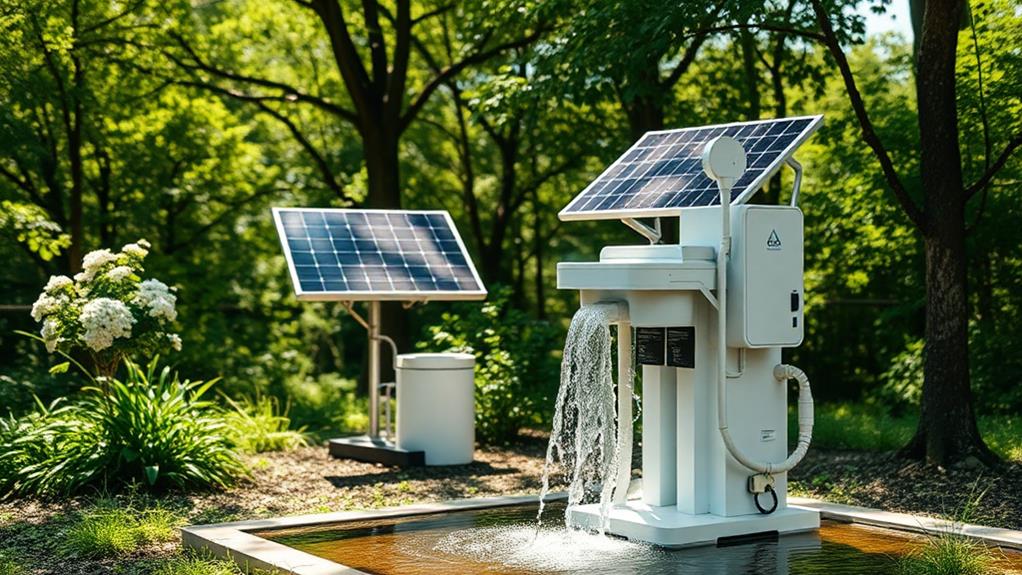
As we explore innovative cooling techniques, we recognize the critical role that both passive and active cooling systems play in enhancing solar panel efficiency. Passive cooling systems, which operate without energy consumption, help maintain ideal operating temperatures during peak heat periods, while active methods, like water spraying, can considerably decrease surface temperatures, leading to improved energy output, particularly in hotter climates. By integrating these cooling strategies into our solar farm designs, we not only boost energy generation but also extend the lifespan of our solar panels, thereby reducing long-term operational costs.
Recommended Products

Bendable for a Perfect Fit: Experience seamless installation on curved surfaces. With up to 240° of flexibility, this ultra-lightweight panel hugs the contours of your...
Passive Cooling Systems
Utilizing passive cooling systems can greatly enhance the efficiency of solar farms by reducing heat absorption without consuming extra energy. These systems employ techniques like reflective surfaces, which can considerably lower solar panel temperatures, thereby minimizing thermal losses and improving overall energy production. The integration of phase change materials allows for the absorption of excess heat, maintaining ideal operating temperatures for panels. Additionally, we can implement natural ventilation strategies that promote airflow, effectively dissipating heat and preventing overheating. Studies indicate that these passive cooling techniques can boost solar energy output by up to 10% in high-temperature environments. By adopting these innovative approaches, we can collectively enhance our solar farms and maximize their contribution to sustainable energy goals.
Active Cooling Methods
How can we maximize the efficiency of our solar panels in sweltering heat? By employing active cooling methods, we can considerably enhance the performance of photovoltaic cells. These techniques, like water spraying systems and phase change materials, help maintain ideal temperatures, which can increase the efficiency by up to 15% in extreme conditions. Additionally, reflective surfaces integrated into panel designs further reduce heat absorption, thereby enhancing energy conversion.
| Cooling Method | Efficiency Improvement |
|---|---|
| Water Spraying System | Up to 15% |
| Phase Change Materials | Maintains Ideal Temp |
| Reflective Surfaces | Reduces Heat Absorption |
| Thermal Management | Extends Panel Lifespan |
Implementing these solutions not only boosts energy output but also prolongs the lifespan of our solar installations.
Energy Storage Solutions
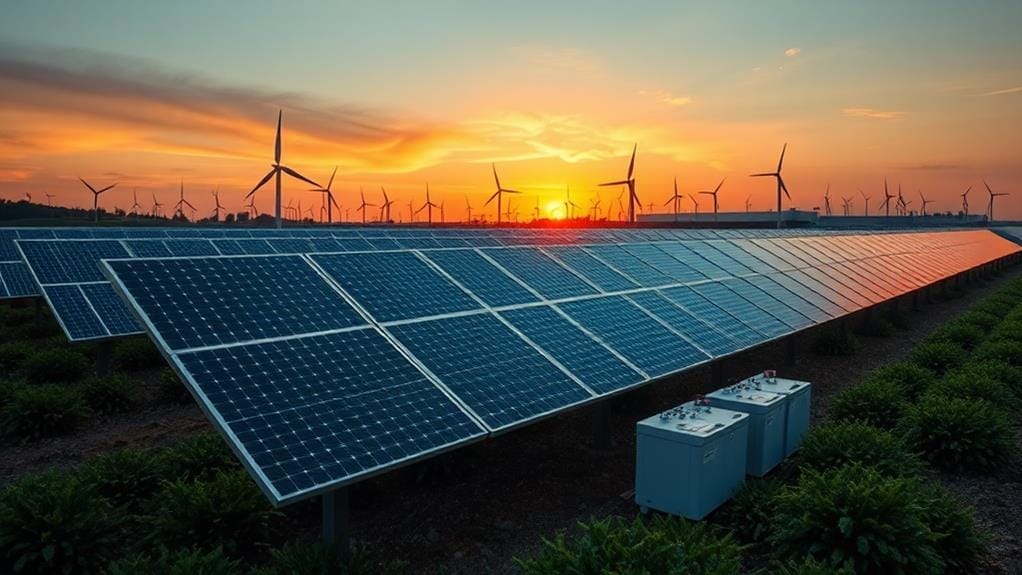
As we explore energy storage solutions, it is vital to recognize the advancements in battery technology, particularly lithium-ion and emerging solid-state batteries, which offer efficient and scalable options for short to medium-term storage. Additionally, long-duration storage options, such as flow batteries, play an important role in balancing energy supply and demand during peak usage times, thereby enhancing grid stability. By integrating these systems with solar installations, we can guarantee that the energy generated during peak sunlight hours is effectively utilized, contributing to a more reliable and resilient energy grid.
Recommended Products

【High Conversion Rate】This 20W solar panel with monocrystalline A+ solar cell has an excellent cell efficiency of 21%-30%. Designed to charge and maintain 12V rechargeable batteries like LiFePO₄, Lithium Ion, AGM, SLA, GEL, EFB, MF, etc. Keep batteries in charged for trailer, tractor, truck, boat, motorcycle, RV, car, lawn mower, water pump, gate opener, electric fence, etc
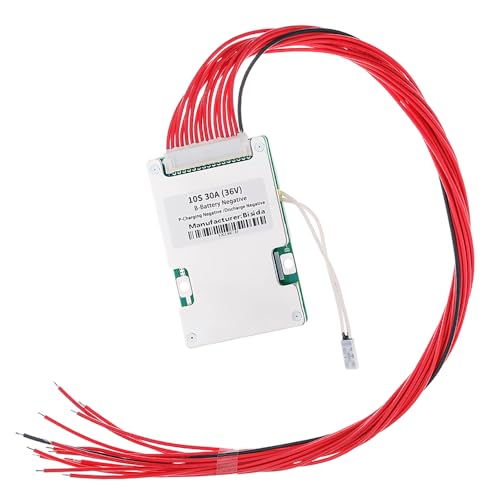
MULTIPLE PROTECTION Bisida's BMS has a variety of protection functions, such as over charge protection, over discharge protection, over current protection, short-circuit protection, temperature protection, isconnect protection, Voltage balance(passive balance), etc.
Battery Technology Advancements
While the solar industry continues to grow, the advancements in battery technology play an essential role in maximizing the efficiency of solar farms. Currently, lithium-ion batteries dominate the energy storage market due to their high energy density and efficiency, making them the preferred choice for solar farm integration. However, as we explore alternatives, solid-state batteries emerge as a promising option, offering greater safety and energy density. Moreover, flow batteries are gaining traction for their ability to balance intermittent production and demand through long-duration storage. Additionally, hydrogen storage is being recognized for its potential to convert excess solar energy into a storable form, thereby optimizing energy management. Integrating these battery technology advancements enhances grid stability, ensuring a reliable renewable energy shift.
Long-Duration Storage Options
Battery technology advancements have paved the way for exploring long-duration storage options that can greatly enhance solar farm efficiency. As we endeavor for improved energy utilization, these technologies offer solutions that align with our goals for sustainability.
- Flow batteries provide extended discharge times, often exceeding 10 hours, perfect for balancing solar energy supply with demand.
- Solid-state batteries present higher energy density and enhanced safety, making them a promising alternative to traditional batteries.
- Hydrogen storage converts excess solar energy into hydrogen via electrolysis, allowing for long-term storage and power generation.
Grid Stability Enhancement
Grid stability is essential for integrating solar energy into our power systems effectively. By utilizing advanced energy storage solutions, we can optimize the balance between solar power generation and consumption. Lithium-ion batteries dominate the market, allowing us to capture and release energy according to demand fluctuations, while flow batteries provide long-duration storage, ideal for managing intermittent solar production during peak periods. Additionally, solid-state batteries promise higher energy density and durability, enhancing the reliability of our energy storage systems. Hydrogen storage systems present a long-term solution, converting excess solar energy into hydrogen for future use. Ultimately, integrating these technologies not only improves grid stability but also enhances overall reliability, ensuring a sustainable shift away from fossil fuel dependency during peak energy use times.
Sustainable Practices and Materials

In our pursuit of enhancing solar farm efficiency, embracing sustainable practices and materials is essential. By integrating solar energy production with agricultural land, we can optimize land use while benefiting farmers. This dual approach not only increases profitability but also promotes biodiversity. Furthermore, the use of recyclable materials in solar panel production greatly reduces our environmental impact, with ongoing research focusing on bio-based alternatives to further lower carbon footprints.
We can consider these key sustainable practices:
- Agrivoltaic systems that support simultaneous crop growth.
- Floatovoltaics that enhance energy output through water cooling.
- Hybrid turf erosion control for effective stormwater management.
Smart Grid Integration
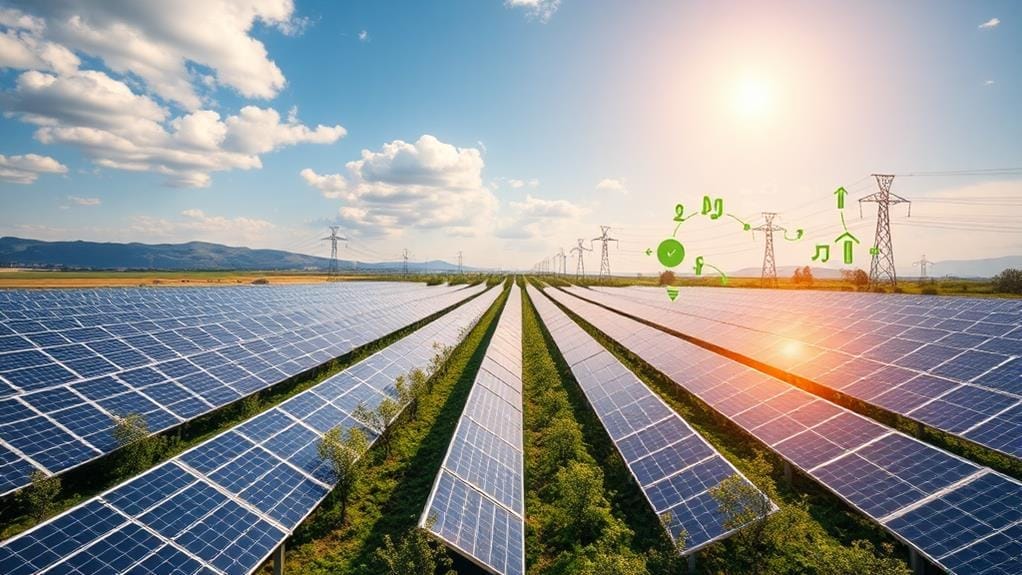
A seamless integration of smart grid technology is revolutionizing how we manage solar energy. By enabling real-time monitoring of energy usage, smart grid integration allows us to optimize energy distribution from solar farms, greatly reducing waste during peak demand times. The advanced metering infrastructure within smart grids enhances both efficiency and reliability, ensuring effective energy management as solar power flows to the grid. Furthermore, demand response systems linked to these grids automatically adjust energy consumption based on solar generation, maximizing our utilization of available solar power. Incorporating IoT devices facilitates automated energy management, improving operational efficiency through better data collection and analysis. Additionally, digital twin technology supports predictive maintenance, ultimately enhancing uptime and energy production for solar farms, driving us toward a sustainable future.
Solar Panel Technology

Solar panel technology has come a long way, offering various options to maximize energy efficiency and output. As we explore these advancements, we realize that selecting the right type of panel can greatly impact our solar farm’s productivity. Here are some remarkable options:
- Monocrystalline panels achieve high efficiency rates, reaching up to 22%, while polycrystalline panels provide a more budget-friendly alternative with efficiencies ranging from 15% to 20%.
- Bifacial solar panels capture sunlight from both sides, enhancing energy yield.
- Heterojunction solar cells allow for efficiencies between 19% and 21%, with the potential to reach 28%.
Recommended Products

[Bifacial] Have you ever seen a transparent backsheet design on a solar panel? JJN is! This improved model of 200W solar panel can produce electricity from both the front and the back, in contrast to conventional panels!
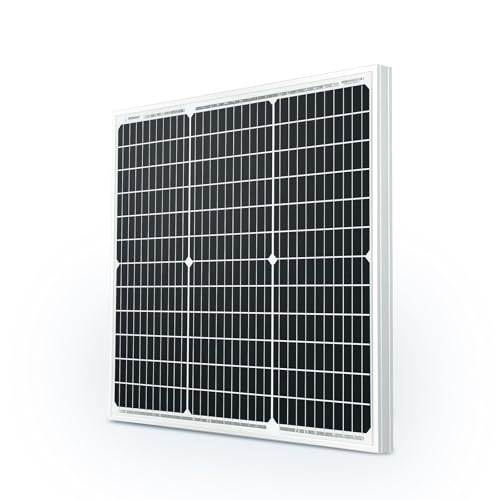
Advanced encapsulation material with multi-layered sheet laminations to enhance cell performance and provide a long service life.

【High Conversion Efficiency, Fast Charging】The upgraded A+ grade monocrystalline solar cells achieve a conversion rate of 24%, maximizing solar energy capture. With ample sunlight, they can generate a maximum output power of 400W. The latest ETFE laminated case offers a light transmission rate of over 95%, significantly improving the performance of the solar cells.
Policy and Incentives

Effective policy and incentives play an essential role in enhancing solar farm efficiency. For instance, government incentives like the 30% investment tax credit greatly lower upfront costs, making solar installations more financially accessible for developers and landowners alike. Additionally, renewable portfolio standards mandate a specific percentage of energy generation from renewable sources, thereby fostering increased solar development. Feed-in tariffs guarantee fixed payments for solar energy producers, providing a stable revenue stream that enhances project financing. Furthermore, net metering policies allow solar users to sell excess energy back to the grid, yielding further financial benefits. Finally, international agreements aimed at accelerating the shift to renewable energy create a supportive policy environment, driving investment and innovation in solar energy projects that we all can benefit from.
Frequently Asked Questions
How to Increase Solar Power Efficiency?
To increase solar power efficiency, we should focus on solar tracking for ideal panel orientation and conduct thorough shading analysis. Together, these strategies help us maximize energy capture and create a more sustainable future for everyone.
What Will Make Solar Energy More Efficient?
To make solar energy more efficient, we should embrace advancements in solar panel technology, utilize tracking systems for ideal sunlight capture, and integrate energy storage solutions, ensuring we maximize our renewable energy potential together.
How Do You Make Solar Panels 100% Efficient?
While we can’t make solar panels 100% efficient, exploring material advancements like perovskite-silicon tandem cells shows promise. By enhancing energy conversion, we can work together to push the boundaries of solar panel technology.
How Can I Improve My Solar PV System Performance?
To improve our solar PV system performance, let’s focus on regular maintenance tips, explore advanced installation techniques, and consider inverter upgrades. Together, we can maximize our energy output and guarantee a sustainable future for everyone.