To maximize energy with bifacial solar panels, we need to utilize their ability to capture sunlight from both sides, enhancing energy output by 10-30%. We should install panels at a tilt angle between 30 to 45 degrees, ensuring ideal alignment for seasonal adjustments. Maintaining 3-5 inches of row spacing not only prevents snow accumulation but also allows for better rear-side irradiance. Additionally, using reflective surfaces, such as white gravel, can further increase energy absorption by up to 20%. Regular maintenance and performance monitoring are vital for ensuring peak efficiency and longevity. More strategies for enhancement await our exploration.
Key Takeaways
- Adjust the tilt angle of bifacial panels between 30 to 45 degrees to optimize sunlight capture throughout different seasons.
- Maintain 3-5 inches of spacing between rows to enhance rear-side absorption and prevent snow accumulation.
- Utilize reflective ground materials like white gravel to boost rear-side energy absorption by 10-20%.
- Implement adjustable racking systems to maximize sunlight exposure and optimize panel orientation for reduced shading.
- Conduct regular maintenance, including cleaning and performance monitoring, to maintain peak efficiency and prolong panel lifespan.
Understanding Bifacial Solar Panels
You may be interested

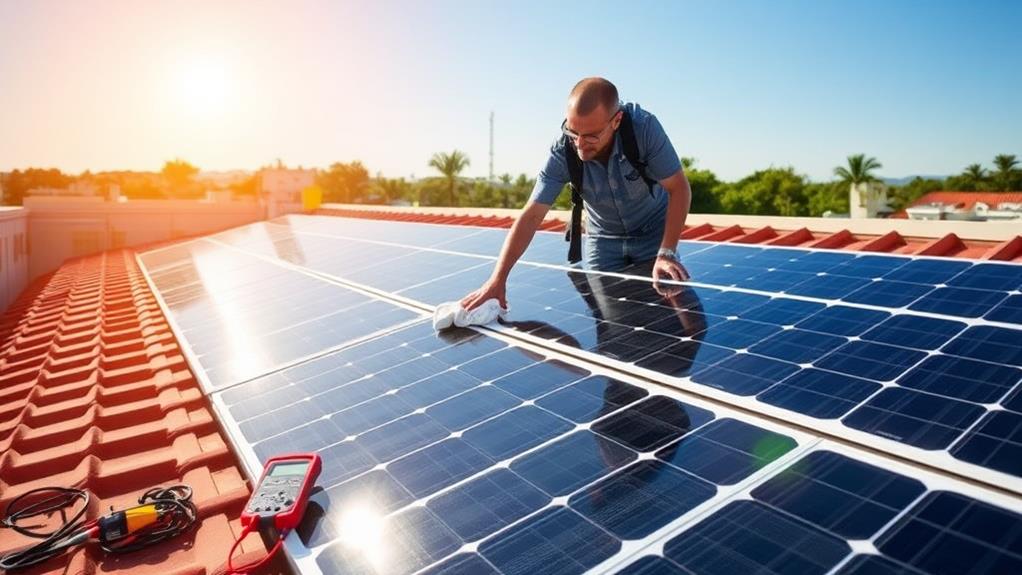
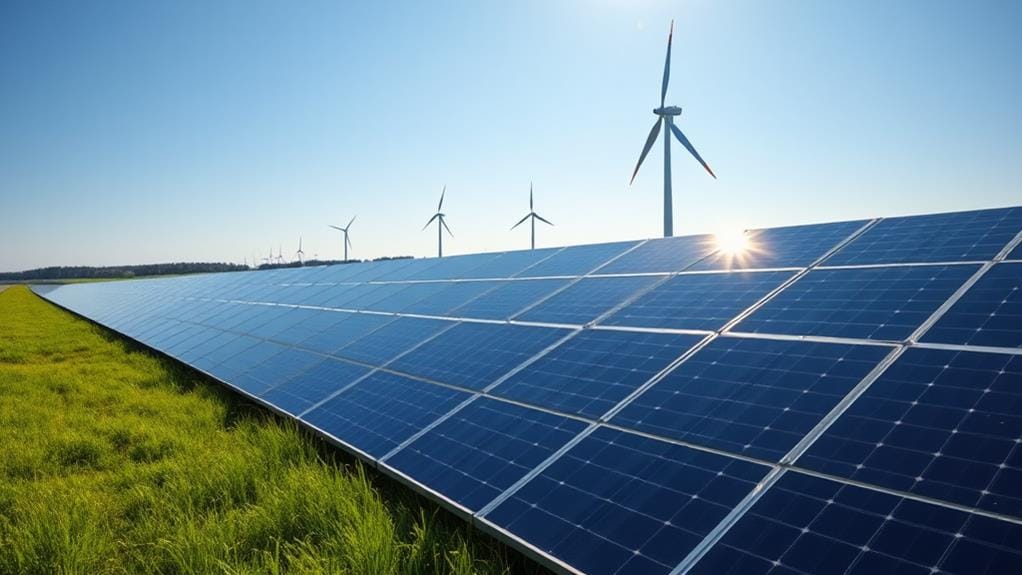
When we think about solar panels, bifacial technology stands out for its innovative approach to harnessing solar energy. Unlike traditional monofacial panels, bifacial solar panels capture sunlight from both sides, which can lead to a remarkable 10-30% increase in energy yield. This enhancement is particularly significant in reflective environments, where surfaces like snow or sand can boost energy generation by reflecting light onto the rear side of the panels. Constructed with a transparent backing, these panels effectively absorb light even in low-light conditions, enabling a remarkable efficiency range of 65% to 90% of the front-side capacity. Their dual-sided design makes bifacial solar panels versatile for various installations, from large-scale solar farms to commercial applications, optimizing our energy production potential.
Key Advantages of Bifacial Panels

As we explore the key advantages of bifacial solar panels, it's clear that their unique design offers significant benefits over traditional options. Bifacial panels can produce 10-30% more energy, thanks to their ability to capture sunlight from both sides, particularly in reflective environments. The albedo effect plays an essential role, enhancing performance by utilizing reflective surfaces like white rooftops and snow, increasing rear-side energy capture. Their double-glass construction not only guarantees higher durability but also improves low-light performance, allowing effective energy generation in diffused light conditions. Additionally, bifacial panels are versatile, suitable for various installations such as ground mounts and agrivoltaic systems, optimizing land use for energy solutions and agriculture, while contributing to reduced Levelized Cost of Energy (LCOE) and higher efficiency.
Optimal Installation Practices

When we consider ideal installation practices for bifacial solar panels, it is vital to focus on factors like proper tilt angle and row spacing techniques. By ensuring a tilt angle that maximizes solar exposure while minimizing shading and maintaining a row spacing of 3-5 inches, we can greatly enhance energy capture and performance. These practices are important not just for maximizing irradiance on the front side but also for improving the light access to the rear, ultimately leading to improved overall efficiency.
Recommended Products

Unmatched Cell Efficiency - Renogy Bifacial Solar Panel features grade A+ cells, delivering an impressive conversion efficiency of 25%.This 250 watt solar panel provides 20W more power output compared to conventional p-PERC panels of the same design.

[Bifacial Solar Panel]Bifacial solar panels using 12BB solar cells, backsheet using composite materials, transmittance up to 91.5%, conversion rate of 23%. In addition, in order to utilize the higher efficiency of the solar dual panel, it is recommended to match the solar tracker bracket and four-panel bracket. The solar tracker bracket and ample light space under the bracket can make the panels work better

【High-Efficiency N-Type 18BB Solar Panel】Our AeternaSol 200W solar panel features premium N-Type A+ Grade cells, a high-performance N-type model standing out in the market. Adopting 18 Busbars, it achieves 25.6% high efficiency and stable power output for all scenarios. A+ monocrystalline silicon minimizes microcrack risks; combined with 18BB silver-containing busbars, it ensures low degradation (≤1% first year, ≤0.4% annually) and extended service life, a reliable choice for RV or home backup power.
Proper Tilt Angle
Achieving maximum energy efficiency with bifacial solar panels hinges on the proper tilt angle during installation. We generally recommend a tilt angle of 30 to 45 degrees, tailored to our geographic location and seasonal variations, to optimize direct sunlight exposure. By adjusting the tilt angle seasonally, we can enhance energy capture efficiency considerably; steeper angles not only improve light access but also help shed snow effectively. Utilizing adjustable racking systems allows us to fine-tune the tilt angle based on changing sunlight conditions, contributing to greater energy production. For ground-mounted bifacial panels, aligning the tilt angle with the sun's path increases rear-side irradiance, further boosting overall energy output. Proper installation practices guarantee we harness the maximum potential of our solar investment.
Row Spacing Techniques
Effective row spacing is vital for maximizing the energy output of bifacial solar panels. To achieve ideal performance, we should maintain a spacing of 3-5 inches between rows to prevent snow accumulation while allowing light to reach the back of the panels, enhancing rear-side light absorption. Ideally, wider inter-row spacing—around 2.5 meters—can greatly increase energy output by leveraging the albedo effect from the ground, which improves rear-side irradiance. Furthermore, positioning panels with adequate spacing minimizes shading from adjacent rows, ensuring both sides receive ideal sunlight exposure throughout the day. Regular assessments of the bifacial panel arrangement, particularly in varying geographic conditions and seasonal sun angles, are essential to fully enhance energy capture efficiency and maximize our investment in solar technology.
Importance of Panel Orientation

The orientation of bifacial solar panels plays an essential role in maximizing their energy capture. By installing these panels in a portrait orientation, we minimize shading on the backside while facilitating snow to slide off more effectively, enhancing overall energy production. A steeper tilt angle or adjustable racking improves sunlight exposure throughout the day, considerably increasing the efficiency of our bifacial systems. To further improve light absorption, utilizing reflective ground materials, such as light-colored surfaces beneath the panels, can boost rear-side energy absorption by up to 20%. Additionally, positioning the bottom edge of the bifacial array at a recommended height of 42.5 inches off the ground guarantees ideal irradiance and prevents shading from surrounding objects, maximizing our energy output.
Recommended Products

【Grade A+ Cells, Up to 25% Efficiency】200 watt solar panel utilizes advanced N-Type A+ Grade solar cells and utilizes advanced 18 BB Silver-Containing Full Welding Busbars technology(which improves the photoelectric conversion efficiency and ensures a longer service life compared to traditional 10BB/12BB solar cells) with an increased cell efficiency of 25% EL tested,outperforming traditional panels.
![EPOCH 860W Bifacial Solar Panels,N-Type Class A 12/24 Volt Monocrystalline Solar Panel, High-Efficiency Waterproof Solar Module for RV Camping, Boat, Marine,Off-Grid[430w×2pcs]](https://m.media-amazon.com/images/I/41PNfSmgR5L._SL500_.jpg)
☀【Class A Solar Cell】The EPOCH solar panel features high-quality grade A+ solar cells and incorporates PERC,half-cut cell and bypass diodes.More Busbar,More Power.The Epoch 430W solar panel incorporates a high-level 16BB cell design,enhancing its lifespan for long-term performance.

[Bifacial Solar Panel]Bifacial design captures light from both sides, delivering up to 30% rear-side gain on white reflective surfaces (approx. 5–10% on grass, 15–25% on sand/gravel).]It delivers 2000Wh per day – giving you reliable power for camping, road trips, or remote living, even when space is limited.
Effective Spacing Techniques

When we consider effective spacing techniques for bifacial solar panels, it's essential to maintain ideal row separation to maximize energy production and guarantee efficiency. A spacing of 3-5 inches not only prevents snow accumulation but also enhances light exposure on the back side of the panels, while a recommended separation of around 2.5 meters allows for improved ground reflectivity, thereby leveraging the albedo effect. By adopting wider spacing and potentially incorporating single-axis trackers, we can accommodate seasonal sun angles, further enhancing rear-side light absorption and increasing overall energy yield.
Recommended Products
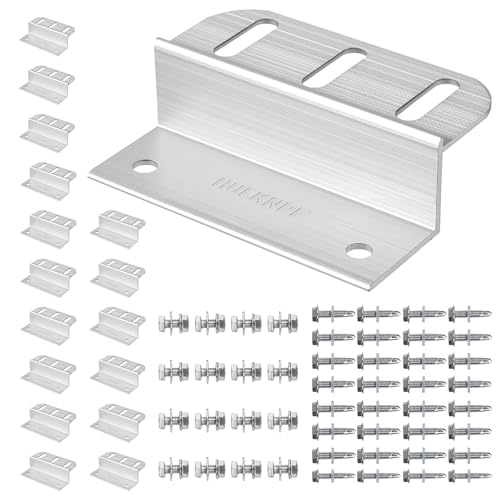
Durable & Wind-Resistant Build: Crafted from corrosion-resistant aluminum alloy, these heavy-duty Z brackets provide long-lasting, stable performance and withstand high winds for outdoor solar installations.

【SUPERIOR QUALITY】 Anodized Aluminum Z brackets, Stainless Steel Hex Bolts and Screws, service life up to 25 years, perfectly supporting solar panels in off-grid installations.

Renogy mounting Z brackets are very easy to use, unique designed, and perfect for irregular surfaces
Optimal Row Separation
Finding the right spacing between rows of bifacial solar panels is vital for maximizing energy output. We should aim for an initial separation of approximately 2.5 meters, as this facilitates ideal height and enhances rear-side light exposure through ground reflection. Furthermore, maintaining a spacing of 3-5 inches can help in effective snow management, ensuring that both sides of the panels receive adequate light. It's important to avoid shading from adjacent panels, as even minimal shading can greatly impact energy production. Additionally, increasing the distance between panels and reflective surfaces to 1-2 meters enhances light access, leading to considerable gains in energy output. By considering these spacing techniques, we can achieve greater efficiency in our solar energy systems.
Ground Reflectivity Enhancement
Maximizing ground reflectivity is essential for enhancing the performance of bifacial solar panels. To achieve effective ground reflectivity enhancement, we must consider ideal spacing techniques. By maintaining a 3-5 inch gap between rows of our bifacial solar array, we allow light to reach the back sides while preventing any potential snow accumulation. Additionally, using high reflectivity materials, such as white gravel or concrete, can boost energy production efficiency by up to 20%.
| Technique | Description | Impact |
|---|---|---|
| Row Separation | 2.5 meters between panels for ideal reflection | Maximizes rear-side irradiance |
| Elevation | Bottom edge at 42.5 inches | Prevents shading from vegetation |
| Material Choice | Reflective surfaces beneath panels | Enhances albedo effect |
Collectively, these strategies help us harness the full potential of bifacial solar technology.
Snow Accumulation Prevention
To effectively prevent snow accumulation on bifacial solar panels, we need to focus on strategic spacing techniques. Maintaining a distance of 3-5 inches between rows helps snow slide off more efficiently, reducing the load on lower panels. This inter-row spacing not only facilitates light access to the back side of the bifacial panels, enhancing energy generation even when the front is snow-covered, but also allows snow to fall through gaps, minimizing obstruction. Additionally, elevating installations to a height of 42.5 inches prevents self-shading from accumulated snow, optimizing irradiance. Finally, using light-colored ground materials, such as white gravel, can enhance the albedo effect, improving rear-side energy capture during snowy conditions, ensuring maximum efficiency.
Utilizing Reflective Surfaces

While we explore the potential of bifacial solar panels, utilizing reflective surfaces proves to be a game changer for boosting energy output. By installing bifacial technology over high albedo surfaces like white gravel or concrete, we can enhance rear-side energy absorption by approximately 10-20%. Moreover, surfaces with high reflectivity, such as grass or sand, can elevate overall production by an impressive 5-30% compared to traditional monofacial panels. It's essential to maintain adequate spacing between panel rows, ensuring reflected light reaches the back, even during snow cover. Additionally, using reflective materials like white paint around installations can scatter light effectively, maximizing irradiance. By optimizing installation height to 42.5 inches, we greatly improve the overall efficiency of our energy generation systems.
Maintenance for Peak Performance

Keeping our bifacial solar panels in top shape is vital for ensuring they operate at peak performance. Regular maintenance, including cleaning to remove dirt and debris, can enhance efficiency by up to 20%, guaranteeing unobstructed light access on both sides. We should implement monitoring systems to track performance, allowing for prompt identification of issues that might hinder energy production. Seasonal assessments are necessary to adjust the tilt angle of the panels, optimizing sunlight exposure year-round. Inspections for physical damage or wear are essential to prolonging both lifespan and efficiency. In addition, analyzing energy output data helps us refine operational strategies, enabling real-time adjustments based on performance metrics and environmental conditions, ultimately ensuring we maximize our energy capture potential.
Cost Considerations and Benefits

Maintaining our bifacial solar panels not only guarantees peak performance but also leads us to reflect on the financial implications of our investment. While the initial costs for bifacial panels range from $500 to $700 per kilowatt, their ability to generate 10-30% more energy compared to traditional panels can greatly enhance our energy output. By utilizing high albedo surfaces beneath these panels, we can further improve energy production by up to 20%. Although the upfront investment may seem intimidating, government incentives can help mitigate these initial costs, making bifacial systems more accessible. Over time, the increased efficiency and durability of bifacial panels contribute to a lower Levelized Cost of Energy (LCOE), ensuring long-term cost-effectiveness and substantial savings on electricity bills.
Recommended Products

【N-Type 16BB High-Efficiency Solar Cells】The Callsun 200 watt solar panel is built with advanced N-type solar cells and 16BB busbar technology, delivering up to 25.6% conversion efficiency. Compared to traditional P-type cells, N-type solar panels generate higher power output and better reliability, while the 16BB design reduces hot spots and hidden cracks — ensuring superior performance and a longer lifespan.
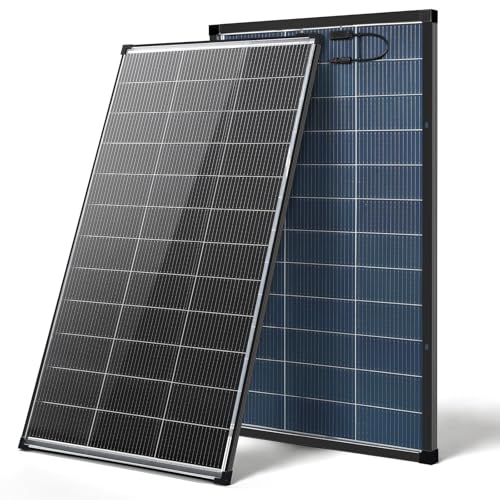
【Grade A+ Cells, Up to 25% Efficiency】200 watt solar panel utilizes advanced N-Type A+ Grade solar cells and utilizes advanced 18 BB Silver-Containing Full Welding Busbars technology(which improves the photoelectric conversion efficiency and ensures a longer service life compared to traditional 10BB/12BB solar cells) with an increased cell efficiency of 25% EL tested,outperforming traditional panels.

【25% High Efficiency with N-Type 16BB Solar Cells】The Callsun 200W solar panel is built with advanced N-type monocrystalline cells and 16BB busbar technology, delivering up to 25.6% conversion efficiency. Compared to traditional P-type cells, N-type cells provide higher power output and improved reliability. The 16BB design helps reduce hot spots and micro-cracks, supporting more stable energy production and a longer operational lifespan.
Frequently Asked Questions
How Can We Increase the Efficiency of Bifacial Solar Panels?
To increase the efficiency of bifacial solar panels, we should focus on installation techniques, conduct shading analysis, use reflective surfaces, and prioritize temperature management. Together, we can harness more energy and embrace our freedom.
What Is the Best Orientation for Bifacial Solar Panels?
When it comes to the best orientation for bifacial solar panels, we should consider installation techniques that minimize shading effects. Maintaining proper mounting height enhances sunlight reflection and maximizes energy capture, giving us the freedom to thrive sustainably.
Do Bifacial Solar Panels Produce More Electricity?
We've found that bifacial panels do produce more electricity, thanks to their unique advantages. While installation costs might be higher, the long-term environmental impact and positive market trends make them a smart choice for freedom-loving energy enthusiasts.
How to Get the Maximum Power From a Solar Panel?
To truly harness the sun's gifts, we can explore ideal solar panel materials, consider sunlight angles, apply smart installation techniques, and minimize shading effects. Together, let's embrace these strategies for our energy independence and joy.