To optimize home solar efficiency, implementing tracking systems can yield significant benefits. We’ve found that single-axis trackers typically increase energy production by 15-30%, while dual-axis trackers can boost output by 30-45% compared to fixed systems. These systems adjust their position to follow the sun, maximizing sunlight capture throughout the day, thereby enhancing energy independence and lowering electricity bills. The initial investment in tracking technology often leads to long-term cost savings and improved return on investment, particularly in sunny regions. For those interested in maximizing their solar setup, more insights on specific implementation strategies await.
Key Takeaways
- Solar tracking systems can increase energy output by 25-45% compared to fixed solar installations.
- Dual-axis trackers provide the highest energy gain, enhancing production by 30-45%.
- Regular maintenance and monitoring of solar trackers ensure optimal performance and longevity.
- Investing in solar trackers can lead to significant long-term savings on electricity bills.
- Advanced tracking technology supports environmental sustainability by maximizing clean energy production.
Overview of Solar Tracking Systems
You may be interested

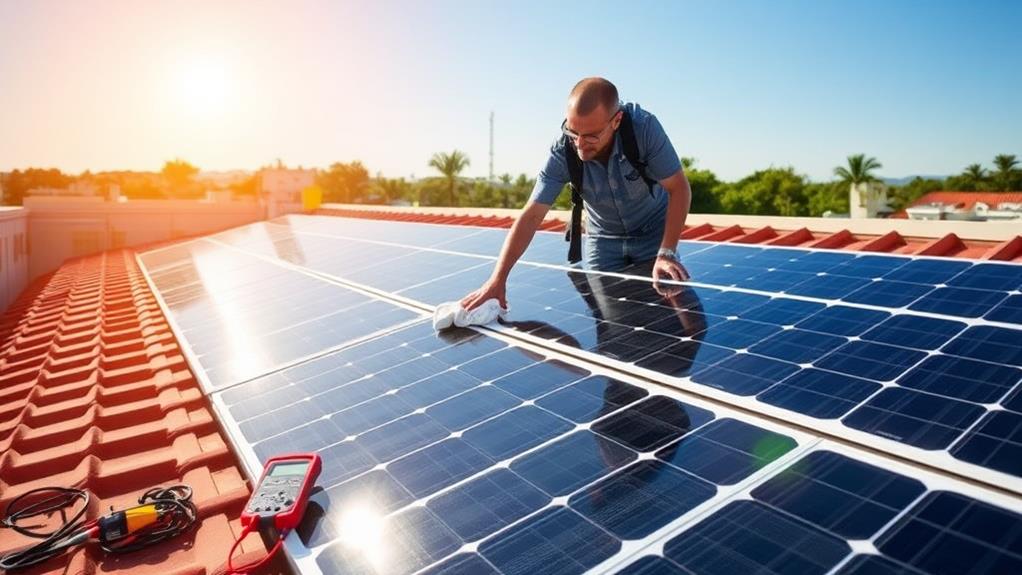
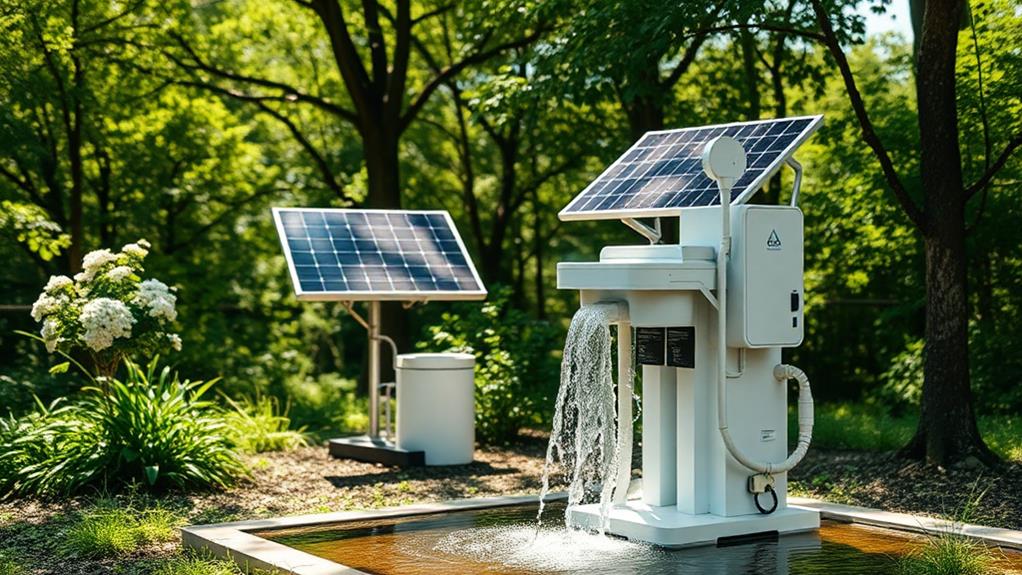
When we talk about solar tracking systems, it’s essential to understand how they revolutionize solar energy utilization. Unlike fixed systems that remain stationary, solar tracking systems adjust their positions to follow the sun, capturing over 99.6% of sunlight energy. Single-axis trackers rotate on one axis, providing a 15-30% increase in energy production, while dual-axis trackers, which adjust in two directions, can yield an impressive 30-45% energy gain. These advanced tracking technologies not only enhance solar panel efficiency by up to 40% but also greatly boost overall energy output. Additionally, implementing solar trackers optimizes land utilization, increasing energy yield per square meter compared to static systems. Ultimately, solar tracking systems maximize sunlight exposure and empower us to harness solar energy more effectively.
Recommended Products

[23% High-Efficiency + Dual-Axis 360° Smart Tracking] – The ultimate gear for off-grid geeks, providing ultra-portable fashional green power. Our built-in smart tracker, a true solar tracker and dual axis solar tracker system, turns it into a solar panel sun tracker that automatically follows the sun from morning to afternoon, delivering a higher daily energy yield hands-free. Under optimal conditions, this dynamic tracking helps the panel’s all-day generation exceed that of a 200W portable solar panel that requires constant angle adjustment, as well as a fixed 300W traditional solar panel. Set it, forget it, and maximize your solar harvest.
Auto Sun Tracking – Tracks the sun's movement both east–west and north–south to keep panels aligned for max power. No more manual adjusting.

[Strong Adaptability] ECO-WORTHY Mounting Bracket is 118"Lx39"W In. the front and rear pillars are 5.9 in higher, the front column is 13.78 in, and the rear column is 28.53 in,Which can better support large Solar Panels. Width per panel < 38.6 in for 3×300W panels and < 27.5 in for 4×200W panels. Suitable for home, farms, cabin and off-grid
Efficiency Gains From Tracking

As we explore the efficiency gains from solar tracking systems, it’s crucial to recognize that these technologies can greatly enhance our energy output. By employing dual-axis trackers, we can capture sunlight more effectively, potentially increasing our energy production by up to 45% compared to traditional setups, while even single-axis trackers typically offer around a 30% boost. This improved energy yield not only translates to reduced electricity bills but also enhances our return on investment, making solar tracking a compelling option for optimizing home solar systems.
Increased Energy Output
Solar tracking systems represent a powerful upgrade for residential solar PV installations, potentially boosting energy output by 25-45% compared to fixed systems. By utilizing advanced tracking technologies like dual-axis solar trackers, we can optimize sunlight capture throughout the day, enhancing energy production by up to 40% relative to traditional fixed installations. Single-axis trackers also contribute considerably, increasing energy output by approximately 30% through their ability to rotate and follow the sun’s path. Overall, implementing solar tracking systems can yield an impressive increase in energy production, ranging from 10-60%, depending on the specific technology and installation conditions. With the capability to capture over 99.6% of sunlight energy, solar panel systems equipped with trackers maximize efficiency, making them a compelling choice for freedom-seeking energy independence.
Enhanced Return on Investment
Investing in solar tracking systems not only enhances energy output but also markedly boosts our return on investment. By utilizing solar trackers, we can elevate energy production by 15-25% in residential installations, and in ideal conditions, dual-axis trackers can increase this figure by up to 40%. This significant enhancement in energy capture leads to reduced energy costs, allowing us to lower our electricity bills substantially. While the initial investment may be higher, the long-term financial returns are often far greater due to improved energy generation and potential revenue from selling excess power back to the grid. Particularly in sunny climates, the adoption of these systems creates a favorable cost-benefit ratio, maximizing our overall financial strategy in renewable energy.
Technological Innovations in Tracking

Harnessing the power of the sun has never been easier, thanks to cutting-edge technological innovations in tracking systems. These advancements revolutionize how we harness solar energy, ensuring we maximize our energy capture.
- Advanced solar tracking technology employs AI for predicting sunlight availability.
- Electric motors maintain an ideal angle, enhancing energy absorption.
- Innovations like Nevados Engineering’s All Terrain Tracker minimize land alteration.
- Artificial Neural Networks (ANNs) improve solar energy management and forecasting accuracy.
- Dual-axis trackers can boost energy production by up to 40% compared to fixed panels.
Recommended Products

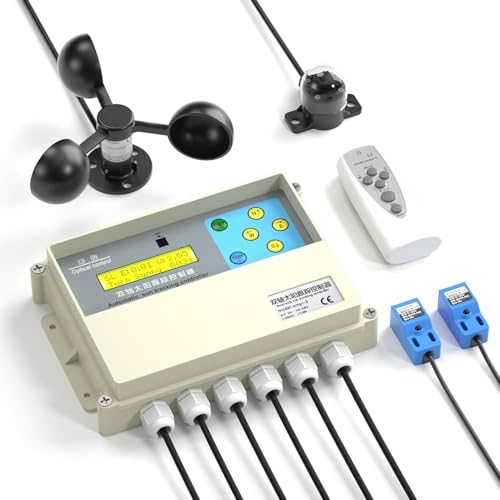
Dual Axis Solar Tracker Controller equipped with high-precision sensors to track the sunlight in real time, capable of leveling in case of wind, returning to position on cloudy days or at night, applicable to both the northern and southern hemispheres
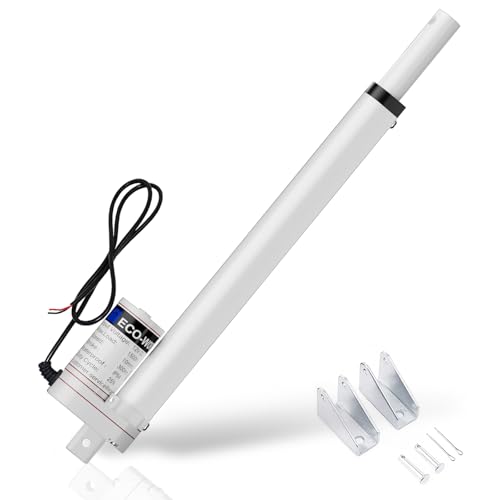
330lbs High Duty - All-steel shaft and metal gears deliver up to 330lbs of thrust. With a compatible controller, the actuator enables precise forward and reverse control, meeting heavy-duty industrial load requirements.

There are two ports for solar panel auto-tracking sensors, including power supply +-and motor M. Packing list: 1 module, 2 probes.
Economic Benefits of Solar Trackers

The economic benefits of incorporating solar trackers into our home energy systems are hard to overlook. While the initial investment in solar trackers may be significant, their ability to enhance energy efficiency and increase energy output by 15-25% is compelling. For homeowners in sunny climates, the savings on energy bills can be substantial, allowing us to reduce reliance on grid power and even generate revenue from selling excess electricity. Additionally, solar trackers lower operational costs over time, making them a crucial investment in renewable energy. The projected growth of the solar tracker market to $28 billion underscores their economic advantages, paving the way for homeowners to optimize their solar energy systems and secure long-term financial gains.
Recommended Products

More Sunlight, More Output: Tilting design will get up to 50% more solar energy collection compared to horizontally mounted panels, which helps your solar panel generate more power in different seasons for optimum performance

Find Perfect Angle for Solar Panels - The solar angle guide helps you determine the optimal angle for your solar panels to maximize energy output and efficiency. By using the solar angle guide, you can ensure that your solar panels are operating at maximum efficiency, saving you time and helping a lot for your outdoor time

Implementation Strategies for Homes

Incorporating solar trackers into our homes can elevate our energy systems to new heights, but knowing how to implement them effectively is key. For homeowners seeking energy independence and efficiency, here are essential implementation strategies to evaluate:
- Assess your property’s sun exposure and space for ground-mounted solar trackers.
- Calculate the initial investment versus expected return on investment through energy savings.
- Choose dual-axis solar tracking systems for maximum energy yield, especially in less-than-ideal conditions.
- Schedule regular maintenance to guarantee peak performance and longevity of your system.
- Monitor energy production continuously to adapt and refine usage patterns.
Recommended Products


This controller for biaxial or uniaxial back to day tracking controller and the light sensor adopts patent pyramid four quadrant structure design.
Environmental Impact and Sustainability

Embracing solar tracker technology not only enhances our energy efficiency but also plays a vital role in fostering environmental sustainability. By utilizing solar tracking systems, we can increase energy output by 15-25%, which greatly contributes to clean energy solutions and helps us reduce greenhouse gas emissions. This alignment with renewable energy targets, such as India’s ambitious goal of achieving 500 GW of renewable energy, highlights the importance of maximizing solar energy utilization. Additionally, the enhanced energy efficiency provided by solar trackers not only supports sustainable energy practices but also lowers operational costs, making it a win-win for both the environment and our wallets. Together, we can drive the shift to sustainable energy and protect our planet for future generations.
Comparing Tracker Types

As we evaluate the various tracker types available for optimizing solar energy production, it is crucial to take into account the benefits of single-axis and dual-axis trackers. Single-axis trackers, which rotate on one axis, can enhance energy output by approximately 30%, making them an economical option for larger installations, while dual-axis trackers provide a more substantial increase in energy production—up to 40%—by adjusting in two directions throughout the day. Understanding these differences not only informs our decision-making process but also helps us align our solar strategies with specific energy goals and budget constraints.
Recommended Products

No Monthly Subscription, Secure Local Storage for Privacy & Cost Savings: Enjoy zero mandatory cloud fees & hidden charges, save up to $200 yearly. The home base station supports SD card local storage up to 128GB(𝐒𝐃 𝐜𝐚𝐫𝐝 𝐧𝐨𝐭 𝐢𝐧𝐜𝐥𝐮𝐝𝐞𝐝, 𝐘𝐨𝐮 𝐧𝐞𝐞𝐝 𝐭𝐨 𝐩𝐫𝐞𝐩𝐚𝐫𝐞 𝐚 𝐒𝐃 𝐜𝐚𝐫𝐝 𝐟𝐨𝐫 𝐥𝐨𝐜𝐚𝐥 𝐬𝐭𝐨𝐫𝐚𝐠𝐞) for long-term event loop recording with flexible capacity options. All surveillance footage stays securely stored locally. Recordings remain protected even if your wireless outdoor security cameras are stolen, damaged or vandalized.

AWARD-WINNING HOME SECURITY: The Tapo C615F KIT was rated WIRED's Best Budget Floodlight Camera in 2026 for its impressive features at a value, including pan/tilt control, convenient solar charging, and subscription-free AI detection.

Versatile t Track Bolts - this t-track adapter accessory kit is a great solution to attach items firmly to your t track crossbar, compatible with t slot, perfect t-track adapter accessory kit to attach bike rack / ski rack / kayak rack, roof rack awning, solar panel, fishing rod holder, cargo box to roof rack cross bars, roof rack cargo basket, car rooftop platform or side rails, works well with most solar panel mounting brackets
Single-Axis Tracker Benefits
Single-axis trackers revolutionize solar energy production by maximizing sunlight exposure throughout the day. These systems not only enhance the efficiency of solar panels but also offer substantial benefits over static panels. Here are some key advantages:
- Energy output increase of 15-30% compared to static panels
- Cost-effective solution for large-scale solar projects
- Ability to follow the sun’s path, optimizing energy production
- Lower maintenance requirements than dual-axis trackers
- Reduced operational costs leading to improved return on investment
Dual-Axis Tracker Advantages
While single-axis trackers provide notable benefits for solar energy production, dual-axis trackers take efficiency to the next level. By utilizing advanced technology that allows for adjustments in two directions, dual-axis trackers can maximize sunlight capture throughout the day and year, enhancing overall energy efficiency. These systems can increase energy production by 30-45% compared to static setups, and they typically outperform single-axis trackers by an additional 10-20%. This remarkable efficiency is particularly advantageous in regions with high solar potential, as dual-axis trackers maintain ideal angles, leading to improved performance and longevity of solar panels. By choosing dual-axis trackers, we can greatly boost efficiency and harness the full power of solar energy, allowing us to embrace our freedom to produce clean energy.
Case Studies and Success Stories

Solar energy is transforming how we power our homes, and the success stories emerging from various projects illustrate this shift vividly.
- A 300 MW solar tracking project in Gujarat, India, achieved an 83% growth in solar capacity.
- Residential installations with tracking systems can see energy output increases of 15-25%.
- Companies like Nextracker and Amberroot Systems have leveraged solar tracking technology to boost competitiveness.
- Urban areas benefit from rooftop solar trackers, maximizing limited space while enhancing energy capture.
- Fenice Energy’s customized solutions showcase significant improvements in energy efficiency and sustainability.
These examples highlight how homeowners can enjoy increased energy independence, reduced electricity bills, and contribute to a broader renewable energy movement, particularly in densely populated regions.
Frequently Asked Questions
Does a Solar Tracker Increase Efficiency?
Yes, solar trackers greatly boost efficiency. By comparing energy production, we see tracking systems outperform fixed installations. Considering cost effectiveness, maintenance, and environmental impact, their ability for solar angle adjustments makes them a smart choice for us.
How Can We Make Our Solar System More Efficient?
To enhance our solar system’s efficiency, we’ll explore site assessment techniques, ideal panel orientation, inverter selection tips, and energy storage solutions. Let’s also monitor shading impact and weather effects for maximum power potential!
What Increases the Efficiency of Solar Panels?
To boost solar panel efficiency, we must consider solar panel materials, sunlight angle, shading effects, and temperature impact. Regular maintenance, ideal installation angle, inverter technology, panel cleanliness, and energy storage also play crucial roles in maximizing output.
What Is the Most Efficient Solar Tracker?
When exploring solar tracker types, we find dual-axis trackers often yield the highest energy output. We should consider benefits of tracking, cost comparison, installation challenges, and geographical impact for ideal performance and energy yield.