
We can harness geothermal energy in sustainable farming by implementing systems for greenhouse heating, soil temperature regulation, and crop drying. In greenhouses, geothermal heat maintains stable temperatures between 25-100 °C, and direct-use geothermal heating can cut greenhouse heating costs substantially compared with fossil-fuel boilers. For soil management, circulating geothermal water through underground piping helps maintain optimum root-zone temperatures, extending growing seasons in cooler climates and supporting higher yields. Additionally, geothermal drying techniques reduce energy consumption while preserving crop quality, helping growers cut post-harvest losses and lower operating costs. Exploring case studies and specific applications can further illustrate the extensive benefits of geothermal energy in agriculture.
Key Takeaways
- Utilize geothermal energy for greenhouse heating to maintain optimal temperatures and meaningfully reduce heating costs versus conventional fuel-based systems.
- Implement geothermal soil heating systems to regulate soil temperatures, enhancing crop growth and extending the growing season.
- Employ geothermal irrigation methods to improve water efficiency and sterilize soil, reducing pests and fungi.
- Use geothermal drying techniques to decrease post-harvest losses and enhance crop quality and marketability.
- Track current federal and state incentives closely, as the rules for clean energy tax credits have changed significantly for systems installed after 2026.
Overview of Geothermal Energy
You may be interested
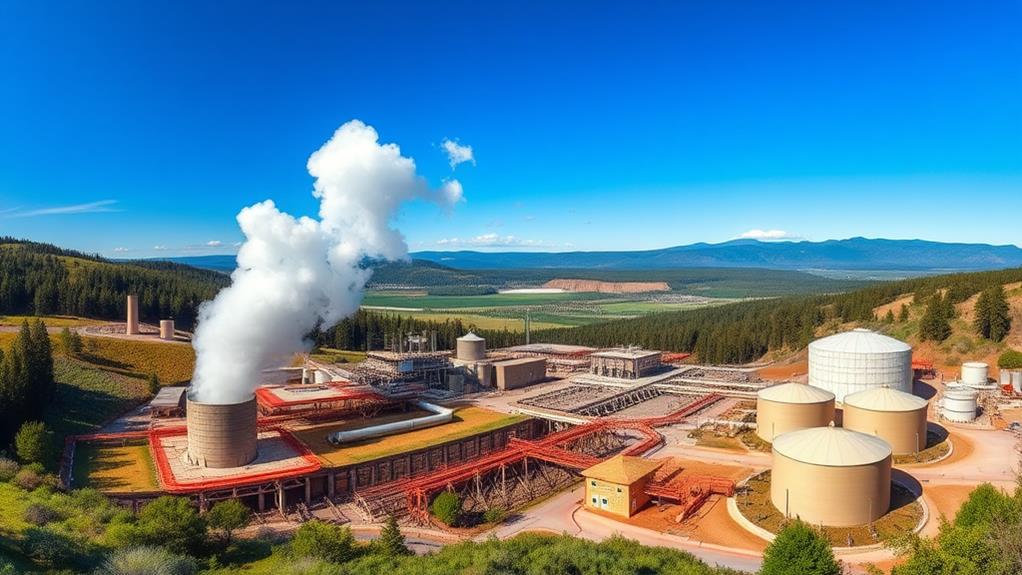
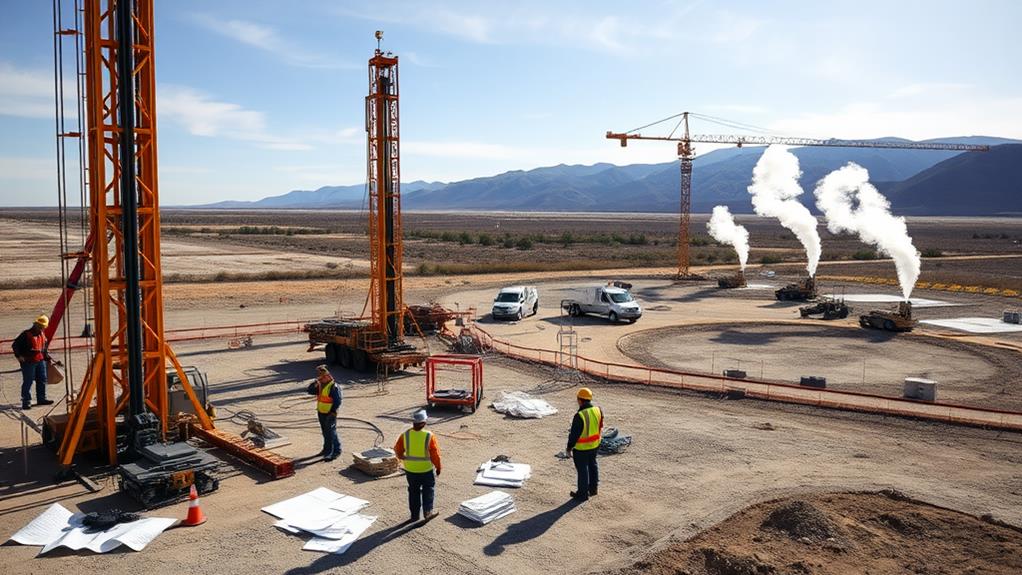
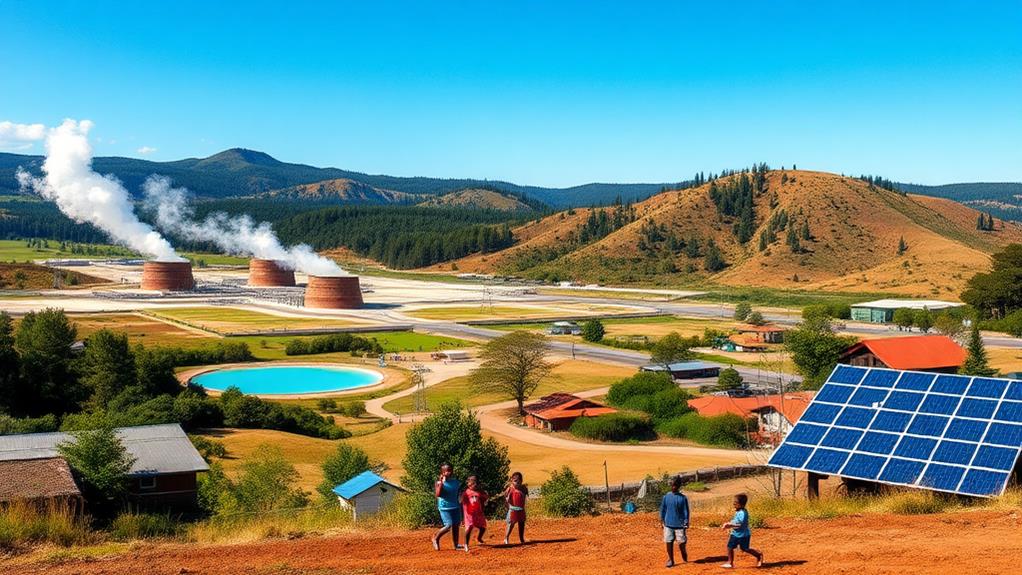
Since ancient times, humans have tapped into the Earth’s internal heat for various purposes, but today, geothermal energy stands out as a powerful and sustainable resource. Derived largely from the decay of radioactive elements deep within the planet, this renewable energy source provides a consistent, weather-independent supply accessible through natural or engineered reservoirs. According to the U.S. Department of Energy, direct-use geothermal systems draw hot water from underground reservoirs to provide heat for buildings and for industrial processes “ranging from fish farming and greenhouses to drying pulp, paper, lumber, and other materials.” Geothermal systems harness this underground heat to regulate temperatures throughout the year, which is essential for sustainable farming practices. Remarkably, these systems can efficiently heat greenhouses, warm soil, and support aquaculture, reducing reliance on fossil fuels while minimizing greenhouse gas emissions. Countries like Iceland and Kenya exemplify the effectiveness of integrating geothermal energy into agriculture, demonstrating its potential to enhance food production efficiency and sustainability while considerably lowering operational costs and environmental impacts. For farmers evaluating any renewable energy investment, including geothermal, it’s worth reviewing a cost-benefit analysis of green energy options before committing capital.
Benefits for Sustainable Farming
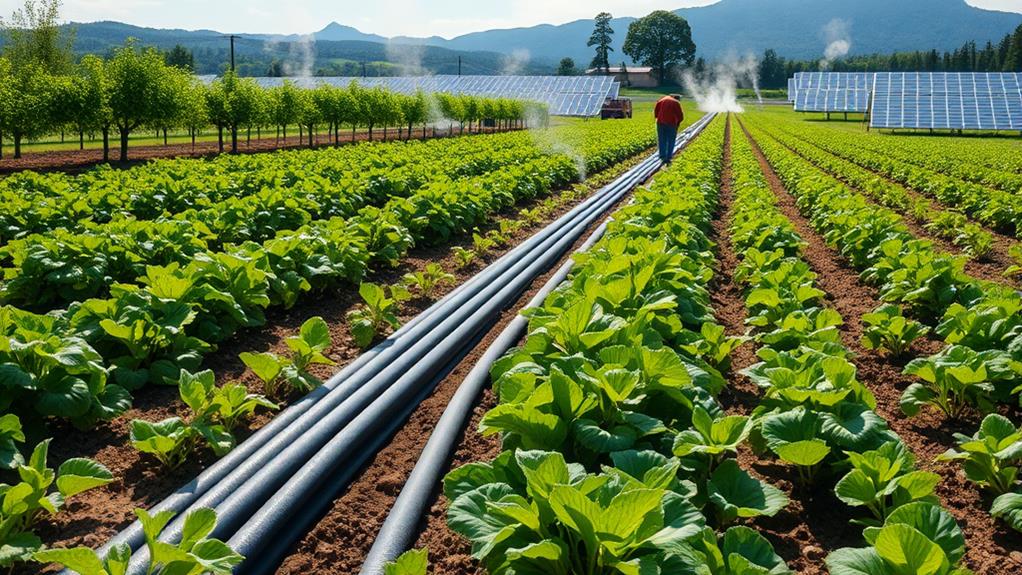
As we explore the benefits of geothermal energy for sustainable farming, it becomes clear that this resource offers significant advantages for both our operations and the environment. Because geothermal heat displaces fossil-fuel boilers, it directly cuts the greenhouse gas emissions associated with year-round heating. Furthermore, utilizing geothermal heat for greenhouse heating can meaningfully lower operational costs compared to traditional oil- or gas-fired systems, since the fuel itself — the Earth’s own heat — is free once a well and distribution system are in place. This consistent temperature control enhances crop growth reliability and extends the growing season, ultimately increasing crop yields and improving pest management through soil sterilization. Additionally, geothermal drying techniques preserve crops effectively, reducing post-harvest losses, thereby optimizing energy consumption and maximizing efficiency in sustainable farming practices. Growers weighing the economics of any on-farm energy system may also want to compare geothermal against other options using a renewable energy project budget template.
Recommended Products

TWO SEPARATELY ADJUSTABLE HEATING ELEMENTS: 1000 watts or 1800 watts - together 2800 watts power. The heater is ideal for rooms up to 215 ft² with an average height of 6.6 feet. - 240 V, 60 Hz Power connection

First-of-its-kind heater designed from the ground up with precision smart controls for ideal grow conditions.

Auto Temperature Control: A ideal greenhouse heater with thermostat, features a digital display for precise monitoring and automatic adjustment, to maintain optimal growth conditions for delicate plants year-round. Overheat protection ensures safety
Geothermal Applications in Greenhouses
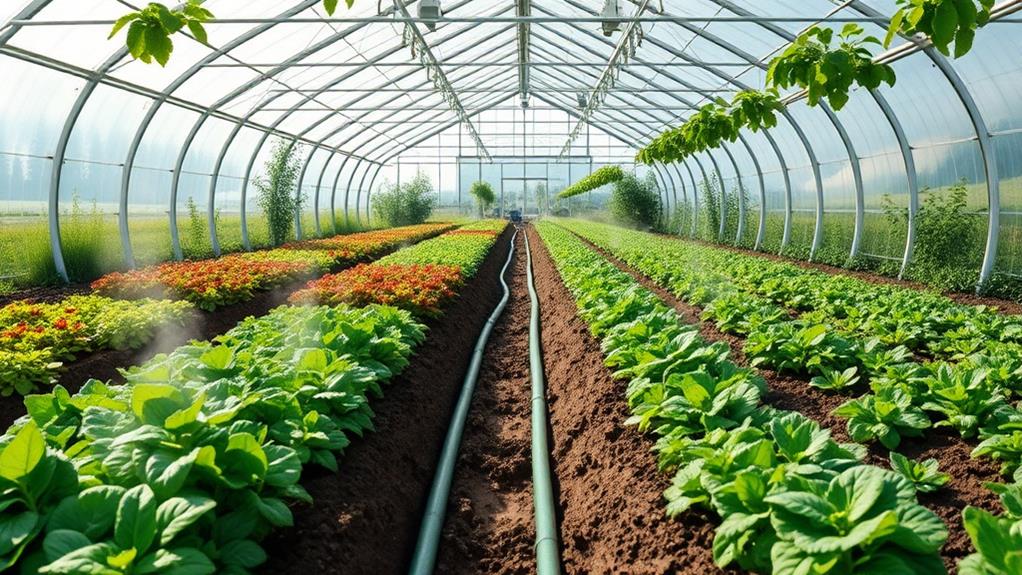
In our exploration of geothermal applications in greenhouses, we recognize the critical role of consistent temperature control in fostering ideal growing conditions, which in turn allows for enhanced crop reliability and accelerated growth cycles. In addition, by effectively managing humidity levels through geothermal systems, we can promote healthier plants while greatly reducing the reliance on chemical treatments, thereby contributing to sustainable farming practices. Ultimately, the integration of geothermal energy not only streamlines operational efficiency but also leads to considerable cost savings, making it a valuable asset for modern agricultural endeavors.
Recommended Products

PTC 3-Second Heating: Is your greenhouse humid? Is the air not circulating? This fast-heating dehumidifying heater releases 5100 BTU of heat, operates with low noise, and solves problems of humidity and smelless, creating a scientific environment suitable for plant growth and preventing the formation of harmful things.

Intelligent Temperature Control: The product comes with a independent digital thermostat, which will automatically turn on/off the greenhouse heater to maintain the desired temperature. Its all-day precise temperature control suits seed sprouting, winter flower maintenance and crop growth, delivering effortless operation and improved energy efficiency.
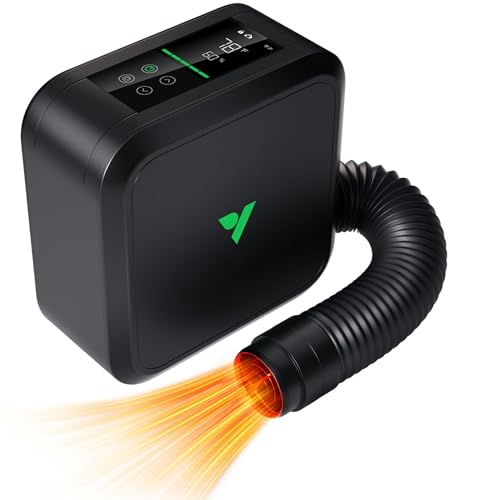
Powerful & Even Heating: Warm up your grow tent faster. With 700W of heating power, 40% stronger than standard models. This efficient unit quickly raises temperatures in compact spaces, delivering steady heat that keeps your plants in the comfort zone
Temperature Control Benefits
Geothermal energy offers significant advantages for temperature control in greenhouses, ensuring a stable environment for our plants. By utilizing geothermal heating, we can maintain ideal temperatures between 25-100 °C, which is vital for enhancing crop growth. This consistent temperature regulation protects our crops from extreme weather, ultimately improving reliability and yield.
| Aspect | Benefits |
|---|---|
| Temperature Range | 25-100 °C |
| Heating Cost Reduction | Significant savings vs. fossil-fuel boilers |
| Crop Types Supported | Fruits, vegetables, flowers |
| Successful Examples | Flower production in Kenya, greenhouse heating networks in Iceland |
With these benefits, integrating geothermal heating into greenhouses not only supports sustainable farming practices but also fosters a thriving agricultural community.
Humidity Management Techniques
Managing humidity effectively in greenhouses can greatly enhance our crop yields and quality. By harnessing geothermal energy, we can achieve consistent temperature control, which is essential for effective humidity management. This technology allows us to circulate warm air or water, considerably reducing the risk of mold and mildew.
Key benefits of geothermal applications include:
- Optimal humidity levels, which enhance crop growth reliability.
- Efficient energy use, aligning with sustainable agricultural practices.
- Faster production cycles, leading to improved crop output.
These methods have been successfully implemented in various regions, like flower production in Kenya, where stable humidity levels contribute to superior flower quality and yield. Ultimately, utilizing geothermal energy for humidity management propels our crop production processes forward.
Crop Growth Enhancement
Harnessing geothermal energy can greatly boost crop growth in greenhouse environments. By providing consistent temperature control, geothermal heat guarantees ideal conditions for plant development, protecting them from extreme weather fluctuations. In regions like Kenya, we’ve seen how geothermal heating enhances flower production, increasing reliability and accelerating crop cycles. Additionally, effective humidity management facilitated by geothermal systems leads to healthier plants, reducing disease risks. Economically, the use of geothermal energy for heating tends to be markedly cheaper over the life of a system than traditional fuel-based heating, making it a financially attractive option for farmers willing to make the upfront investment. Ultimately, geothermal energy supports efficient food production, driving crop growth enhancement and resulting in higher yields and improved produce quality, as demonstrated in mushroom farming practices in China.
Using Geothermal Energy in Open Fields
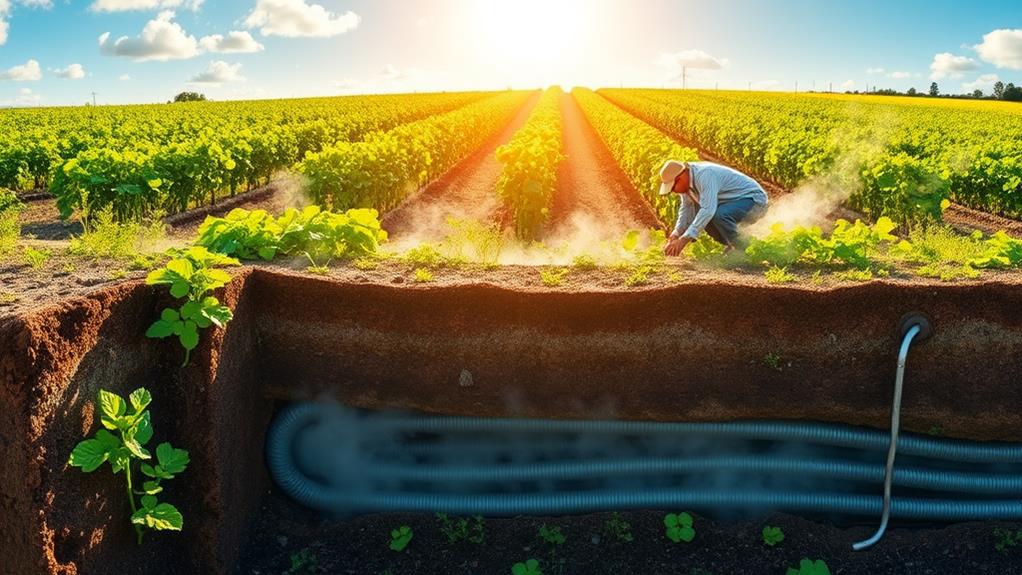
As we explore the integration of geothermal energy in open fields, we find that regulating soil temperature plays an essential role in protecting crops from adverse weather conditions while extending the growing season. By utilizing underground pipes to transport geothermal water for irrigation, we can enhance system efficiency, ensuring a consistent water supply that ideally supports plant growth. In addition, the ability of hot geothermal water to sterilize soil contributes to improved health by eliminating pests and fungi, thereby reducing the need for chemical pesticides.
Recommended Products

🌷【Protects Seed Germination and Plant Growth】This soil heating cable placed in the ground can keep the soil warm enough to help seeds germinate and accelerate plant growth, protecting plants from cold weather and the environment.

Allows Seeds and Plants to Grow Even in Cold Weather: This soil heating cable is placed under the soil 3 to 4 inches making it an effective solution to cold weather slowdown gardening problems that is perfect as plant heat for seed starting

Boost Seed Germination & Plant Growth with Soil Heating Cable: Ideal for gardening enthusiasts, this 118-feet (18m x 2) soil heating cable raises soil temperature effectively to accelerate seed starting and support plant development. Perfect for early spring or colder climates, it maintains consistent warmth in greenhouses, seedbeds, and cold frames—increasing survival rates for healthier growth.
Soil Temperature Regulation
In the domain of sustainable farming, effectively regulating soil temperature can greatly enhance crop health and productivity. By harnessing geothermal energy, we can maintain ideal soil temperatures between 20-40 °C, protecting our crops from extreme weather. This method not only improves growth conditions but also allows us to extend the growing season.
Here are some key benefits of using geothermal energy for soil temperature regulation:
- Enhanced moisture retention through underground pipes that transport heated geothermal water.
- Increased crop yields in colder climates due to improved, more consistent soil heating.
- Pest and fungi elimination with hot geothermal water, reducing the need for chemical treatments.
Irrigation System Efficiency
By implementing geothermal energy in our irrigation systems, we can greatly boost efficiency in open fields. Utilizing underground pipes, we can transport geothermal water to maintain consistent moisture levels, enhancing water efficiency and supporting sustainable farming practices. This method not only regulates soil temperature but also extends our growing season, allowing us to markedly increase crop yields. In addition, the application of hot geothermal water helps sterilize soil, effectively eliminating pests and fungi, which reduces our reliance on chemical pesticides. As a result, we can lower operational costs and minimize dependency on fossil fuels, reinforcing our commitment to sustainable agriculture. By embracing these innovative irrigation solutions, we position ourselves as leaders in environmentally responsible farming.
Crop Drying Techniques With Geothermal Heat
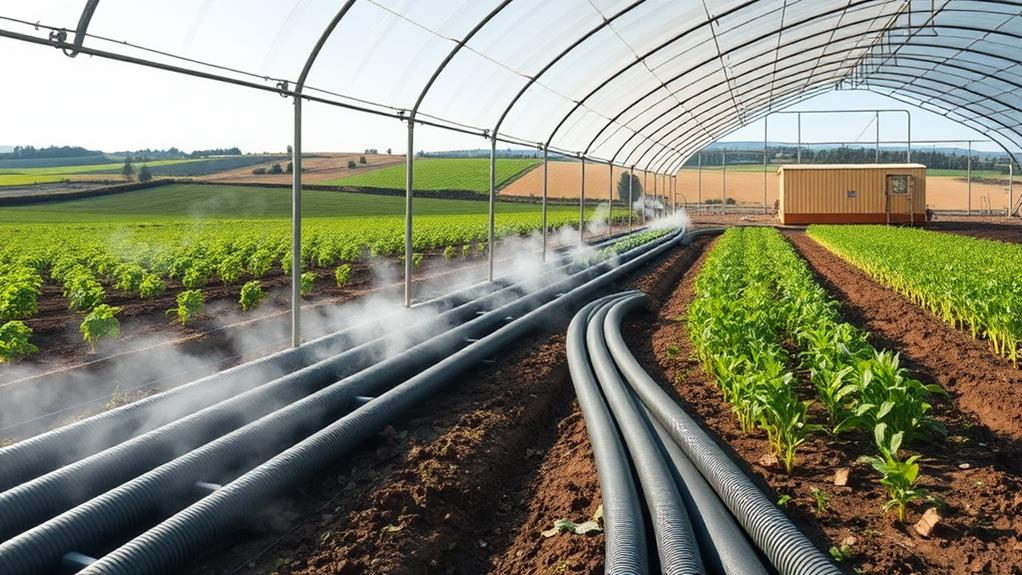
Geothermal heat offers a revolutionary approach to crop drying, helping us preserve our harvests while minimizing environmental impact. By harnessing geothermal energy, we can efficiently remove moisture from crops, greatly extending their storage life and preventing degradation. Countries like Iceland and Kenya have successfully implemented these techniques, demonstrating their viability in sustainable farming.
Key benefits include:
- Cost-Effectiveness: Substantially reduces operational costs compared to traditional oil-powered dryers.
- Quality Improvement: Enhances the quality of dried products, ensuring better marketability.
- Reduced Carbon Emissions: Lowers carbon emissions associated with conventional drying methods, promoting eco-friendly practices.
Case Studies of Geothermal Farming
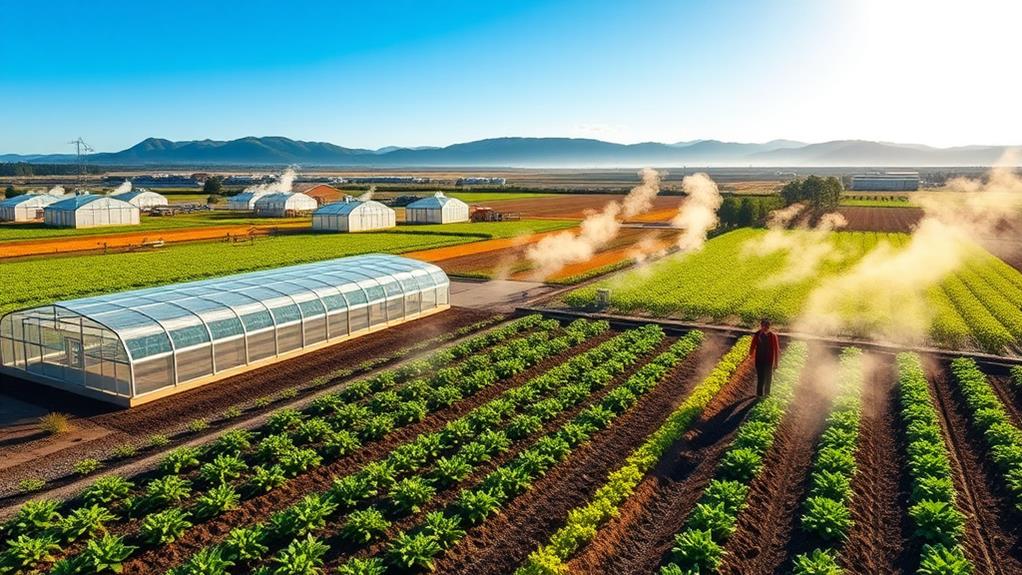
Across the globe, innovative farmers are embracing geothermal energy to revolutionize their agricultural practices. From fish farming in Algeria to grain drying in Kenya, the direct use of geothermal energy is transforming food production. These case studies illustrate the diverse applications and significant benefits of geothermal energy in food production, consistent with the U.S. Department of Energy’s description of direct-use geothermal serving “fish farming and greenhouses” among other industrial heat needs.
| Location | Application |
|---|---|
| Algeria | Geothermal fish farms producing Tilapia at commercial scale |
| Iceland | Geothermal fish and produce drying dating back to the 1920s |
| Kenya | Efficient greenhouse heating and grain drying, cutting fuel-based emissions |
| Tuscany, Italy | Collaborative initiatives promoting geothermal agriculture |
| Various regions | Geothermal greenhouse conditions supporting year-round yields |
These examples highlight how the uses of geothermal energy can bolster sustainability, improve crop quality, and guarantee reliable yields, ultimately fostering a sense of community in sustainable farming practices.
Challenges in Implementing Geothermal Solutions
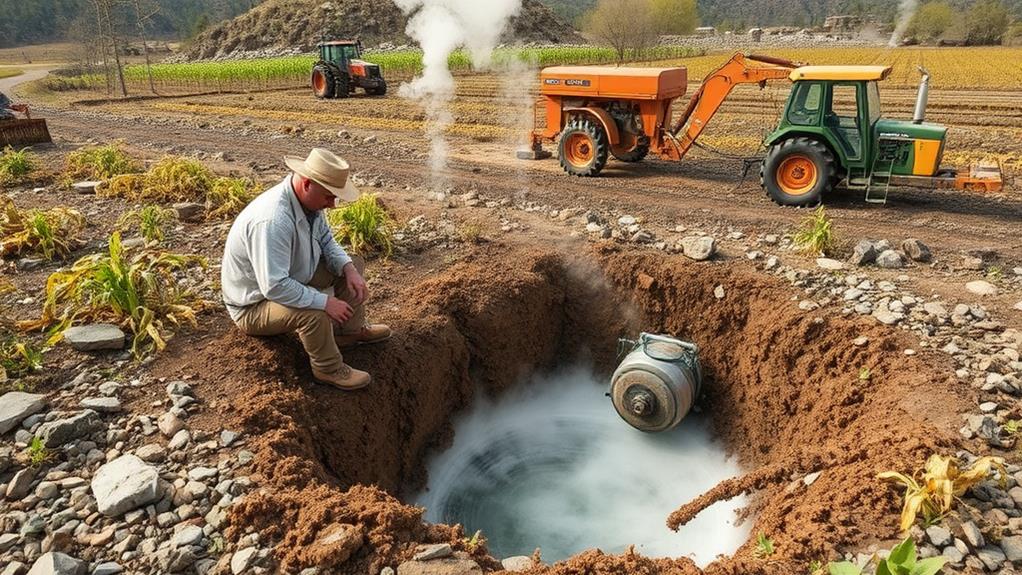
What hurdles do farmers face when trying to implement geothermal solutions in their practices? The challenges we encounter in geothermal energy production often revolve around several key areas that hinder our progress.
- High initial investments can be a significant barrier, especially in developing regions where funding is scarce.
- The necessity of government involvement and supportive policies is critical; without them, attracting investment becomes exceedingly difficult.
- The risk of unsuccessful geothermal exploration can lead to financial setbacks, making many hesitant to proceed.
- The federal incentive landscape has shifted: under the One Big Beautiful Bill Act, the 30% residential Section 25D credit for geothermal heat pumps and other clean energy equipment ends for systems installed after December 31, 2026, per ENERGY STAR guidance, so farm operators should check current eligibility windows and state-level programs before budgeting a project.
Additionally, low-cost energy sales can complicate the recovery of initial investments, threatening financial sustainability. However, direct-use geothermal applications present a more accessible alternative, offering pathways to implement solutions without overwhelming upfront costs. Because incentive rules vary by state and change over time, it’s worth checking a current directory of state renewable energy incentives and the DSIRE database before finalizing project financing.
Future of Geothermal in Agriculture
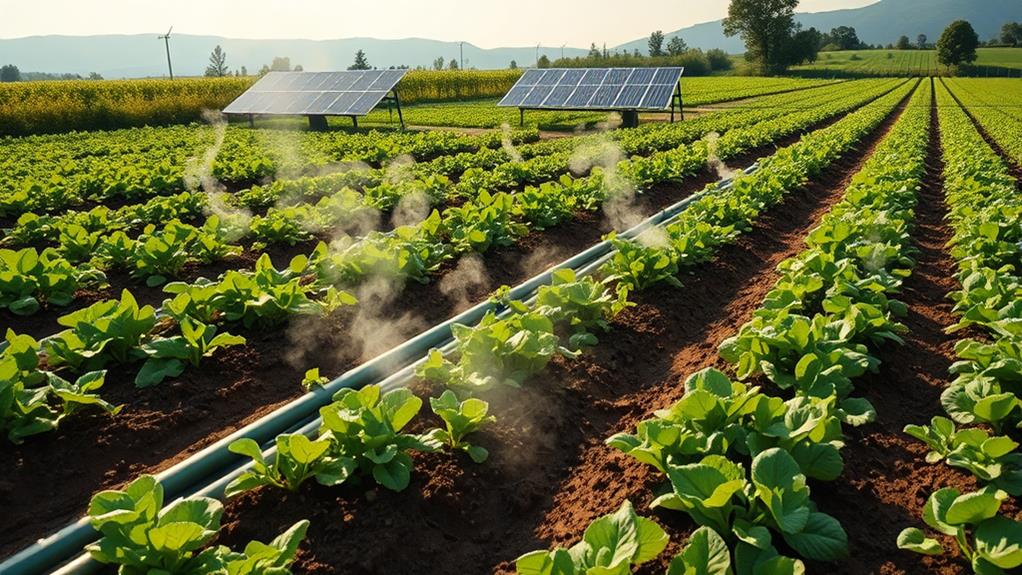
Despite the challenges farmers face in implementing geothermal solutions, the future of geothermal energy in agriculture looks promising. Geothermal already covers a significant share of electricity demand in countries such as Iceland, El Salvador, New Zealand, Kenya and the Philippines, according to IRENA, and direct-use applications for heat continue to expand alongside it. In the United States, the Department of Energy’s Enhanced Geothermal Shot initiative has identified the potential for up to 90 gigawatts of geothermal electricity-generating capacity by 2050 — well above the 60 GW envisioned in the agency’s earlier 2019 GeoVision analysis — with some next-generation geothermal research pointing to even larger long-term potential. Expanding geothermal electricity and direct-use heat capacity would enable more agricultural applications and reduce fossil fuel dependence. Because direct-use geothermal systems avoid combustion entirely, DOE notes they offer a cleaner alternative for the heat-intensive processes common in food production, from greenhouse heating to crop and fish drying. Financial mechanisms and supportive policies remain vital for overcoming initial investment barriers, and farmers should also weigh geothermal against other on-site renewable options, such as those covered in our guide to geothermal heating systems and geothermal energy pros and cons. By embracing geothermal energy, we can enhance food security and contribute to a sustainable agricultural future for all.
Frequently Asked Questions
How Is Geothermal Energy Used Sustainably in Farming?
Geothermal energy is used sustainably in farming primarily through direct-use heat: warming greenhouses, regulating soil temperature via underground piping, and drying crops or fish. Because it draws on the Earth’s constant internal heat rather than burning fuel, it delivers reliable, low-emission heat year-round, which helps boost both energy efficiency and farm productivity.
How Can Geothermal Energy Be Used as an On-Farm Energy Source?
Geothermal energy can be a game-changer for farm operations. By harnessing geothermal heating for greenhouses, irrigation water, and soil beds, farmers improve energy efficiency, regulate soil temperature, and boost crop growth, all while reducing dependence on propane, oil, or natural gas for heat.
How Is Geothermal Energy Used in Greenhouses?
In greenhouses, geothermal energy is typically delivered through hot water or steam piped from underground reservoirs into heating systems that maintain stable air and soil temperatures, often in the 25-100 °C range. This enhances crop growth, improves humidity control, and reduces reliance on fossil-fuel boilers.
What Federal Incentives Currently Support Geothermal Investment?
Incentive availability depends on the type of project. The 30% residential Section 25D credit for geothermal heat pumps expires for systems installed after December 31, 2026, under the One Big Beautiful Bill Act, according to ENERGY STAR. Commercial and utility-scale geothermal projects may still qualify under separate business energy credit provisions with different timelines, so farm operators pursuing larger installations should confirm current eligibility with the IRS and check state-level programs through DSIRE before budgeting.
How Do Farmers Use Renewable Energy More Broadly?
Farmers increasingly combine multiple renewable sources — solar panels, wind turbines, bioenergy crops, and geothermal heat — to cut operating costs and improve water and energy efficiency, creating more resilient and sustainable farm operations.


