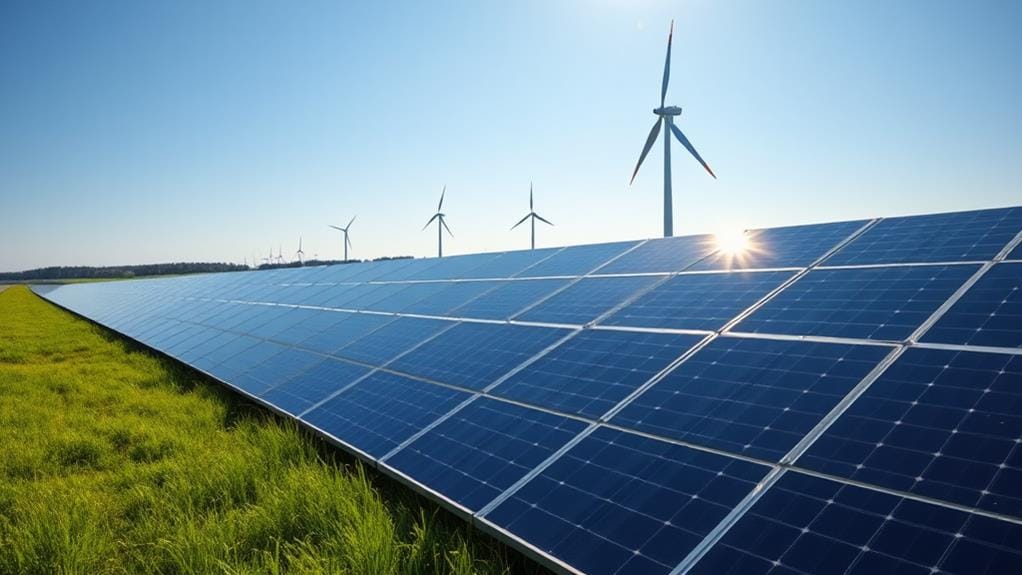
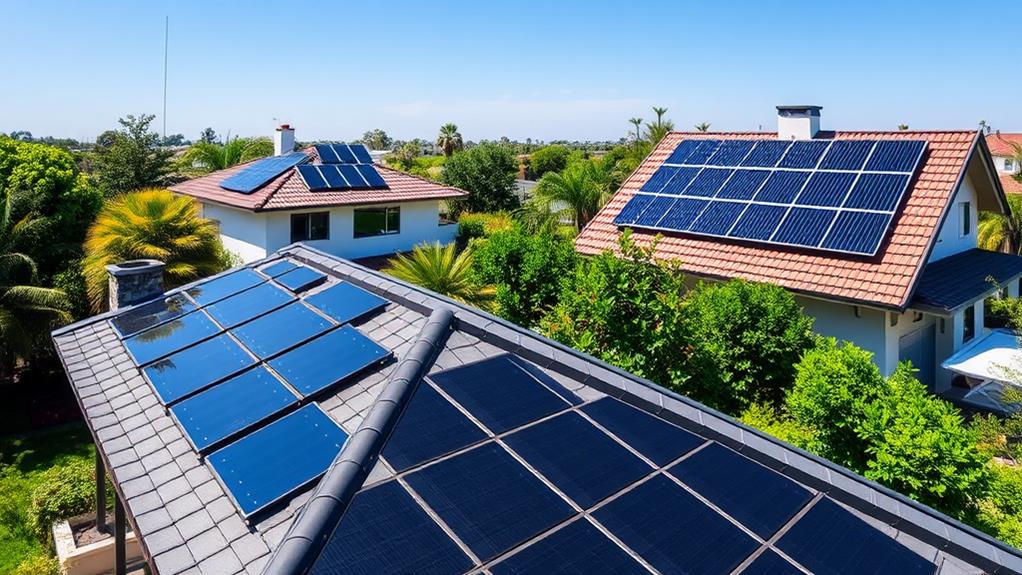
To recycle solar panels, we start by evaluating their condition to determine if refurbishment or recycling is necessary. Next, we disconnect the panels safely from the electrical system and clean them to eliminate dirt and debris. Responsibility is key; we should document the manufacturer details and contact local recycling centers to confirm acceptance. Once at the facility, the panels undergo dismantling, where components like glass and metals are separated using advanced technologies achieving up to 96% recovery efficiency. Recognizing available recycling programs by manufacturers aids in responsible disposal and sustainable practices, leading us to further insights on effective recycling methods.
Key Takeaways
- Assess the condition of solar panels to decide if they should be refurbished or recycled before proceeding with disposal.
- Clean the panels thoroughly to remove dirt and debris, ensuring they are ready for recycling.
- Safely disconnect solar equipment from the electrical system to avoid hazards during transport.
- Locate a certified recycling center using resources like the U.S. Department of Energy or Earth911 databases.
- Document key information such as manufacturer, model number, and installation date for your records before recycling.
Importance of Solar Panel Recycling
You may be interested

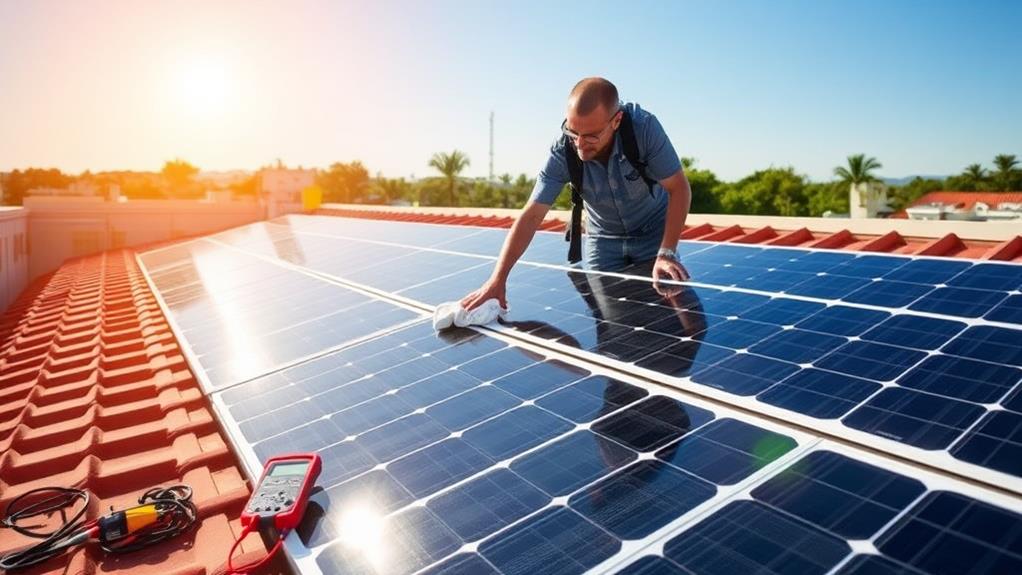
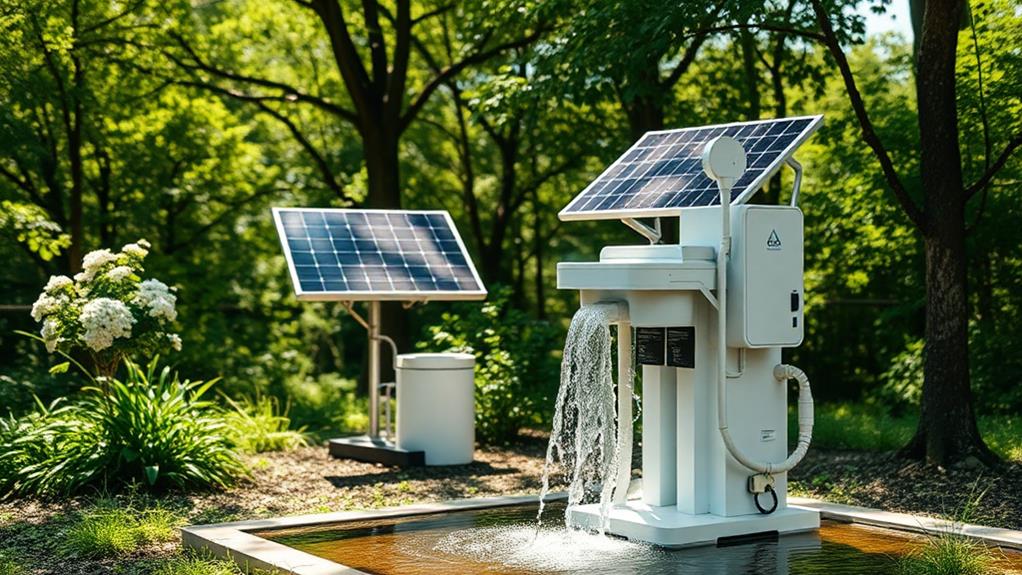
The importance of solar panel recycling cannot be overstated. As we face projections of 78 million metric tons of solar panel waste by 2050, the urgency for effective recycling solutions is clear. Improper disposal can lead to environmental contamination, as toxic materials like lead and cadmium seep into soil and water systems, undermining our commitment to environmental protection. Through solar panel recycling, we can recover valuable materials such as aluminum, silicon, and glass, greatly reducing the need for new raw materials. This practice not only promotes sustainability in solar energy production but also supports the circular economy. The financial value of these recovered materials is estimated to reach $15 billion globally by 2050, emphasizing the critical role recycling plays in our future.
Benefits of Recycling Solar Panels
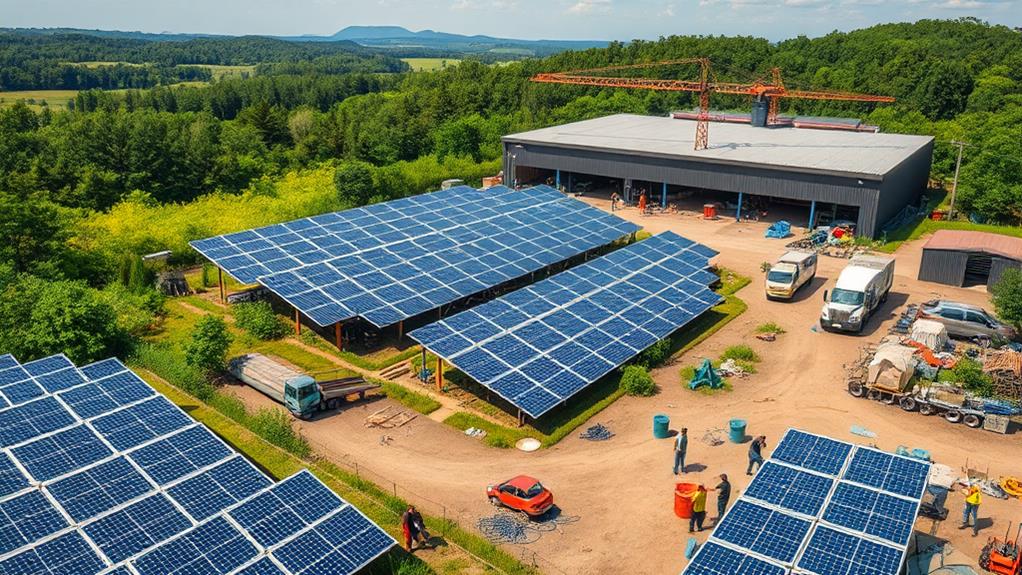
Recycling solar panels offers numerous benefits that extend beyond just waste management. By engaging in this process, we can recover valuable materials such as aluminum, glass, and silicon, releasing an estimated financial value of $15 billion globally by 2050. Additionally, proper recycling prevents environmental contamination from hazardous materials like lead and cadmium, thereby protecting our soil, water, and air quality. By recycling, we greatly reduce carbon emissions associated with producing new panels, contributing to our greenhouse gas reduction goals. With projections indicating 78 million metric tons of solar panel waste by 2050, establishing effective recycling processes is essential. Ultimately, recycling supports a circular economy, enabling the production of up to 2 billion new solar panels from recovered materials, minimizing the need for new raw materials.
Current Recycling Options
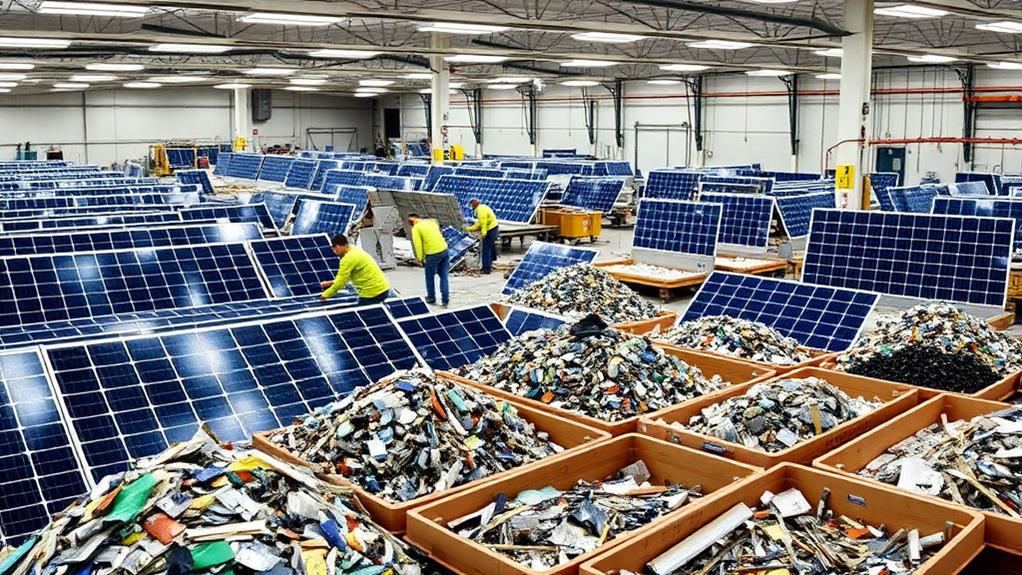
As we look into current recycling options for solar panels, it's crucial to understand that there are several pathways for responsible disposal. It's vital to comprehend that many solar panels contain hazardous materials, which necessitates proper disposal methods. Here are some recycling options available to us:
- Recycle PV Solar, recapturing over 90% of materials.
- Cleanlites Recycling, operating in multiple states.
- General-purpose glass facilities, though some components may be discarded.
- Resources like the Department of Energy's Solar Energy Technologies Office and Earth911 for local recycling facilities.
- Manufacturers like SunPower and First Solar, offering global recycling initiatives.
Recommended Products
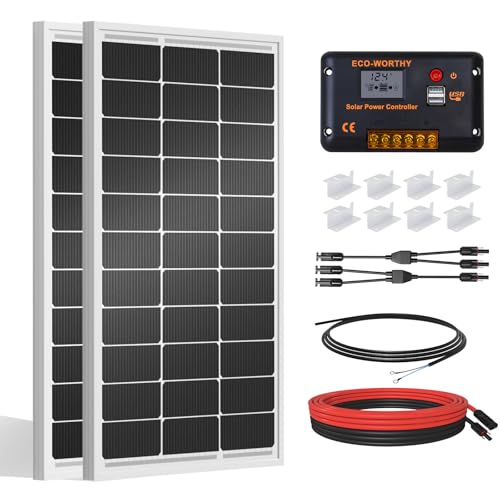
[Wide Application]: Daily Output 800wh/day under 4 hours full sunshine condition. Perfect for RV, Caravan, Marine, Camper, Electric scooter, Golf Carts, Power wheels, Trolling motor, Tool trailer, Backup power supply for cabin shed home etc.
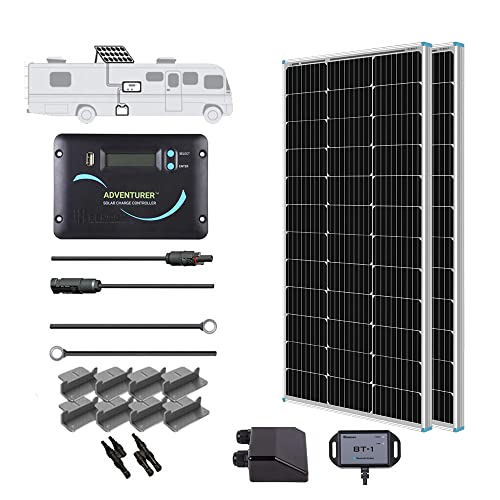
[Wide Application] 800Wh daily output depends on the 4 hours sunlight availability. This panel is suited for applications that require a smaller footprint, making it a favorite for those with RVs, campers, caravan, boat, Green house and more.

System Components:Delivers up to 10kW power output with 120V/240V single-phase split-phase support, making it suitable for smoothly running common household appliances. The system includes 5 × 590W solar panels with a total PV capacity of 2950W, capable of generating up to 11.8 kWh per day under optimal conditions, along with one 48V 314Ah portable LiFePO₄ battery offering 16.1 kWh of energy storage. Complete with necessary cables, this all-in-one solar solution is designed for convenient setup and reliable home power support.(May 19, 2026: Upgraded from a 6 × 410W panel configuration to 5 × 590W)
Recycling Process Overview
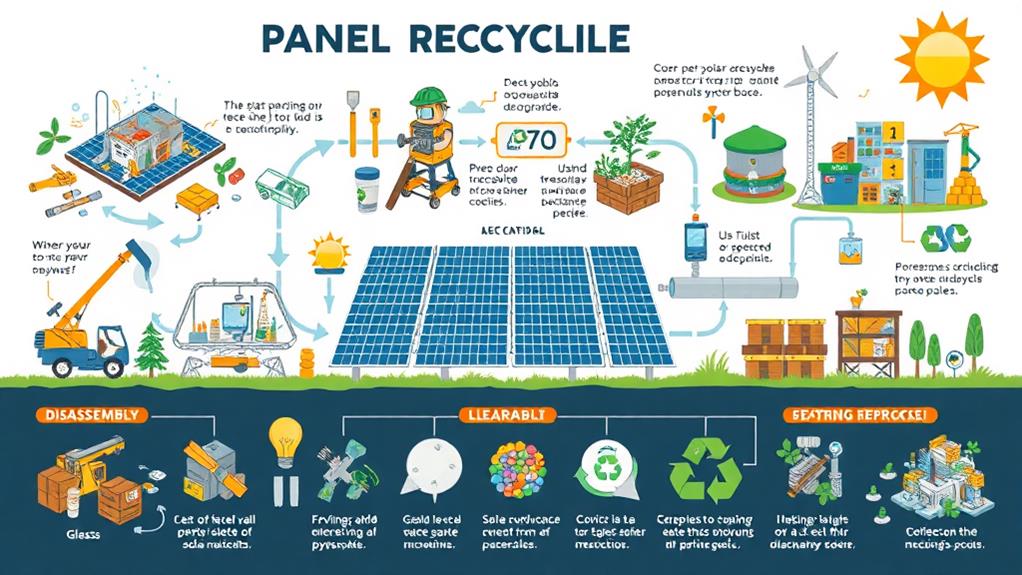
When we think about recycling solar panels, it's important to grasp the systematic process that transforms these used products into valuable materials. Initially, the recycling process begins with the responsible collection of used panels, followed by component dismantling, which involves removing frames, glass, and electronic components. This step allows for material separation, utilizing advanced recycling technologies that employ thermal, mechanical, or chemical methods to efficiently extract materials like silicon, glass, aluminum, and copper. Remarkably, current recycling technologies achieve up to 96% efficiency in material recovery. Finally, the recovered materials are processed into usable forms, which can be reintegrated into the market, thereby supporting a circular economy in solar energy and contributing to sustainable practices in the industry.
Preparing for Recycling
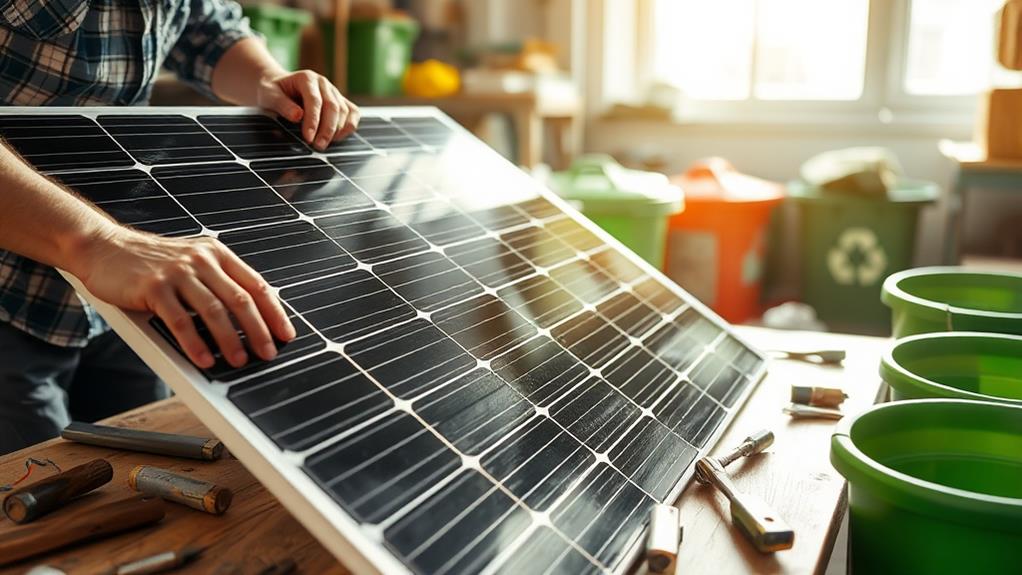
Before we plunge into the recycling process, it's crucial to guarantee our solar panels are ready for their next chapter. Properly disposing of old solar panels begins with a careful assessment to determine if they can be refurbished for reuse or must go through the solar panel recycling process. We should remember to:
- Clean the solar panels to remove dirt or debris.
- Safely disconnect the solar equipment from the electrical system.
- Document details, including the manufacturer, model number, and installation date.
- Contact local recycling centers to confirm acceptance and inquire about specific requirements.
- Ensure compliance with recycling facility guidelines to facilitate the recycling process.
Recommended Products

Complete Tool Kit: This complete BougeRV solar crimping tool kit includes a durable wire crimper, 2 spanners, a convenient carrying case and 12 pairs of standard pv connectors. Great for beginners and experienced installers

[1Pair Metal Spnner and 1Pair Plastic Spanner]:This solar connect and disconnect tool is compatible with MC-4 solar adapter crimping.It is a light weight, portable assembly tool for extension solar panel PV Wire, pv connectors, pv cable,solar generators and solar wire connectors.

EASY TO CONNECT: Use a solar wrench to hold the base and body of the connector separately. You can use the solar spanners to tightly connect the connector
Where to Find Recycling Centers
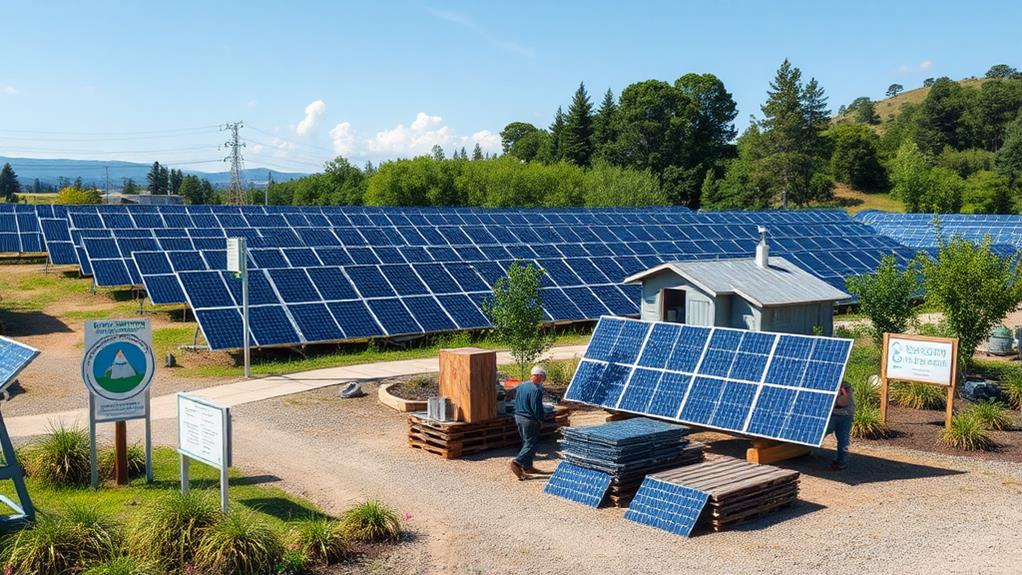
When it comes to locating recycling centers for solar panels, we have a variety of resources at our disposal to simplify the process. The U.S. Department of Energy's Solar Energy Technologies Office, along with platforms like Earth911, provides searchable databases that pinpoint certified recycling facilities based on our zip codes, ensuring we can find convenient options. Additionally, organizations such as the Solar Energy Industries Association and Cleanlites Recycling offer extensive guidance and services tailored to our regional needs, effectively supporting our recycling efforts.
Recommended Products

[Bifacial Technology]This package contains the solar panel only. These 425W Bifacial solar panels feature a transparent backsheet design, allowing electricity generation from both the front and back, resulting in up to 25% increased efficiency compared to conventional solar panels.

[Industry-Leading Efficiency 25%] Upgraded with 16BB N-Type cell technology, Renogy solar panels for camping achieve 25% efficiency—outperforming standard 9BB 200W portable solar panel (22.5%). This means more power from the same sunlight, ideal for limited spaces or cloudy conditions. Whether charging batteries/power stations or running appliances, you get faster energy generation and higher daily output with this foldable solar panel.
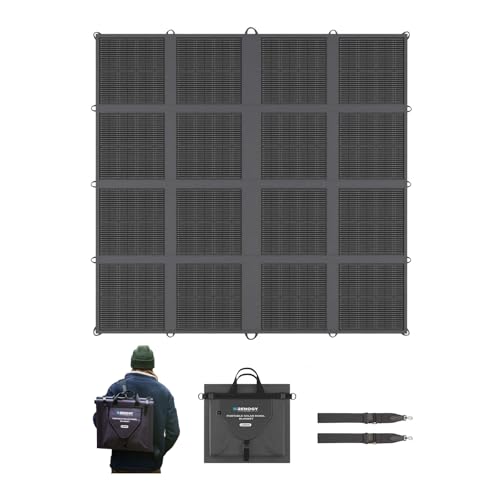
[Ultra-Lightweight with 16-Fold Design] Weighing only 16.09 lbs, Renogy solar blanket is the lightest in its class (62% lighter than a conventional 400w portable solar panel). Innovative 16-fold design packs down to backpack size 16.54x15.83x4.13in (75% smaller than other camping solar panel). Stores effortlessly in tight camper spaces - perfect for SUVs / pickup truck campers / 4x4 off-road cars.
Local Recycling Resources
Finding local recycling resources for solar panels can be a straightforward process if we are aware of where to look. By tapping into the right tools and organizations, we can guarantee proper solar panel recycling and responsible disposal. Here are some valuable resources to explore:
- Earth911: A searchable database for nearby recycling facilities that accept solar panels.
- SEIA: Offers insights into recycling programs and companies specializing in solar panel disposal.
- Recycle PV Solar: A dedicated service operating in multiple states for solar panel recycling.
- California laws: Specific regulations that enhance recycling opportunities for solar panels.
- Local recycling facilities: Check with local waste management for available recycling options.
Utilizing these local recycling resources can help us contribute to a sustainable future while effectively managing our solar energy technologies.
Online Recycling Databases
To guarantee we properly recycle solar panels, utilizing online recycling databases can be incredibly helpful. Resources like the U.S. Department of Energy's Solar Energy Technologies Office guide us in locating accredited recycling centers. Platforms such as Earth911 allow us to find local recycling facilities by simply entering our zip code and the materials we wish to recycle, including solar panels. The Solar Energy Industries Association (SEIA) also offers extensive information on solar panel recycling options and accredited facilities nationwide. Furthermore, while the U.S. EPA does not endorse specific entities, it provides guidelines for finding certified recycling services. By leveraging these online recycling databases, we can guarantee the proper disposal of solar panels and support sustainable practices in our communities.
Manufacturer Recycling Programs
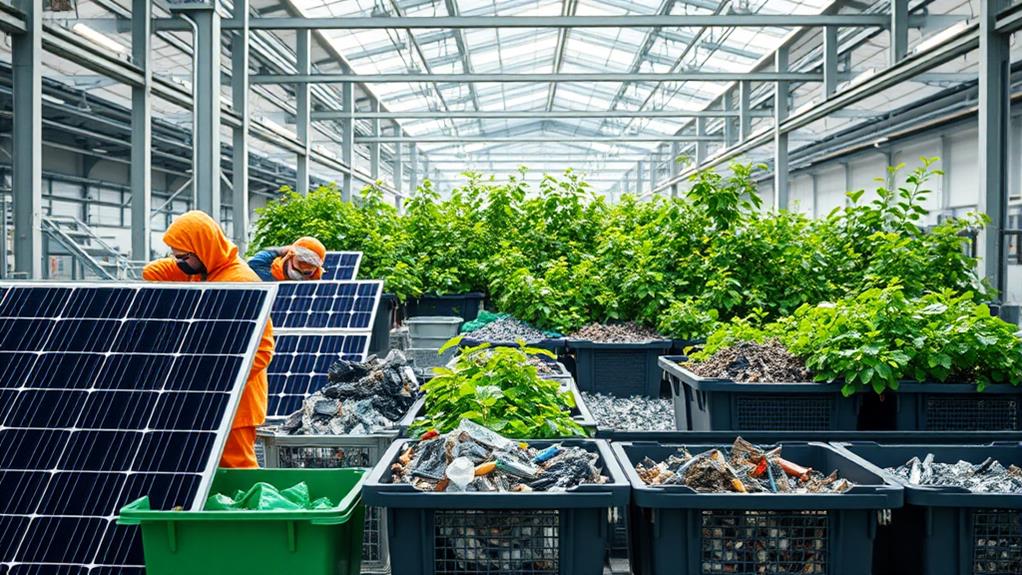
A growing number of solar panel manufacturers are stepping up to address the challenge of recycling end-of-life panels through dedicated programs. These manufacturer recycling programs not only facilitate responsible disposal but also promote a circular economy by recovering valuable materials. Through take-back programs, companies like SunPower and First Solar guarantee sustainable management of their products. Local recycling options, such as those offered by METech Recycling, partner with manufacturers to streamline processes. Additionally, initiatives by Santee Cooper further enhance accessibility to solar energy while integrating recycling efforts. Here are some key aspects of these programs:
- Global recycling initiatives
- Take-back programs for old panels
- Partnerships with local recycling companies
- Recovery of valuable materials
- Reduced environmental impacts
Recommended Products
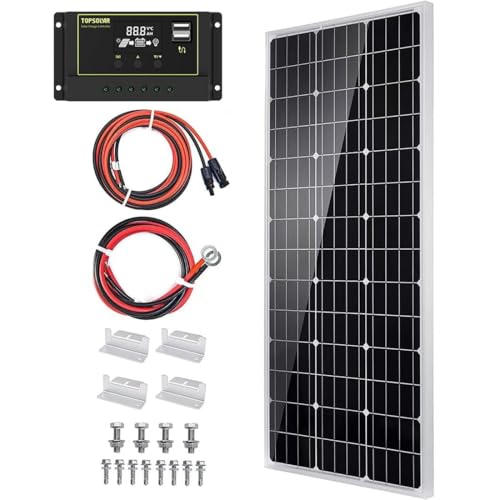
100W solar panel kits ideal for 12v battery charging, designed for RVs, cabins, homes, boats, caravan s, back-up and remote power use.
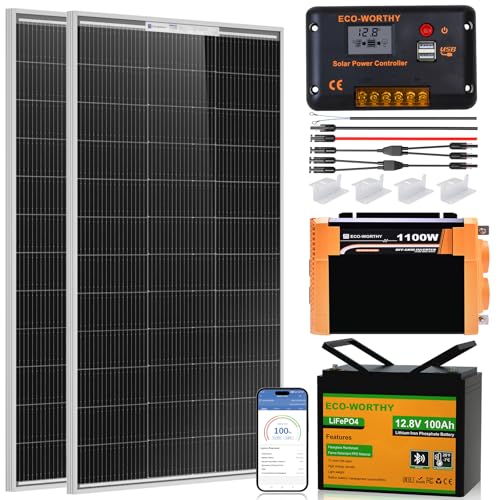
One-Stop Solar Solution: This complete 200W solar complete system generates 800Wh of power daily and stores 1.28Kwh of power, making it the essential kit for your RV trip. This system comes with everything you need to build an off-grid solar system, no additional purchases required. It includes 2pcs 100W solar panel, 12.8V 100Ah lithium battery, 1100W inverter, a 30A PWM charge controller, and all necessary cables.

【Protected Shipping, Less Hassle】 Each panel ships with foam corners and reinforced cartons to cut transit damage. If an issue occurs, contact us—we resolve quickly, often without returns.
Challenges in Solar Panel Recycling
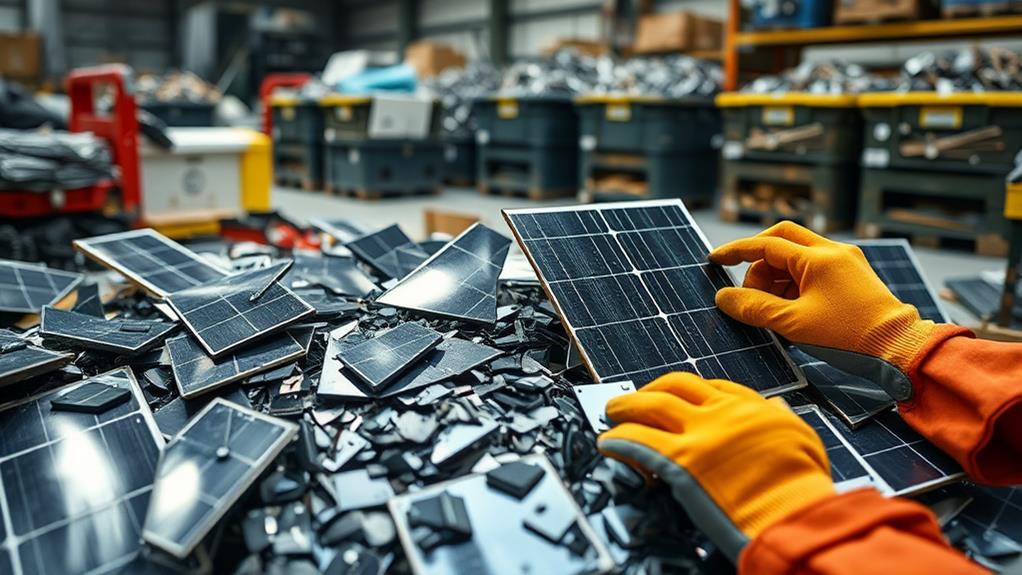
When we consider the challenges in solar panel recycling, we must acknowledge the material complexity and the presence of hazardous components, such as lead and cadmium, which complicate recovery efforts. Each solar panel contains a mix of silicon, glass, metals, and plastics that require specific, often costly, recycling techniques; this complexity not only raises recycling costs but also limits participation due to public unawareness. Furthermore, the potential health and environmental risks associated with improper disposal of these toxic elements highlight the urgent need for effective recycling solutions that comply with regulatory standards.
Recommended Products

[Value Pack of 2] - This 2-pack of 9W solar panel chargers comes with 10-foot USB-C cable, 2 USB-C to Micro USB adapters, 2 wall brackets, 2 screw packs, and 2 quick start guides, enabling flexible installation in various environments

[High-Efficiency Solar Panel] With the portable solar panel industry's first use of N-Type solar technology, we've raised the bar on conversion efficiency, reaching 25%. Charge faster with a more compact panel. With its dual-sided design, collect up to 28% more energy, perfect for camping and other outdoor activities.

Unmatched Cell Efficiency - Renogy Bifacial Solar Panel features grade A+ cells, delivering an impressive conversion efficiency of 25%.This 250 watt solar panel provides 20W more power output compared to conventional p-PERC panels of the same design.
Material Complexity
Solar panel recycling presents us with significant challenges due to their complex material composition. The diverse materials within solar panels, including silicon, glass, aluminum, and hazardous components, require tailored recycling processes. This complexity can hinder recovery rates and recycling efficiency, making it essential to utilize advanced technology.
- Different recycling methods are needed for each material
- Hazardous components like lead and cadmium necessitate compliance with regulations
- Advanced technology is often not widely available or cost-effective
- Average recycling efficiency can reach 96%, but real-world results may vary
- An underdeveloped secondary market limits the recovery of valuable materials
Addressing these challenges is vital for enhancing solar panel recycling efforts and promoting a sustainable future.
Hazardous Components
In recycling solar panels, managing hazardous components like lead and cadmium is one of our biggest challenges. These toxic elements pose significant environmental risks and health hazards, particularly if they're not properly handled during recycling processes. The presence of hazardous materials necessitates specialized waste management strategies, complicating our recycling efforts. In the U.S., many solar panels are incorrectly classified as general waste rather than hazardous, leading to potential environmental contamination and regulatory compliance issues. To mitigate these risks, it's imperative that recycling facilities adhere strictly to local, state, and federal regulations. By increasing awareness about the hazardous components in solar panels, we can promote responsible recycling practices that protect both our environment and public health from toxic leachate.
Frequently Asked Questions
How Are Solar Panels Recyclable?
Solar panels are the heroes of recycling! Their materials spark innovative technologies in sustainable practices. With effective recycling processes, we can enhance energy efficiency, minimize environmental impact, and reveal economic benefits through smarter waste management and regulatory frameworks.
What Parts of Solar Panels Cannot Be Recycled?
When considering solar panels, we find that non-recyclable materials, like hazardous components, greatly impact our environment. Disposal methods often rely on outdated manufacturing processes, highlighting the need for improved recycling technologies and stronger legislative regulations for sustainability.
What Will Be Done With Old Solar Panels?
When old solar panels reach the end of their lifespan, we can explore innovative solutions for materials recovery through recycling processes. This guarantees compliance with disposal regulations, reduces environmental impact, and supports sustainability practices in our energy shift.
What Do You Do With Broken Solar Panels?
When we face broken solar panels, we should explore repair options first. If not feasible, we'll consider safe disposal methods, local regulations, and manufacturer programs, ensuring minimal environmental impact while being mindful of cost considerations and community initiatives.