To optimize water resources for efficient hydropower generation, we must employ advanced modeling techniques and real-time data integration to enhance decision-making processes. Research using metaheuristic algorithms like the Moth Swarm Algorithm has shown significant potential, with one peer-reviewed study of Iran’s Karun-4 reservoir finding a 65.088% increase in optimized energy output compared to actual generation, while ensuring environmental compliance through balanced flow management. Addressing challenges such as stochastic inflow and regulatory constraints requires a collaborative approach among stakeholders, fostering sustainable practices that benefit both energy production and ecological stewardship. As of 2026, global installed hydropower capacity reached roughly 1,456 GW, according to IRENA — and hydropower still supplies about 6% of total U.S. utility-scale electricity generation, per the U.S. Energy Information Administration. As we explore innovative reservoir management strategies, we’ll uncover additional insights into effective hydropower optimization practices.
Key Takeaways
- Implement advanced modeling techniques and real-time data integration to enhance decision-making and operational efficiency in hydropower systems.
- Utilize metaheuristic algorithms, like the Moth Swarm Algorithm, which one published case study found increased optimized energy output by 65.088% at a large multi-purpose reservoir.
- Collaborate with stakeholders to balance energy generation needs with environmental stewardship and adhere to regulatory constraints.
- Employ innovative reservoir management strategies, including Genetic Algorithms and Particle Swarm Optimization, for sustainable energy demand management.
- Continuously assess ecological impacts and engage in case studies to inform best practices for hydropower optimization.
Importance of Hydropower Optimization
You may be interested


The significance of hydropower optimization cannot be overstated. Hydropower remains the largest source of renewable electricity worldwide, with global capacity at approximately 1,456 GW as of the end of 2026, according to IRENA’s Renewable Capacity Statistics. By focusing on hydropower optimization, we can maximize the efficiency of our energy management systems, allowing us to better harness our water resources. This optimization is essential, as it enables adjustable water flows that respond swiftly to the demands of the electrical grid, thereby enhancing grid reliability. Furthermore, the U.S. Department of Energy’s HydroWIRES initiative aims to balance energy generation with environmental requirements, guaranteeing that our operations are not only efficient but also ecologically responsible. Advanced modeling techniques, including metaheuristic algorithms, play an important role in refining operational efficiency, allowing us to meet rising energy demands sustainably while adhering to necessary ecological considerations. For readers weighing renewable options more broadly, our cost-benefit analysis of green energy offers useful context on how hydropower compares with other technologies. Together, we can secure a robust future for hydropower generation.
Challenges in Hydropower Management
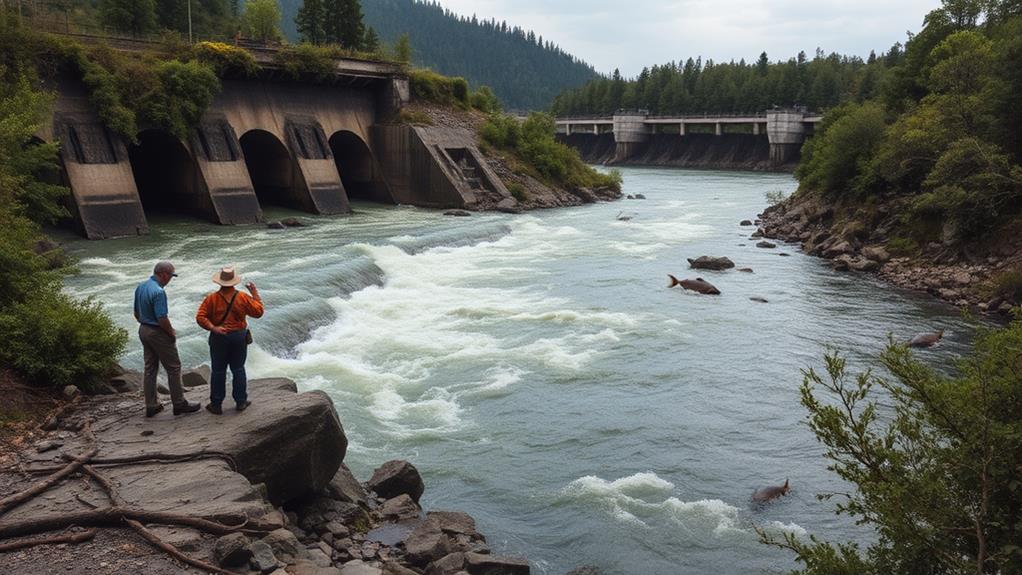
Optimizing hydropower isn’t without its hurdles. The current models often fall short in accurately representing available resources, which limits our ability to evaluate and enhance hydropower systems effectively. The stochastic nature of inflow and demand adds complexity to reservoir operation, making it challenging to manage multiple constraints and decision variables. Additionally, seasonal and daily flow restrictions imposed by environmental regulations can greatly reduce the operational flexibility of our facilities, particularly during peak demand periods. Compounding these issues, the lack of reliable data restricts our assessment of hydropower’s flexibility, underscoring the need for advancements in data collection and modeling techniques. Collaborative efforts among stakeholders are essential to navigate these complexities and optimize resource allocation for more sustainable hydropower management. These same data and planning challenges apply broadly across renewables — see our renewable energy project budget template for a framework on planning around uncertainty.
Advances in Reservoir Operation
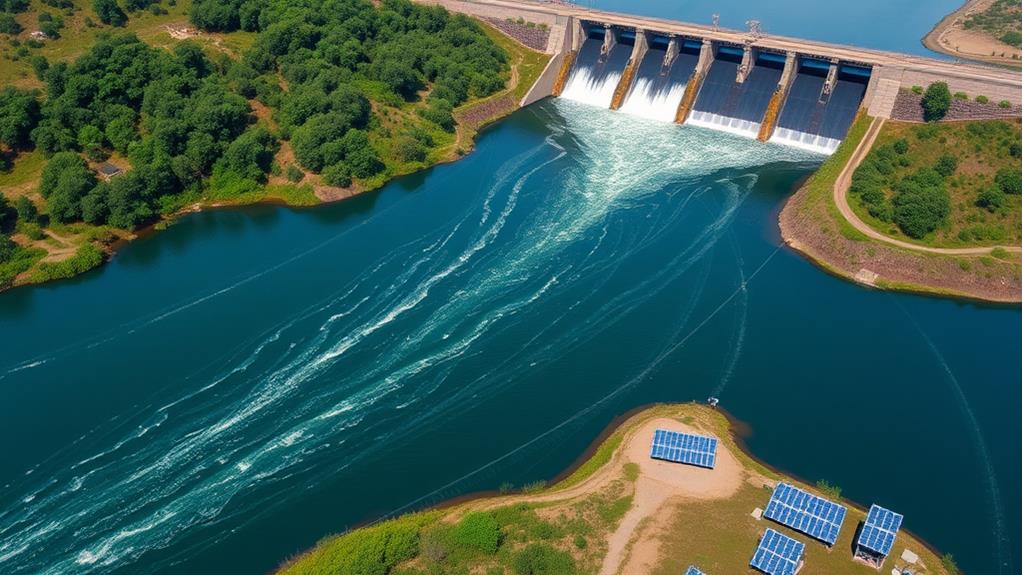
In our exploration of advances in reservoir operation, it is crucial to recognize the innovative management techniques that greatly enhance hydropower efficiency. By integrating real-time data into reservoir management, we can respond more effectively to fluctuating energy demands, optimizing flow and energy scheduling to maximize output. Additionally, the application of advanced algorithms, including several evolutionary and swarm-based optimization methods benchmarked in peer-reviewed hydropower research, showcases a remarkable potential to increase energy generation, underscoring the importance of embracing these technologies in modern hydropower systems.
Innovative Reservoir Management Techniques
Through innovative reservoir management techniques, we can greatly enhance hydropower generation while addressing environmental concerns. By implementing advanced algorithms, such as the Moth Swarm Algorithm (MSA), we tackle optimization problems that arise in managing complex hydropower systems; a study published in Scientific Reports found MSA achieved a 65.088% increase in optimized energy generation over actual output at Iran’s Karun-4 reservoir. These techniques not only improve hydropower energy generation efficiency but also guarantee that we maintain essential ecological flows, important for fish migration and overall ecosystem health. As we embrace sustainable practices, interdisciplinary collaboration among stakeholders becomes essential, allowing us to optimize water resources effectively. By integrating these innovative management strategies, we can balance energy production with environmental stewardship, guaranteeing a resilient and responsible approach to hydropower generation.
Real-Time Data Integration
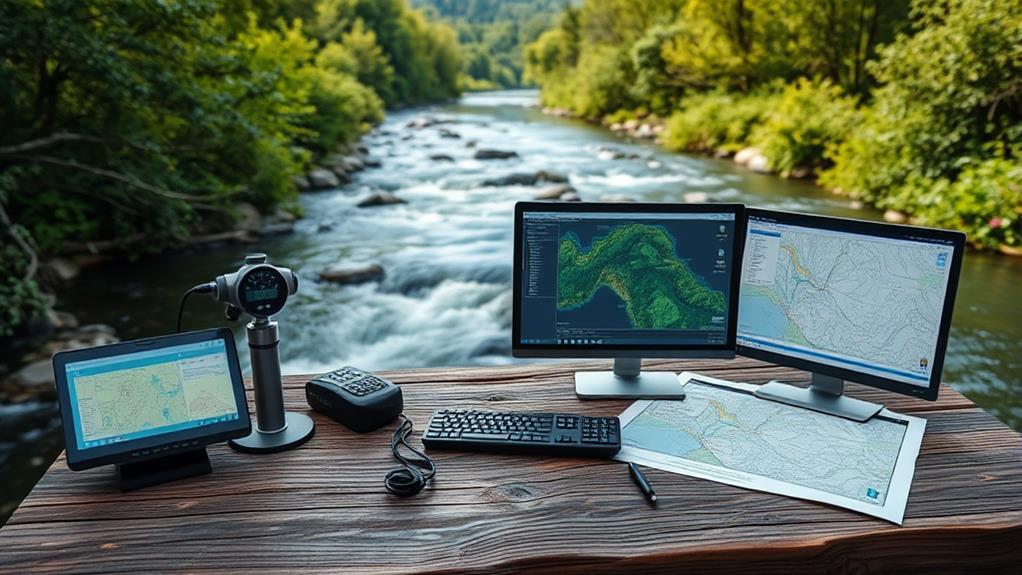
As we move into an era of advanced technology, real-time data integration is revolutionizing how we operate reservoirs for hydropower generation. By harnessing up-to-date information on water levels, inflows, and demand fluctuations, we enhance decision-making and optimize hydropower output. Advanced monitoring systems allow for precise control of water releases, ensuring we maximize energy generation while adhering to environmental flow requirements — a principle similar to how solar energy monitoring devices use live data to improve system performance. Additionally, integrating machine learning algorithms with real-time data considerably improves both predictive maintenance and operational efficiency, facilitating better reservoir management. This approach leads to optimized scheduling of energy generation, particularly during peak demand periods. In addition, innovations like variable speed turbines benefit immensely from real-time data integration, allowing us to respond flexibly to grid demands and fortifying our commitment to renewable energy sources.
Role of Metaheuristic Algorithms
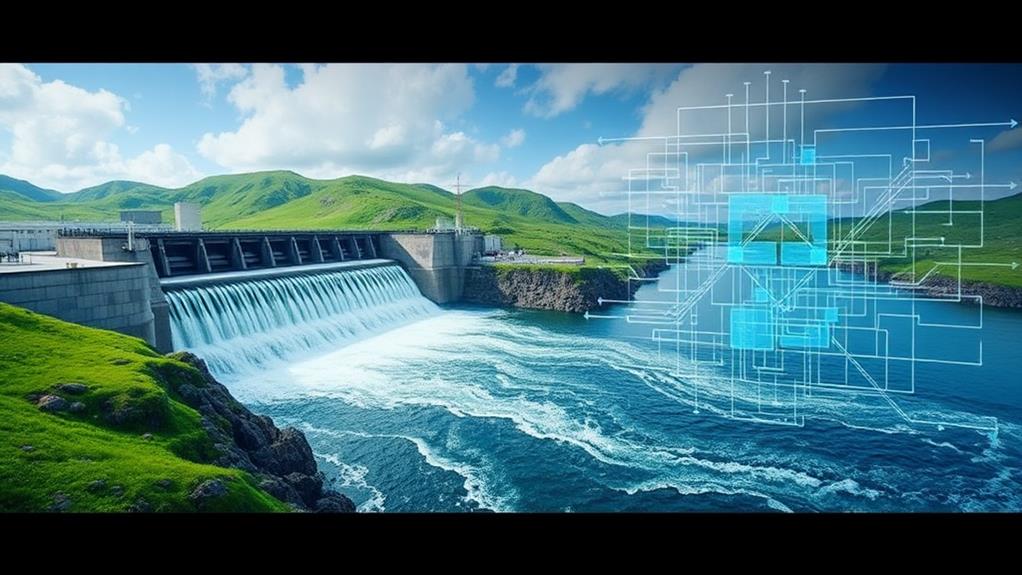
In examining the role of metaheuristic algorithms in hydropower, we see their significant contribution to enhancing algorithm efficiency and developing effective reservoir management strategies. A widely cited comparative study evaluating 14 evolutionary algorithms on the Karun-4 reservoir found the Moth Swarm Algorithm (MSA) produced a 65.088% increase in optimized energy generation relative to actual historical output, alongside strong results from algorithms such as the Coyote Optimization Algorithm and Grey Wolf Optimizer. These advancements underscore the necessity of integrating such algorithms to optimize water resources, ensuring both operational efficiency and sustainable energy output in hydropower systems.
Algorithm Efficiency Enhancement
Metaheuristic algorithms are transforming the landscape of hydropower generation by markedly enhancing algorithm efficiency. By employing adaptive strategies, such as the Moth Swarm Algorithm and Coyote Optimization Algorithm, these methods optimize reservoir scheduling and flow management, yielding significant energy gains. In the Karun-4 case study published in Scientific Reports, the Moth Swarm Algorithm produced optimized energy generation of roughly 19.3 million MWh, a 65.088% increase over the actual recorded output of about 11.7 million MWh for that period.
| Algorithm Type | Energy Increase vs. Actual Output | Notable Characteristic |
|---|---|---|
| Moth Swarm Algorithm (MSA) | 65.088% | Highest performer in Karun-4 study |
| Coyote Optimization Algorithm | Variable by scenario | Strong adaptive search behavior |
| Particle Swarm Optimization (PSO) | Variable by scenario | Widely used baseline method |
Our continuous research underscores the potential of these algorithms to revolutionize energy management and sustainability in hydropower practices.
Reservoir Management Strategies
How can we harness the power of metaheuristic algorithms to enhance reservoir management strategies for hydropower generation? By implementing algorithms like Genetic Algorithms (GA) and Particle Swarm Optimization (PSO), we can optimize energy output while effectively balancing flow management. Peer-reviewed comparisons of these evolutionary algorithms at the Karun-4 reservoir found the Moth Swarm Algorithm (MSA) achieved a 65.088% increase in optimized energy generation over actual historical output, illustrating the strong potential of evolutionary approaches in this domain. By integrating real-time data into our reservoir management strategies, we can make responsive adjustments that adapt to the stochastic nature of water resources, ultimately meeting rising energy demands sustainably.
Environmental Considerations in Hydropower
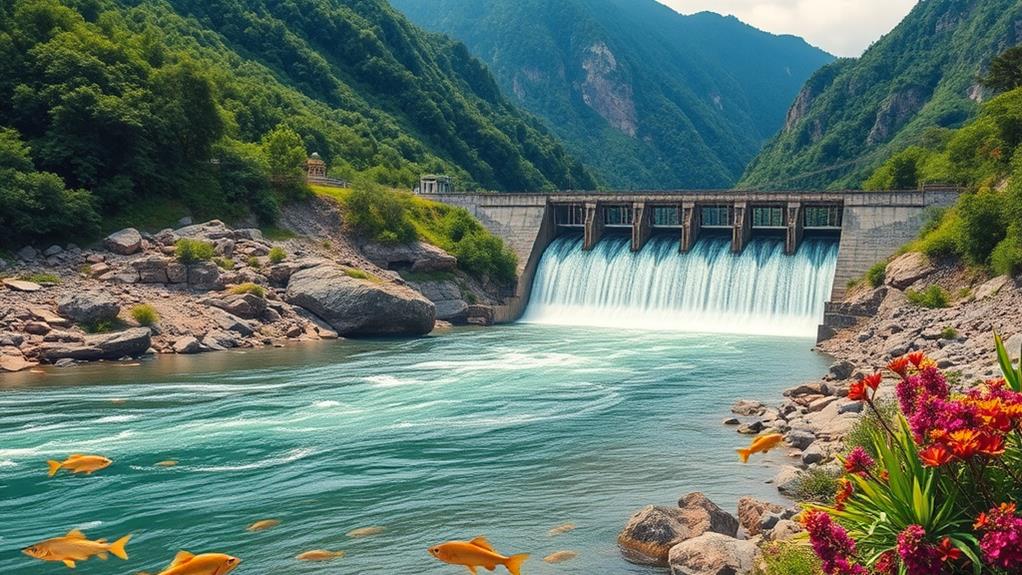
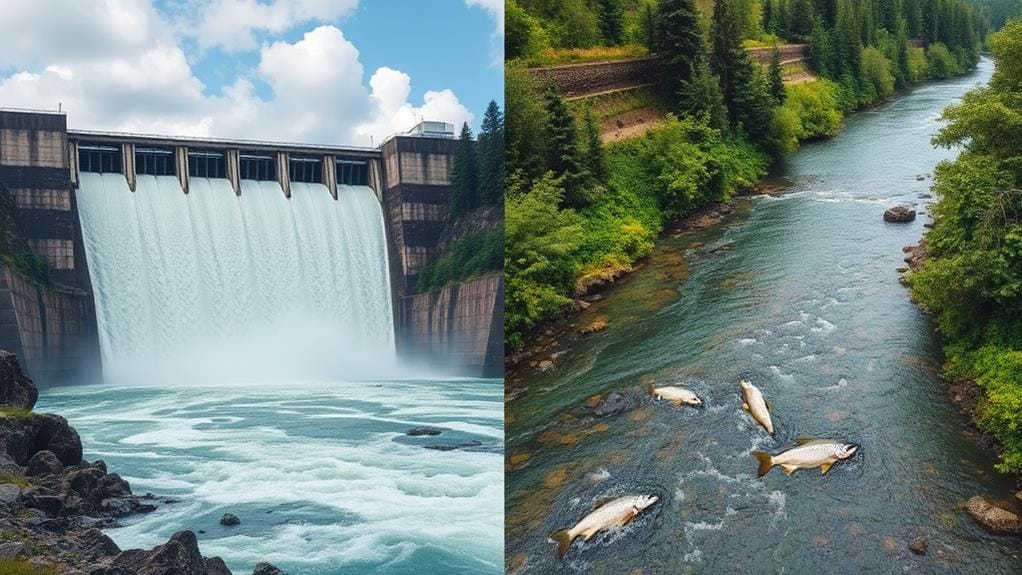
When considering the balance between energy generation and environmental stewardship in hydropower, we must recognize the critical importance of minimum flow requirements. These requirements are essential to support fish migrations and maintain the aquatic habitats that hydropower operations can disrupt. While environmental protections, such as regulations on water quality, guide our operational strategies, they can also impose seasonal and daily flow restrictions that limit our operational flexibility during peak energy demand periods. It’s crucial for us to assess the ecological impacts of hydropower projects continually, ensuring we adopt best practices for environmental stewardship. By leveraging tools designed to optimize energy generation while respecting wildlife protection needs, we can advance sustainable hydropower solutions that benefit both our energy goals and the environment. For a broader look at how different renewable technologies compare on environmental footprint, see our guide to the environmental impact of hydroelectric dams.
Case Studies in Optimization
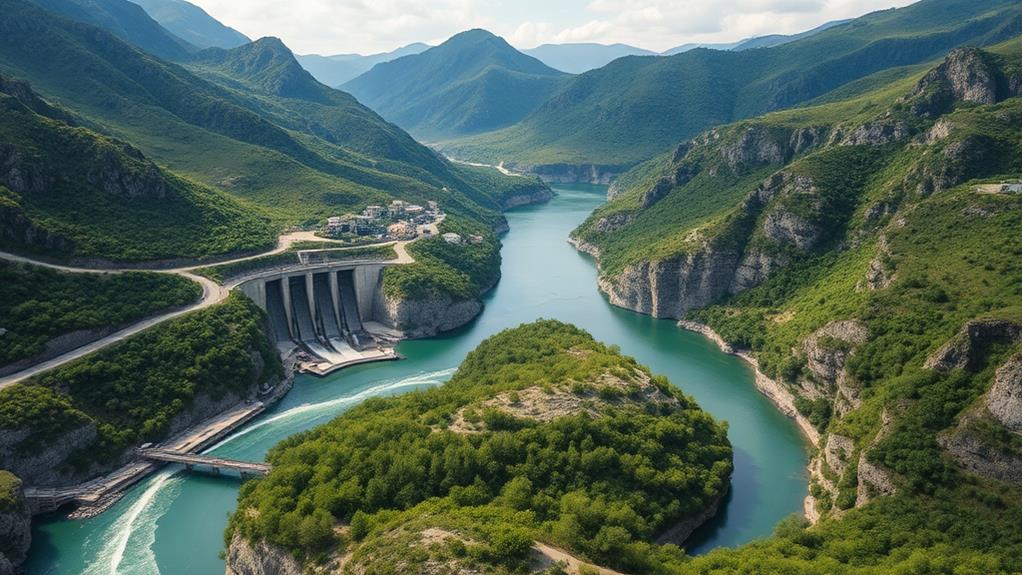
As we explore case studies in optimization for hydropower, it’s clear that real-world examples can guide us in balancing energy generation with ecological responsibilities. For instance, the Glen Canyon Dam illustrates how adjusted water release timing can support endangered species like the Humpback chub, while the Yadkin-Pee Dee River Basin case study emphasizes the need for coordinated operations across multiple facilities to maximize energy value and ecological health.
| Case Study | Key Findings |
|---|---|
| Glen Canyon Dam | Optimized water releases enhance species support |
| Yadkin-Pee Dee | Coordination improves energy value and sustainability |
| Reservoir Simulations | Strategic adjustments yield significant energy and ecological gains |
These case studies highlight the importance of real-time data integration for effective decision-making in optimizing power generation and water resource management.
Future Directions for Research

Looking ahead, future research in hydropower optimization promises to reveal innovative strategies that can greatly enhance energy generation efficiency. By focusing on the development of hybrid algorithms that merge various evolutionary algorithms, we can considerably improve operational flexibility and sustainability. Our investigations will emphasize real-world applications and case studies, validating the effectiveness of these new optimization methodologies in complex reservoir management scenarios. Furthermore, fostering interdisciplinary collaboration among researchers, industry professionals, and policymakers is essential to addressing emerging energy challenges in hydropower optimization, an approach reflected in the DOE Water Power Technologies Office’s ongoing HydroWIRES research portfolio. Continuous monitoring and evaluation of hydropower’s impacts will be vital for adapting our optimization strategies to the ever-changing energy landscape and environmental considerations. Readers interested in how hydropower fits alongside other storage-capable renewables may also want to review the benefits of pumped storage hydroelectricity. Together, we can pave the way for a more sustainable future in hydropower generation.
Collaborative Strategies for Improvement
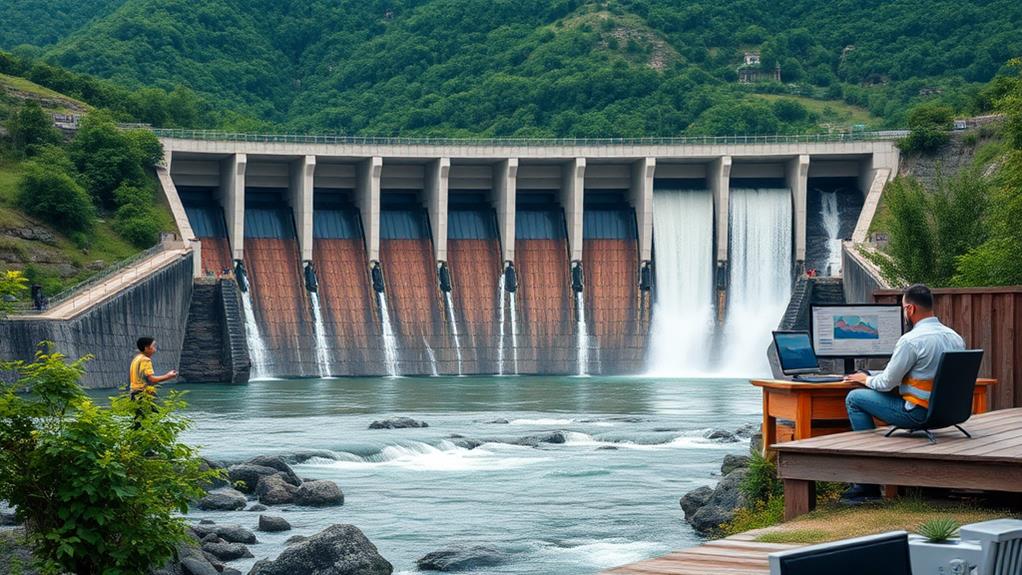
Effective collaborative strategies are essential for enhancing hydropower optimization and ensuring sustainable energy generation. By fostering collaborative efforts among researchers, industries, and policymakers, we can markedly advance our understanding of hydropower systems. Stakeholder engagement is critical, as involving community organizations and environmentalists helps balance energy generation with ecological needs. In addition, integrating machine learning with real-time monitoring systems enhances predictive maintenance and operational efficiency, ultimately leading to improved performance in our facilities. Workshops and expert gatherings underscore the necessity of coordinated strategies to address representation challenges. Moreover, securing financial incentives and funding opportunities is fundamental for supporting these collaborative research projects, ensuring we collectively tackle the multifaceted challenges facing hydropower generation today. For communities exploring participatory renewable models, our community-owned wind energy projects guide offers a useful comparison in collaborative project structuring. Together, we can make a difference.
Frequently Asked Questions
How Can We Make Hydropower More Efficient?
To make hydropower more efficient, we can focus on innovative turbine designs, optimize water flow, enhance reservoir management, and consider environmental impacts. Modern hydroelectric plants already achieve efficiency of about 90%, among the highest of any electricity generation technology, according to the U.S. Bureau of Reclamation. Together, we can create a sustainable energy future that benefits everyone.
What Resources Are Needed for Hydroelectric Power?
Hydroelectric power requires reliable water availability, advanced turbine technology, careful reservoir management, and a commitment to minimizing environmental impact. Globally, installed hydropower capacity reached about 1,456 GW by the end of 2026, according to IRENA, underscoring how significant a resource base this technology relies on.
How Can the Amount of Electricity Generated at a Hydroelectric Plant Be Optimized?
To optimize electricity generation at a hydroelectric plant, we should focus on turbine design, flow regulation, and energy storage while considering environmental impact. Research applying metaheuristic optimization algorithms, such as the Moth Swarm Algorithm, has demonstrated energy gains of over 60% versus historical operation in specific reservoir case studies. Together, we can create a sustainable energy future that benefits everyone.
What Is Typically the Efficiency Considered for a Hydroelectric Plant?
Turbine design, flow optimization, and reservoir management all work together to determine plant performance. According to the U.S. Bureau of Reclamation, today’s hydroelectric plants typically operate at about 90% efficiency, balancing environmental impact with the quest for sustainable energy.
How Much of U.S. Electricity Comes From Hydropower?
As of 2026, hydropower supplied about 6% of total U.S. utility-scale electricity generation — roughly 247 billion kilowatt-hours — making it the largest source of renewable electricity generation capacity in the country for decades, according to the U.S. Energy Information Administration.