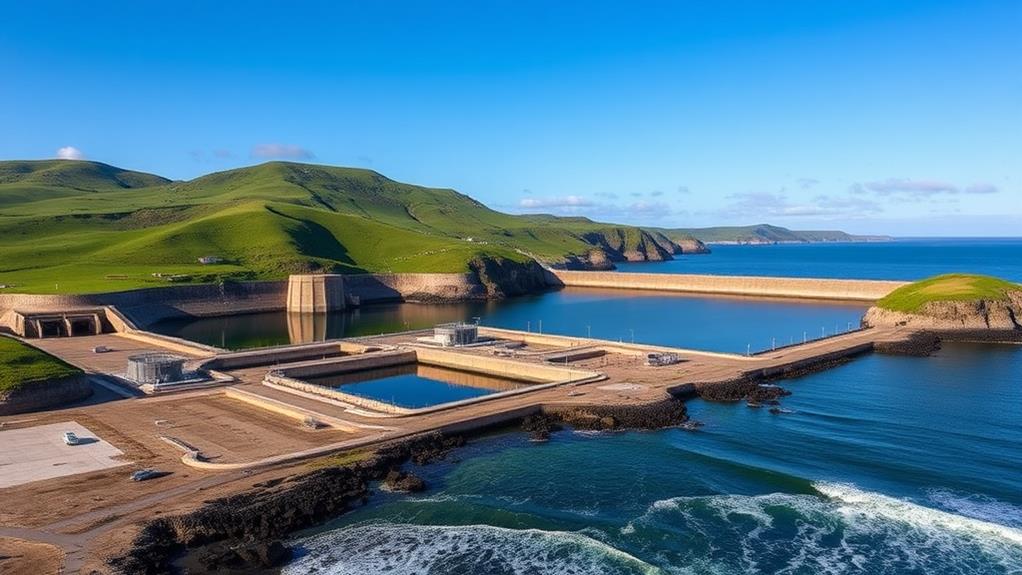
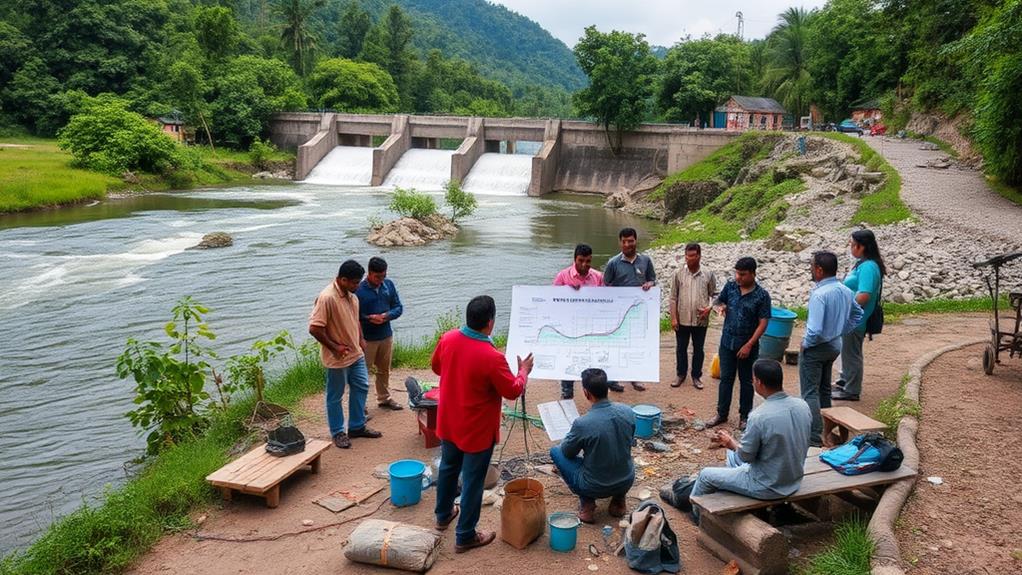
We’re witnessing significant advancements in upgrading aging hydroelectric facilities across the United States. Modernization efforts involve replacing turbines with high-efficiency, fish-friendly designs, thereby increasing capacity while improving ecological compatibility. Long-standing federal analyses point to substantial untapped potential from retrofitting non-powered dams and refurbishing existing plants with battery storage integration. Coupled with robust cybersecurity measures to safeguard against threats, these upgrades not only support sustainable energy generation but also improve water quality and aquatic habitats. As of 2026, hydropower still supplies about 5.6% of total U.S. utility-scale electricity generation and roughly 23% of U.S. renewable electricity generation, according to the U.S. Energy Information Administration — making the modernization of this aging fleet one of the most consequential renewable energy stories of the decade.
Key Takeaways
- Upgrading turbines enhances efficiency and capacity, with potential for meaningful improvements in energy output at existing hydroelectric facilities.
- Innovative technologies, such as fish-friendly turbines and advanced materials, reduce operational costs and support environmental sustainability.
- Retrofitting non-powered dams and refurbishing aging facilities represents one of the largest sources of low-carbon capacity growth available without building new dams.
- Enhanced cybersecurity measures protect aging infrastructure from threats, helping ensure the integrity of energy grids and public trust in renewable resources.
- Upgrades improve aquatic habitats and water quality, benefiting biodiversity and supporting threatened and endangered species while reducing operational emissions.
- Hydropower remains the largest single source of renewable electricity generation in the U.S., even as its overall generation share has declined over recent decades.
Understanding Hydropower Modernization
You may be interested
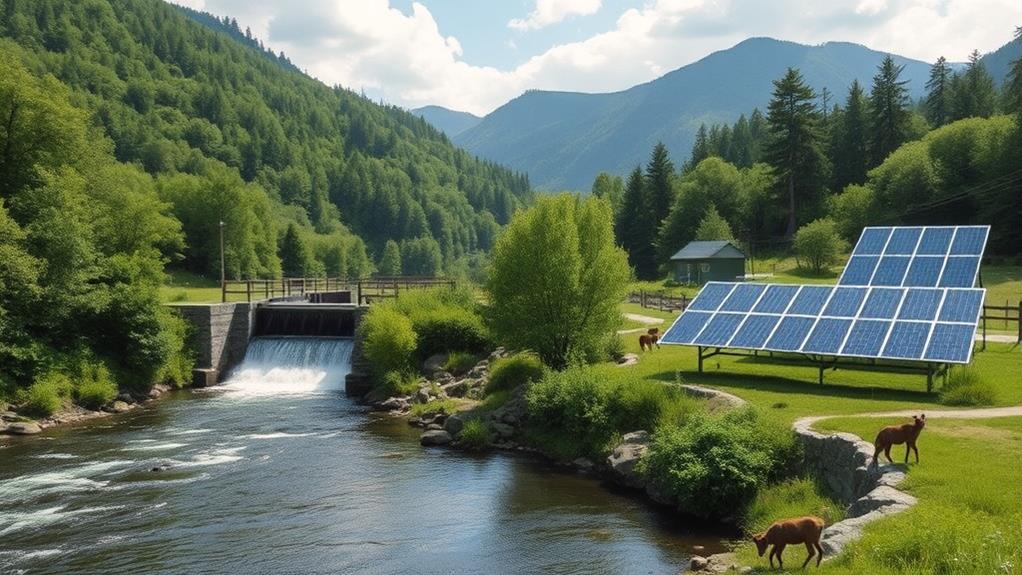
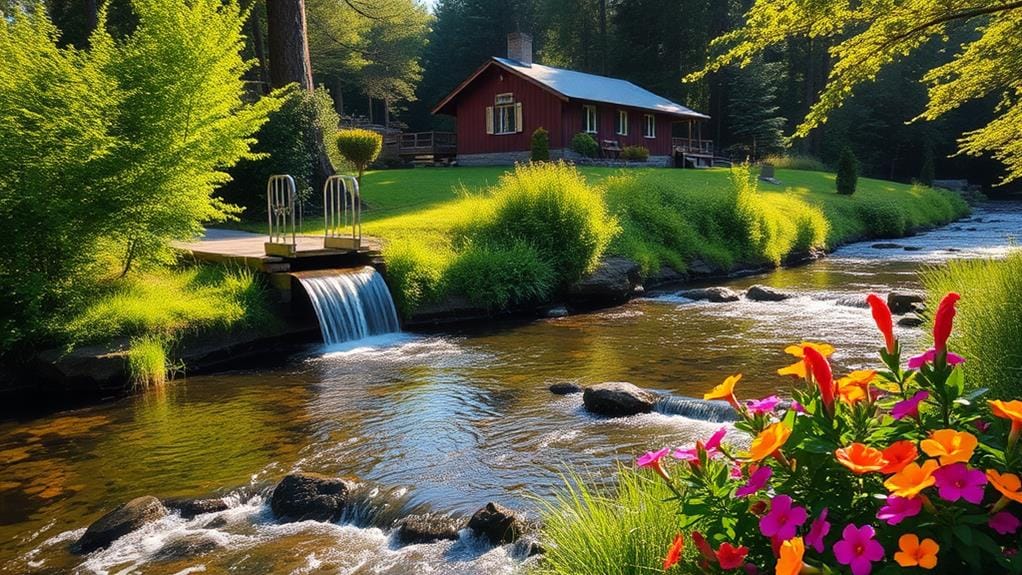
As we look to the future of energy production, understanding hydropower modernization is crucial. This process involves upgrading turbines to enhance efficiency and increase capacity at existing facilities. The vast majority of U.S. dams were never built to generate electricity at all — only a small fraction of the roughly 90,000 dams cataloged in the National Inventory of Dams currently produce power, according to Department of Energy research, leaving substantial room for retrofits at existing infrastructure. Many U.S. hydroelectric facilities are now multiple decades old, and modernization programs prioritize safety, cybersecurity, and environmental stewardship as this fleet ages. Modernization also prioritizes the installation of fish-friendly turbines designed to dramatically improve fish passage survival rates, reflecting a broader industry commitment to ecological integrity. Given that many hydroelectric facilities are approaching or exceeding their original design life, upgrades are increasingly critical to maintain reliable clean energy production. By retrofitting non-powered dams and refurbishing aging structures, the U.S. can meaningfully expand hydropower’s role in the energy landscape without the environmental footprint of new dam construction. Readers interested in how hydropower compares with other renewable options may also find our green energy vs. fossil fuel price comparison useful context.
Innovative Technologies in Hydropower
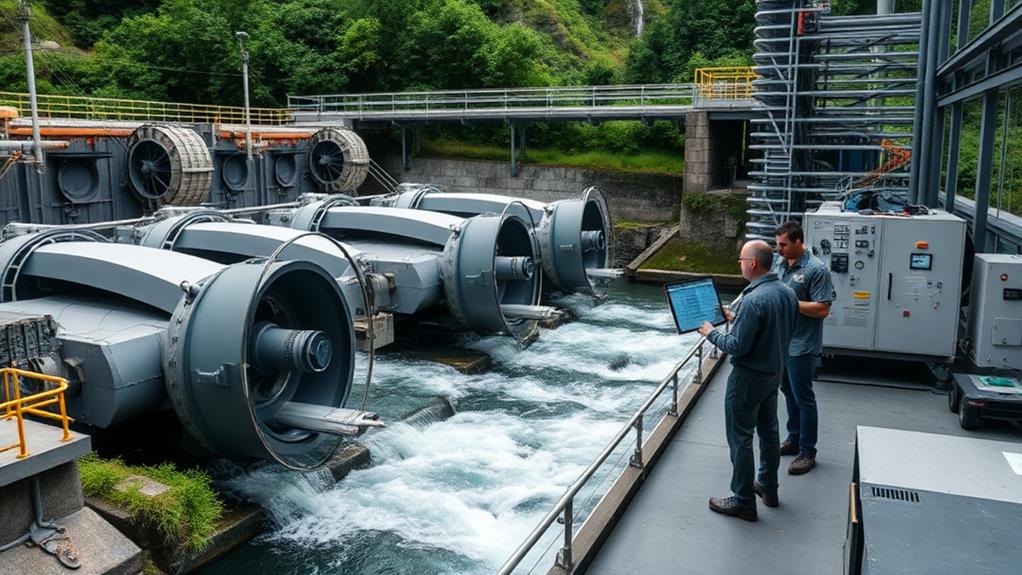
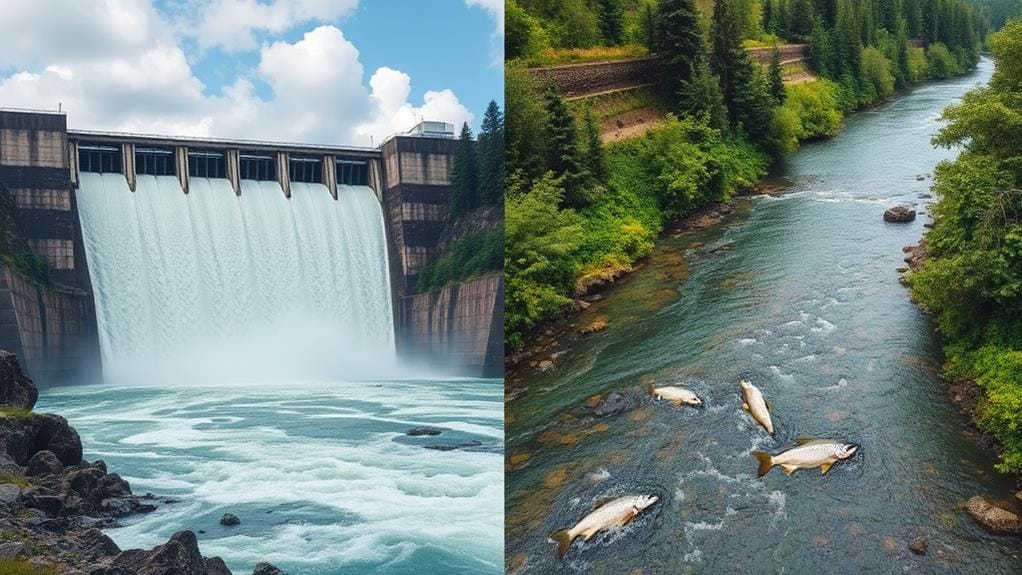
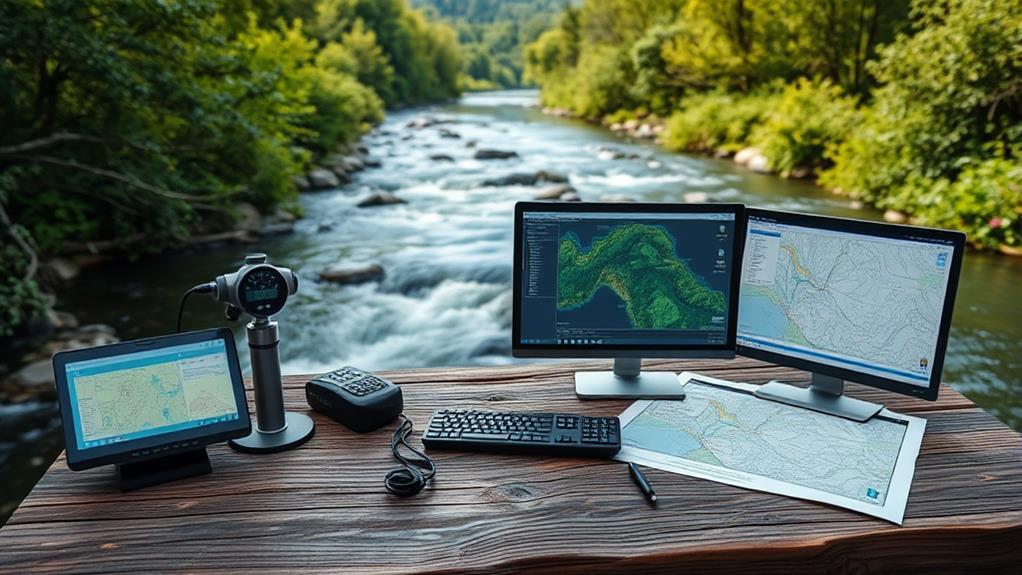
Innovative technologies are reshaping the landscape of hydropower, making it more efficient and environmentally friendly. Through hydropower modernization, the industry has seen the introduction of fish-friendly turbines, engineered with rounded edges and slower rotational speeds to sharply reduce fish mortality during passage, greatly enhancing ecological compatibility. Advanced materials and manufacturing techniques reduce operational costs while increasing efficiency, making renewable energy generation more viable over a plant’s remaining service life. Furthermore, the integration of digital control systems allows for rapid and precise adjustments to electricity demand fluctuations, optimizing performance and helping hydropower serve as flexible, dispatchable backup for variable resources like wind and solar. Environmental monitoring technologies enhance fish detection accuracy near facilities, promoting better wildlife management and ensuring compliance with environmental regulations. By prioritizing low-impact technologies, operators are minimizing environmental effects while maximizing energy generation capabilities, fostering a more sustainable future for hydropower and the ecosystems it touches. This mirrors trends seen across the broader renewable sector; see our comparison of solar panel efficiency vs. cost for a parallel look at technology-driven efficiency gains.
Expanding Hydropower Capacity
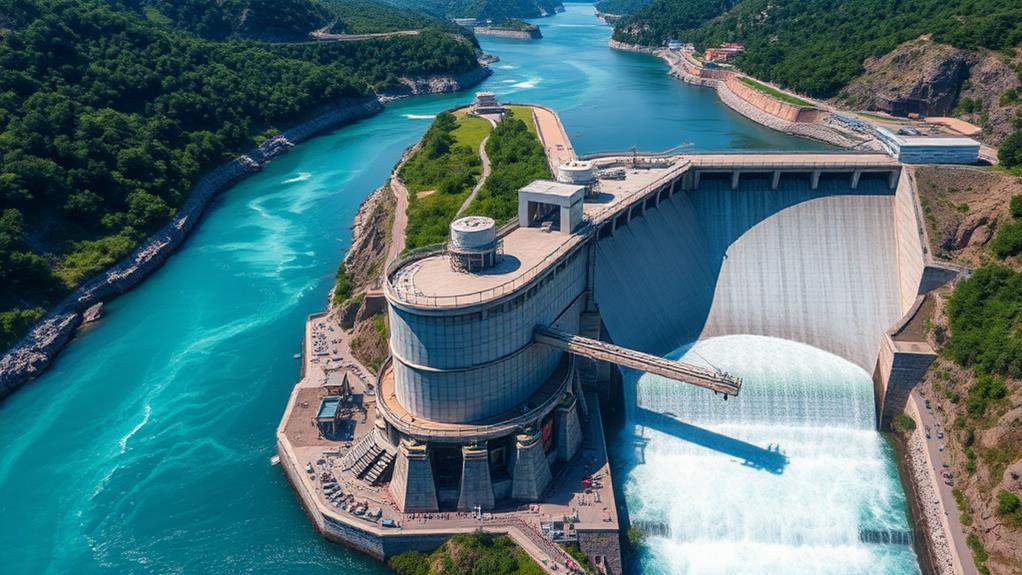
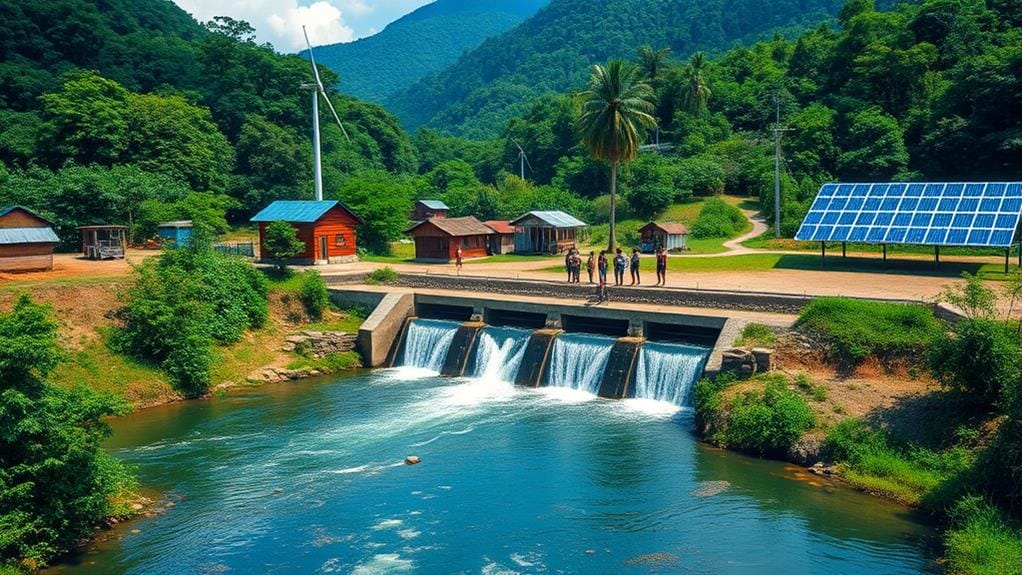
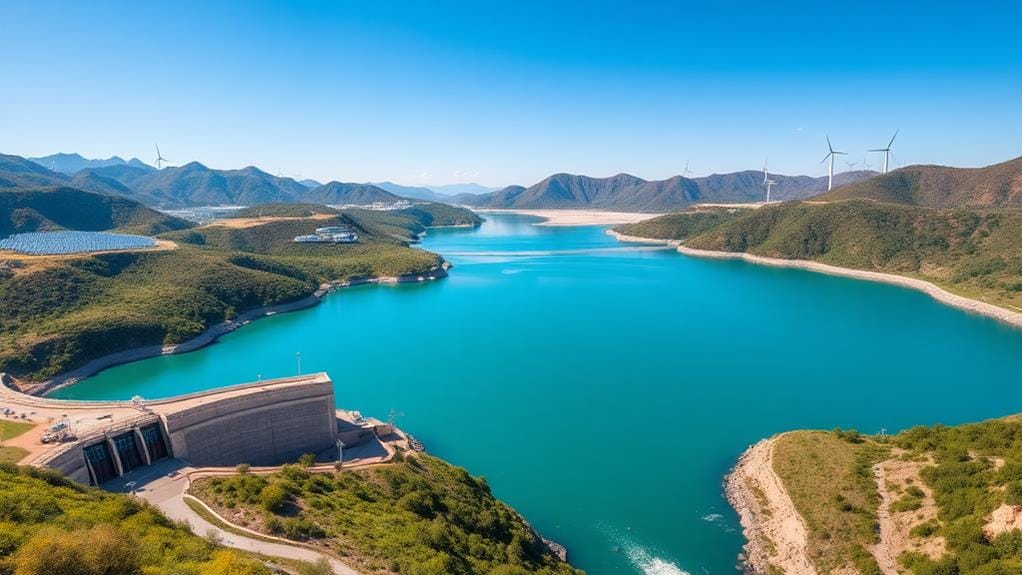
Expanding hydropower capacity presents a significant opportunity for renewable energy growth in the U.S. Department of Energy research has repeatedly identified non-powered dams — structures built for flood control, water supply, or navigation but never equipped with turbines — as a major source of low-impact capacity growth, since the dam and reservoir infrastructure already exists. By retrofitting these non-powered dams with power-generating equipment, developers can add capacity without the permitting and environmental review burden of new dam construction. Additionally, existing powered facilities can expand their energy output through the addition of new generating units or the refurbishment of decades-old equipment with modern, more efficient turbines. A growing number of hydropower plants across the country are also integrating battery storage capacity alongside generation assets, which improves energy reliability and helps operators respond to fluctuations in grid demand. Globally, IRENA reports that installed hydropower capacity reached 1,283 GW in 2026 (excluding pumped storage), with roughly 15 GW of new capacity added that year — underscoring that even in mature markets like the U.S., meaningful growth continues through both new development and modernization of the existing fleet. For homeowners evaluating renewable options at a smaller scale, our guide to small-scale hydro power for homes covers similar principles applied to residential systems.
Recommended Products

Used Book in Good Condition
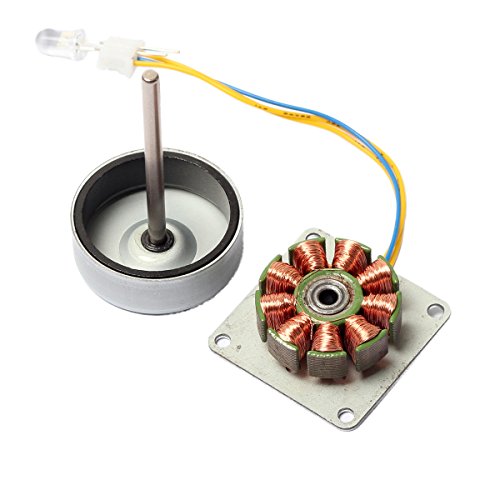
This is a Micro 3 phase Brushless AC Generator Model

TSL2000 LED Grow Lights: Experience the advantages of our new diode layout, densely packed in the center and sparse on the sides. This arrangement creates a more uniform light distribution between the center and sides, ensuring the most even PPFD distribution and maximizing plant yield. These meticulous design details make the TSL 2000 300W grow light ideal for any stage of plant growth in 4x2ft for flower and 3x5ft for veg
Cybersecurity Measures for Hydropower
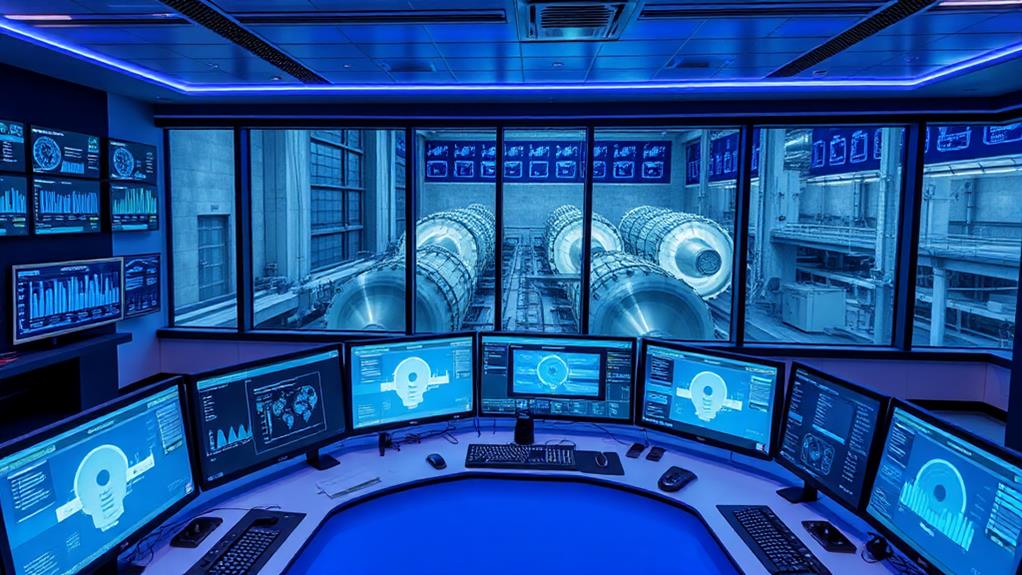
In today’s digital age, the integration of smart technologies in hydropower facilities brings both advancements and vulnerabilities. To address these challenges, operators must invest in robust cybersecurity measures. By evaluating potential threats through risk assessment tools, utilities can safeguard hydropower assets and help guarantee reliable energy production, contributing to overall grid stability. Ongoing training and updates for personnel are essential to counteract evolving cyber threats targeting hydropower infrastructure, which the Department of Energy and Cybersecurity and Infrastructure Security Agency (CISA) both identify as part of the nation’s critical energy infrastructure. Enhanced security measures not only protect facilities but also uphold the integrity of the energy grid and foster public trust in renewable energy sources.
| Cybersecurity Aspect | Importance |
|---|---|
| Risk Assessment Tools | Identify potential threats |
| Ongoing Personnel Training | Counter evolving threats |
| Investment in Security | Safeguard assets |
| Grid Stability Assurance | Maintain reliable energy supply |
Federal Support for Modernization
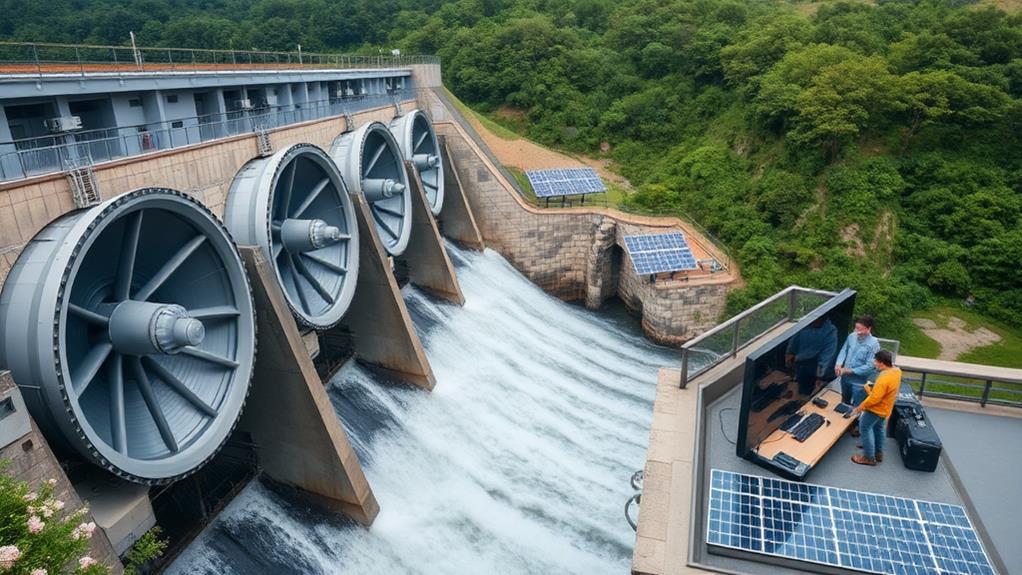
Modernization of aging hydroelectric facilities is essential for the future of the U.S. energy landscape, and the Department of Energy has historically supported these efforts through infrastructure and incentive programs aimed at:
- Maintenance and dam safety improvements
- Cost-share funding support for qualifying modernization projects
- Environmental impact reduction initiatives, including fish passage and water quality improvements
Because federal energy incentive programs and funding levels change from year to year, project developers and facility owners should always verify current program terms directly with the U.S. Department of Energy or check state-level programs through the DSIRE database before budgeting a project. For a broader look at how incentives vary by location, see our state-by-state renewable energy incentives guide.
Funding and Investment Overview
Funding for upgrading aging hydroelectric facilities plays an essential role in revitalizing U.S. energy infrastructure. Federal infrastructure legislation in recent years has directed substantial funding toward hydropower dam safety, efficiency upgrades, and grid resilience, often paired with private-sector investment in refurbishment projects. Because many U.S. hydroelectric facilities are now well beyond the midpoint of their expected operating life, timely repairs and upgrades are increasingly important to avoid unplanned outages and to keep this dispatchable renewable resource reliable. Anyone budgeting a modernization or retrofit project should confirm current cost-share terms and deadlines directly with DOE, since incentive programs are periodically revised. Our renewable energy project budget template can help structure planning for capital-intensive upgrades like these.
Environmental Benefits of Upgrades
As we consider the environmental benefits of upgrading aging hydroelectric facilities, it’s essential to recognize how these enhancements can lead to improved aquatic habitats and water quality, ultimately supporting biodiversity. Modern turbines reduce total dissolved gas levels, which is critical for the health of fish species, especially those protected under the Endangered Species Act. Additionally, the implementation of fish passage projects during these upgrades substantially improves survival rates for migrating fish, thereby promoting sustainable energy expansion while safeguarding the ecosystems surrounding hydroelectric sites. To understand the tradeoffs involved more broadly, our overview of the environmental impact of hydroelectric dams covers both benefits and challenges in more depth.
Enhanced Aquatic Habitats
Upgrading aging hydroelectric facilities offers significant environmental benefits, particularly in enhancing aquatic habitats. By implementing modern technologies and practices, operators can help waterways support diverse ecosystems. Key initiatives include:
- The installation of fish ladders and screened bypasses that markedly improve fish passage and reduce injury rates.
- Investments in environmental monitoring technologies to enhance fish detection accuracy, helping ensure effective management of aquatic life.
- Targeted habitat restoration projects for species protected under the Endangered Species Act in river systems affected by dam operations.
These environmental initiatives not only support local wildlife but also align with broader commitments to improving water quality and fostering healthier environments for aquatic species. Ultimately, these upgrades contribute to restoring and maintaining robust aquatic habitats downstream of dams.
Improved Water Quality
Improving water quality is one of the most compelling environmental benefits gained from upgrading aging hydroelectric facilities. By incorporating modern turbines, operators can meaningfully reduce total dissolved gas levels, which enhances water quality for aquatic species downstream. Modernization projects focus on improving dam safety while also enhancing aquatic habitats, particularly for species of conservation concern in affected river systems. With advanced environmental monitoring technologies, operators can detect and manage water quality issues more effectively near hydropower facilities. Additionally, investments in fish-friendly turbines continue to push fish passage survival rates higher, fostering healthier ecosystems and improving biodiversity in affected waterways. These enhanced water quality initiatives ultimately contribute to a more sustainable aquatic environment, benefitting both wildlife and surrounding communities.
Sustainable Energy Expansion
With the ongoing modernization of aging hydroelectric facilities, the U.S. is seeing continued investment in sustainable energy generation. By investing in hydropower upgrades, operators are not only enhancing electricity generation but also promoting environmental sustainability. Key benefits of these upgrades include:
- Improved fish passage through advanced environmental monitoring technologies.
- Reduced lifecycle emissions per unit of electricity generated compared with fossil-fuel alternatives, since hydropower has near-zero direct operating emissions.
- Enhanced aquatic habitats in river systems affected by aging dam infrastructure, supporting healthier fish populations.
These advancements in renewable electricity generation contribute to improving grid resilience while supporting environmental equity goals for communities near hydropower infrastructure. Together, these efforts support a future that embraces both innovation and ecological responsibility. Comparing hydropower’s emissions profile against other options is covered in our cost-benefit analysis of green energy.
Future of Hydropower in America
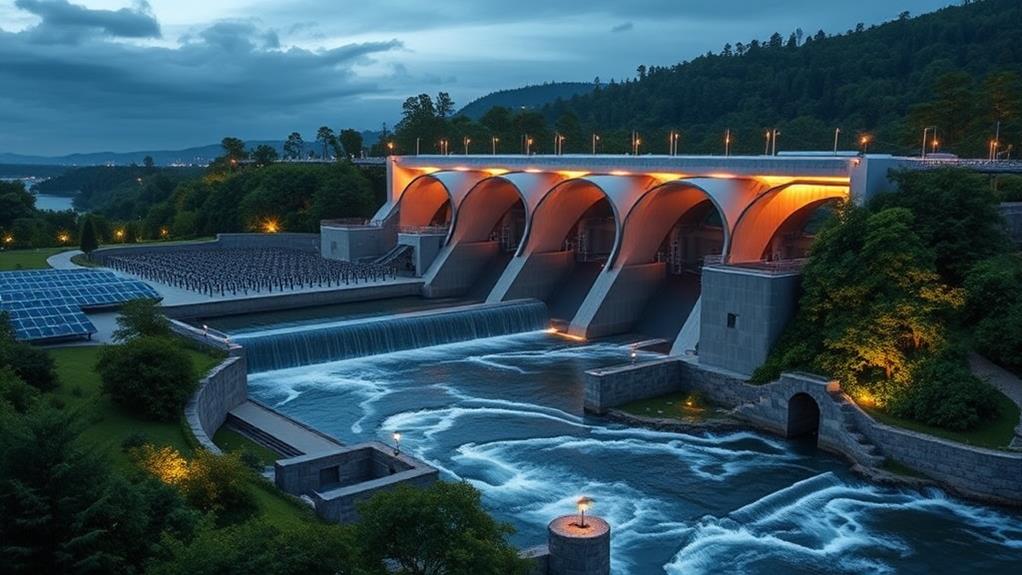
The future of hydropower in America looks promising as the industry embraces modernization efforts that can unlock significant potential in renewable energy generation. Hydropower remains the single largest source of renewable electricity in the U.S. by cumulative installed capacity, even though its share of total generation has declined over recent decades to about 5.6% of total U.S. utility-scale electricity generation and roughly 23% of U.S. renewable electricity generation as of 2026, per EIA data. Continued federal and state support for infrastructure upgrades, grid resilience, and environmental sustainability will be essential to keeping this aging fleet — much of it now decades past its original design life — safe, efficient, and productive. As facilities modernize, the sector is also projected to deliver meaningful reductions in operational emissions and improved grid reliability. Together, these efforts help guarantee hydropower remains a cornerstone of the U.S. renewable energy landscape for decades to come.
Frequently Asked Questions
What Are Some of the Latest Advancements in Hydropower?
Recent advancements in hydropower include improved turbine efficiency, fish-friendly turbine designs, integrated battery energy storage, and digital monitoring and automation technology. Together, these developments reduce environmental impact while enhancing energy generation capabilities and grid flexibility.
How Is Hydropower Being Improved?
Hydropower is being improved through higher-efficiency turbine retrofits, digital monitoring and control systems, integrated energy storage, and stronger environmental safeguards such as fish passage upgrades. Together, these changes support a more reliable and sustainable clean energy future.
What Are the Main Changes at Hydroelectric Power Stations?
At hydroelectric power stations today, the main changes include improved turbine efficiency, reduced environmental impact through fish-friendly designs and water quality improvements, better grid integration through digital controls, and more proactive maintenance strategies that extend facility life.
Is Hydropower Still a Significant Source of U.S. Renewable Energy?
Yes. Despite a declining share of total electricity generation over recent decades, hydropower remained about 23% of total U.S. renewable electricity generation in 2026, according to the EIA, making it one of the largest renewable resources in the country by installed capacity.
Why Do Non-Powered Dams Matter for Hydropower Growth?
The vast majority of the roughly 90,000 dams cataloged in the U.S. National Inventory of Dams were never built to generate electricity. Retrofitting even a fraction of these non-powered dams with turbines represents one of the lowest-impact ways to add new hydropower capacity, since the dam and reservoir already exist.