You can effectively lower energy bills and increase sustainability through three budget-friendly renewable energy solutions. First, consider solar energy systems, which now average roughly $2.60 per watt, or about $31,135 for a typical 12 kW home system before incentives — though it’s important to know that the 30% federal residential solar tax credit (Section 25D) expired for systems placed in service after December 31, 2026. Second, explore small wind turbines, which remain a viable option in areas with strong, consistent wind resources and can meaningfully offset electricity costs over their lifespan. Finally, geothermal heat pumps can use up to 61% less energy than standard HVAC systems, according to ENERGY STAR, though the federal tax credit for residential geothermal installations has also expired under current law. Further insights await you on optimizing these solutions.
Key Takeaways
- Solar Energy: The national average installed cost is about $2.60 per watt (roughly $31,135 for a 12 kW system before incentives), and smart shopping on system size and financing can still meaningfully lower your price per watt.
- Community Solar: Participate in community solar programs to access renewable energy savings without the need for personal installations.
- Wind Power: Small residential wind turbines can still reduce electricity bills in high-wind locations, though upfront costs are significant and payback periods depend heavily on local wind resources.
- Geothermal Heat Pumps: ENERGY STAR-certified geothermal systems use up to 61% less energy than standard equipment, saving close to $830 a year and over $9,500 across a 15-year product life.
- Financial Incentives: The 30% federal Residential Clean Energy Credit (Section 25D) for solar and geothermal ended for systems installed after December 31, 2026 — check current state and utility incentives, since these vary widely and some remain active.
Cost-Effective Solar Energy
You may be interested
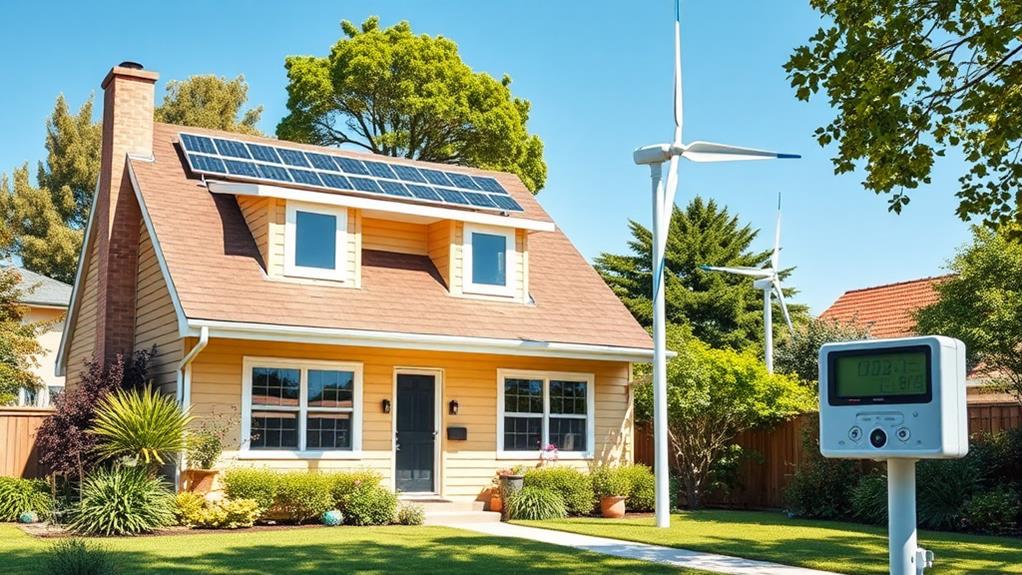

When you’re considering ways to cut down on your electricity bills, cost-effective solar energy solutions can still be a game changer, even with the federal residential credit gone. The national average installed cost now runs about $2.60 per watt, or roughly $31,135 for a typical 12 kW system before any incentives, with smaller systems costing somewhat more per watt and larger systems costing less. Importantly, the 30% Residential Clean Energy Credit under Section 25D officially ended for systems placed in service after December 31, 2026, per the IRS — so buyers evaluating solar in 2026 need to factor in full retail pricing unless they qualify for state or utility-level programs. That makes it worth reviewing what residential solar installation actually costs today and comparing that against solar energy incentives available by state, since some state rebates, property tax exemptions, and utility programs remain in place even though the federal credit has lapsed. Community solar initiatives also continue to allow shared access to solar power without the need for individual installations, which can be a lower-cost entry point for renewable energy. Pairing a system with efficiency upgrades and honest cost comparisons, such as solar panel efficiency versus cost, helps homeowners get the most value from every dollar spent.
Recommended Products

【High Conversion Rate】This 20W solar panel with monocrystalline A+ solar cell has an excellent cell efficiency of 21%-30%. Designed to charge and maintain 12V rechargeable batteries like LiFePO₄, Lithium Ion, AGM, SLA, GEL, EFB, MF, etc. Keep batteries in charged for trailer, tractor, truck, boat, motorcycle, RV, car, lawn mower, water pump, gate opener, electric fence, etc
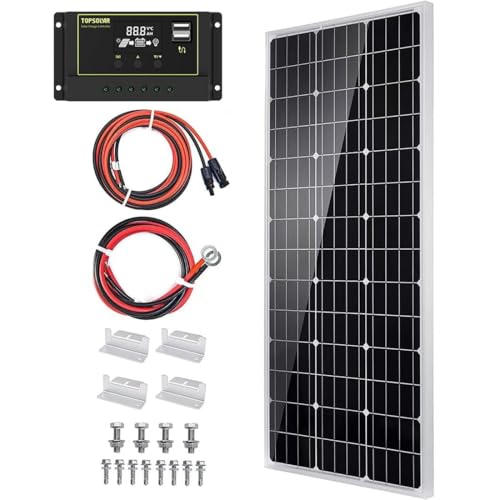
100W solar panel kits ideal for 12v battery charging, designed for RVs, cabins, homes, boats, caravan s, back-up and remote power use.

System Components:Delivers up to 10kW power output with 120V/240V single-phase split-phase support, making it suitable for smoothly running common household appliances. The system includes 18 × 590W solar panels with a total PV capacity of 10620W, capable of generating up to 39.36 kWh per day under optimal conditions, along with two 48V 314Ah portable LiFePO₄ battery offering 32.2 kWh of energy storage. Complete with necessary cables, this all-in-one solar solution is designed for convenient setup and reliable home power support.
Affordable Wind Power Options

Affordable wind power options remain a viable choice for homeowners in areas with strong, consistent wind resources looking to cut energy costs. Small residential wind turbines can meaningfully reduce electricity bills, but performance is highly site-dependent — local average wind speed has an outsized effect on how quickly a system pays for itself. According to the U.S. Department of Energy’s WindExchange program, distributed small wind systems carry high upfront costs and typically take a number of years to pay for themselves, so it’s worth running the numbers carefully before investing. Key considerations include:
- Upfront installation costs remain substantial and vary widely based on turbine size, tower height, and site conditions, so getting a site-specific quote is essential.
- Actual electricity savings depend heavily on your local wind resource; homeowners in low-wind areas often see disappointing returns compared to solar.
- Now that the federal residential tax credit has expired, checking for remaining state, utility, or municipal incentives is an important step — see incentives by state for a starting point, since some renewable categories still qualify locally.
If you’re weighing a small wind system against solar, comparing small-scale wind turbines for homes and running a wind turbine payback period calculation can help clarify which technology fits your property and budget better. Vertical-axis turbines tend to suit constrained urban or suburban lots, while horizontal-axis turbines perform best in open, high-wind rural areas.
Recommended Products

【VERTICAL WIND TURBINE】The blade material is synthetically injection molded with high-strength FRP material. At the same time, the fashionable The spiral blades are aerodynamically designed to make the rotor run smoothly and reliably, which leads to stable electricity generation. The wind turbine can start from the breeze and adapt to the wind 360°, no yaw system is needed.


Reliable Power in Gentle Breezes Compatible with both 24V battery systems, this wind turbine easily integrates into various off-grid energy setups, from compact residential storage banks to larger farm or remote applications. With a cut-in wind speed as low as 5.6 mph (2.5 m/s), it begins generating power even in low-wind environments, ensuring steady energy production in coastal, inland, or variable-weather regions. The flexible voltage design also supports future system upgrades, making it suitable for users who plan to expand their storage capacity without needing to replace the turbine or controller.
Economical Geothermal Solutions
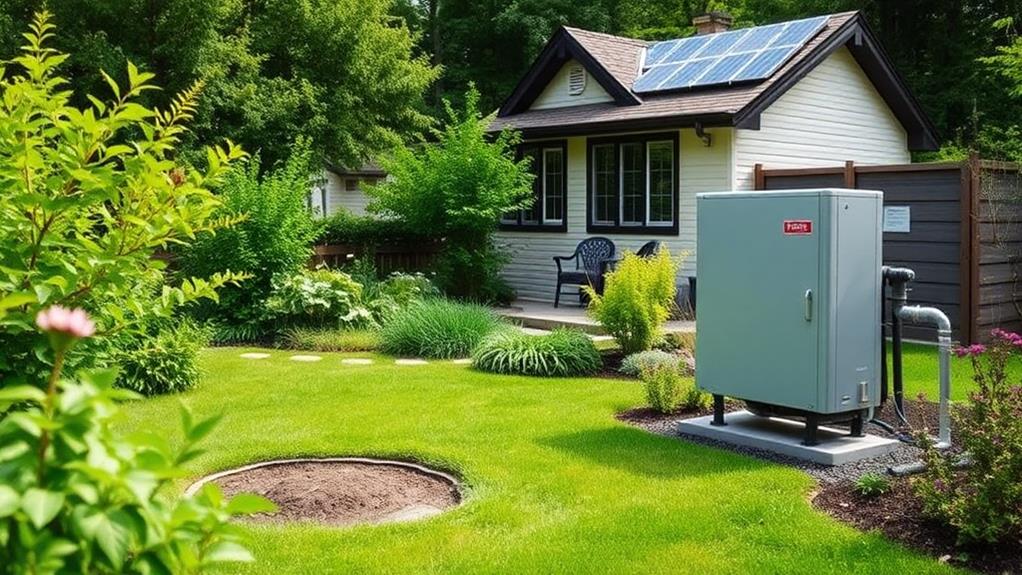
With energy costs continuing to rise, homeowners are increasingly evaluating geothermal heat pumps as a long-term investment in efficiency. According to ENERGY STAR, certified geothermal heat pumps use up to 61% less energy than standard HVAC equipment, saving nearly $830 a year and more than $9,500 over a 15-year product lifespan. Geothermal systems also tend to have long operational lives and fewer moving parts exposed to weather, which can mean lower long-term maintenance needs compared to conventional air-source systems. One important update: the federal Residential Clean Energy Credit that previously covered 30% of geothermal installation costs expired for systems placed in service after December 31, 2026, so homeowners planning an installation now should budget for full costs and check whether state-level programs remain available. For a closer look at real-world numbers, see this breakdown of residential geothermal heating system costs and the broader pros and cons of geothermal energy before committing to a system.
| Aspect | Details |
|---|---|
| Energy Savings | Up to 61% less energy use vs. standard systems (ENERGY STAR) |
| Estimated Annual Savings | Nearly $830 per year |
| 15-Year Savings | Over $9,500 |
| Federal Tax Credit Status | 30% credit (Section 25D) expired after Dec 31, 2026 |
Recommended Products

FILTER: This is a MERV 8 rated 5 pack Air Conditioner Filter | Size: 18" x 18" x 2" - Actual Size: 17.5" x 17.5" x 1.75"

Frequently Asked Questions
What Is the Cheapest Renewable Energy System for the Home?
When considering the cheapest renewable energy system for your home, explore solar panel installations, wind turbine options, or geothermal heating systems. Compare solar installation costs against your local wind resource and any remaining state incentives to see which technology delivers the fastest payback for your property.
Is the Federal Solar Tax Credit Still Available in 2026?
No. The 30% Residential Clean Energy Credit under Section 25D, which covered solar, small wind, and geothermal installations, expired for property placed in service after December 31, 2026, following the One Big Beautiful Bill Act. Some state, utility, and local incentives may still apply, so check state-by-state incentive listings before installing.
What Is the Cheapest Renewable Energy to Set Up?
Cost varies significantly by site conditions. Solar tends to have the most predictable installed cost per watt nationally, currently averaging around $2.60 per watt, while wind and geothermal economics depend heavily on local wind resources or ground conditions. DIY-friendly options and community solar programs can also lower the barrier to entry.
What Is the Most Efficient Renewable Energy Source for a Home?
Efficiency depends on your goals. Geothermal heat pumps can cut energy use by up to 61% compared to standard HVAC systems, per ENERGY STAR, making them highly efficient for heating and cooling. Solar panel efficiency and proper system sizing matter most for electricity generation — see solar panel efficiency versus cost for a deeper comparison.
What Is the Cheapest Renewable Energy Technology Overall?
Solar and small wind both have relatively low technology costs compared to geothermal drilling, but the best choice depends on your site’s sun exposure and wind resource. Now that the federal residential tax credit has expired, comparing full retail costs and any remaining state or utility incentives is more important than ever before choosing a technology.