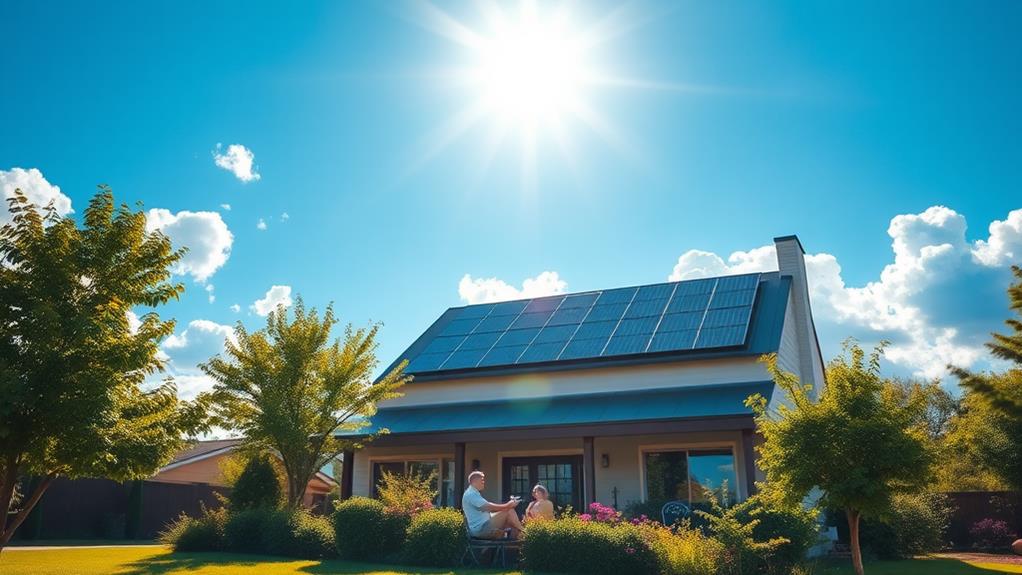
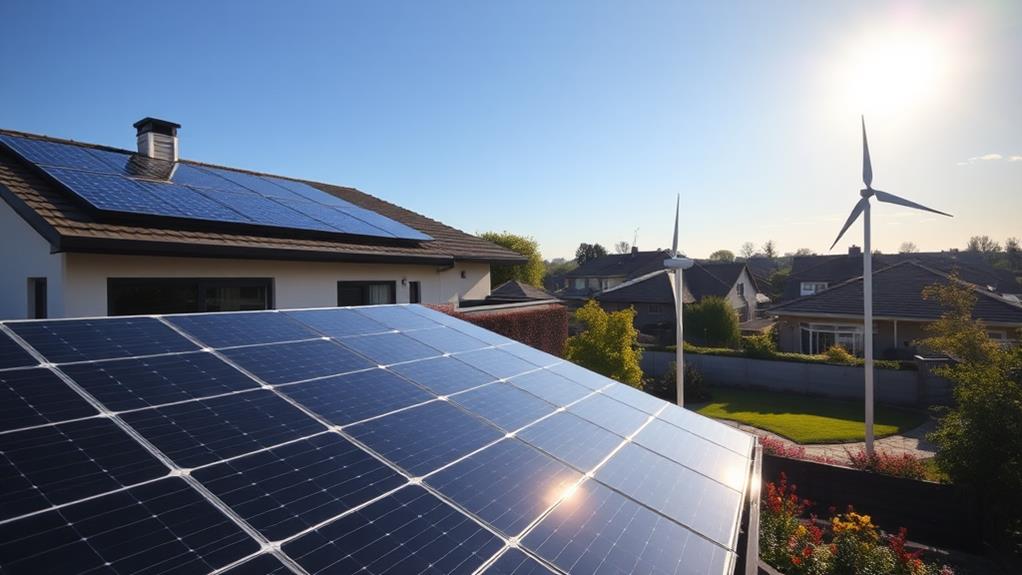
Smart Home Energy Management Systems (HEMS) are sophisticated solutions that optimize energy generation, consumption, and storage by integrating smart devices with real-time energy data. These systems utilize components like smart meters, photovoltaic arrays, and battery storage, enabling centralized control and enhancing efficiency. Independent field research from the National Renewable Energy Laboratory (NREL) found that ENERGY STAR-certified HEMS can deliver total site energy savings of roughly 7% to 35%, translating into utility bill reductions of about 6% to 29% annually depending on climate and occupant engagement. Furthermore, real-time monitoring allows users to shift energy usage during low-cost periods, while smart appliances automatically adjust to optimize operations. Understanding HEMS’ intricacies—and how today’s incentive landscape has changed—is crucial to maximizing their benefits and sustainable energy practices.
Key Takeaways
- Smart Home Energy Management Systems (HEMS) optimize energy generation, storage, and usage through real-time data integration with smart devices.
- NREL modeling shows ENERGY STAR-certified HEMS can cut total site energy use by 7%-35%, with utility bill savings of roughly 6%-29% a year.
- ENERGY STAR-certified smart thermostats alone save an average of about 8% on heating and cooling costs, or roughly $50 per year.
- Integration of renewable energy sources, particularly solar paired with battery storage, can meaningfully increase a home’s energy self-sufficiency.
- The 30% residential federal solar tax credit (Section 25D) expired for systems installed after December 31, 2026, changing the payback math for new solar-plus-HEMS installations.
Definition of Smart Home Energy Management
You may be interested


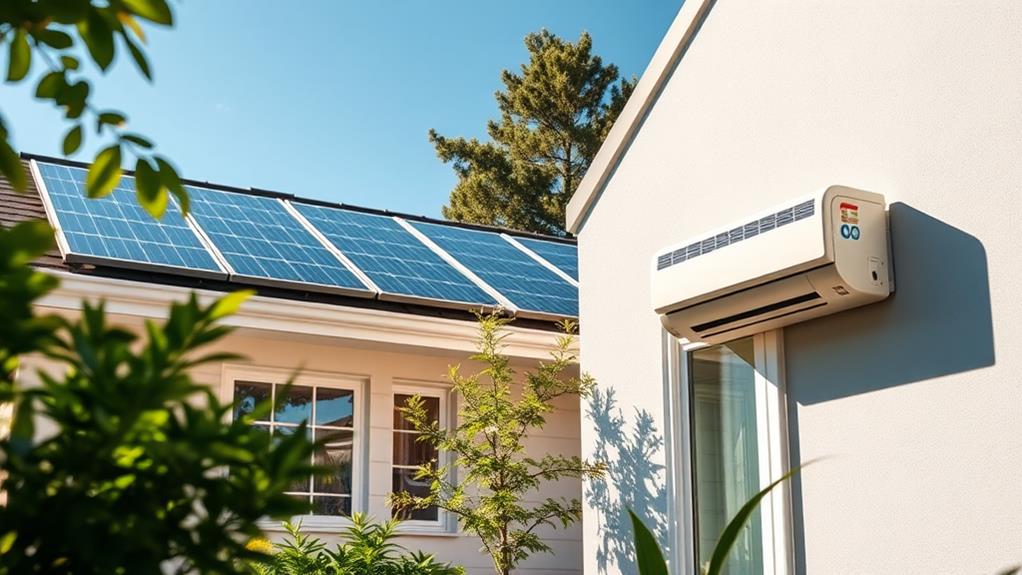
Smart Home Energy Management Systems (HEMS) are designed to optimize how you generate, store, and use energy in your home. These systems integrate smart devices with real-time energy data to enhance energy efficiency and manage energy consumption effectively. By automating energy usage based on predefined conditions or real-time situations, HEMS allow you to monitor and adapt to your renewable energy sources seamlessly. A unified HEMS provides centralized control over various energy solutions, which not only enhances the overall management experience but also contributes to meaningful cost reduction—NREL’s modeling puts realistic savings in the 6%-29% range on utility bills, with the largest gains going to households that actively engage with the system after installation. As energy costs rise and electricity-intensive assets like electric vehicles become more common, embracing HEMS makes sense for achieving greater autonomy in energy management. For homeowners weighing a whole-home upgrade, it’s worth reviewing what residential solar panel installation actually costs before adding a HEMS layer on top.
Benefits of Smart Energy Management
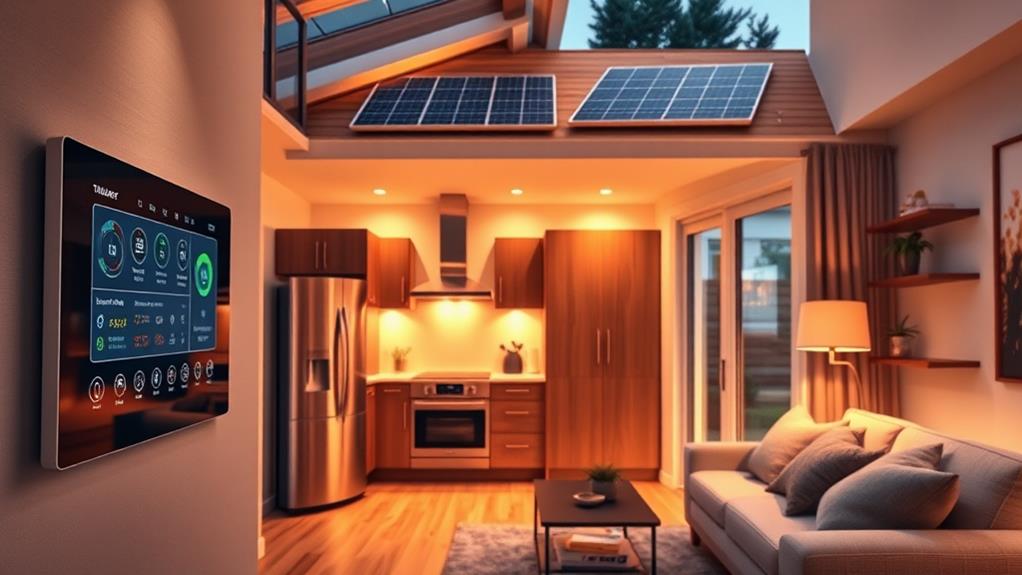
When you implement a Home Energy Management System (HEMS), you can open up a range of benefits that lead to significant cost savings and increased energy efficiency. By optimizing your energy generation and consumption patterns, NREL’s field study of ENERGY STAR HEMS found total site energy savings ranging from about 7% to 35%, with corresponding bill reductions of 6% to 29% a year. Integrating renewable energy sources, particularly solar power paired with battery storage, allows you to cover a substantial share of your energy demand and reduce reliance on the public grid—though how large that share is depends heavily on system sizing and local sun hours. With real-time monitoring, you can shift energy use to low-cost periods, maximizing savings. Enhanced data analytics from smart meters help identify major energy consumers, enabling you to optimize usage; pairing a HEMS with a dedicated solar energy monitoring device can make these patterns easier to track. Additionally, incorporating electric vehicles into your HEMS acts as a flexible energy buffer, storing surplus solar energy and promoting energy independence.
Key Components of SHEMS
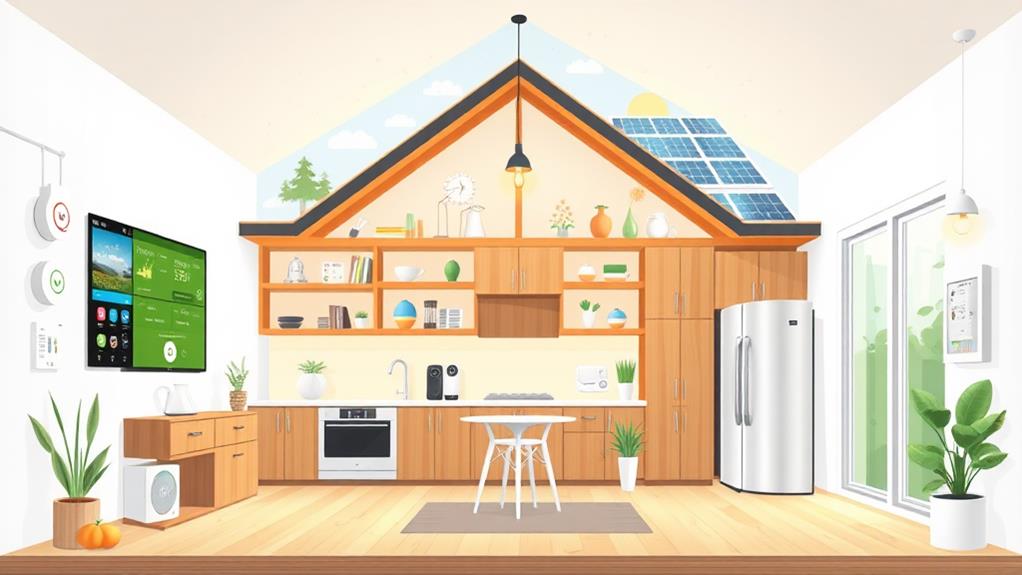
A well-functioning Smart Home Energy Management System (SHEMS) relies on several key components that work together to optimize energy use in your home. These include smart meters, which provide real-time data on energy consumption, allowing you to manage usage effectively. Photovoltaic systems and battery storage work in tandem to generate and store solar energy, while electric vehicles act as flexible energy assets, optimizing charging times based on availability and pricing. A local gateway serves as the central control unit, coordinating communication among devices to enhance energy flows efficiently. Additionally, robust data security measures guarantee the protection of sensitive information within the system.
| Component | Function |
|---|---|
| Smart Meters | Track real-time energy consumption |
| Photovoltaic Systems | Generate renewable energy |
| Battery Storage | Store surplus solar energy for later use |
| Local Gateway | Coordinate communication between devices |
Integration With Renewable Energy
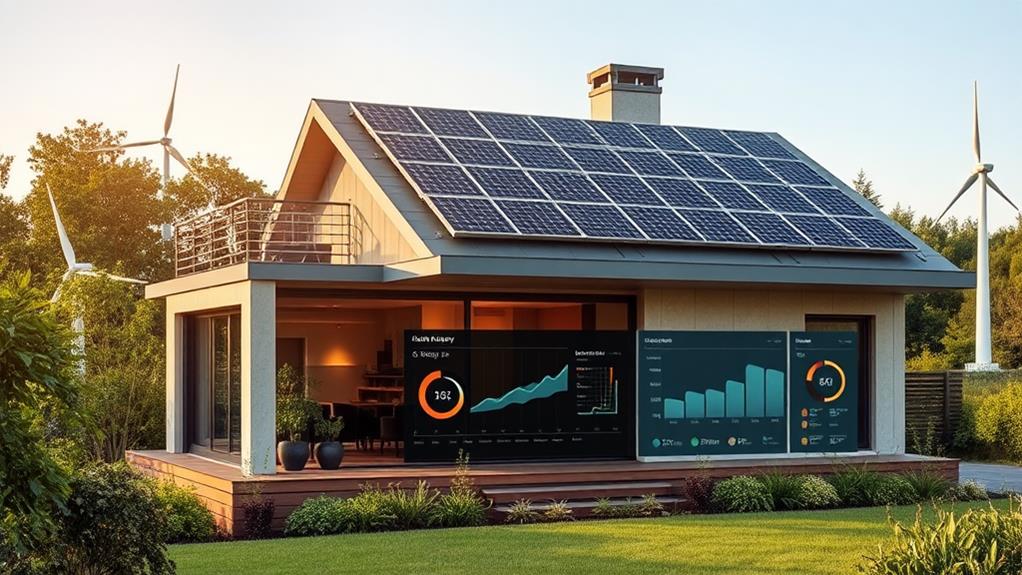
Integrating renewable energy sources, particularly solar power, into smart home energy management systems (HEMS) offers significant benefits, such as enhanced energy self-sufficiency and reduced reliance on traditional energy grids. However, challenges in implementation, including the need for compatible energy storage solutions, real-time monitoring capabilities, and the integration of diverse renewable sources, can complicate the process. One important shift homeowners need to understand: the 30% residential federal solar tax credit under Section 25D has expired for systems installed after December 31, 2026, following the One Big Beautiful Bill Act, so the economics of adding solar-plus-storage to a HEMS now depend more heavily on state and utility programs. Check current state-level solar incentives and the DSIRE database for what’s still available in your area.
Benefits of Renewable Integration
The efficiency of Smart Home Energy Management Systems (HEMS) brings remarkable benefits through the integration of renewable energy sources, particularly solar power. By enabling homes to harness self-generated energy, HEMS help homeowners rely less on public energy grids, especially when paired with battery storage. With smart inverters and energy storage solutions, excess solar energy collected during peak hours can be stored for later use, optimizing energy use during low production periods. Furthermore, HEMS facilitate time-of-use tariffs, allowing you to consume renewable energy when it’s most abundant and cost-effective, thereby maximizing savings. According to the International Energy Agency (IEA), better-designed demand flexibility programs—the kind HEMS enable at the household level—can lower total energy system costs by up to 10% by reducing fossil-fuel dispatch and renewable curtailment. Ultimately, incorporating these renewable energy sources contributes to lowering your carbon footprint, promoting sustainable living, and aligning with emission minimization goals essential for a greener future.
Challenges in Implementation
While the integration of renewable energy sources into Smart Home Energy Management Systems (HEMS) offers significant benefits, it also presents several challenges that can complicate implementation. Here are key obstacles to examine:
- Variability: The production of renewable energy from sources like solar and wind fluctuates based on weather and time, complicating energy management.
- Compatibility Issues: Different renewable technologies, such as solar inverters and smart devices, may not seamlessly integrate, hindering effective energy management.
- Infrastructure Limitations: Existing setups often lack the advanced monitoring and control features necessary for ideal integration, requiring upgrades.
- Data Security: Protecting sensitive information during communication between systems is vital, as vulnerabilities could lead to unauthorized access or disruptions.
- Shifting Incentives: With the residential 25D solar tax credit gone as of 2026, the payback period for new solar-plus-HEMS installations needs to be recalculated using current, state-level incentives rather than outdated federal figures.
Addressing these challenges is essential for a successful renewable energy integration into HEMS.
Role of Smart Appliances
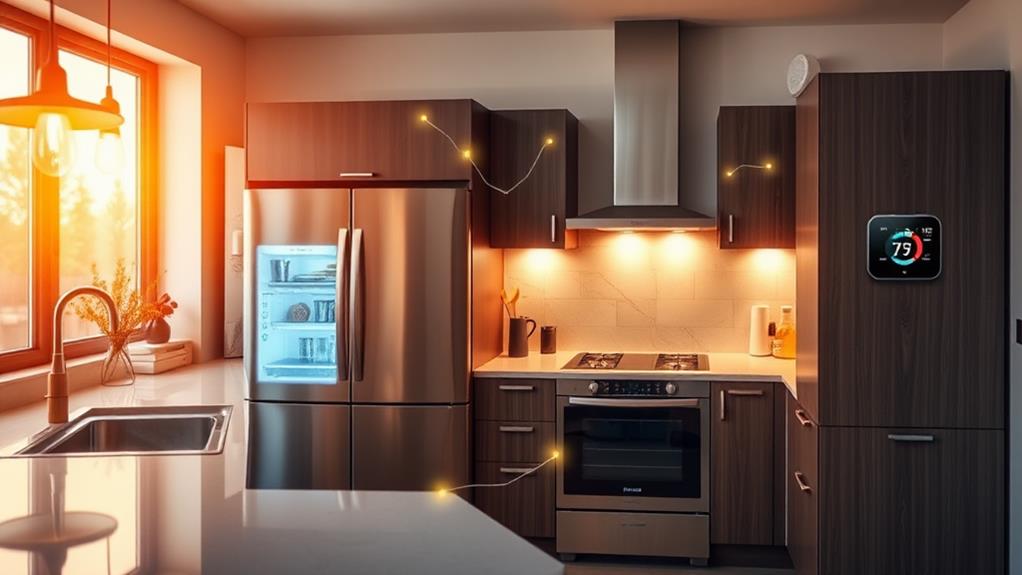
Smart appliances play an essential role in optimizing energy consumption within modern homes. These interconnected devices not only facilitate remote monitoring and control, but they also enable you to make informed decisions based on real-time data regarding energy usage. For instance, ENERGY STAR reports that certified smart thermostats save homeowners an average of about 8% on heating and cooling bills, or roughly $50 per year, with larger savings typical in climates with more extreme seasonal swings. Additionally, smart lighting systems utilize motion sensors and timers to enhance energy efficiency.
| Appliance Type | Energy Efficiency Feature | Potential Savings |
|---|---|---|
| ENERGY STAR Smart Thermostats | Automatic adjustments | ~8% on heating/cooling ($50/yr avg.) |
| Smart Lighting | Motion sensors and timers | Reduced energy waste |
| Smart Washers/Dishwashers | Off-peak scheduling | Lower time-of-use electricity rates |
Incorporating these into Home Energy Management Systems maximizes your household’s energy distribution. For a deeper look at tracking these gains, see our guide to solar energy monitoring devices.
Importance of Real-Time Monitoring
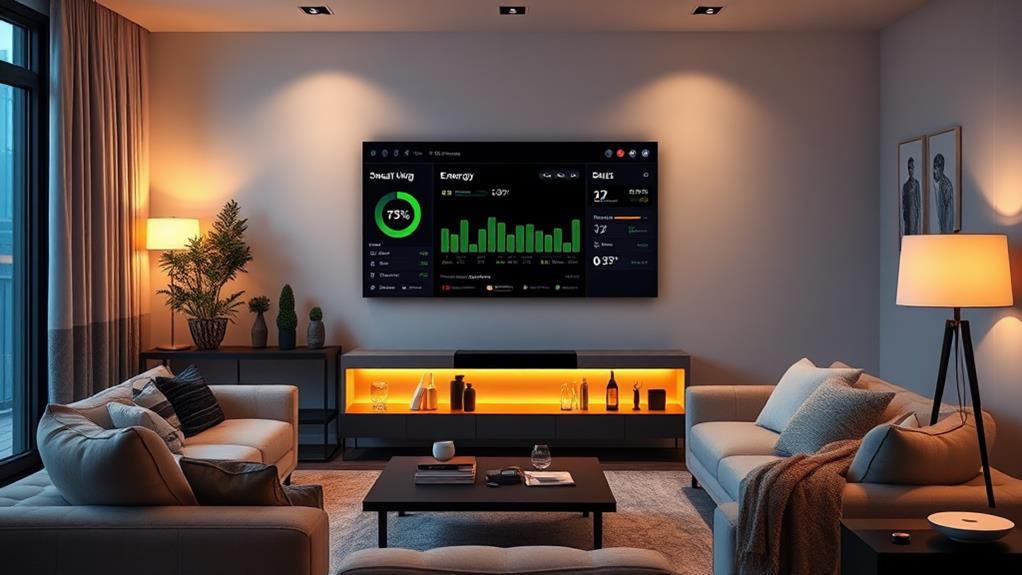
Real-time monitoring is essential for enhancing energy efficiency and facilitating informed decision-making in smart home energy management systems. By utilizing smart meters, you gain immediate insights into your energy consumption patterns, allowing you to pinpoint peak usage times and adjust your habits accordingly, which can lead to significant cost savings—NREL’s research points to utility bill reductions of roughly 6% to 29% depending on how actively the household engages with the system. In addition, this continuous data stream enables swift identification of inefficiencies or malfunctions in your connected appliances, ensuring prompt resolutions that contribute to ideal energy usage and a reduced carbon footprint.
Enhanced Energy Efficiency
Energy efficiency is increasingly becoming a priority for homeowners looking to reduce their carbon footprint and save on utility bills. By leveraging smart home energy management systems, you can enhance your energy efficiency through real-time monitoring. Here’s how:
- Track energy consumption patterns instantly to identify wasteful usage.
- Utilize smart meters to receive real-time data, encouraging energy use during off-peak hours.
- Optimize renewable sources like solar energy, especially when combined with battery storage, to increase self-consumption.
- Integrate automated adjustments with smart appliances to guarantee they operate efficiently in alignment with renewable energy generation.
Effective real-time monitoring, per NREL’s field data, can lead to total site energy savings of 7%-35%, making these systems a worthwhile investment for many homes—particularly when combined with routine solar panel maintenance to keep generation performance high.
Informed Decision Making
Often, homeowners find themselves unaware of how much energy different appliances consume, leading to unexpected spikes in their utility bills. Real-time monitoring through smart home energy management systems gives you immediate insights into energy consumption patterns, empowering you to make informed decisions. By tracking usage, you can shift consumption to periods of lower energy prices, optimizing savings with dynamic tariffs.
| Appliance | Typical Energy Consumption (kWh/day) |
|---|---|
| Refrigerator | 1.2 |
| Washing Machine | 0.8 |
| Residential Solar System (per kW installed) | ~4-5 (varies by location and sun hours) |
Integrating renewable sources like solar power with smart appliances enhances energy efficiency, allowing continuous monitoring and automated adjustments. This way, you maximize self-consumption and reduce reliance on grid energy.
Future Trends in Energy Management
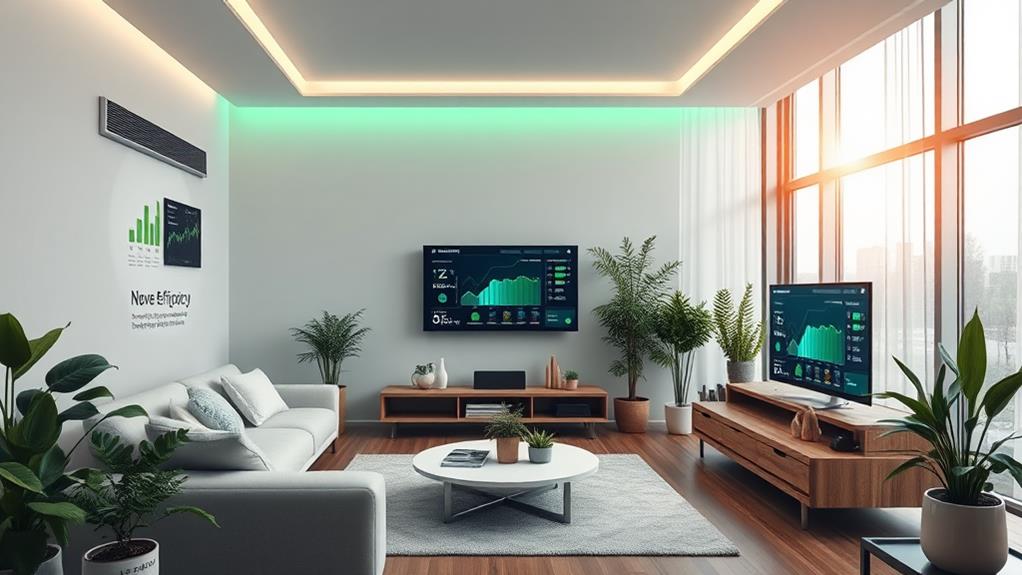
Looking ahead, the future of smart home energy management systems (HEMS) promises to be transformative, driven by technological advancements and evolving consumer needs. Here are some key trends to take into account:
- Enhanced predictive analytics leveraging real-time data will optimize energy consumption patterns.
- The rise of electric vehicles (EVs) will necessitate smarter charging solutions that align with renewable energy availability.
- Advanced connectivity options will facilitate real-time communication between smart meters and utility companies, improving resource management. The IEA notes that equipping even a modest share of homes with intelligent hot-water and appliance controls can unlock substantial peak demand reduction at the grid level.
- Improved energy storage technologies will enable better integration of renewable sources, boosting energy efficiency.
As interoperability standards evolve, HEMS will seamlessly integrate various smart devices, ultimately enhancing user experience and optimizing energy management for consumers seeking efficiency and sustainability.
Challenges in Implementation

While the future of smart home energy management systems (HEMS) holds great promise, several challenges can hinder their implementation.
| Challenge | Description |
|---|---|
| Compatibility Issues | Lack of standardization leads to difficulties in integrating various devices. |
| High Upfront Costs | The initial investment for smart meters and battery storage can be discouraging, especially now that the residential 25D federal solar credit has expired. |
| Data Security | Interconnected systems require robust measures to protect sensitive information. |
A stable internet connection is essential; disruptions can impede real-time data communication, affecting energy efficiency. Additionally, limited consumer awareness about the benefits of HEMS, and about which incentives are still active, can slow adoption rates. Reviewing a cost-benefit analysis of green energy upgrades before committing to a system can help homeowners set realistic expectations under the current incentive landscape.
Frequently Asked Questions
What Is Smart Energy Management?
Smart energy management uses connected devices, real-time data, and automation to optimize how a home generates, stores, and consumes electricity. It combines energy efficiency, renewable energy integration, and smart appliances so homeowners can reduce energy waste, lower bills, and support sustainable living while interacting intelligently with the grid.
What Are Examples of Home Energy Management Systems?
Examples include ENERGY STAR-certified smart thermostats, whole-home energy monitors, demand response-enabled appliances, and solar-plus-battery systems with smart inverters. These tools support load forecasting and energy analytics, enabling home automation and measurable reductions in consumption.
What Is an Energy Smart Home?
An energy smart home combines renewable energy generation, home automation, smart appliances, and continuous energy monitoring to reduce waste and lower utility costs. It gives homeowners visibility into consumption patterns and the tools to act on that data, resulting in both cost savings and a smaller environmental footprint.
What Is a Smart Power Management System?
A smart power management system automates energy use in a home, integrates renewable sources like solar and battery storage, and enables demand response with utilities. Through detailed energy analytics and efficiency monitoring, it optimizes grid interaction and helps households get the most out of smart thermostats and other connected devices.
Did the Federal Solar Tax Credit Change for Home Energy Systems?
Yes. The 30% residential federal solar tax credit under Section 25D expired for systems installed after December 31, 2026, under the One Big Beautiful Bill Act. Homeowners planning a HEMS with solar and storage should check current state-level incentives and the DSIRE database for what remains available, since federal savings assumptions used before 2026 are no longer accurate.