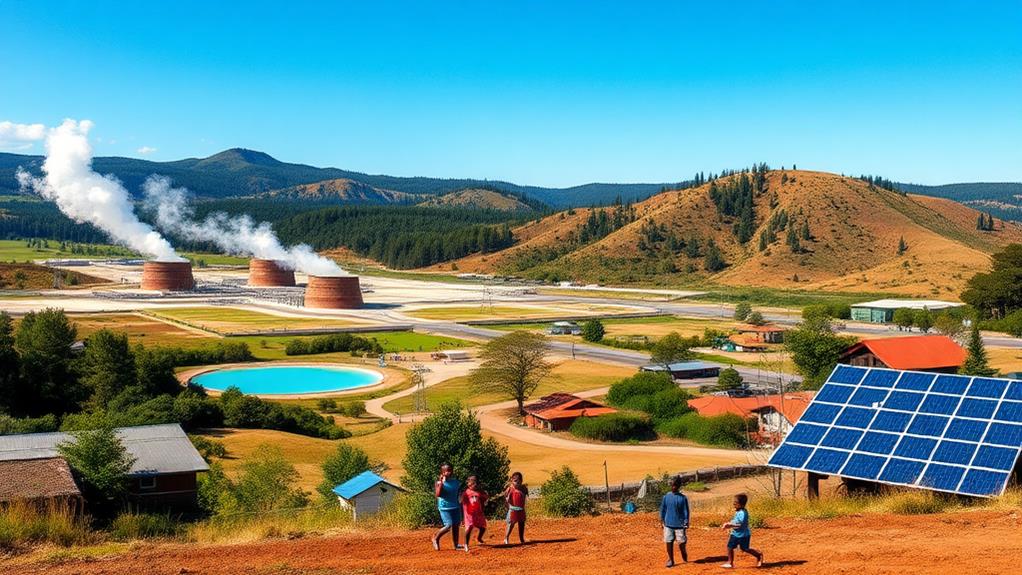
In the rapidly evolving field of geothermal energy, we find five promising career paths worth exploring: Geothermal Driller, Project Manager, Environmental Scientist, Geothermal Engineer, and HVAC Technician. Each role plays a crucial part in advancing sustainable energy; for instance, Geothermal Drillers engage in the critical task of accessing underground reservoirs, while Project Managers oversee thorough project execution from conception to commissioning. Environmental Scientists guarantee compliance with regulations, whereas Geothermal Engineers design and maintain energy systems, enhancing overall efficiency. Finally, HVAC Technicians focus on implementing cost-effective geothermal heating and cooling systems. According to the U.S. Department of Energy’s GeoVision analysis, the country’s geothermal resources could support up to 60 gigawatts of electricity-generating capacity by 2050, with next-generation and enhanced geothermal systems potentially expanding that to 90–300 gigawatts — growth that will require a much larger skilled workforce across every one of these roles.
Key Takeaways
- Geothermal Driller: Essential for accessing underground hot water reservoirs; comparable construction equipment operator roles report a median wage of $28.04 per hour ($58,320 annually) per 2026 BLS data, with 4% projected job growth through 2034.
- Project Manager: Oversees geothermal projects from conception to commissioning; construction managers (the closest BLS occupational match) earned a median of $106,980 annually in 2026, with 9% projected growth through 2034 — much faster than average.
- Environmental Scientist: Evaluates project environmental impacts and ensures regulatory compliance, with a median annual wage of $80,060 as of May 2026 and 4% projected job growth through 2034.
- Geothermal Engineer: Designs and maintains geothermal systems, typically requiring a Bachelor’s degree in engineering; comparable mechanical engineering roles earned a median of $102,320 in 2026, with 9% projected growth through 2034.
- HVAC Technician: Installs and maintains geothermal heating systems; BLS reports a median annual wage of $59,810 for heating, air conditioning, and refrigeration mechanics and installers in 2026, with a strong 8% projected job growth through 2034.
Geothermal Driller
You may be interested
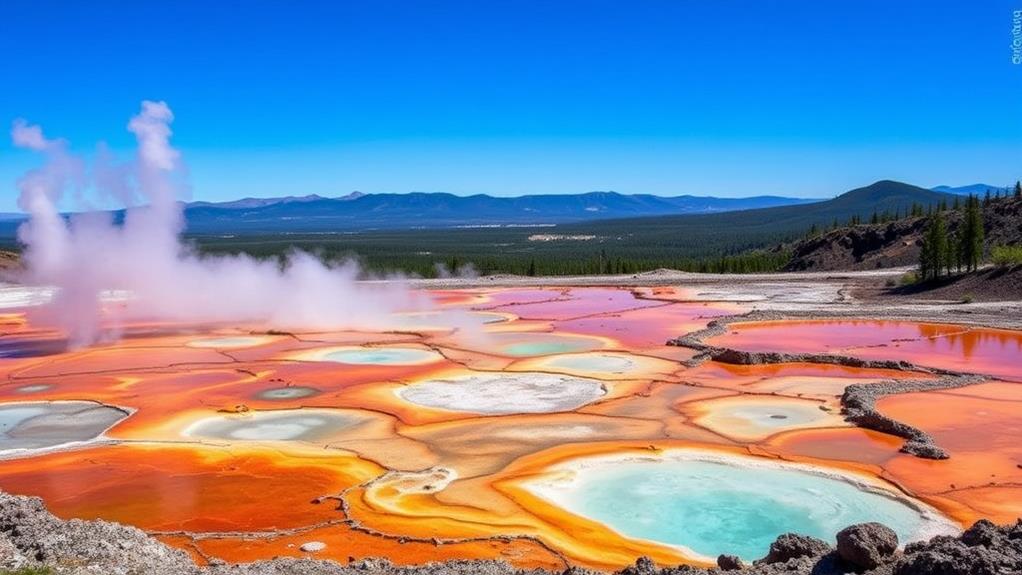
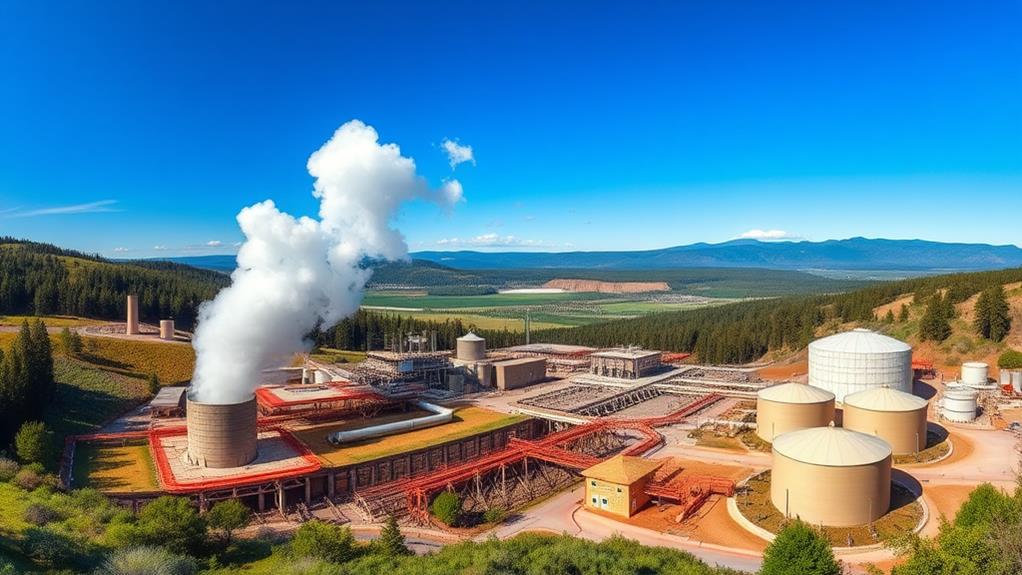
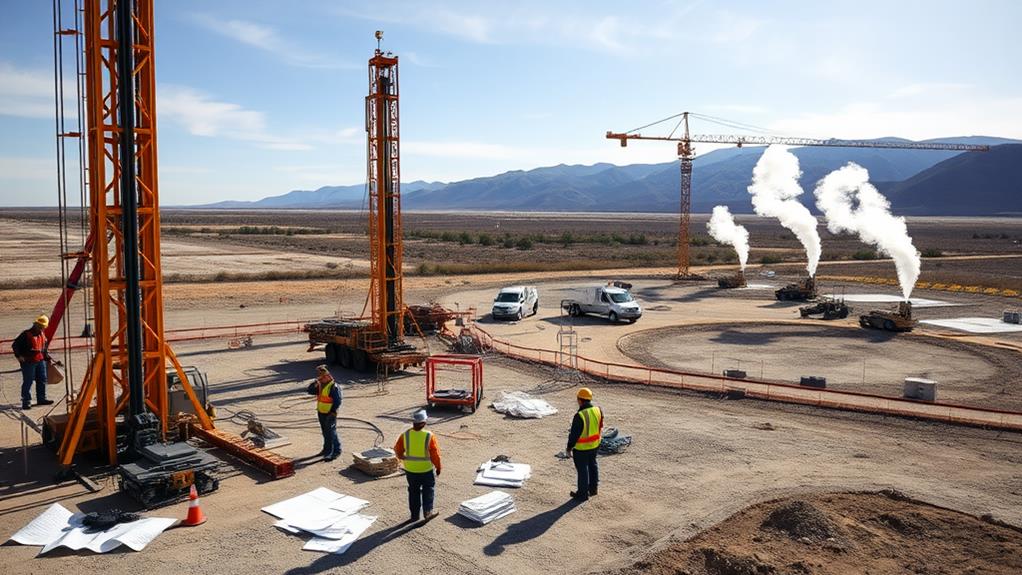
When we think about the backbone of geothermal energy systems, the role of a geothermal driller stands out. This position is essential for the successful execution of geothermal projects, as it involves geothermal drilling to access underground hot water reservoirs, utilizing specialized drilling equipment. The U.S. Bureau of Labor Statistics does not track "geothermal driller" as its own occupation, but the closest comparable category — construction equipment operators — reported a median hourly wage of $28.04 (about $58,320 annually) as of May 2026, with the highest-paid specialists, such as pile driver operators, earning a median of $70,510 per year. As the demand for clean energy solutions grows, so do career opportunities in this field, promoting environmental stewardship and sustainable energy production. The BLS projects 4% employment growth for construction equipment operators from 2026 to 2034, about as fast as the average for all occupations, with roughly 46,200 openings projected annually as the workforce turns over. This role often provides pathways for career advancement within the clean energy sector, allowing individuals to contribute actively to the shift toward renewable energy while honing their skills in drilling technology and site assessment.
Project Manager
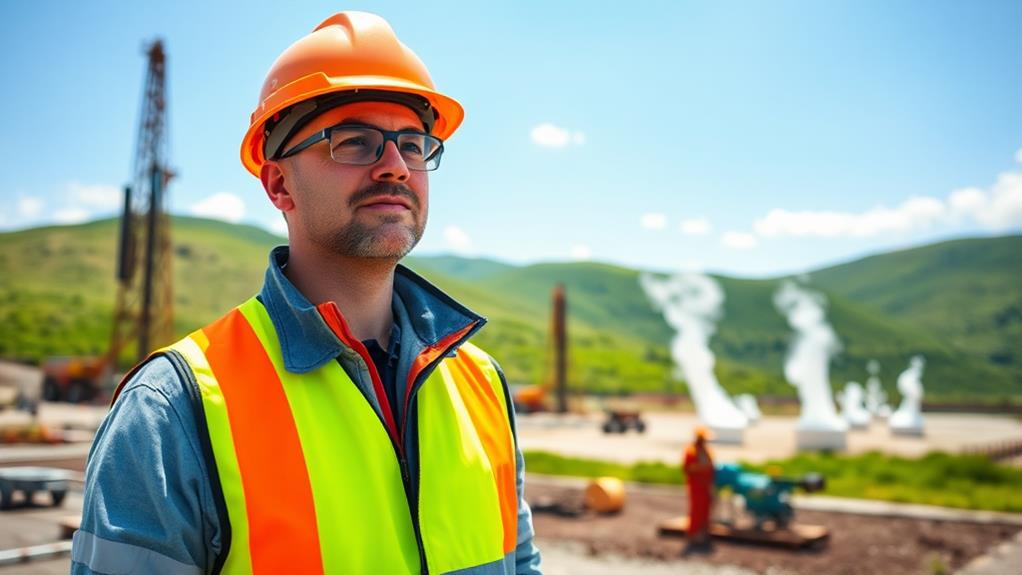
As geothermal drilling lays the groundwork for successful energy projects, the role of a project manager becomes paramount in steering these initiatives to completion. The BLS category most comparable to a geothermal project manager — construction managers — reported a median annual wage of $106,980 as of May 2026, reflecting the critical oversight these professionals provide over project execution and team coordination. They lead projects from conception to commissioning, ensuring quality, adhering to budgets, and developing maintenance schedules for operational reliability. Typically, several years of experience in project or construction management, along with a Bachelor’s degree in engineering or construction management, is expected. Familiarity with relevant industry codes and safety standards is essential for compliance. The BLS projects 9% employment growth for construction managers from 2026 to 2034 — much faster than the average for all occupations — and as the clean energy sector grows, demand for skilled geothermal project managers should follow a similar trajectory. Professionals interested in the financial side of these projects may also want to review a renewable energy project budget template to understand how costs are structured.
Recommended Products

Environmental Scientist
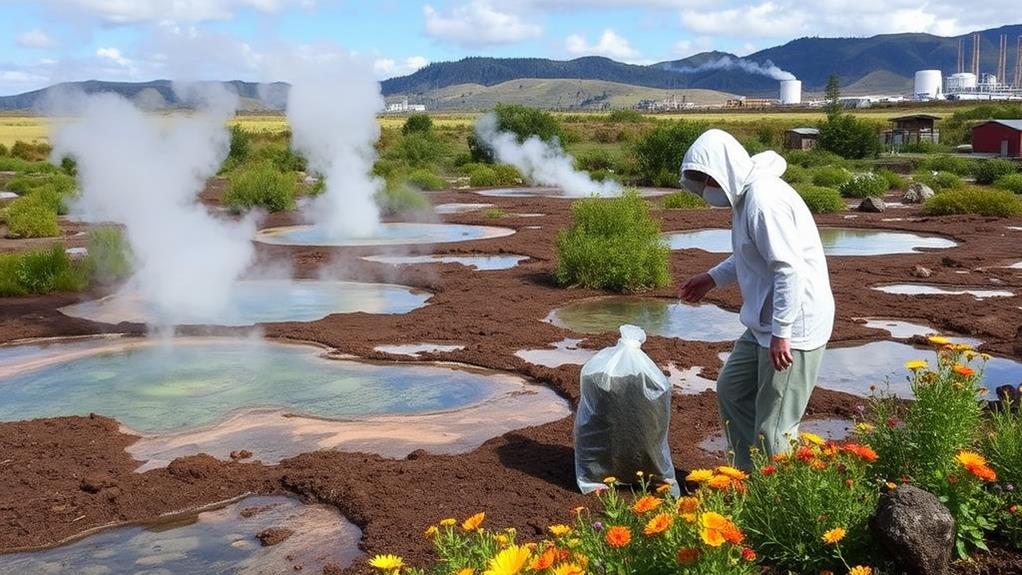
Environmental scientists play an essential role in the geothermal energy sector by evaluating the potential impacts of projects on local ecosystems. These professionals assess how geothermal plants use energy and water resources while ensuring compliance with environmental regulations set by government agencies. Their work often involves data analysis, monitoring air and water quality, and collaborating with engineers and geologists to promote sustainability in geothermal projects. According to the U.S. Bureau of Labor Statistics, the median annual wage for environmental scientists and specialists was $80,060 in May 2026, with employment projected to grow 4% from 2026 to 2034 and roughly 8,500 openings expected annually, driven largely by environmental protection needs and business compliance requirements. As the demand for clean energy solutions grows, this steady pipeline of openings should continue to support research and development efforts aimed at minimizing geothermal energy’s environmental footprint.
Recommended Products


Geothermal Engineer
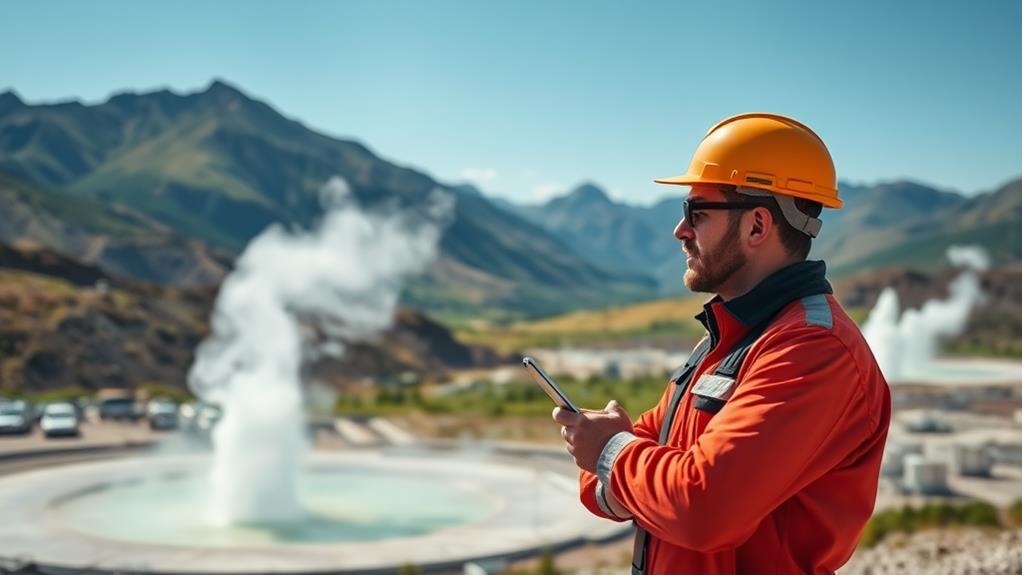
Harnessing the power of geothermal energy requires skilled professionals, and geothermal engineers are at the forefront of this innovative field. These engineers play a vital role in designing, implementing, and maintaining geothermal energy systems, contributing to the clean energy landscape. They typically hold a bachelor’s degree in engineering and often pursue a Professional Engineer (PE) license for career advancement. Strong computer skills are essential for data analysis and modeling, ensuring efficiency across various geothermal applications. As a benchmark, the BLS reports that mechanical engineers — a closely related discipline that many geothermal engineers train in — earned a median annual wage of $102,320 in May 2026, with employment projected to grow 9% from 2026 to 2034, much faster than the 3% average for all occupations.
| Job Role | Key Responsibilities | Skills Required |
|---|---|---|
| Design Engineer | System design and modeling | Computer skills |
| Project Manager | Overseeing project execution | Leadership and planning |
| Field Engineer | On-site system maintenance | Problem-solving |
| Research Engineer | Analyzing geothermal resources | Data analysis |
Recommended Products


HVAC Technician
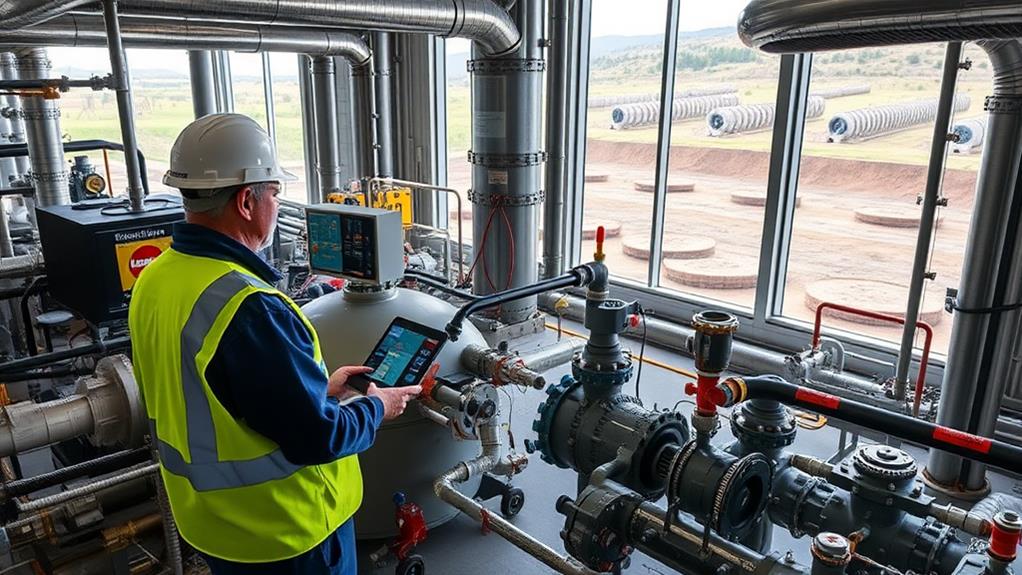
HVAC technicians are vital in installing and maintaining geothermal heating and cooling systems, which efficiently regulate indoor temperatures using renewable energy. By mastering geothermal technology, technicians can markedly reduce energy costs for homeowners while contributing to a cleaner environment. According to the Bureau of Labor Statistics, the median annual wage for heating, air conditioning, and refrigeration mechanics and installers was $59,810 in May 2026, and employment in the field is projected to grow 8% from 2026 to 2034 — much faster than average — with about 40,100 openings projected each year. Many technicians start with an associate’s degree or a trade training program, gaining invaluable hands-on experience through apprenticeships. It’s worth noting that the federal residential tax credit that has helped drive demand for geothermal heat pump installations is scheduled to expire for systems placed in service after December 31, 2026, under current IRS rules for Section 25D — homeowners and installers should confirm current eligibility on ENERGY STAR’s federal tax credit page before relying on it in a project budget. Even so, as the renewable energy sector expands, HVAC technicians with proficiency in geothermal systems should continue to find strong job opportunities and promising career advancement, making this path both rewarding and essential for a sustainable future. Homeowners evaluating whether geothermal makes financial sense alongside solar may also want to compare solar panel efficiency versus cost before deciding which system to prioritize.
Recommended Products

THE EASIEST INJECTION METHOD: No more fussing with messy syringes, hoses, or pressurized cans. The Leak Saver injects directly and easily into the system with a basic manifold gauge set or even easier with our Leak Shot Injection Kits. Note: for automotive systems, you will still need the standard 134A to 1/4” charging adapter. Mini-splits may require a 5/16” to 1/4” charging adapter.


THE EASIEST INJECTION METHOD: No more fussing with messy syringes, hoses, or pressurized cans. The Leak Saver injects directly and easily into the system with a basic manifold gauge set or even easier with our Leak Shot Injection Kits. Note: for automotive systems, you will still need the standard 134A to 1/4” charging adapter. Mini-splits may require a 5/16” to 1/4” charging adapter.
Frequently Asked Questions
What Is a Career Connection to Geothermal Energy?
When we explore career connections to geothermal energy, we see opportunities in geothermal engineering and project management, focusing on renewable energy, sustainable development, and minimizing environmental impact, while influencing energy policy and harnessing geothermal resources together.
What Jobs Are Related to Geothermal Energy?
As we explore geothermal energy, we find roles in geothermal engineering, drilling technology, and energy management. Together, these professionals help harness geothermal resources, ensuring sustainable development while minimizing environmental impact for a cleaner future.
What Is the Future Potential for Geothermal Energy?
The future potential for geothermal energy is significant. The U.S. Department of Energy’s Enhanced Geothermal Shot initiative has identified a pathway to as much as 90 gigawatts of capacity by 2050, with next-generation technologies potentially supporting up to 300 gigawatts, alongside geothermal heat pumps that could serve the equivalent of 36 million homes for heating and cooling.
Is the Federal Tax Credit for Geothermal Heat Pumps Still Available?
As of this writing, the residential federal tax credit for qualifying ENERGY STAR-certified geothermal heat pump installations is set to expire for systems placed in service after December 31, 2026. Homeowners and installers should check the current status on ENERGY STAR’s official tax credit page and review state-level renewable energy incentives, since state programs may still offer support even after a federal credit lapses.
What Are the Opportunities for Geothermal Energy?
With geothermal technology expanding, there are growing opportunities in project management, drilling techniques, environmental science, and policy development, all while ensuring responsible use of renewable resources and minimizing environmental impact for generations to come.