
Land costs are essential for your farm investments, as they directly impact financing and profitability. In 2026, the average cropland value reached $5,830 per acre nationally, a 4.7% increase from 2026, according to the USDA National Agricultural Statistics Service (NASS). Additionally, understanding cash rents, which averaged $161 per acre for cropland in 2026, can guide your investment strategies by indicating regional demand and potential returns. Interest rates continue to shape borrowing costs and land valuations, with Farm Credit System land loans running roughly 6.0%–7.25% in 2026. Evaluating these metrics can lead to informed decisions, paving the way for more successful farmland investments. Insights into additional factors could further enhance your strategy.
Key Takeaways
- National average farm real estate value reached $4,350 per acre in 2026, up $180 per acre from 2026, per USDA NASS.
- Farmland values are influenced by factors like cash rents, soil quality, and regional economic conditions, affecting investment decisions.
- Elevated interest rates increase borrowing costs, making farmland investments more expensive to finance and can weigh on land values.
- Higher commodity prices enhance farmer cash flow, driving interest in land investments and impacting overall market dynamics.
- Government policies, such as agricultural subsidies and conservation programs, can support farmland values and influence market supply and demand dynamics.
Overview of Land Costs
You may be interested
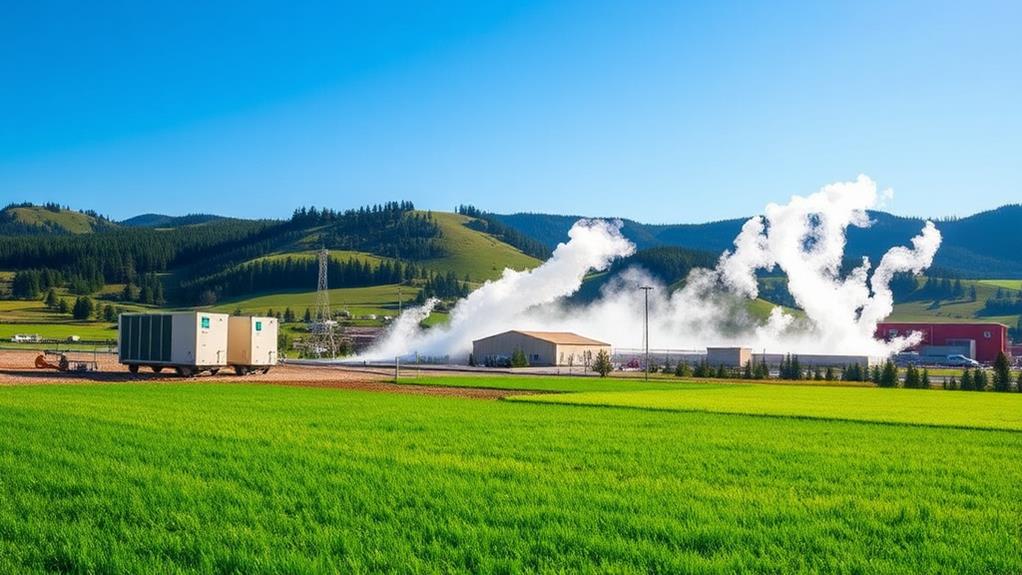
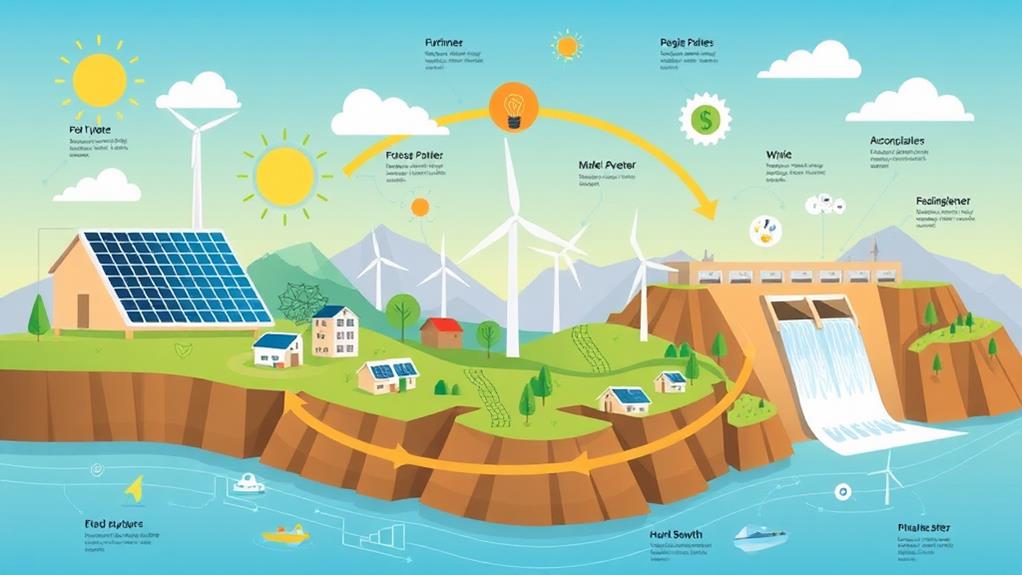
Understanding land costs is essential for anyone considering investing in farmland. The national average farm real estate value stood at $4,350 per acre in 2026, an increase of $180 per acre from the prior year, which is critical for you to gauge your annual financial commitments. Additionally, with the average cropland value reaching $5,830 per acre in 2026—a 4.7% increase from 2026—it's crucial to keep abreast of rising farmland values, as reported in the USDA NASS 2026 Land Values and Cash Rents summary. Pastureland values also climbed to $1,920 per acre, up $90 from 2026. On the financing side, USDA Direct Farm Ownership Loans have generally run in the 4.5%–5.0% range, while Farm Credit System land loans have trended higher, around 6.0%–7.25%, underscoring the necessity of understanding financing costs relative to land values. A larger down payment can reduce your loan amount and overall interest expense over the life of the loan. By grasping these numbers, you can make informed decisions about your farmland investments.
Factors Influencing Land Prices
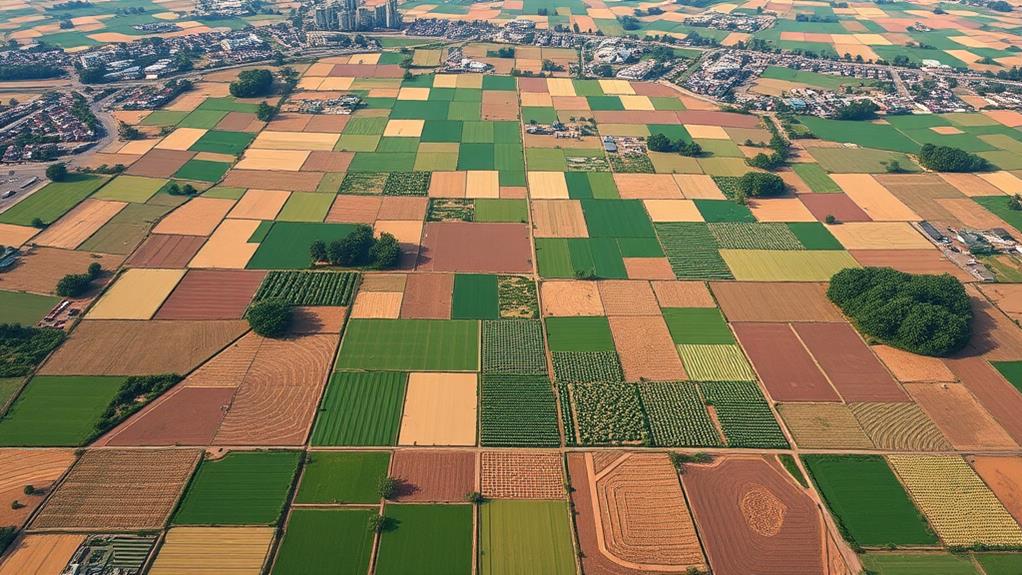
Several factors can greatly influence land prices, impacting your decisions when investing in farmland. Primarily, cash rents play an important role; higher cash rents signal robust demand and profitability, indicating stronger land values. Additionally, interest rates greatly affect land pricing, with elevated rates generally increasing the cost of financing a purchase and, over time, exerting downward pressure on what buyers are willing to pay. Soil quality is another critical consideration, as it directly influences agricultural productivity, and higher-quality soils typically command higher prices. Furthermore, other factors like government policies and crop prices can further complicate the equation, as they may enhance demand or create market volatility. Understanding these influences is essential for making informed choices in the competitive farmland investment landscape.
Importance of Cash Rents
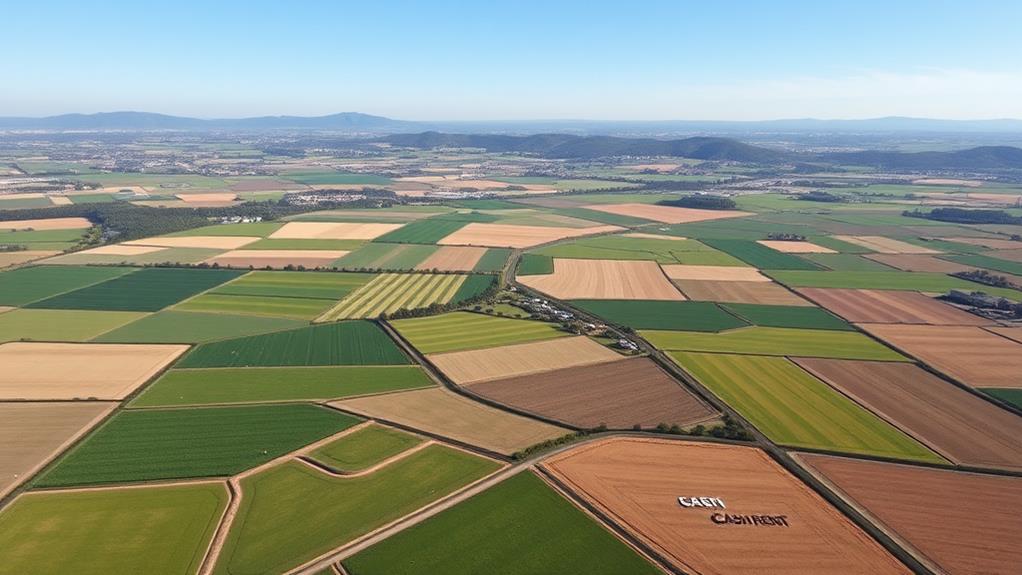
Understanding cash rents is essential for evaluating farmland investments, as they are closely tied to farmland values and reflect regional economic conditions. In 2026, the average rental rate for cropland was $161 per acre, roughly $1 higher than in 2026, while pastureland cash rent held steady at $15.50 per acre, according to USDA NASS. By analyzing cash rents, you can better assess potential net returns and make informed decisions about your investment strategy in the agricultural sector.
Recommended Products

PROTECTIVE HINGED COVER: Features a hinged, hard cover that protects the keys and display when stored, making this handheld calculator durable and easy to carry safely....
Cash Rents and Value
Cash rents play an essential role in the dynamics of farmland investment, directly influencing both immediate cash flow and long-term asset value. As you explore the importance of cash rents, consider the following points:
- Rising cash rents correlate closely with farmland values, often reflecting local demand.
- In 2026, the average rental rate for cropland reached $161 per acre nationally, per USDA NASS.
- Strong rental performance can provide critical funds for down payments on farmland purchases.
- Local economic conditions greatly impact rental rates, leading to variability across regions.
- Monitoring cash rent trends is essential for forecasting future farmland values and identifying investment opportunities.
Understanding these factors can empower you to leverage cash rents effectively in your investment strategies, enhancing your financial freedom in agriculture.
Rental Rate Trends
Rental rate trends are crucial indicators of farmland investment potential, reflecting the interplay between local demand and economic conditions. In 2026, the average cropland rental rate stood at $161 per acre nationally, while pastureland rates averaged $15.50 per acre, essentially unchanged from 2026, according to USDA NASS data. This continued strength in cash rent rates often correlates with higher farmland values, as stronger rental rates signal robust land value prospects. Additionally, net returns markedly drive these rental rates, enhancing the working capital available for land investments. Regional economic conditions and land use types further influence these trends, with cropland typically commanding higher rents than pastureland. Monitoring these cash rent trends is crucial for predicting future farmland values and investment opportunities in agriculture.
Impact of Interest Rates
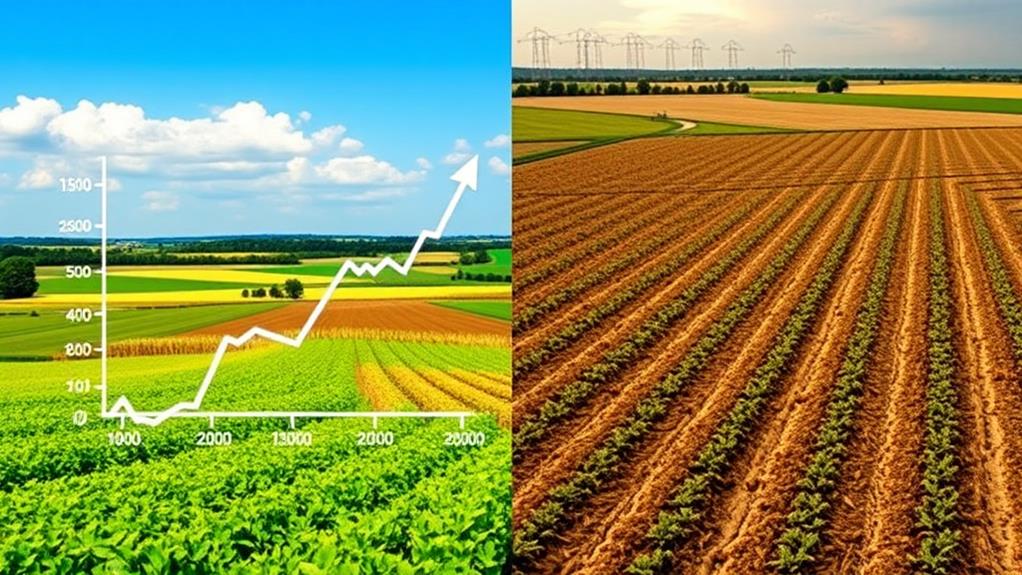
Interest rates greatly influence farmland values, making them a key factor for anyone considering investment in agricultural land. Higher borrowing costs often temper land values, as increased financing expenses deter some potential buyers even when land remains a sought-after asset. The relationship between interest rates and farmland values is significant; as rates rise or stay elevated, the cost of carrying farmland debt grows, affecting market demand.
Consider these points:
- Farm Credit System land loans have generally run around 6.0%–7.25% in 2026, higher than USDA Direct Farm Ownership Loans at roughly 4.5%–5.0%.
- Elevated borrowing costs can slow the pace of land purchases even as underlying values hold firm.
- Farmland values still rose 4.7% in cropland terms in 2026 despite higher financing costs, reflecting continued demand.
- Persistent inflation and Federal Reserve policy continue to shape the rate environment for agricultural lending.
- Monitoring interest rate trends is essential for investment strategies and loan structuring.
Understanding these dynamics is fundamental for making informed decisions in this ever-changing market.
Recommended Products

Loan Amortization and Remaining Balances

Extra large 12-digit angled display.
Role of Commodity Prices
When considering investments in agricultural land, you need to understand how commodity prices directly influence your decision-making process. Fluctuations in prices, such as those seen in corn and soybean markets, can greatly affect cash flow and availability of capital for land purchases, thereby altering supply and demand dynamics in the farmland market. As a result, staying informed about market conditions is essential, as lower commodity prices might increase the supply of farmland available for sale, potentially leading to decreased land values.
Impact on Investment Decisions
Commodity prices play an essential role in shaping investment decisions in farmland. As prices fluctuate, they directly impact farm real estate values, where higher commodity prices typically increase farmer cash flow, spurring interest in land acquisition. Conversely, softer corn and soybean prices can dampen market sentiment, leading you to reconsider your investment strategies. Factors to keep in mind include:
- Increased cash flow from higher commodity prices
- Negative sentiment from declining prices
- Supply chain disruptions causing price volatility
- Geopolitical events triggering unpredictable spikes
- The potential downward pressure on prices from increased farmland supply
Understanding these dynamics helps you navigate the complexities of investment decisions in an ever-changing agricultural landscape, ensuring your strategies align with market realities.
Price Fluctuations and Stability
As fluctuations in commodity prices continue to shape the agricultural landscape, understanding their impact on farmland values becomes essential for investors. Higher commodity prices typically enhance farmer cash flow, stimulating investment in land. However, periods of softer corn and soybean prices can create uncertainty, weighing on market sentiment and farmland valuations. Price spikes caused by supply chain disruptions or geopolitical events can alter short-term market dynamics, complicating investment decisions. In addition, weaker commodity prices in a given cycle may lead some producers to release land onto the market, potentially exerting downward pressure on land prices. The intricate relationship between commodity markets, interest rates, and inflation contributes to the volatility of farmland values, making it imperative for investors to stay informed and adapt their strategies accordingly.
Supply and Demand Dynamics
The interplay between supply and demand in farmland markets is heavily influenced by fluctuations in commodity prices. When commodity prices rise, they often enhance farmer cash flow, increasing interest in land investments and helping support farmland values. Conversely, periods of weaker corn and soybean prices can negatively impact market sentiment, potentially softening farmland demand. The following factors illustrate the complexity of supply and demand dynamics:
- Volatility in commodity prices
- Supply chain disruptions
- Geopolitical events
- Farmer investment strategies
- Market sentiment fluctuations
These elements contribute to an unpredictable agricultural landscape, where softer commodity prices may increase farmland availability and exert downward pressure on land prices in some regions. Understanding these dynamics is essential for making informed decisions about land investments in the current market.
Government Policies Affecting Values
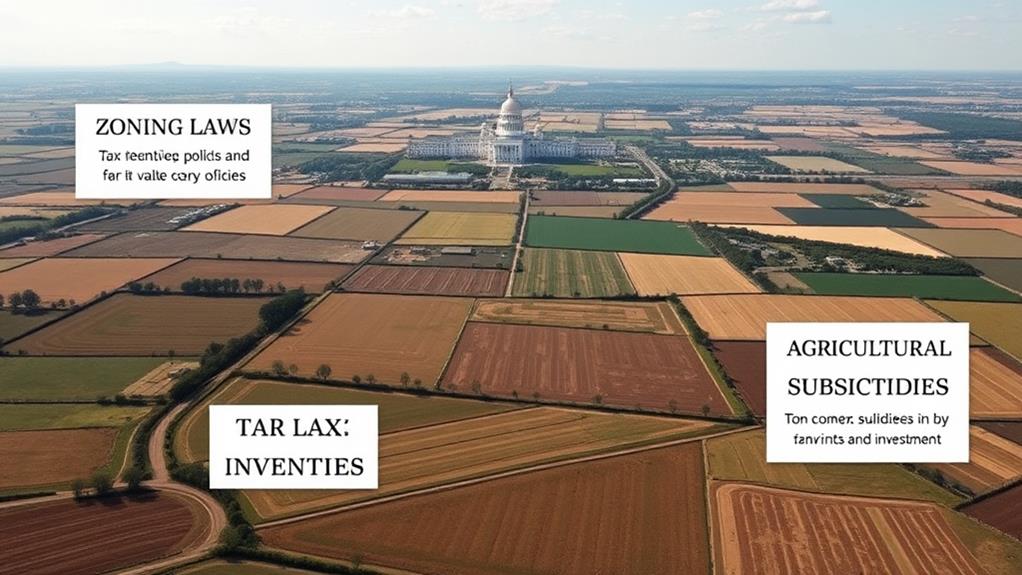
How do government policies shape the values of farmland? These policies, including agricultural subsidies, USDA farm loan programs, and conservation payments, play a pivotal role in influencing farmland pricing and investment opportunities. Federal support programs can help stabilize farm incomes during periods of low commodity prices, supporting farmland values even amid market volatility. Here's a quick overview of how these factors interact:
| Policy Type | Impact on Farmland Values | Example Programs |
|---|---|---|
| Subsidies | Boosts real estate values | Direct payments, crop insurance |
| Financial Support | Enhances investment ability | USDA Direct Farm Ownership Loans (4.5%-5.0%) |
| Demand Dynamics | Influences supply levels | Conservation Reserve Program |
| Long-term Investment | Sustains value growth | Rural development initiatives |
These dynamics create a favorable environment for farmers, ultimately enhancing their capital potential. You can review current federal loan terms directly through the USDA Farm Service Agency.
Assessing Additional Income Sources
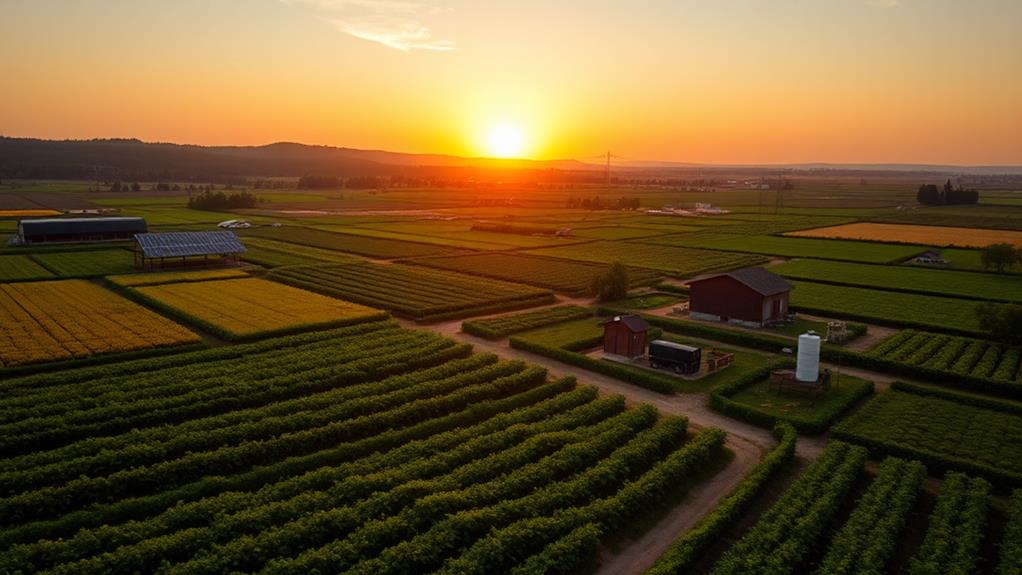
When contemplating farmland investments, evaluating additional income sources is vital for long-term financial stability. Diversifying your income streams not only enhances farm revenue but also strengthens your working capital, allowing you to better manage financial pressures. Here are some supplementary income options to reflect upon:
- Hog barns
- Seed sales
- Agritourism
- Custom farming services
- Solar or wind energy leases (agrivoltaics and on-farm turbines)
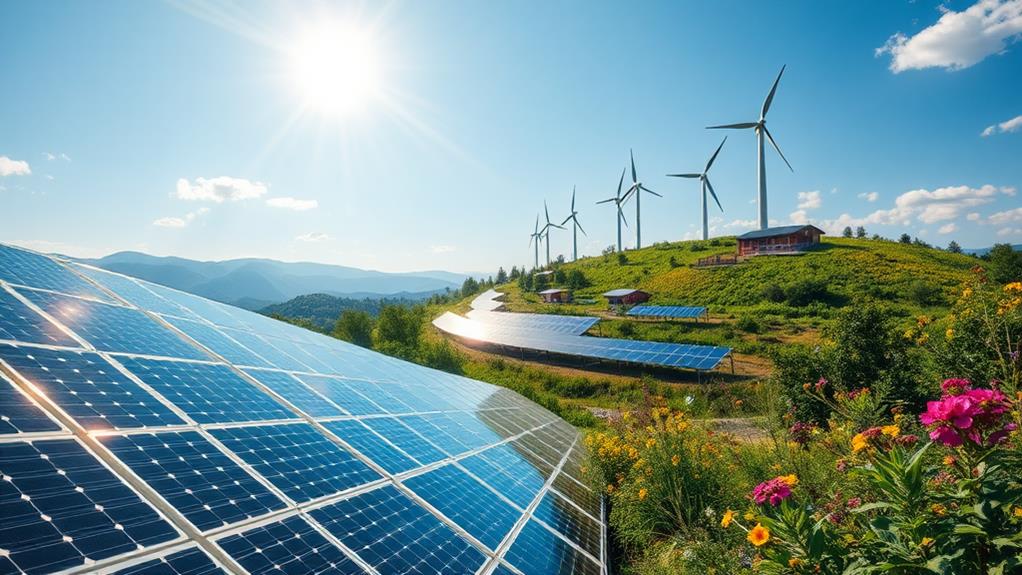
Solar and wind leasing has become an increasingly common way for landowners to generate steady, non-farm income while continuing to grow crops or graze livestock on the same acreage, a practice known as agrivoltaics; the U.S. Department of Energy has published guidance for farmers considering solar leasing. If you’re weighing this option, it helps to understand small-scale wind turbines for rural properties or how on-site solar generation could offset energy costs for farm operations. These options can help cover annual land payments, especially as national farm real estate values average $4,350 per acre. Given elevated financing costs in the current rate environment, tapping into supplementary income can greatly improve cash flow and mitigate risks associated with market fluctuations. Evaluating these potentials is vital for achieving your long-term investment goals.
Financial Decision-Making Strategies
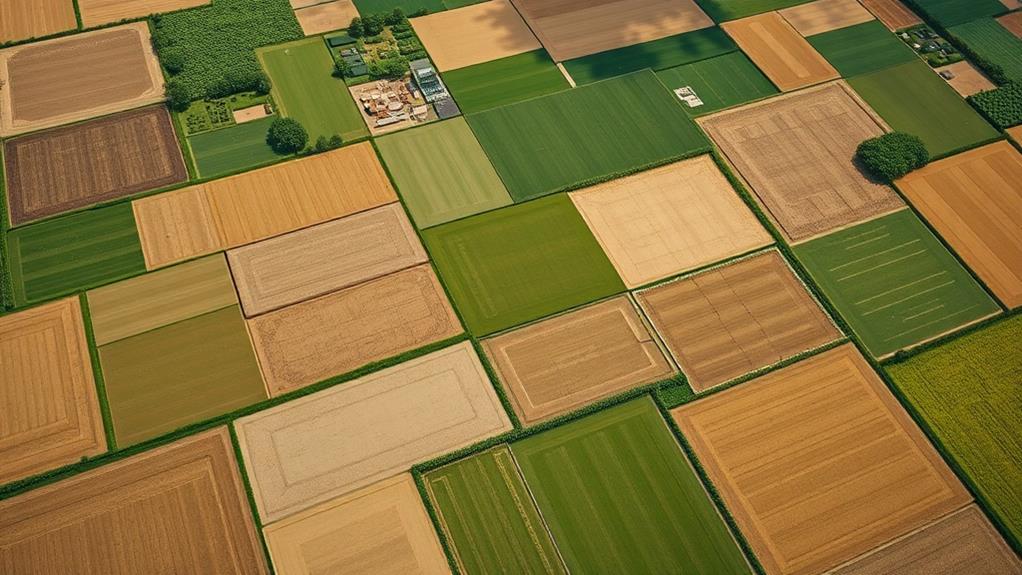
Evaluating additional income sources sets the stage for effective financial decision-making in farmland investments. As you consider your farm income against rising input costs, analyzing the national average farm real estate value of $4,350 per acre in 2026 becomes essential context, per USDA NASS. Understanding current borrowing costs, with USDA Direct Farm Ownership Loans around 4.5%–5.0% and Farm Credit System land loans around 6.0%–7.25%, helps identify potential financial strain and the case for debt restructuring where appropriate. Exploring options like hog barns, seed sales, or leasing land for renewable energy can bolster your financial stability, ensuring land payments remain manageable. Additionally, making larger down payments can substantially reduce your overall loan amounts and annual payments, enhancing the viability of your investment amid fluctuating real estate values. If you’re evaluating a broader cost-benefit analysis for adding renewable energy to a farm property, or you want to compare solar energy financing options alongside land financing, these tools can help align your decisions with long-term financial goals.
Recommended Products

COMPACT & LIGHTWEIGHT- The fx-260 SOLAR II is Casio’s smallest scientific calculator—ideal for students who need a reliable, portable option for school or exams- yet still features a large 10-digit display capable of handling hundreds of math functions

[LARGE DISPLAY] - The huge LCD screen that clearly displays big numbers makes it easy to read from afar, and it’s aesthetically pleasing.

Country Of Origin: China
Frequently Asked Questions
What Are the Factors Affecting Farmland Value?
When considering farmland value, you should think about location amenities, soil quality, and market demand. Each factor influences your investment potential, helping you make informed decisions that align with your desire for agricultural freedom.
How Do You Evaluate Farmland as an Investment?
Evaluating farmland comes down to a few core checks: soil quality, market trends, and location analysis. But remember, freedom comes with responsibility; understanding these factors can lead to a thriving investment or a burdensome mistake.
What Are the Rising Costs of Farming?
You're facing rising costs in farming, like increasing input expenses and unpredictable labor wage fluctuations. Plus, equipment maintenance costs can drain your budget, making it tougher to maintain your independence and profitability in this competitive landscape.
What Is the ROI on Farmland?
When considering ROI on farmland, you'll find that appreciation, rental income, and crop yields play essential roles. With stable, appreciating land values reported by USDA NASS in recent years, investing in farmland allows you the freedom to grow your wealth sustainably over time.
Can Solar or Wind Leasing Really Offset Rising Land Costs?
Yes—leasing acreage for solar arrays or wind turbines can provide a predictable, non-farm income stream that helps cover land payments and debt service. The DOE's farmer guidance on solar leasing outlines typical lease structures and considerations before signing an agreement.


