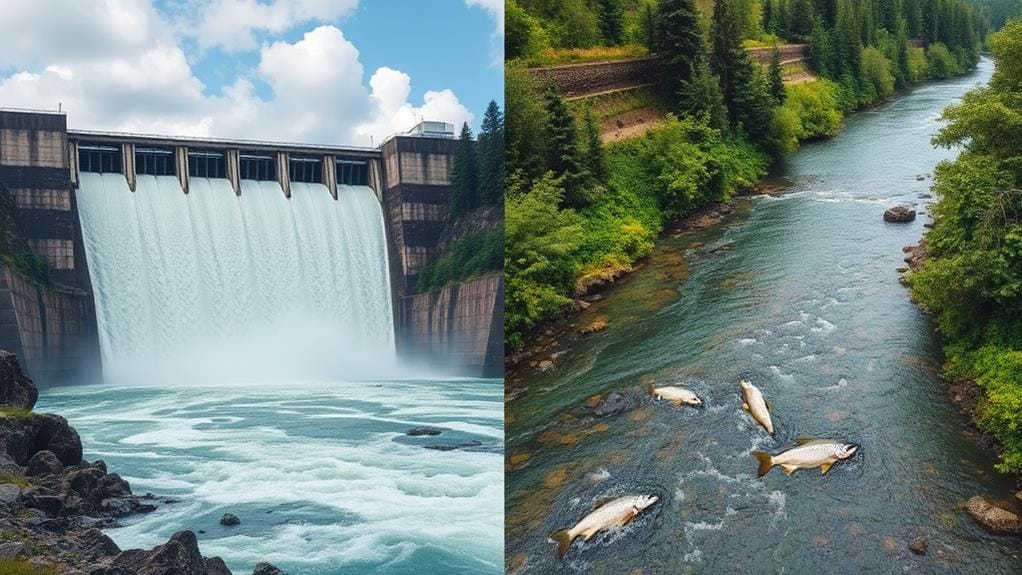
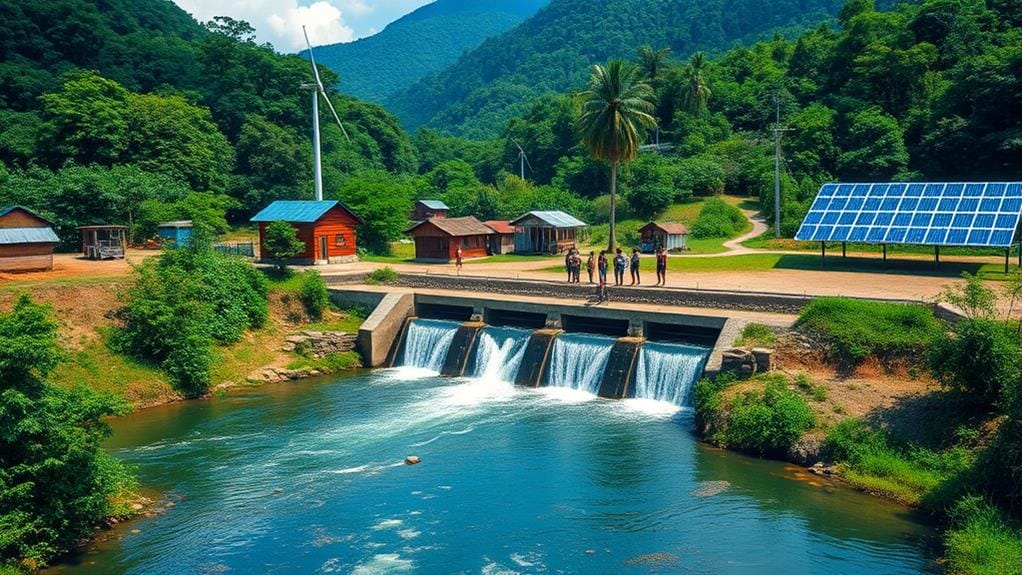
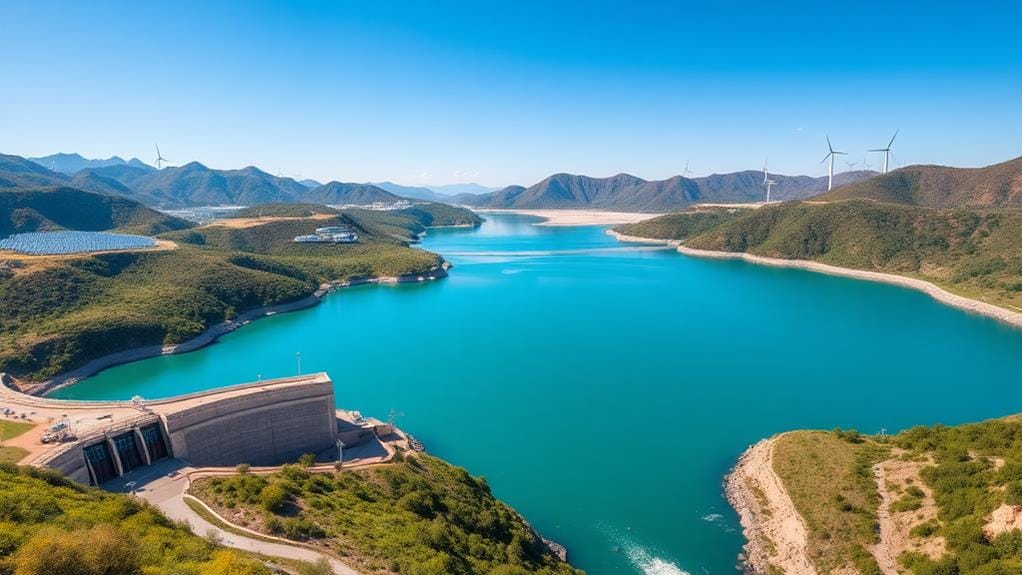
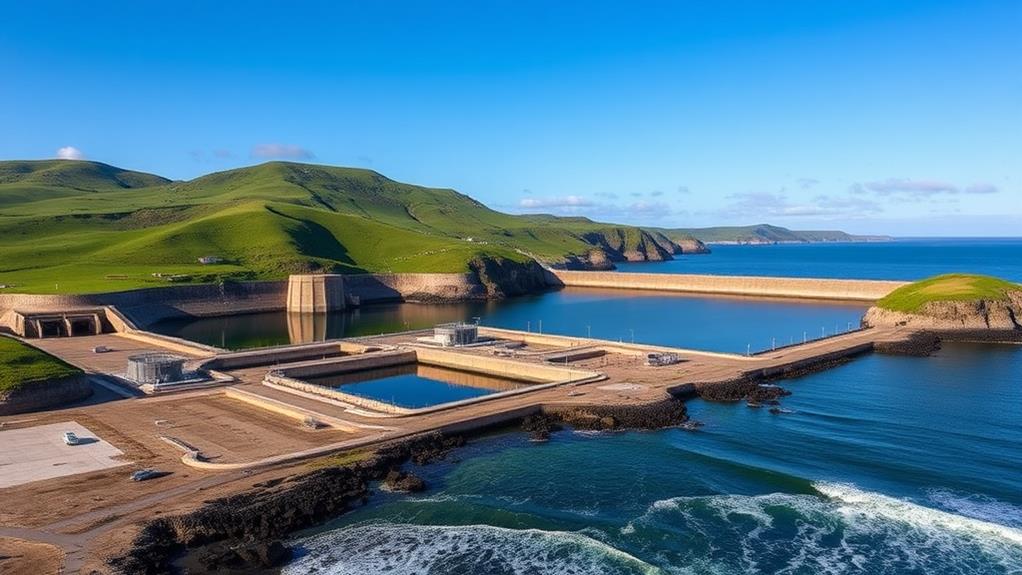
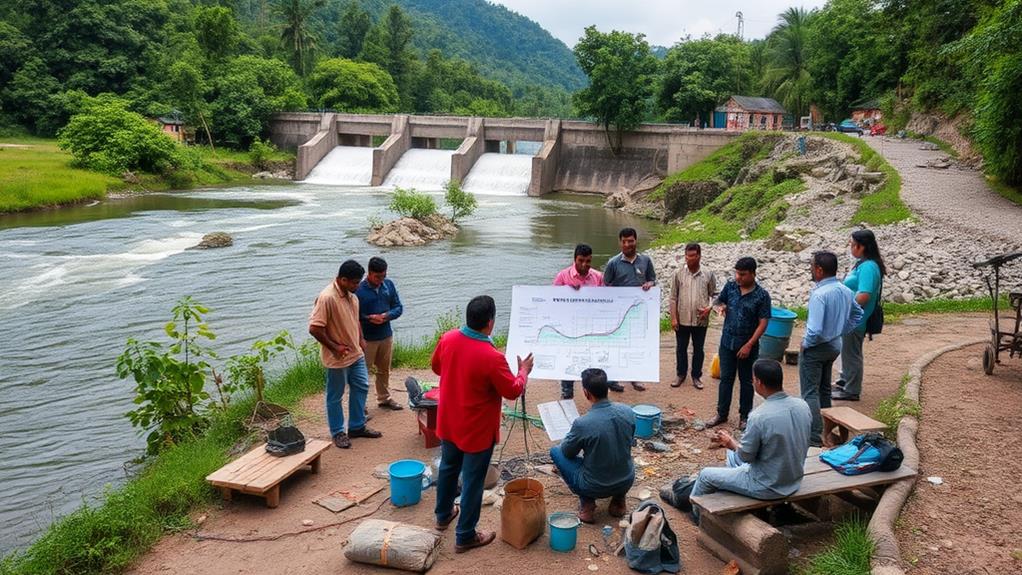
In our assessment of the 10 best low-head hydropower projects for clean energy generation, we find systems like Tidal Energy Systems, which utilize regular tidal cycles for consistent output, and River Current Turbines, designed to operate effectively at minimal water speeds, to be particularly remarkable. Additionally, innovations such as Venturi-Enhanced Turbines, Archimedes Screw Installations, and Hydrokinetic Energy Solutions exhibit high efficiency and low ecological disruption, operating under roughly 4.5 meters of hydraulic head. Each project presents unique technological advancements, contributing to renewable energy goals, and optimizing local energy security, including numerous community benefits that we’ll explore further.
Key Takeaways
- Low-head hydropower projects utilize small elevation differences, typically under 20 feet (about 6 meters), for efficient clean energy generation with minimal ecological disruption.
- Notable projects include the MeyGen tidal array in Scotland and non-powered dam retrofits across North America, showcasing successful community-focused energy initiatives.
- Advanced turbine designs, like Kaplan and Archimedes screw turbines, enhance efficiency and reduce environmental impact in low-head applications.
- Global hydropower capacity grew by 24.6 GW in 2026 alone, and it remains the world’s largest source of renewable electricity, supplying about 14.3% of global power generation.
- In the United States, the Department of Energy estimates roughly 12 GW of untapped technical potential at existing non-powered dams, much of it well suited to low-head technology.
Overview of Low-Head Hydropower
You may be interested
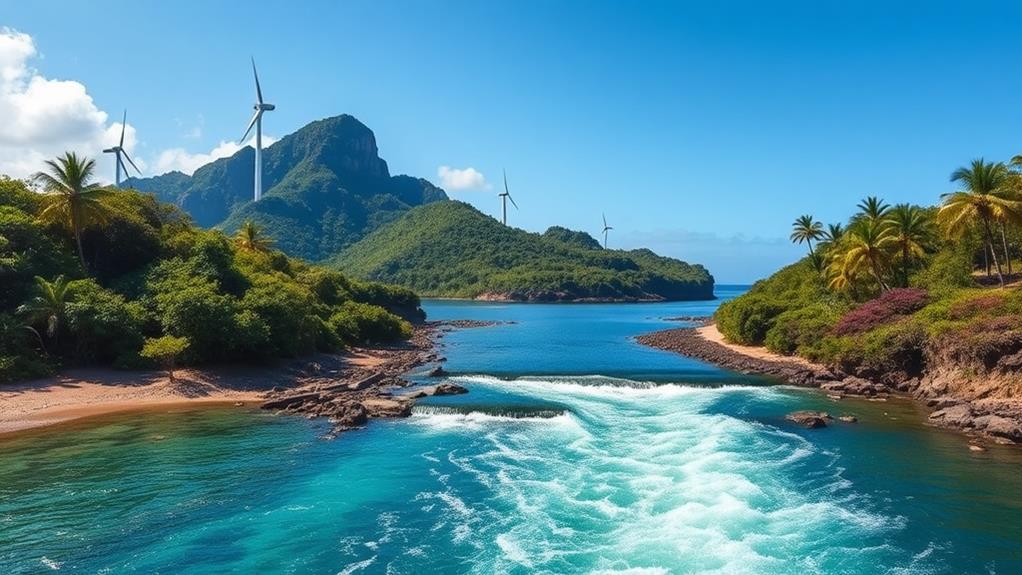
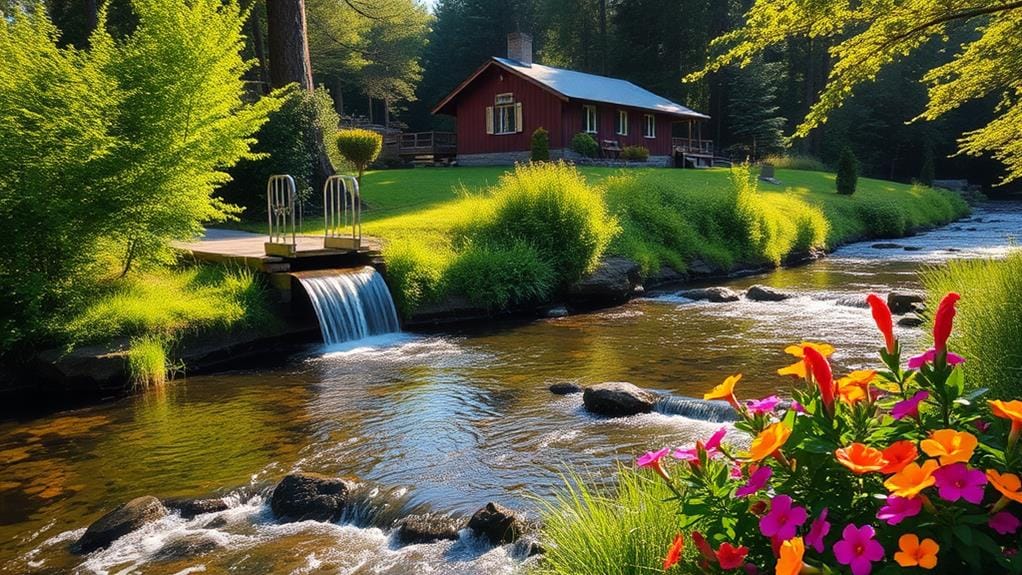
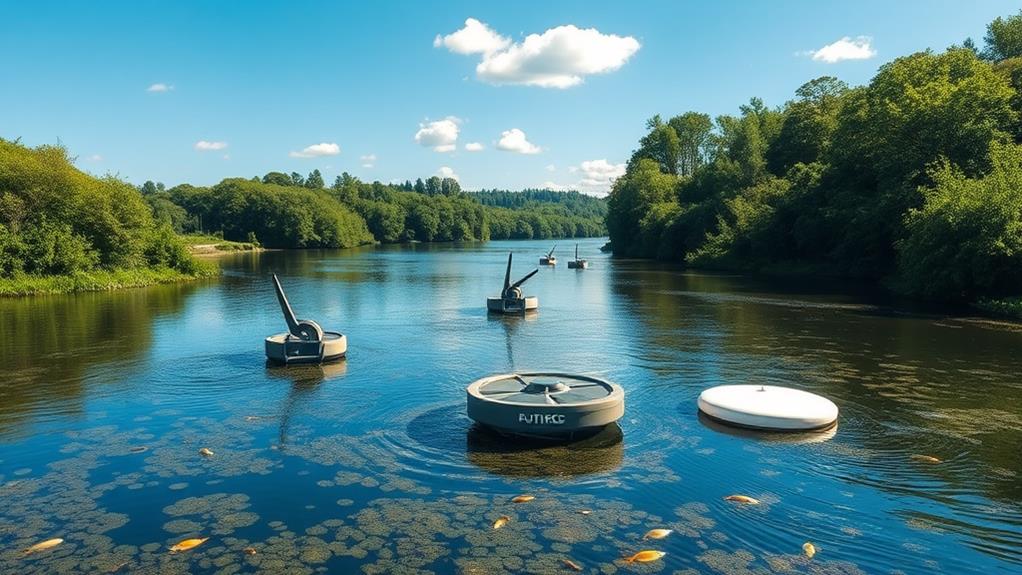
Harnessing the power of flowing water, low-head hydropower systems are gaining attention for their ability to generate electricity at hydraulic heads generally below 4.5 meters. These systems utilize various hydraulic turbines, including Kaplan and Archimedes screw designs, to efficiently convert the kinetic energy of flowing water into clean energy. Compared to traditional large-scale hydroelectric dams, low-head hydropower projects generally exhibit lower capital and operational costs, promoting decentralized energy production. According to the U.S. Department of Energy, more than 80,000 dams already exist in the United States without any power generation equipment, and an assessment of roughly 54,000 of them identified about 12 GW of technical hydropower potential — equivalent to a 15% increase over the country’s existing conventional hydropower fleet. Globally, hydropower remains the largest renewable electricity source, and the sector added 24.6 GW of new capacity in 2026 according to the International Hydropower Association, underscoring the continued relevance of both large and small-scale, low-head projects. Importantly, the environmental impact of well-designed low-head systems remains minimal, with innovative technologies increasingly focused on fish safety and the preservation of aquatic life, which aligns with our collective commitment to sustainable energy solutions. Readers comparing the economics of hydropower against other renewable options may also find our cost-benefit analysis of green energy a useful companion resource.
Project 1: Tidal Energy Systems
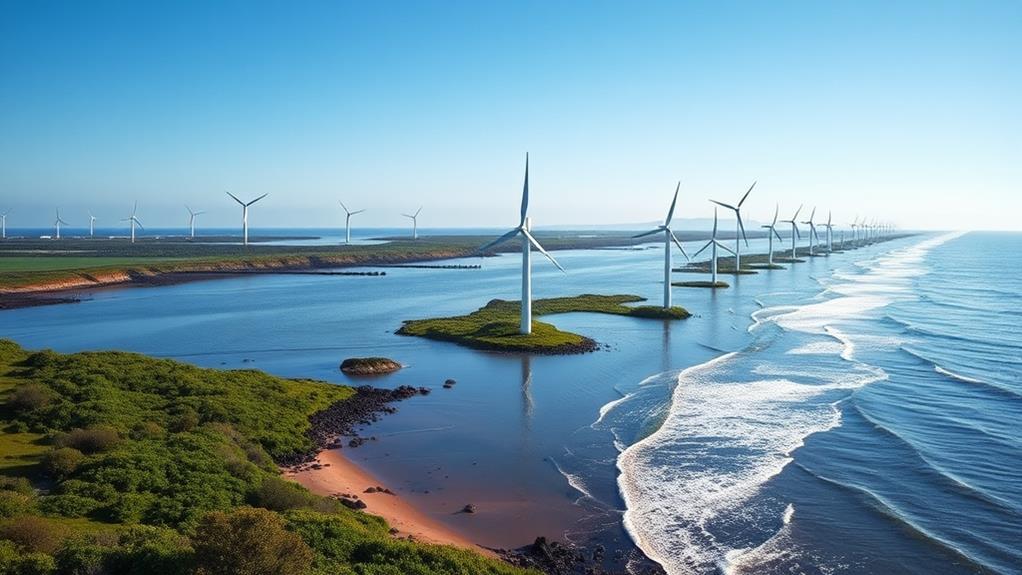
While many renewable energy sources fluctuate with the weather, tidal energy systems offer a reliable and predictable alternative by capturing the kinetic and potential energy from tidal movements. These systems represent an innovative approach to harnessing tidal power, and their benefits are substantial:
- Consistent energy output due to the regularity of tidal cycles, ensuring stable clean energy generation.
- Minimal ecological disruption, as underwater turbines are strategically placed in tidal streams or estuaries.
- The MeyGen tidal array in the Pentland Firth, Scotland — the world’s largest operating tidal stream project — began with four 1.5 MW turbines for a Phase 1 capacity of 6 MW, has produced roughly 80 GWh of electricity cumulatively as of August 2026, and holds development consent for as much as 398 MW at full build-out, with additional phases planned to add tens of megawatts through 2028.
- Enhanced marine habitats through the installation of artificial reefs associated with turbine structures.
Incorporating tidal energy into our clean energy mix signifies a promising step towards sustainable development.
Recommended Products

【Multi-function】Micro hydroelectric generator converts the potential energy of water into electrical energy, it can supply 12V radio power supply, 10W LED light charging, small battery charging, maximum charging current 220mA.

The output voltage :5V; The outlet opening maximum pressure 1.2Mpa

[Transparent shell]:Our hydroelectric generator has a transparent shell, you can view the turbine and power generation in real time, and you can also enjoy your DIY handmade creations
Project 2: River Current Turbines
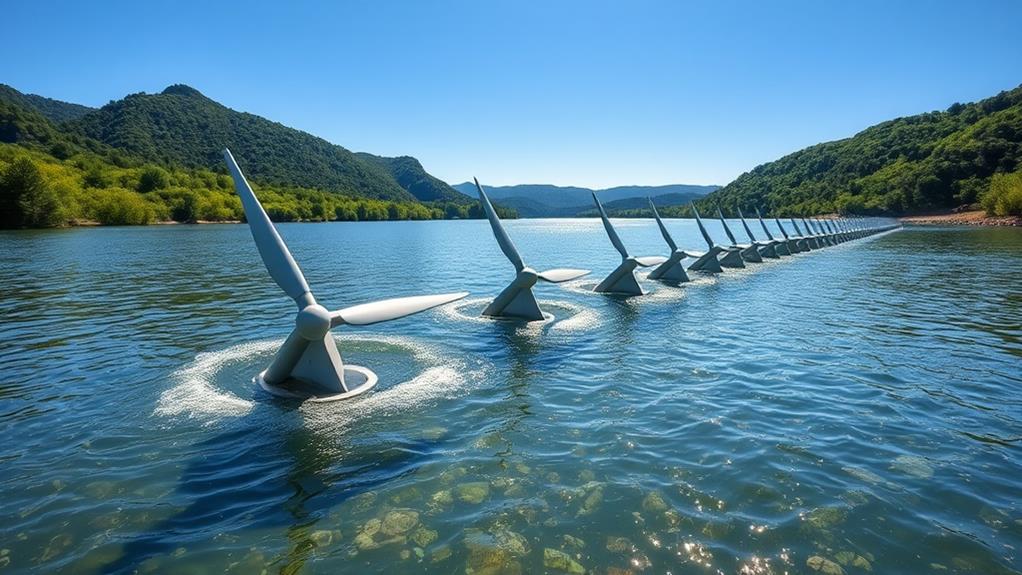
River current turbines represent a remarkable advancement in renewable energy technology, allowing us to tap into the power of flowing water in low-head environments. By harnessing kinetic energy from river currents, these turbines can operate effectively at speeds as low as 1 meter per second, providing us with a reliable source of clean energy. With designs like horizontal-axis and vertical-axis turbines, we can optimize energy capture based on specific site conditions. Their capacity can range from several kilowatts to megawatts, showcasing scalability that caters to local needs. Importantly, environmental considerations are paramount, featuring fish-friendly blades that minimize ecological impact.
| Feature | Description | Benefits |
|---|---|---|
| Energy Source | Kinetic energy from flowing water | Continuous, reliable clean energy |
| Operation Speed | Effective at currents as low as 1 m/s | Accessible energy generation |
| Turbine Design | Horizontal-axis and vertical-axis | Optimized for various conditions |
| Capacity | From a few kilowatts to several megawatts | Tailored production |
| Ecological Design | Fish-friendly blades | Minimal harm to aquatic life |
Project 3: Venturi-Enhanced Turbines
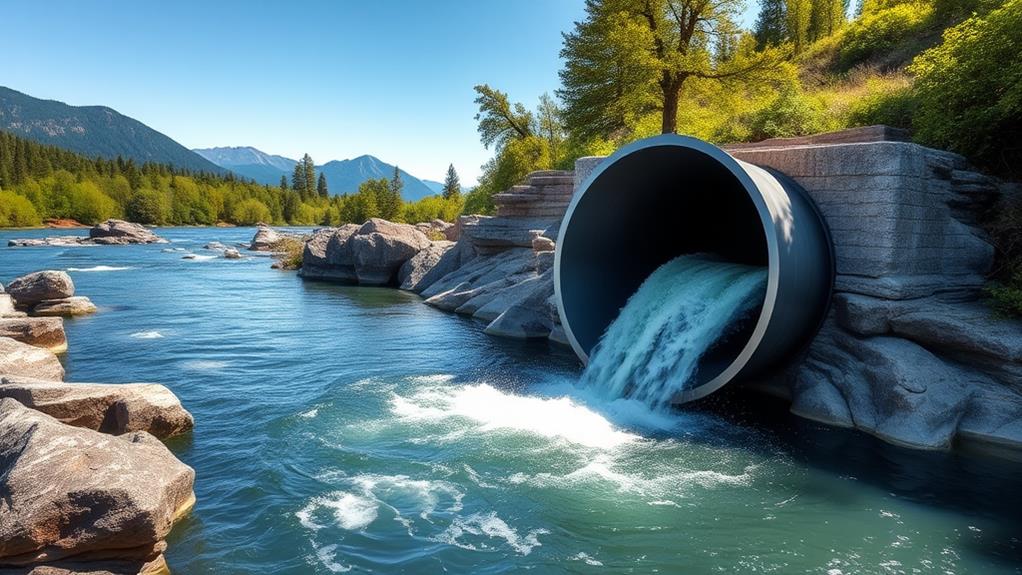
Venturi-enhanced turbines represent a groundbreaking approach in low-head hydropower technology, effectively utilizing fluid dynamics to boost water pressure. These turbines excel in applications with low-head ranges of 1.5 to 5 meters and medium to high flow rates, and well-optimized designs can achieve efficiency levels exceeding 90%, providing us with a reliable renewable energy source. Here are some key features we should appreciate:
- Optimized flow design that accelerates water for enhanced energy extraction.
- Compact construction allowing for seamless integration into existing waterways.
- Minimal ecological impact, protecting aquatic life during energy generation.
- Advanced materials enhancing durability and performance for sustainable low-head hydropower initiatives.
Together, we can harness this innovative technology for a cleaner future.
Project 4: Archimedes Screw Installations
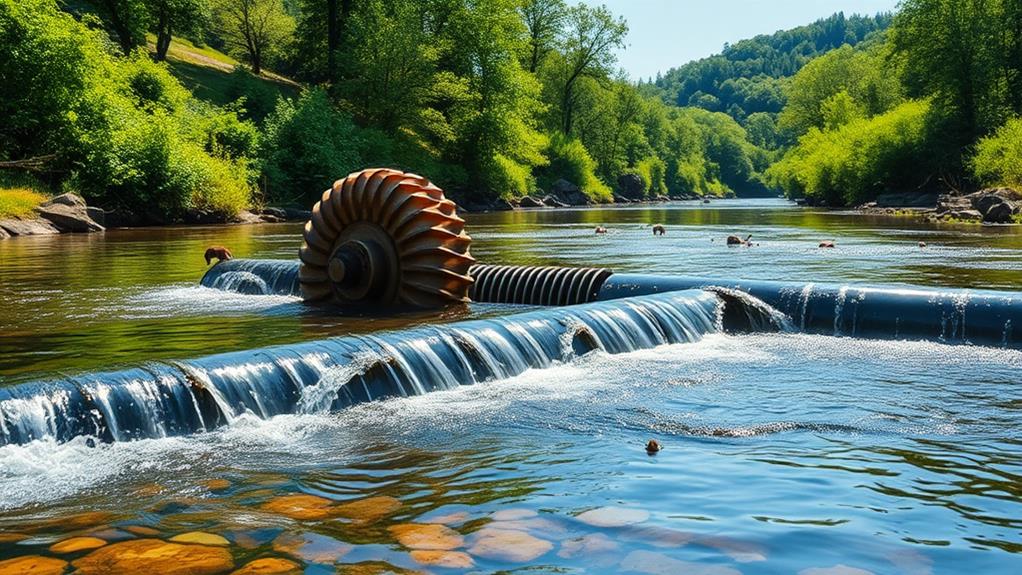
In exploring Archimedes screw installations, we acknowledge their efficiency and design advantages, particularly in low-head hydropower applications ranging from roughly 1.5 to 5 meters. Research on operating installations, including forced fish-passage studies such as the Albert Channel project in Belgium, shows these systems can achieve efficiencies in the 70-85% range while also minimizing environmental disruption, making them ideal for run-of-the-river projects that require careful ecological consideration. However, we must also address the installation and maintenance challenges that can arise, ensuring we grasp their long-term operational viability and the implications for aquatic life.
Recommended Products

Design and Efficiency Benefits
Harnessing the unique advantages of Archimedes screw installations, we find that their design is particularly well-suited for low-head hydropower applications. These installations offer significant benefits, including:
- Strong efficiency, often in the 70-85% range, due to continuous water contact and effective power generation from low flow rates.
- Low operational and maintenance costs, stemming from the simple mechanical design, which enhances economic viability.
- Compatibility with aquatic life, as the slow rotational speed minimizes risks, ensuring a more environmentally friendly option.
- Retrofit capabilities, allowing integration into existing waterways, utilizing pre-existing infrastructure, and reducing the environmental footprint.
Environmental Impact Considerations
When considering the environmental impact of Archimedes screw installations, we find that their design promotes considerable ecological benefits. Operating efficiently at low heads of roughly 1.5-5 meters while managing medium to high water flows, these systems are adaptable to various river systems. Their fish-friendly operation minimizes ecological disruption, with quantified forced fish-passage studies documenting reduced injury risk to aquatic life compared to conventional turbines. Monitoring studies confirm favorable fish passage rates during installation operations, underscoring their sustainable nature. Additionally, these installations can support sediment transport, positively influencing riverbed ecosystems and promoting biodiversity, thereby supporting a healthier aquatic habitat for all species involved.
Installation and Maintenance Challenges
Over time, we’ve learned that while Archimedes screw installations offer significant advantages for low-head hydropower, they also present unique installation and maintenance challenges. Addressing these challenges is essential for ideal energy generation.
- Site Selection: A consistent water flow and a head of at least roughly 1.5 meters are vital.
- Civil Works: Significant modifications may be necessary to create proper channels and align the screw effectively.
- Regular Inspections: Maintenance involves frequent checks to prevent blockages from debris and sediment buildup, which can reduce efficiency.
- Operational Costs: Despite the need for maintenance, the mechanical simplicity of Archimedes screws often leads to lower operational costs compared to complex turbine systems. Homeowners and small operators exploring similar low-maintenance renewable systems may also find our maintenance tips guide helpful for comparison.
Project 5: Cross-Flow Turbine Projects
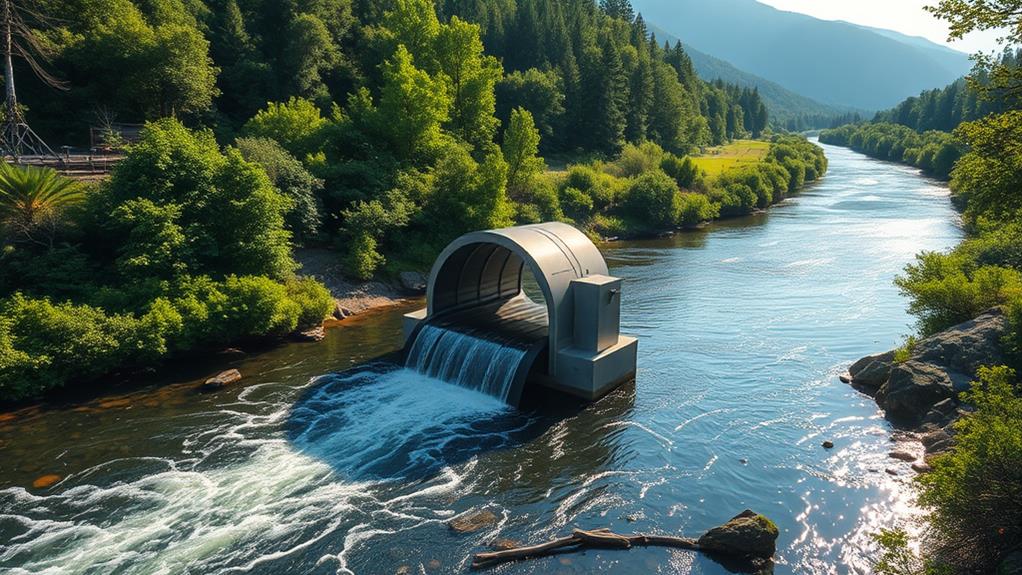
As we explore the advantages of cross-flow turbine projects, we’ll notice their remarkable efficiency and innovative design, which allow for solid performance across a wide range of head heights, from just a couple of meters up to around 100 meters. These turbines can achieve efficiency rates in the 70-80% range and operate with a horizontal water flow that minimizes ecological disruption while maximizing energy output. In addition, their durability and relatively low maintenance requirements position them as a sustainable and cost-effective choice, positively impacting local economies through renewable energy generation and job creation.
Efficiency and Design Benefits
While traditional hydropower systems often struggle in low-head scenarios, cross-flow turbines stand out for their efficiency and innovative design. These turbines deliver impressive results, making them an excellent choice for low-flow environments. Here are some key efficiency and design benefits we can appreciate:
- High Efficiency: Achieving efficiency rates of roughly 70-80%, they maximize energy generation.
- Unique Water Flow: Water flows horizontally across the blades, enhancing performance and reducing wear.
- Lower Maintenance Needs: Their design minimizes mechanical stress, leading to less frequent repairs.
- Aquatic Safety: Operating at slower speeds mitigates risks to fish and other aquatic life.
Environmental Impact Considerations
When considering the environmental impact of cross-flow turbine projects, we see significant advantages that make them appealing for sustainable energy generation. Suited to a broad range of head heights, cross-flow turbines minimize disruption to local ecosystems, making them ideal for small-scale hydropower generation. Their horizontal water flow design reduces the risk of fish injury, which is a critical concern in aquatic environments. Additionally, cross-flow turbines can promote sediment transport and support fish passage, contributing positively to the overall health of aquatic ecosystems. By implementing screening technologies, we can further mitigate impacts on marine life, ensuring fish remain safe from turbine entry. Ultimately, their solid efficiency and comparatively low ecological footprint make cross-flow turbines a leading choice in sustainable energy initiatives.
Project 6: Hydrokinetic Energy Solutions
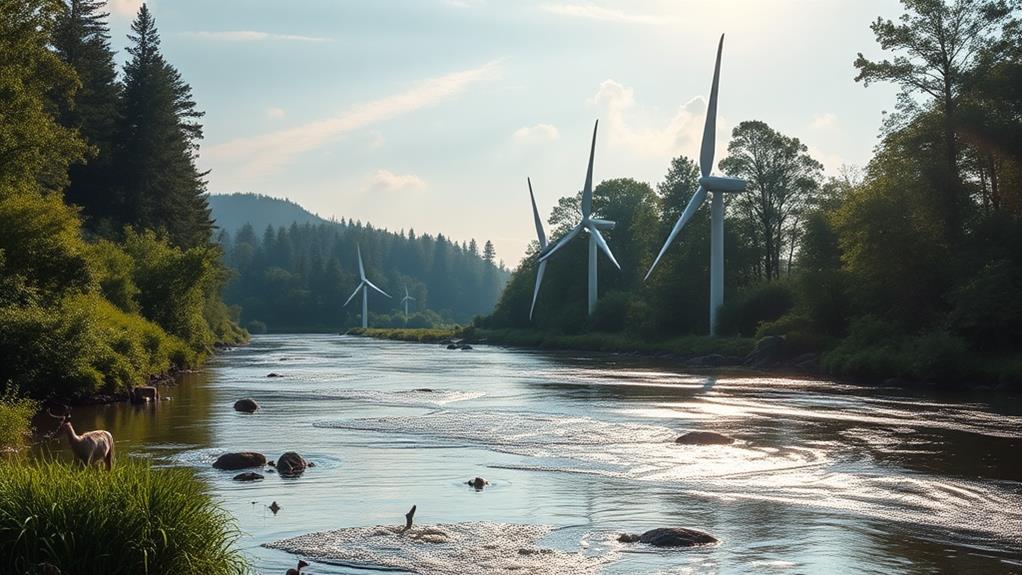
Hydrokinetic energy solutions represent a significant advancement in renewable energy technology, tapping into the natural flow of water in rivers, tides, and ocean currents without requiring a dam or impoundment. These systems harness kinetic energy with minimal ecological disruption, making them an attractive option for sustainable energy generation.
Imagine the potential of:
- Hydrokinetic turbines that capture energy without large dams.
- Preserved aquatic ecosystems that allow for fish migration.
- Integration into existing waterways, enhancing decentralized energy generation.
- Reduced transmission costs, optimizing energy distribution for nearby communities and supporting off-grid living with renewable energy.
As we explore hydrokinetic options, we recognize their role in expanding hydropower capacity while addressing energy demands. With the 48E investment tax credit for baseload resources like hydropower and marine energy preserved through 2033 under current federal law, and continued regulatory attention on permitting reform, hydrokinetic energy solutions could be pivotal in achieving our sustainability goals and transforming energy generation.
Project 7: Gravitation Water Vortex Plants
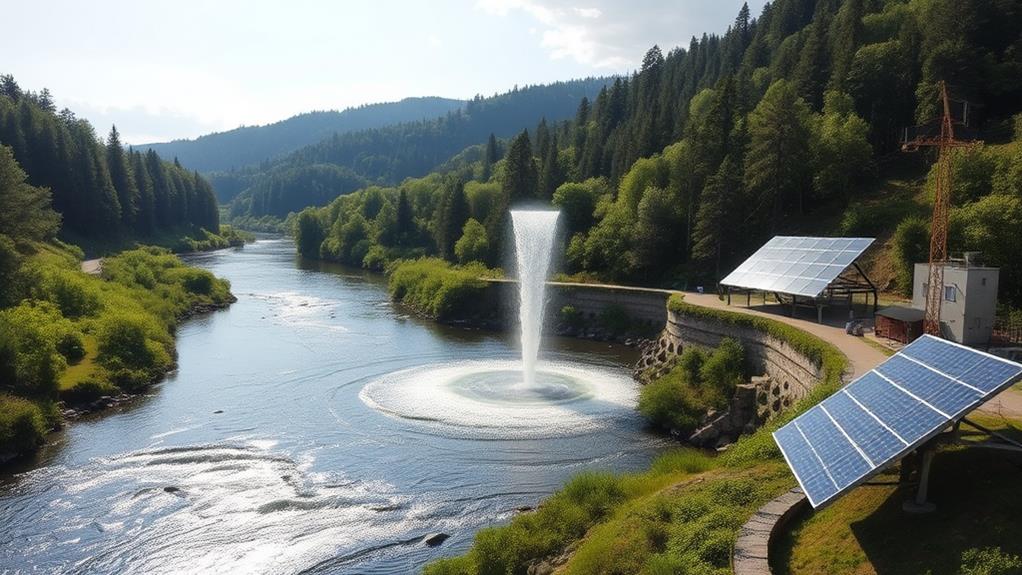
As we explore innovative hydropower solutions, gravitation water vortex plants emerge as an exciting option for low-head applications. These plants harness the natural phenomenon of water vortexes, operating at head heights as low as roughly 1 to 2 meters, which makes them ideal in situations where traditional turbines struggle. With energy conversion rates commonly cited in the 65-80% range, they offer meaningful potential for small-scale energy production, while minimizing ecological disruption. Their design promotes a continuous, gentle flow of water, thereby reducing impacts on aquatic life. Additionally, gravitation water vortex technology is compatible with existing waterway infrastructures, allowing us to tap into previously unused energy resources. As we advance in clean energy generation, these systems represent a promising avenue for sustainable development, particularly for community-scale and off-grid projects.
Project 8: Kaplan Turbine Applications
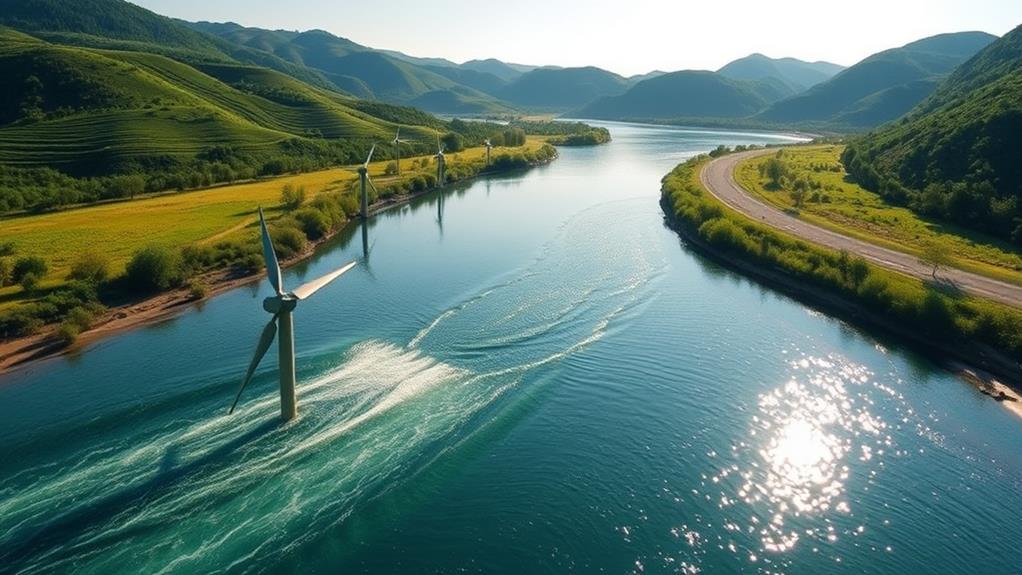
As we explore Kaplan turbine applications, it is crucial to recognize their remarkable efficiency in low-head environments, with well-designed units regularly exceeding 90% peak efficiency, which makes them particularly advantageous for projects with substantial flow rates. Their adaptability for various hydropower sites, especially in run-of-the-river systems, allows us to harness energy effectively while accommodating different head levels, typically ranging from about 1.5 to 20 meters. Furthermore, we must consider the environmental impact, as Kaplan turbines can incorporate fish-friendly features that help mitigate harm to aquatic ecosystems during operation.
Efficiency in Low-Head Environments
In the domain of low-head hydropower, Kaplan turbines stand out for their impressive efficiency and versatility. Designed specifically for low to medium head environments, these turbines excel in various applications. Here are some key features that enhance their performance:
- Adjustable blades optimize energy extraction across different flow conditions.
- Peak efficiency ratings that can exceed 90% under optimal flow conditions make them ideal for low-head applications.
- Robust performance across a wide range of flow rates, from small run-of-river sites to larger installations.
- Ecological design minimizes impact on aquatic life, promoting sustainable energy.
With their ability to adapt to varying site configurations and operate efficiently in run-of-the-river projects, Kaplan turbines exemplify the potential of clean energy generation in low-head environments. Readers weighing turbine choices against overall project economics may also find our efficiency versus cost comparison relevant, even though it focuses on solar — the same cost-per-output logic applies to hydropower planning.
Adaptability for Various Sites
Kaplan turbines offer remarkable adaptability for various site conditions, making them a go-to choice for low-head hydropower projects. Specifically engineered for low to medium heads, these turbines operate efficiently within a range of roughly 1.5 to 20 meters. The adjustable blades of Kaplan turbines guarantee peak performance by adapting to changing water flow conditions, which enhances efficiency across diverse applications. Their versatility allows for installation in a wide range of environments, including rivers, canals, and irrigation systems, making them suitable for both rural and urban settings while maintaining environmental integrity.
Environmental Impact Considerations
When we consider the environmental impact of low-head hydropower projects, it’s vital to focus on how Kaplan turbines can be designed to minimize ecological disruption. These turbines, with their adjustable blades, are particularly adept at:
- Implementing fish-friendly designs that greatly reduce the risk of injury to aquatic life.
- Facilitating improved sediment transport, which supports healthy river ecosystems.
- Enhancing fish passage, thereby promoting biodiversity in affected waterways.
- Adhering to strict regulations during site assessments to guarantee compliance with environmental standards.
Project 9: Micro Hydropower Initiatives
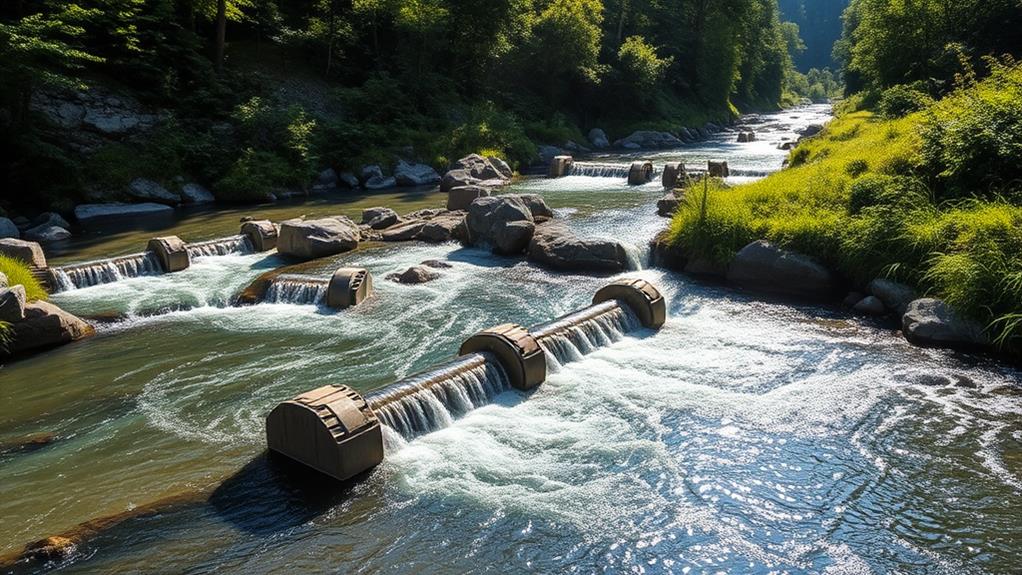
Micro hydropower initiatives tap into low water flow and low head conditions, making them an excellent solution for generating clean energy in various settings like small streams and irrigation canals. These systems typically generate electricity in the range of 5 kW to 100 kW, which is ideal for off-grid applications and rural electrification. Installation costs vary widely by site conditions and civil works required, so it’s worth budgeting carefully — our renewable energy project budget template can help structure those estimates. Importantly, environmental considerations are integral to these projects, as modern designs utilize fish-safe turbines and screening systems to protect aquatic ecosystems. On the financing side, hydropower and marine energy projects currently qualify for the Section 48E investment tax credit at full value for projects that begin construction through 2033 under current federal law, and developers can also explore state-level incentives; our state-by-state incentives guide, while solar-focused, is a useful starting point for understanding how state programs are typically structured.
Frequently Asked Questions
What Is the Most Efficient Hydroelectric Generator?
When we consider turbine efficiency, we see various generator types excel in energy conversion. Kaplan turbines are among the most efficient for low-head sites, with well-optimized units regularly exceeding 90% peak efficiency, while Archimedes screws and cross-flow turbines typically operate in the 70-85% range — each excelling under different head and flow conditions.
What Are the Advantages of Low Head Hydropower?
Low-head hydropower’s advantages are nothing short of revolutionary! With minimal environmental impact, meaningful economic benefits, and the ability to foster community engagement, we can harness clean energy while enriching our local surroundings and forging stronger connections together.
What Is the Smallest Hydroelectric Project?
When we talk about the smallest hydroelectric projects, micro hydropower systems come to mind, generally in the 5 kW to 100 kW range. They’re perfect for small-scale installations, offering community energy solutions that empower us while reaping incredible benefits for both our environment and economy.
What Is the Minimum Head for Micro Hydropower?
Imagine us harnessing energy from a gentle stream; in micro hydropower applications, minimum head considerations often range from about 1 to 4.5 meters, utilizing low-head technologies like Archimedes screws and water vortex plants for efficient generation.
How Much Untapped Low-Head Hydropower Potential Exists in the US?
According to the U.S. Department of Energy, an assessment of roughly 54,000 of the country’s more than 80,000 non-powered dams identified about 12 gigawatts of technical hydropower potential — with the top 100 sites alone capable of contributing around 8 GW. Much of this untapped capacity is well suited to low-head turbine technology like the systems described above.