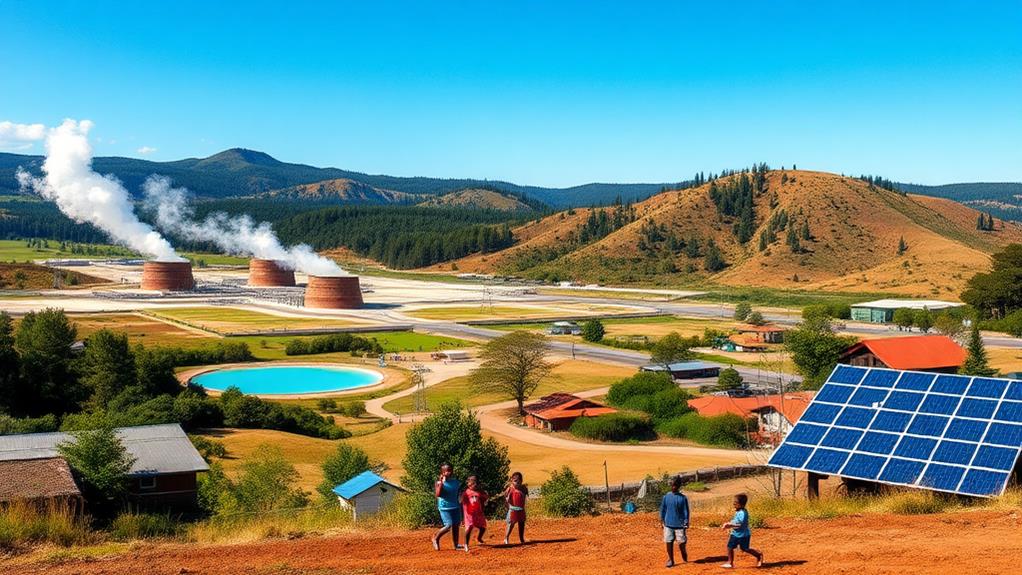
Installing a geothermal heat pump (GHP) system presents numerous advantages, starting with ENERGY STAR-certified models that can use roughly 61% less energy than a standard heating and cooling system, saving homeowners hundreds of dollars a year on utility bills. These systems have long lifespans—underground ground loops can last 50 years or more, with the indoor heat pump components typically lasting 20-25 years—alongside reduced maintenance thanks to fewer moving parts than conventional HVAC equipment. Additionally, GHPs help lower a home’s carbon footprint by reducing reliance on fossil-fuel-based heating and cooling. Homeowners who install a geothermal system before December 31, 2026 can still claim the federal Residential Clean Energy Credit, which the IRS confirms covers 30% of installation costs with no annual dollar cap—though this residential credit is set to expire for systems placed in service after that date under recent federal tax law changes. Insights into system types, costs, and installation will further clarify these benefits.
Key Takeaways
- ENERGY STAR-certified geothermal heat pumps use about 61% less energy than standard HVAC systems, translating into significant annual utility bill savings.
- These systems have a long lifespan, with underground ground loops lasting 50 years or more, ensuring long-term reliability and savings.
- Geothermal heat pumps reduce reliance on fossil fuels for heating and cooling, helping lower a household’s overall carbon footprint.
- Improved indoor air quality is possible through effective filtration and reduced indoor pollutants, supporting a more comfortable home.
- The federal Residential Clean Energy Credit currently covers 30% of geothermal installation costs, but only for systems installed on or before December 31, 2026—verify current eligibility before you buy.
Advantages of Geothermal Heat Pumps
You may be interested
When it comes to heating and cooling our homes, we can’t overlook the advantages of geothermal heat pumps (GHPs). According to ENERGY STAR, certified units use about 61% less energy than standard equipment, which can save a typical household hundreds of dollars annually and thousands of dollars over the system’s lifetime. Because GHPs draw on the stable temperature of the ground rather than burning fuel or relying solely on outdoor air temperature, they also promote an environmentally friendly approach that can meaningfully lower a home’s carbon footprint. With ground loops that can last 50 years or more and heat pump units rated for 20-25 years, GHPs represent a durable, long-term investment. Their fewer moving parts also mean reduced maintenance, quieter operation, and better cost-effectiveness over time. For homeowners comparing financing options, our guide to energy financing options can help put geothermal costs in context alongside other renewable upgrades.
Cost Savings and Efficiency
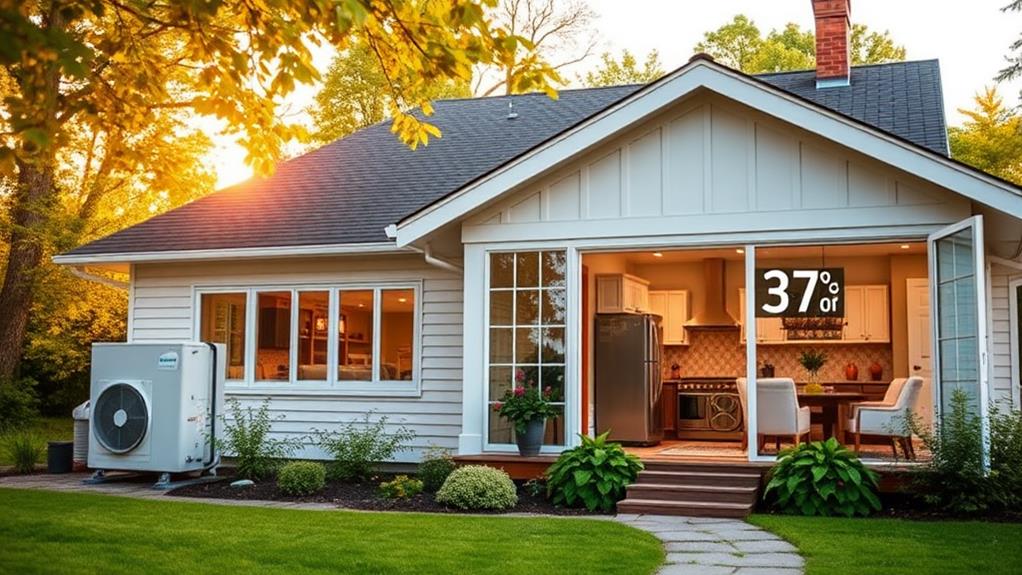
Cost savings and efficiency are among the most appealing benefits of geothermal heat pump systems. ENERGY STAR-certified models are rated as considerably more efficient than baseline federal minimum-efficiency equipment, and the DOE’s Energy Saver program notes that geothermal systems can meaningfully cut heating and cooling costs compared to conventional furnaces and air conditioners. Installation costs for a residential system commonly range from roughly $10,000 to $40,000 depending on system type, drilling depth, and soil conditions, but the long-term savings on energy bills can make the investment worthwhile over the equipment’s multi-decade lifespan. Homeowners can also use resources like energy monitoring devices to track how much a new system is actually saving month to month.
- Lower energy bills compared to standard HVAC equipment
- Payback periods that vary by climate, system size, and installation cost
- A federal tax credit worth 30% of installation costs, available through the end of 2026
Investing in a GHP means embracing a more efficient, sustainable energy solution for the long haul—especially while the current federal incentive remains in place.
Recommended Products

ENERGY STAR CERTIFIED - Cielo Smart Thermostat guarantees you savings on your heating and cooling bills as tested by ENERGY STAR.


Energy Savings - Advanced algorithms optimize heating and cooling cycles, reducing energy consumption and lowering utility bills.
Environmental Benefits
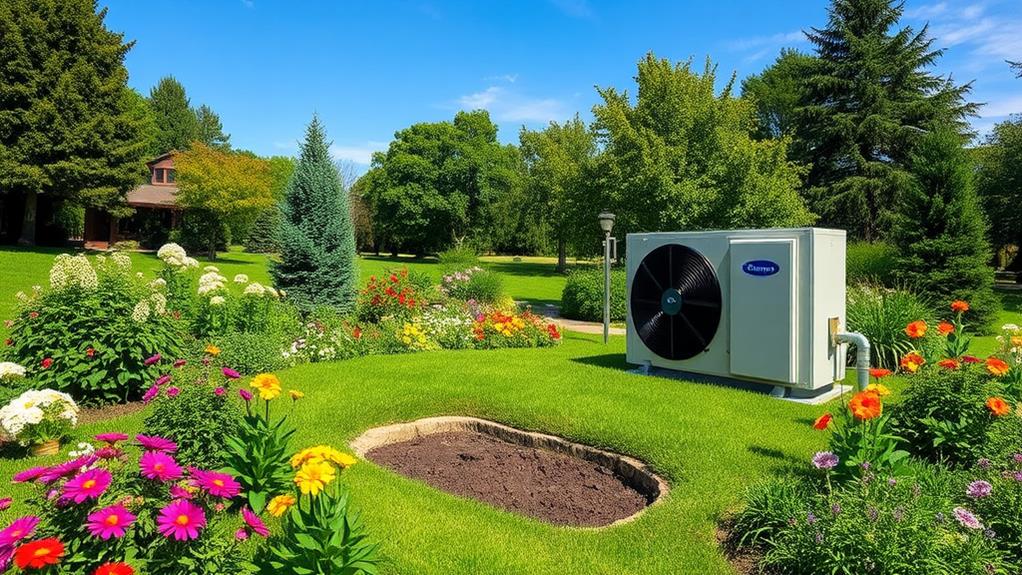
As we explore the environmental benefits of geothermal heat pump systems, it’s worth recognizing their potential to reduce a household’s carbon footprint by displacing fossil-fuel combustion used in traditional furnaces and boilers. By harnessing the earth’s stable underground temperatures, these systems not only support sustainable energy use, but can also improve indoor air quality by reducing reliance on combustion-based heating and the pollutants that come with it. Adopting geothermal technology supports broader energy independence goals while contributing to a cleaner, healthier home environment. Homeowners interested in the bigger picture of clean energy costs versus fossil fuels can review our comparison of green energy and fossil fuel prices.
Reduced Carbon Footprint
While we work toward more sustainable living, geothermal heat pumps (GHPs) stand out as a strong option for reducing a home’s carbon footprint. By leveraging the relatively stable temperature of the earth instead of burning fuel on-site, these systems avoid the direct combustion emissions associated with gas furnaces and boilers. The U.S. Department of Energy’s Geothermal Technologies Office has highlighted geothermal heating and cooling as a key strategy for decarbonizing the buildings sector, since heating and cooling account for a substantial share of U.S. residential energy use.
- Lower energy costs empower more households to act sustainably
- Reduced on-site combustion supports cleaner local air quality
- A shared commitment to renewable energy fosters community-wide progress
GHPs operate by moving heat rather than generating it through combustion, which is what allows them to deliver more usable heating and cooling energy per unit of electricity consumed than conventional systems.
Sustainable Energy Source
One of the most promising aspects of geothermal heat pumps (GHPs) is their ability to serve as a sustainable, renewable-adjacent energy solution that benefits both the environment and household budgets. By tapping into the earth’s stable underground temperatures, GHPs deliver strong energy efficiency—ENERGY STAR notes certified models use about 61% less energy than standard equipment. Because the equipment and loop field occupy a relatively small footprint compared to some other renewable installations, geothermal systems can often be installed with minimal disruption to a property’s landscape. For homeowners weighing geothermal against other renewable options, our cost-benefit analysis of green energy is a useful next read.
| Aspect | Geothermal Heat Pumps |
|---|---|
| Energy Use vs. Standard HVAC | About 61% less energy (ENERGY STAR certified models) |
| Ground Loop Lifespan | 50+ years |
| Indoor Unit Lifespan | 20-25 years |
| Typical Installed Cost | $10,000-$40,000 |
| Federal Tax Credit (through 2026) | 30% of installation cost, no annual cap |
Together, these factors make geothermal an option worth serious consideration for homeowners planning a long-term energy upgrade.
Improved Indoor Air Quality
Building on the sustainability advantages of geothermal heat pumps (GHPs), it’s also worth appreciating their potential impact on indoor air quality. Many GHP installations can be paired with energy recovery ventilators (ERVs) that filter and exchange indoor air while recovering energy that would otherwise be lost, helping reduce allergens and pollutants indoors. The closed-loop systems used by most GHPs also operate quietly, since the compressor and major components are typically located indoors or underground rather than in a noisy outdoor condenser unit.
- Fewer combustion byproducts circulating indoors
- Reduced allergens can support fewer respiratory irritants
- A quieter home environment compared to traditional outdoor HVAC units
Because GHPs don’t burn fuel on-site, they avoid producing indoor combustion pollutants such as carbon monoxide, which conventional gas furnaces can be a source of if improperly maintained. As homeowners adopt these systems, they support a healthier, more comfortable home for their families.
Installation Process Overview
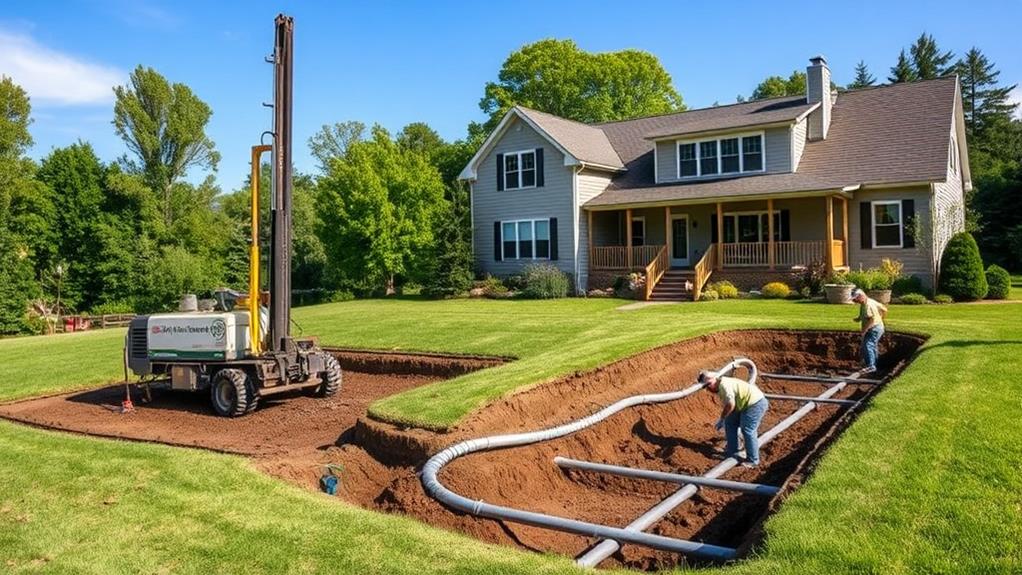
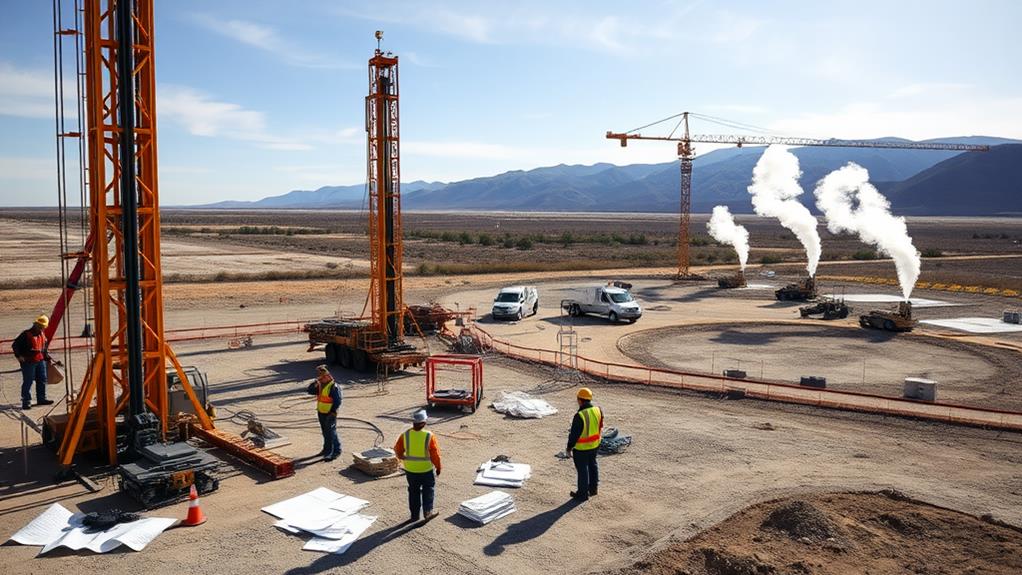
When considering a geothermal heat pump system, the installation process typically begins with a thorough site assessment to evaluate soil conditions, available land, and the most suitable system type—whether a closed-loop, open-loop, or hybrid setup. For horizontal installations, trenches are commonly dug several feet deep, while vertical installations involve drilling boreholes that can range from around 100 to 400 feet deep, depending on land availability and geology. Installation costs generally fall between $10,000 and $40,000 for residential systems, with additional expenses possible for ductwork modifications when retrofitting an existing home. It’s essential to work with a qualified, licensed installer to ensure proper system sizing, code compliance, and long-term efficiency, since the complexity of the loop field and heat pump equipment requires specialized expertise. Homeowners planning a project may also find our renewable energy project budget template helpful for estimating total costs.
Recommended Products


WHOLE HOUSE REPLACEMENT: 20x26x5 air filters for your furnace, air conditioner, or heat pump enhance HVAC system efficiency and support a healthy lifestyle (actual size: 20.00" x 25.88" x 4.88")
Types of Geothermal Systems
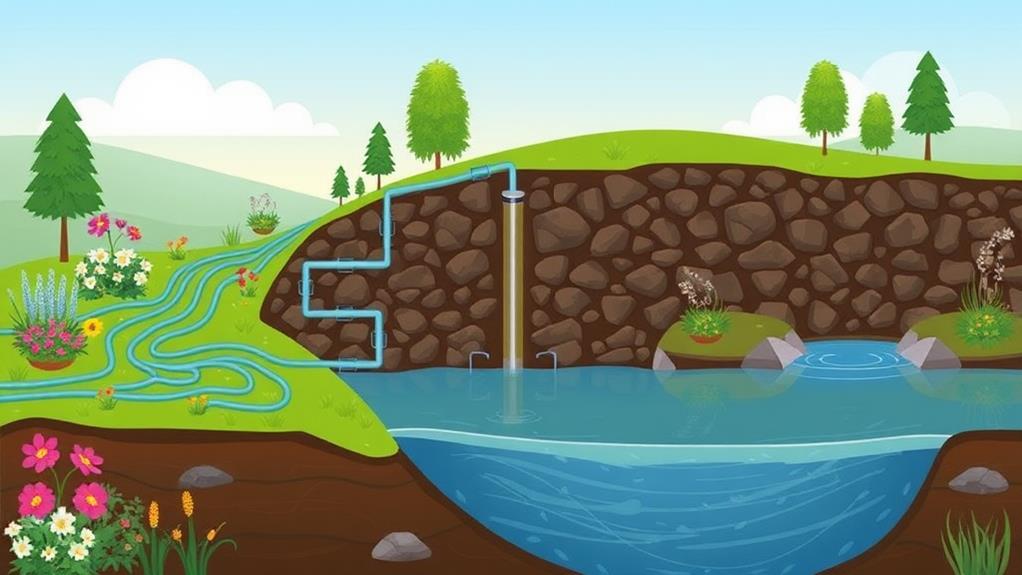
After understanding the installation process, it helps to look at the different types of geothermal heat pump systems available. Each design is built to harness the earth’s stable underground temperatures while accommodating different site conditions.
- Closed-loop systems circulate a water or water-glycol solution through buried tubing, providing efficient, contained heat transfer.
- Open-loop systems draw water from wells or surface bodies, relying on groundwater availability and local regulations to prevent contamination.
- Hybrid systems combine elements of both, offering flexibility based on site-specific conditions and cost constraints.
Horizontal systems generally require more land but can be less expensive to install, while vertical systems are better suited to smaller lots, involving deeper drilling. Pond or lake systems use a nearby body of water for heat exchange, which can be a cost-effective option when the site allows for it.
Recommended Products


Maintenance Requirements
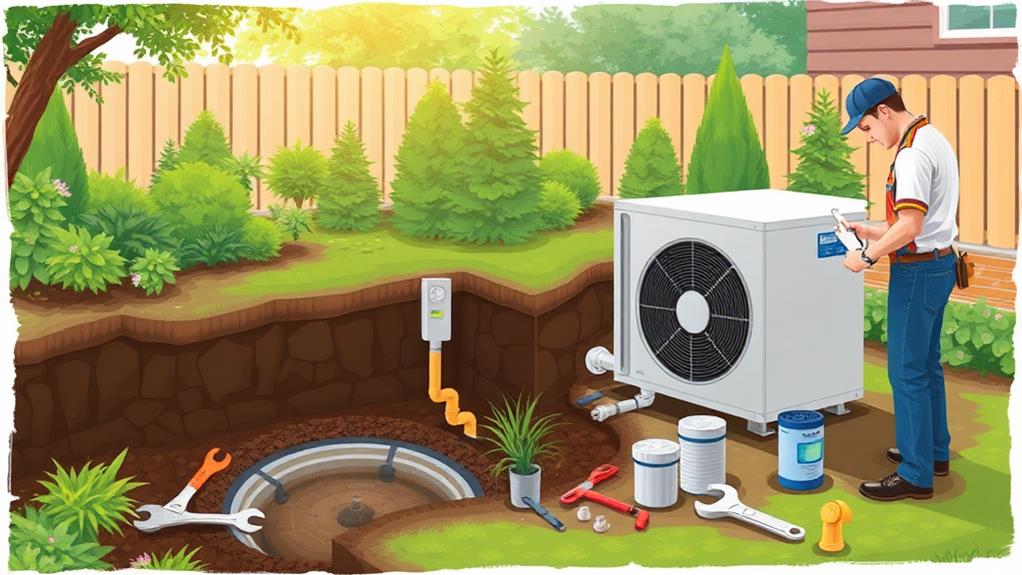
How can homeowners keep their geothermal heat pump systems operating at peak efficiency? Regular maintenance is essential, starting with checking and replacing filters on a routine schedule to maintain proper airflow and system performance. Annual inspections by a qualified technician are highly recommended, allowing homeowners to verify refrigerant levels, check electrical connections, and catch potential issues before they become costly repairs. Because geothermal heat pumps have fewer moving parts than traditional HVAC systems—and no outdoor condenser exposed to the elements—they generally require less maintenance over their lifespan. This can translate into lower long-term costs and support the system’s expected service life of 20-25 years for indoor components and 50-plus years for ground loops. For more detail, see our maintenance tips for renewable energy systems, many of which apply broadly to home energy equipment upkeep.
Recommended Products

UNIVERSAL COMPATIBILITY: 30x36x1 replacement air filters for your furnace, air conditioner, or heat pump enhance HVAC system efficiency and support a healthy lifestyle (actual size: 29.81" x 35.81" x 0.75")

UNIVERSAL COMPATIBILITY: 24x28x2 replacement air filters for your furnace, air conditioner, or heat pump enhance HVAC system efficiency and support a healthy lifestyle (actual size: 23.50" x 27.50" x 1.75")

UNIVERSAL COMPATIBILITY: 30x36x1 replacement air filters for your furnace, air conditioner, or heat pump enhance HVAC system efficiency and support a healthy lifestyle (actual size: 29.81" x 35.81" x 0.75")
Incentives and Rebates
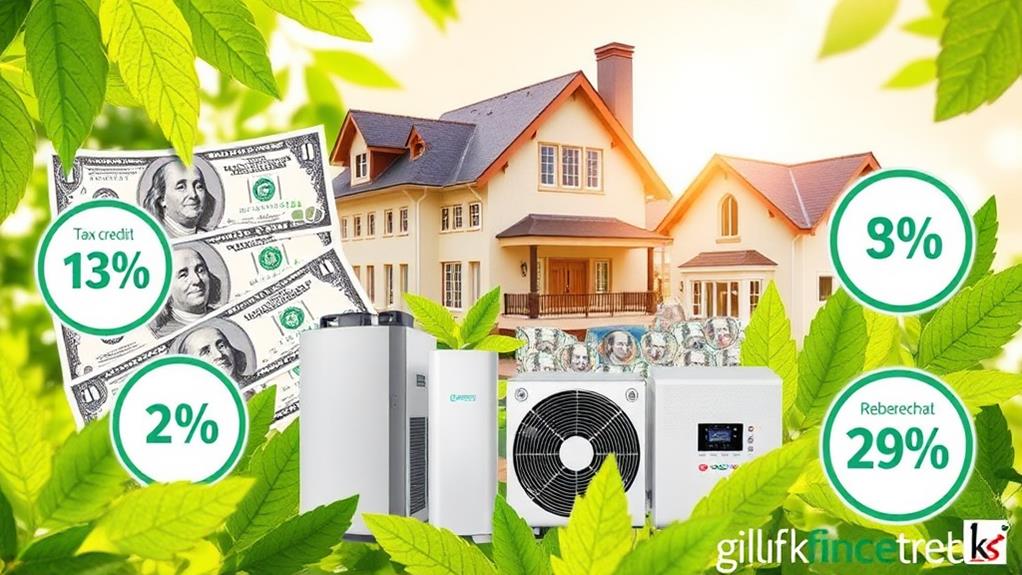
Why should homeowners pay close attention to the financial incentives available for geothermal heat pump systems right now? These incentives can meaningfully reduce the upfront cost of installation, but the landscape is changing. As of this writing, the IRS confirms that the federal Residential Clean Energy Credit covers 30% of geothermal installation costs with no annual dollar cap—but this credit is only available for systems placed in service on or before December 31, 2026, after which it is set to expire for residential installations under recent federal tax legislation. Many states, utilities, and local governments continue to offer additional rebates and low-interest financing programs, so it’s worth checking eligibility in your area before that federal deadline passes. Our state-by-state breakdown of renewable energy incentives is a good starting point, even though it’s framed around solar—many states offer parallel geothermal programs through the same agencies.
- A 30% federal tax credit is available only through the end of 2026 for residential systems
- State and utility rebates can further reduce net installation costs
- Some states and utilities offer low-interest or zero-interest financing for qualifying installations
Long-Term Investment Value
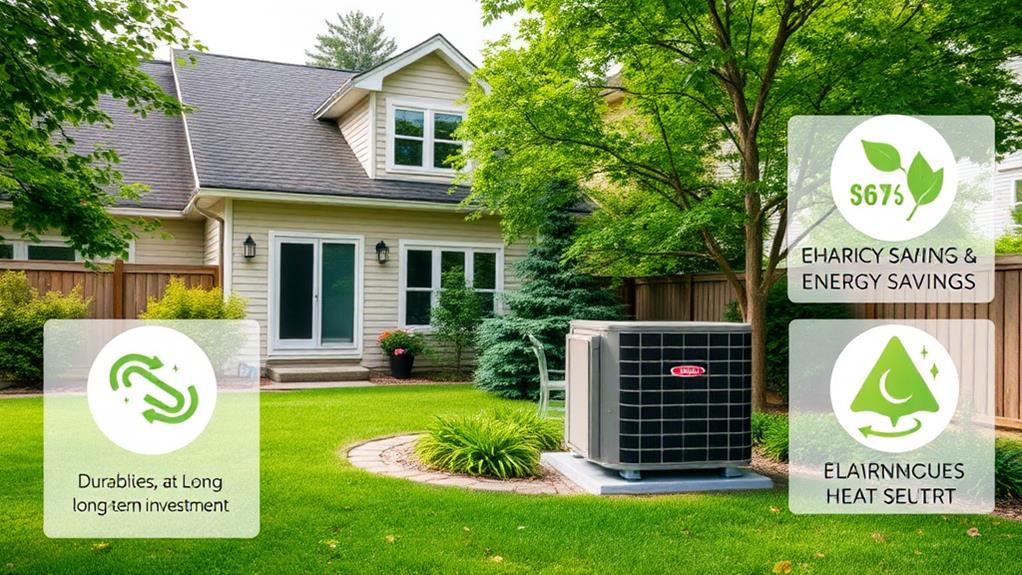
Investing in a geothermal heat pump (GHP) system can be a smart decision for homeowners looking to improve energy efficiency and reduce long-term costs. With ENERGY STAR-certified systems using about 61% less energy than standard equipment, homeowners can realize meaningful long-term savings that help offset the higher upfront installation cost over time. Given the impressive expected lifespan—50-plus years for ground loops and 20-25 years for indoor components—GHPs represent a genuinely durable investment. Acting before the federal tax credit expires at the end of 2026 further strengthens the financial case for many homeowners. Beyond the direct energy savings, geothermal systems can also be an attractive selling point, appealing to eco-conscious buyers in an increasingly energy-aware real estate market. If you’re comparing geothermal to other whole-home renewable investments, our geothermal energy pros and cons guide offers a deeper side-by-side look.
Frequently Asked Questions
Why Should We Use Geothermal Heat Pumps?
Geothermal heat pumps are worth considering for their strong energy efficiency, environmental benefits, and long equipment lifespan. Homeowners can embrace a more sustainable heating and cooling approach while working toward meaningful savings on energy bills over time.
What Is the Downside of Geothermal Heating?
The main drawbacks of geothermal heating are the high upfront installation cost, the complexity of the drilling or trenching process, and the need for adequate yard space or specific site conditions. It’s important to weigh these factors against the long-term efficiency and durability benefits before committing.
Is a Geothermal Heat Pump Worth It?
For many homeowners, yes. With strong energy efficiency, a long service life, and a smaller environmental footprint than combustion-based heating, geothermal can be a smart long-term investment—especially while the 30% federal tax credit remains available through the end of 2026.
What Is the Average Cost to Install a Geothermal Heat Pump?
Installed costs for a residential geothermal heat pump system commonly range from about $10,000 to $40,000, depending on the system type, drilling or trenching requirements, and local soil conditions. The federal tax credit and available state or utility rebates can meaningfully reduce this net cost for systems installed before the end of 2026.
Is the Federal Tax Credit for Geothermal Heat Pumps Still Available?
Yes, but only for a limited time. According to the IRS, the 30% Residential Clean Energy Credit currently applies to geothermal heat pump systems placed in service through December 31, 2026. Under recent federal tax legislation, this residential credit is scheduled to expire after that date, so homeowners considering geothermal should confirm current eligibility and installation timelines with a tax professional or their installer.