The top three solar battery systems for home energy in 2026 are the Bluetti EP900, Tesla Powerwall 3, and SolarEdge Home Battery, each designed to optimize energy storage and utilization. The Bluetti EP900 offers a modular design paired with B500 battery packs, scaling from roughly 9.9 kWh up to 19.8 kWh, backed by a 10-year warranty. The Tesla Powerwall 3 delivers 13.5 kWh of usable capacity with an 89% round-trip efficiency and integrates seamlessly with solar panels. The SolarEdge Home Battery provides a 9.7 kWh system with round-trip efficiency of up to 94.5% via direct DC coupling. It’s also worth noting that the federal residential Section 25D tax credit that used to offset the cost of home batteries has expired for systems installed after December 31, 2026, so understanding these product features alongside the current incentive landscape will help you plan your energy strategy.
Key Takeaways
- Bluetti EP900 offers modular expansion from about 9.9 kWh with additional B500 packs, backed by a 10-year warranty for long-term reliability.
- Tesla Powerwall 3 provides a robust 13.5 kWh usable capacity and up to roughly 11 kW output, ideal for high energy demands and seamless solar integration.
- SolarEdge Home Battery features a 9.7 kWh capacity with efficient DC coupling, delivering up to 94.5% round-trip efficiency.
- All three systems support integration with solar panels, enhancing home energy management and resilience during outages.
- The federal residential clean energy tax credit (Section 25D) expired for systems installed after December 31, 2026, so check current state-level incentives via DSIRE before you buy.
Bluetti EP900 Overview
You may be interested

When it comes to home energy solutions, the Bluetti EP900 stands out with its modular design and expandable capacity options. Paired with a single B500 battery pack, the system provides roughly 9.9 kWh of storage, and you can scale up to 19.8 kWh by adding additional B500 units, giving you flexibility to match storage to your household’s needs. The EP900 carries a 10-year warranty, promoting long-term reliability. With a continuous power output around 9 kW and dual voltage (120V/240V) output, it suits a wide range of backup power applications, from essential circuits to whole-home coverage. Its B500 packs support a 90% depth of discharge, helping you make efficient use of stored energy while protecting the LiFePO4 cells from excessive wear. If you’re weighing this system against a full off-grid setup, it’s worth reviewing off-grid solar system design tips to see how modular battery banks like this one fit into a broader energy plan.
Recommended Products

【Superior Performance】: Lithium iron phosphate battery has high energy density, Long cycle life, Good safety performance, No memory effect, etc. NERMAK LiFePO4 battery has built-in BMS protection to prevent overcharge, Over-discharge, Over-current and short circuit, and excessive low self-discharge rate ensuring up to 1-year maintenance-free storage.
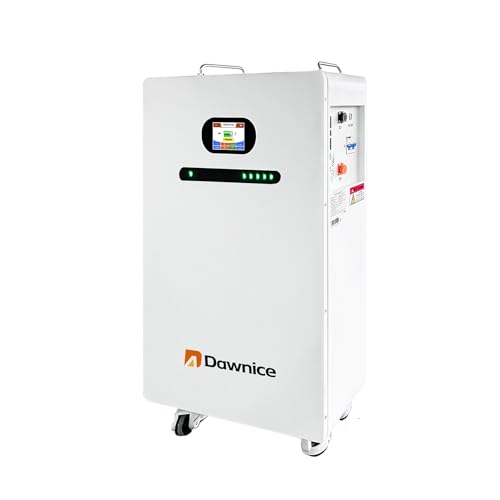
【Grade A battery】Uses Grade A battery, using the latest lithium phosphate battery, It has multiple advantages, including high safety, long cycle life, large current charge and discharge capability, high temperature resistance and small size,Increased to 10years lifetime and 6000+ cycles
Tesla Powerwall 3 Features
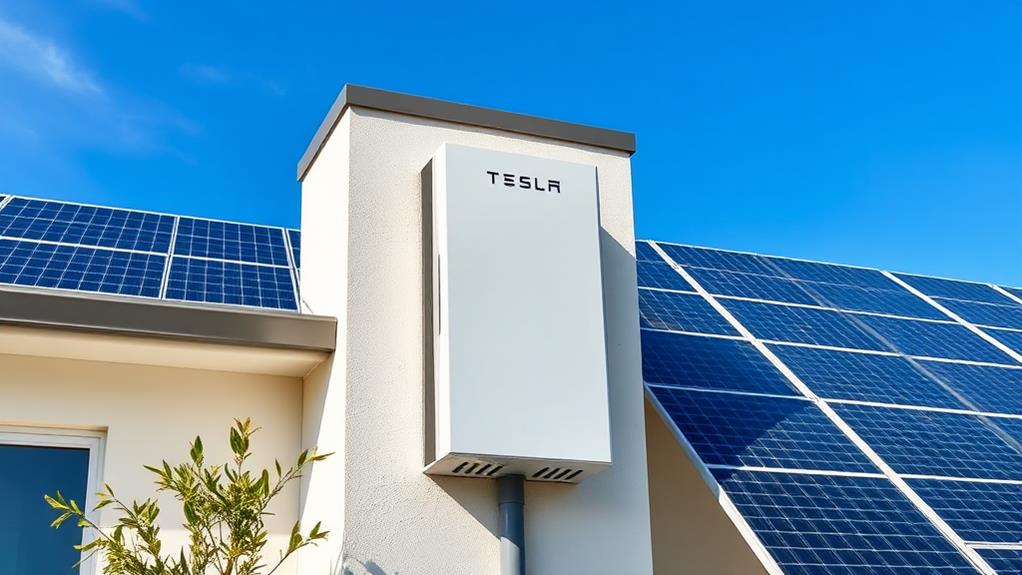
Offering a robust solution for home energy needs, the Tesla Powerwall 3 boasts a usable capacity of 13.5 kWh and nominal AC power output ranging from about 3.68 kW up to roughly 11 kW depending on configuration, with multiple units able to deliver even more combined output. This technology features a round-trip efficiency of 89%, ensuring minimal energy loss during both storage and use. Tesla backs the Powerwall 3 with a 10-year warranty, though maintaining an internet connection is required to keep the full warranty in effect. While a single unit offers limited modularity on its own, up to four Powerwall 3 units can be combined (with expansion units available for additional capacity), and the system integrates directly with solar panels and home energy management apps. If you’re still comparing whether a battery like this pencils out for your home, our cost-benefit analysis of green energy walks through the key variables to weigh.
Recommended Products

【Crystal 2K FHD & 360° Full View】The outdoor camera wireless features 2304 x 1296 pixels, which is four times the resolution of 1080P. It offers a 355° horizontal and 120° vertical rotation range, providing a comprehensive view of your surroundings with Ultra 2K HD live video and images. Advanced color night vision technology allows you to enjoy vivid and accurate colors even under low-light conditions. With the FONDAIL app, you can access the system's live or recorded videos from anywhere at any time


Enhanced Battery Safety: Daly 12V BMS 4S offers protection against overcharging, overdischarging, overcurrent, short circuits and extreme temperature, ensuring the safety and longevity of your battery pack.
SolarEdge Home Battery Insights
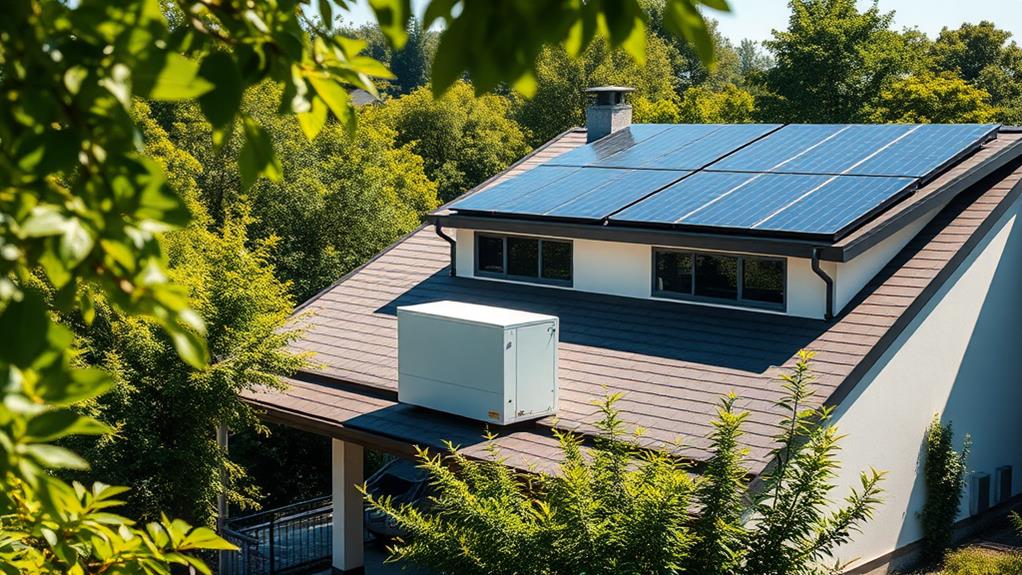
As you explore options for home energy storage, the SolarEdge Home Battery 400V stands out with its 9.7 kWh usable capacity. This system is built for homeowners who already run (or plan to run) a SolarEdge inverter and want maximum charge/discharge efficiency. Its direct DC coupling delivers a round-trip efficiency of up to 94.5%, among the highest published figures for residential batteries, which minimizes energy loss compared to AC-coupled alternatives. The battery is backed by a manufacturer warranty and supports stacking up to three battery units per inverter for households that need more capacity. Pairing a high-efficiency battery like this with a solar energy monitoring device can help you track exactly how much of your efficiency gains are translating into real household savings.
| Feature | Bluetti EP900 (w/ B500) | Tesla Powerwall 3 | SolarEdge Home Battery |
|---|---|---|---|
| Usable Capacity | ~9.9 kWh (expandable to 19.8 kWh) | 13.5 kWh | 9.7 kWh |
| Power Output | ~9 kW continuous | 3.68–11 kW nominal AC | Stackable, up to 3 units per inverter |
| Round-Trip Efficiency | Not independently published | 89% | Up to 94.5% |
| Depth of Discharge | 90% | Not independently published | High (DC-coupled design) |
| Warranty | 10 years | 10 years (internet connection required) | 10 years |
All three systems can integrate with new or existing solar panel arrays, but the right fit depends on whether you prioritize raw capacity (Powerwall 3), efficiency and SolarEdge ecosystem compatibility (SolarEdge Home Battery), or modular scalability (Bluetti EP900). Before you commit to a system size, it’s worth reviewing what residential solar panel installation typically costs, since battery storage is usually sized around your existing or planned solar array.
Tax Credits and Incentives to Know Before You Buy
Pricing and payback timelines for home batteries changed significantly heading into 2026. The federal residential Clean Energy Credit under Section 25D, which previously covered 30% of the cost of a qualifying home battery (3 kWh or larger) when installed with a home, has been terminated for systems placed in service after December 31, 2026, under the One Big Beautiful Bill Act. Homeowners installing a battery system now generally cannot claim this federal credit. Separately, the Section 48E investment tax credit, which applies to commercial and utility-scale storage projects, remains available, but developers must begin construction by July 4, 2026, or place the project in service by December 31, 2027, to qualify. Because federal incentives for homeowners have narrowed, it’s worth checking DSIRE’s database of state and utility incentives and reviewing our guide to solar energy incentives by state to see what local rebates, net metering rules, or utility programs might still reduce your upfront cost.
Recommended Products

🌍Solar Power Bank Generator with Panel Included: ZeroKor solar generator kit includes a 100W portable camping lithium-ion battery pack and a 40W foldable solar panel. As an outdoor AC power bank, it is an ideal necessity for outdoor activities, hurricanes and home emergency power outage, so you will never worry about sudden power failure to delay your activities (Tips:Using electrical appliances over 100W may damage the portable battery generator, especially some devices that are prone to heat or built-in air compressor such as coffee maker,Hair dryer, water pump etc )


【High-Efficiency N-Type Technology】SUNGOLDPOWER 440W N-Type solar panels deliver superior performance with advanced N-Type cells and a 16-busbar (16BB) design. Achieving up to 22.5% module efficiency, they provide higher power output, improved reliability, and excellent performance in low-light conditions.
Frequently Asked Questions
What Type of Battery Is Best for a Home Solar System?
For your home’s solar system, lithium iron phosphate (LiFePO4) and other lithium-ion chemistries offer far better energy density and cycle life than older lead-acid batteries. You’ll get fewer maintenance requirements, better temperature tolerance, and higher usable depth of discharge, which enhances both energy independence and long-term efficiency.
Which Company Makes the Best Solar Battery?
There isn’t a single “best” brand for every household — it depends on your priorities. Compare round-trip efficiency, warranty length, capacity, and compatibility with your existing (or planned) solar inverter. Reading verified customer reviews and checking manufacturer datasheets directly can help you separate marketing claims from real-world performance.
How Many Solar Batteries Are Needed to Power a House?
The number of batteries you need depends on your household’s daily energy use and how much backup runtime you want. Many homeowners start with a single 9–14 kWh unit to cover essential circuits during an outage, then add modular units (where supported, like the Bluetti EP900) if they want whole-home backup or longer autonomy.
Do Home Batteries Still Qualify for Federal Tax Credits in 2026?
No. The 30% federal residential tax credit under Section 25D expired for systems installed after December 31, 2026. Homeowners should check state and utility-level incentives instead, since some of those programs remain active even though the federal residential credit has ended.
Which Type of Solar System Is Best for Home?
The right system depends on your goals: grid-tied systems with battery backup maximize savings and resilience for most homeowners, while fully off-grid systems suit remote properties. Compare solar efficiency, system compatibility with your chosen battery, upfront costs, and any remaining state or utility incentives before deciding.