To maximize energy savings in your home, consider ENERGY STAR-certified appliances, which are independently verified to reduce electricity and water consumption compared to standard models. ENERGY STAR refrigerators, for instance, are about 9% more energy efficient than models that just meet the federal minimum standard, and replacing a fridge that’s over 15 years old can cut roughly $95 a year off your running costs. ENERGY STAR dishwashers cost about $50 a year to run and can save around $3,300 versus handwashing over the product’s lifetime. ENERGY STAR clothes washers use about 20% less energy and 30% less water than regular washers, saving around $530 in energy costs over the product’s lifetime. Incorporating these appliances not only minimizes utility expenses but also lowers your carbon footprint considerably. Further insights on optimizing efficiency await you.
Key Takeaways
- ENERGY STAR-certified refrigerators are about 9% more efficient than baseline models, while ENERGY STAR clothes washers cut energy use by roughly 20% and water use by roughly 30%.
- ENERGY STAR dishwashers cost about $50 a year to operate and can save close to $3,300 versus handwashing over their lifetime.
- Induction ranges are up to 10% more efficient than smooth-top electric ranges and up to three times more efficient than gas, according to the U.S. Department of Energy.
- ENERGY STAR electric cooking products are 18% more efficient on average than standard models, and heat pump clothes dryers use around 70% less energy than conventional dryers.
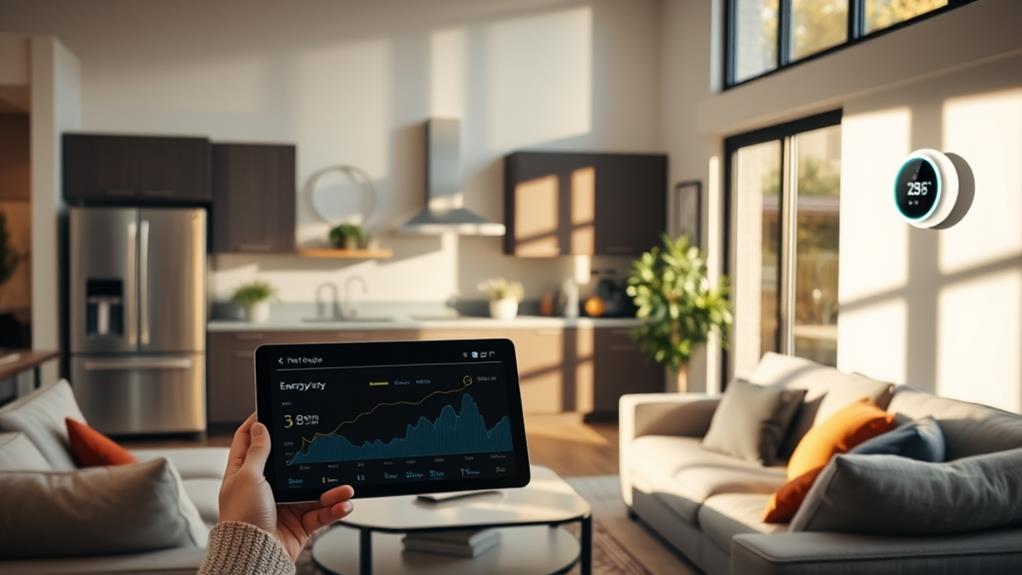
- Using energy-efficient appliances lowers utility bills and reduces environmental impact, and pairing them with home energy monitoring helps you track the real-world savings.
Energy-Efficient Refrigerators
You may be interested

Energy-efficient refrigerators are often a wise choice for homeowners looking to cut down on electricity bills. According to ENERGY STAR, certified refrigerators are about 9% more energy efficient than models that only meet the federal minimum efficiency standard, and swapping in a new certified model can save you roughly $150 over the product’s 12-year lifetime. If your current unit is over 15 years old, it could be costing you about $95 more per year to run than a new ENERGY STAR model, making upgrading worthwhile. Top-freezer and bottom-freezer designs typically consume less energy than side-by-sides or French-door styles. Be mindful, though: features like automatic icemakers and through-the-door dispensers add to energy consumption. Checking the yellow EnergyGuide label on any model gives you the actual estimated annual operating cost so you can compare units side by side before you buy.
Recommended Products

Compact & Space-Saving-Midea WHS-65LB1 mini fridge with 18.6*17.7*19.4 inches(W*D*H) measurement and 1.6 cu.ft refrigerator capacity is a perfect size to keep all your favorite beverage cool, fruit or other food fresh, while taking up minimal space in your garage, apartment, dorm, or kitchen.

Compact and Stylish: Available in 4 fun color options, our space saving mini refrigerator with sleek, modern design is perfect for dorm rooms, home offices, garages, home bars, apartments and more
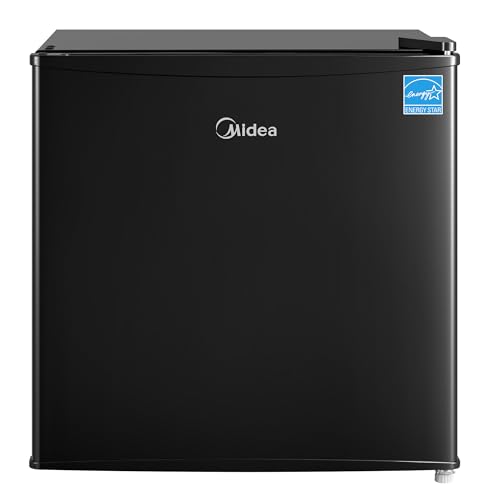
Space-Saving Design: 1.7 Cu Ft mini fridge offers efficient storage for snacks, beverages, and fresh food without taking up much space — perfect for dorms, offices, bedrooms, and apartments.
Energy-Efficient Dishwashers
When it comes to conserving both water and electricity, modern dishwashers are a smart investment for any household. According to ENERGY STAR, a certified dishwasher uses less than half as much energy as washing dishes by hand and saves about 5,800 gallons of water over its lifetime compared with older, inefficient units. Running an ENERGY STAR dishwasher costs roughly $50 a year on average, and compared with handwashing, households can save around $220 a year — about $3,300 over the appliance’s lifetime — while using about 8,400 fewer gallons of water annually. Look for models with efficient wash-cycle sensors and soil sensors, which further reduce water and energy use by only running as long as a load actually needs, enhancing your home’s sustainability.
Recommended Products

Slimline Design with Large Capacity : The Midea built-in dishwasher boasts a slim body that takes up minimal space and is easy to fit. It features a digital control panel with an LED display and has been thoughtfully designed to accommodate larger plates, pots, and pans up to 11 inches in height.

Spacious Capacity: Our built in dishwasher offers a 14-place setting capacity with a tall tub design, ideal for accommodating larger loads. Ensures efficient washing for all your dishware with ease
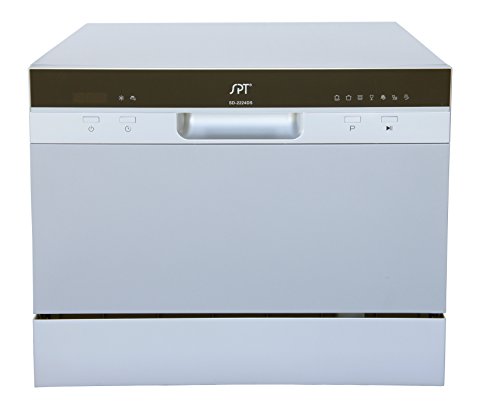
7 wash cycles: Heavy, normal, light, mini party, rinse, speed and soak
Energy-Efficient Clothes Washers
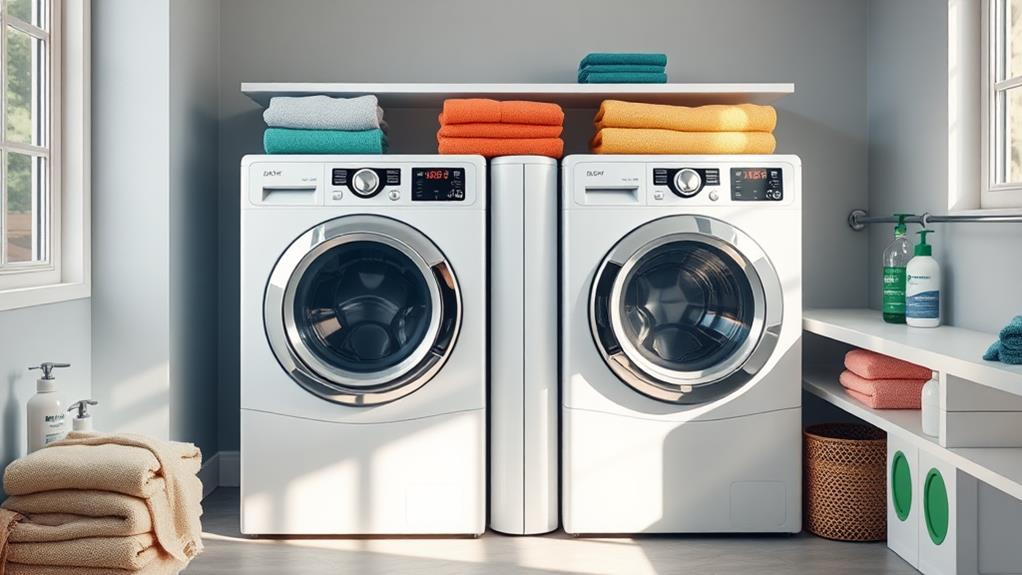
Washing clothes is another area where you can make a significant impact on your utility bills and the environment. According to ENERGY STAR, certified clothes washers use about 20% less energy and 30% less water than regular washers, and full-sized certified models use around 14 gallons per load versus about 20 gallons for standard machines. Front-load ENERGY STAR washers can push savings even further, using roughly 50% less energy and water than traditional top-load agitator machines. Over the lifetime of the product, ENERGY STAR-certified washers can save about $530 in energy costs. Many models also offer multiple wash-cycle options, letting you fine-tune water temperature and cycle length to match your actual laundry needs.
| Feature | Benefits |
|---|---|
| ENERGY STAR Certification | ~20% less energy, ~30% less water than standard washers |
| Front-Load Design | Up to ~50% less energy and water vs. top-load agitators |
| Multiple Wash-Cycle Options | Customizable energy and water use per load |
Recommended Products

More Laundry, Less Time: Our high-efficiency front load washer features Express Wash to clean small loads in just 25 minutes (based on a 3-lb load, express cycle), and Accela Wash to clean full-size loads up to 26% faster (compared to using a standard 8-lb load, normal cycle, warm wash temp, extra heavy soil setting) - so you spend less time doing laundry

Spacious Capacity: The 4.5 cu. ft. capacity of this washer machine provides ample space for large laundry loads, making it ideal for daily use in homes and for large families

More Laundry, Less Time: Our high-efficiency front load washer features Express Wash to clean small loads in just 25 minutes (based on a 3-lb load, express cycle), and Accela Wash to clean full-size loads up to 26% faster (compared to using a standard 8-lb load, normal cycle, warm wash temp, extra heavy soil setting) - so you spend less time doing laundry
Energy-Efficient Clothes Dryers
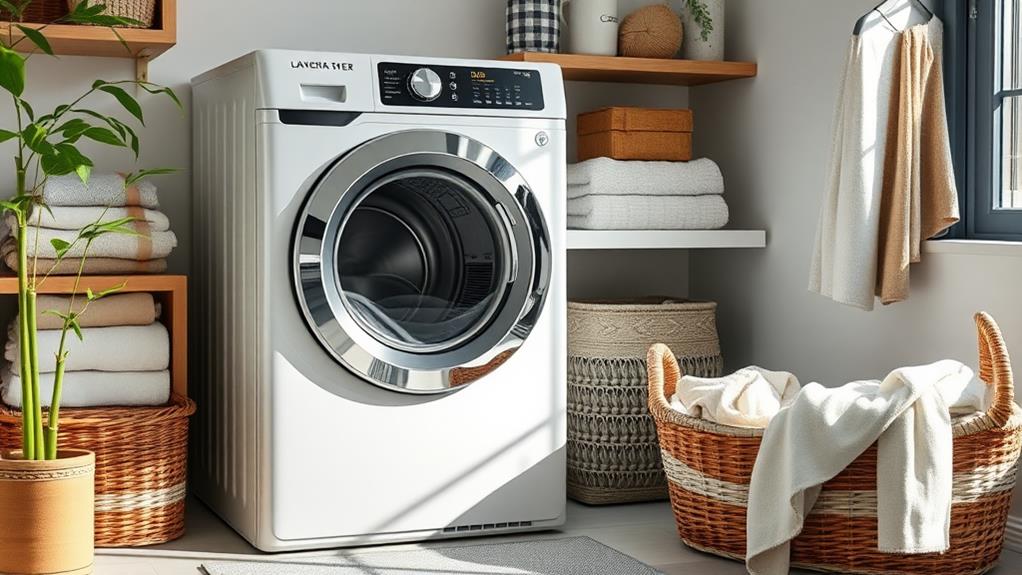
Selecting an energy-efficient clothes dryer can make a noticeable difference in your energy bills and environmental impact. According to ENERGY STAR, a full-size electric certified dryer can save approximately $210 in energy bills over the life of the product compared with a standard model. The biggest leap in efficiency comes from heat pump dryers, which use around 70% less energy than conventional clothes dryers by recirculating and reusing heat instead of venting it outside. Many certified dryers, heat pump or otherwise, include moisture sensors that automatically end the cycle once clothes are dry, preventing over-drying and wasted energy. If every dryer sold in the U.S. were ENERGY STAR certified, the EPA estimates Americans could collectively save more than $1.5 billion a year in utility costs.
Recommended Products

ALL-IN-ONE WASHER + DRYER: AI Laundry Combo washes and dries clothes in one machine without transferring loads. Easy installation with a 120V standard outlet. No dryer vent exhaust system needed.

Fit for Miele Dryer Plinth Filter Parts: This 9164761 plinth filter fit for Miele T1 heat pump dryers,fit for all T1 heat pump tumble dryers models: TMB540WP TKS850WP TKG840WP TKS650WP TKB150WP TKG450WP TCJ680WP TCE520WP TCE620WP TCE730WP TCF630WP TDB130WP TDD130WP TKB140WP TKB155WP TKB350WP TKB550WP TKC550WP TKG440WP TKG540WP TKG650WP TKL650WP TKR450WP TKR650WP TMR840WP TMV840WP TWE620WP TWE720WP TWF620WP

Scope of application: For all Miele T1 heat pump tumble dryer filter replacement.alternative product model: 12551630, 10035635, 09164761;
Energy-Efficient Ranges
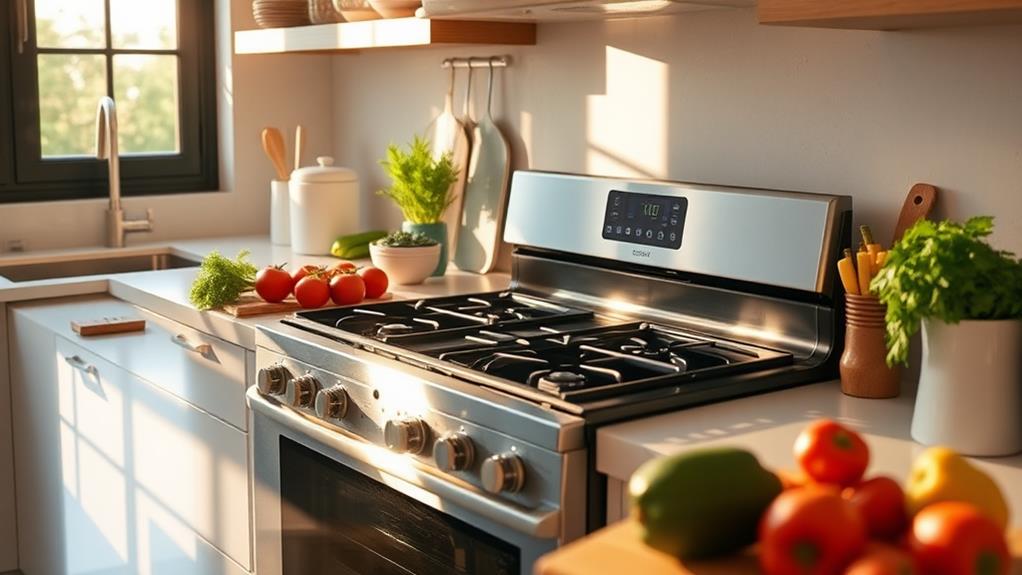
Looking to upgrade your kitchen? Consider investing in energy-efficient ranges that can meaningfully reduce your energy consumption. According to the U.S. Department of Energy, induction ranges are up to 10% more efficient than conventional smooth-top electric ranges and up to three times more efficient than gas burners, because they heat the cookware directly instead of radiating heat into the air. ENERGY STAR-certified electric cooking products overall are about 18% more efficient on average than standard models, and choosing one can save roughly $385 over the appliance’s lifetime. On induction cooktops specifically, around 85% of the generated energy transfers directly into the cookware, compared with roughly one-third for gas. By choosing these energy-efficient appliances, you’ll not only lower your household energy bills but also create a more sustainable kitchen environment.
Energy-Efficient Countertop Appliances
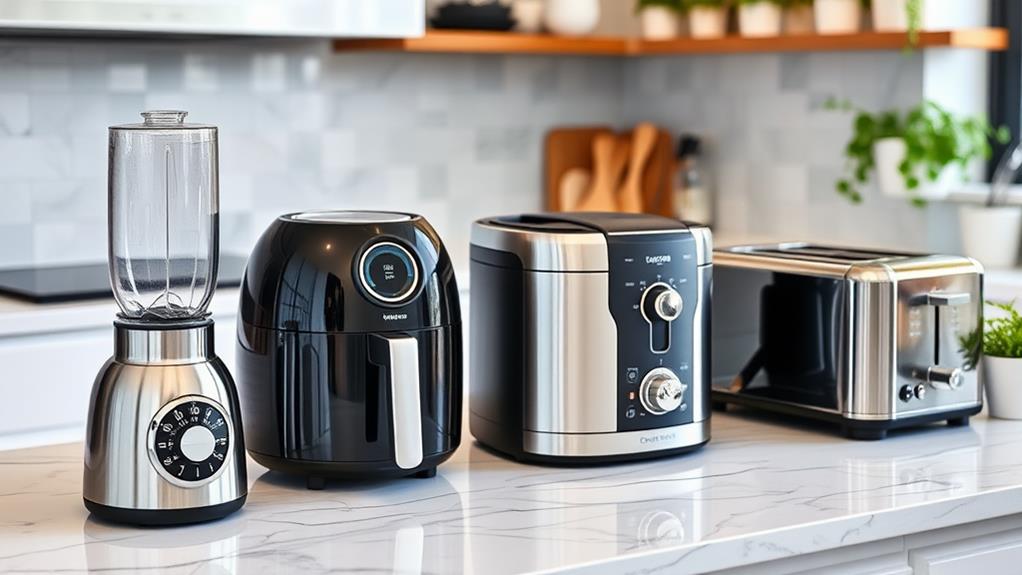
When you’re looking to optimize energy efficiency in your kitchen, energy-efficient countertop appliances are worth a closer look. Smaller-format cooking technologies, like compact microwaves and air-frying toaster ovens, can meaningfully reduce energy consumption compared to heating up a full-size oven, simply because they heat a smaller volume of space for a shorter time. By integrating versatile cooking options such as slow cookers, multi-cookers, and induction-based countertop burners, you not only speed up meal preparation but also contribute to lower household energy costs and a smaller carbon footprint.
Advanced Cooking Technologies
In today’s eco-conscious world, embracing advanced cooking technologies can help reduce your energy consumption while still delivering great results. Compact microwaves, typically operating between 600 and 1,200 watts, use markedly less electricity per use than heating a full-size oven for the same task, since they cook food directly rather than heating the surrounding air. Air-frying toaster ovens deliver crispy results with shorter cook times, consuming considerably less energy than preheating and running a full conventional oven. Slow cookers and multi-cookers are similarly designed to sip energy over long cook times rather than drawing the higher wattage a stovetop or full oven requires. By integrating these energy-efficient countertop appliances into your kitchen, you’ll realize meaningful long-term savings on electricity bills without sacrificing cooking performance or quality.
Energy Consumption Comparison
Selecting energy-efficient countertop appliances can make a notable difference in your home’s overall energy consumption. For instance, ENERGY STAR-certified electric cooking products are about 18% more efficient on average than standard models, and induction-based countertop units transfer roughly 85% of their energy directly into cookware, versus about a third for gas. Air-frying toaster ovens deliver quicker cooking times while consuming less energy than firing up a full-size conventional oven. Slow cookers and multi-cookers further enhance energy efficiency by operating at lower wattage over longer periods rather than drawing a stovetop’s higher peak power. By incorporating advanced small-appliance technology, these energy-efficient appliances contribute to a meaningful reduction in your household’s energy consumption, leading to real long-term savings and a smaller ecological footprint.
Versatile Cooking Options
A wide range of energy-efficient countertop appliances can transform your cooking routine by offering versatile options that save both time and energy. Compact microwaves, in particular, use considerably less electricity per task than a full-size oven, making them an excellent choice for quick meals and reheating. Air-frying toaster ovens not only cook food faster but also achieve crispy results while consuming less energy than a preheated conventional oven. In addition, slow cookers and multi-cookers are designed to operate efficiently over extended periods, drawing far less power than a stovetop burner. These advanced features in energy-efficient appliances promote convenience and sustainability, allowing you to enjoy diverse cooking methods without sacrificing efficiency, ultimately empowering you to make informed choices in your kitchen.
Energy-Efficient Heating and Cooling
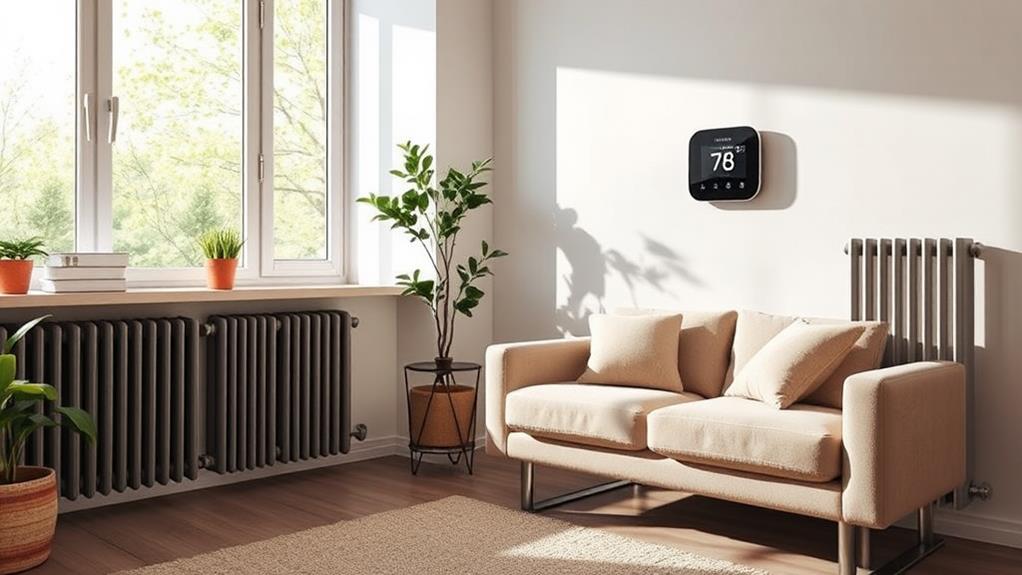
Energy efficiency is a crucial aspect of modern home comfort, especially when it comes to heating and cooling systems, which the U.S. Department of Energy notes typically account for close to half of a household’s total energy bill. By opting for energy-efficient heating and cooling options, you can meaningfully reduce your energy consumption and improve overall home comfort. Consider these key components:
- ENERGY STAR-rated HVAC Units: Certified systems are built and independently verified to outperform baseline federal efficiency standards, translating into lower utility bills over the equipment’s lifetime.
- Smart Thermostats: ENERGY STAR-certified smart thermostats are independently field-tested to deliver verified energy savings by learning your schedule and automatically adjusting the temperature when you’re away or asleep.
- Proper Insulation: Well-sealed ducts and adequate insulation reduce the energy wasted before conditioned air ever reaches your living space.
Regular maintenance, including filter changes and inspections — covered in more detail in our home maintenance tips — also helps guarantee peak performance, extending equipment lifespan and maximizing energy savings in your home.
Recommended Products

PRIVACY PROTECTION*: Sensi won’t sell your personal information to third parties
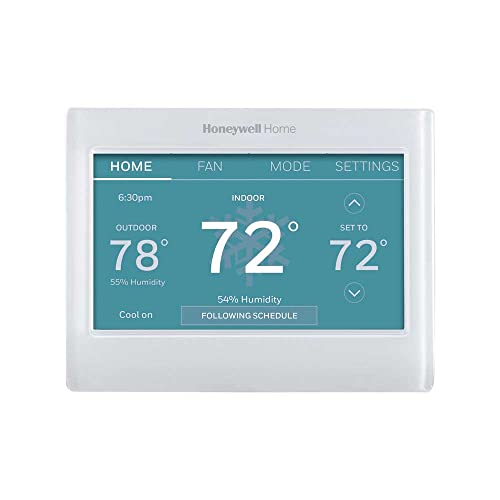
ENERGY STAR certified to help save energy, track your heating and cooling and send personalized tips on reducing energy use..Includes : Thermostat, Wall Plate, Screws, Anchors, Quick Start Guide, Thermostat ID Card, Wire Labels, User Guide

EASY DIY INSTALLATION: Do it yourself fast with a built-in level and simple step-by-step instructions. Works with the HVAC equipment found in most homes
Benefits of Energy Efficiency
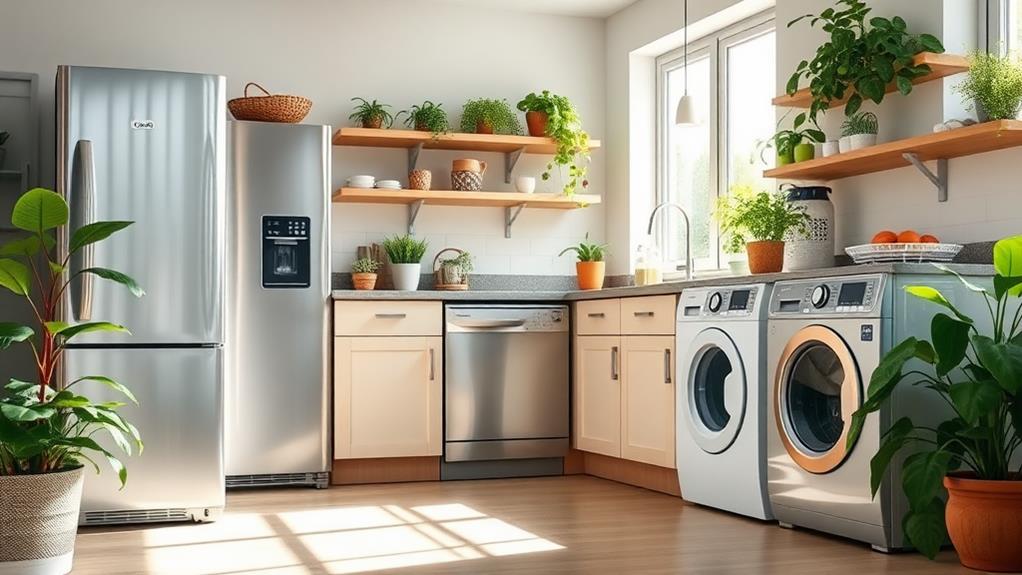
When you choose ENERGY STAR-certified appliances, you’re not just making a smart financial decision; you’re actively contributing to a reduction in your household’s utility bills over the appliance’s lifetime. These appliances also play an essential role in minimizing your environmental impact, as they typically consume less energy and water, thereby lowering your carbon footprint and supporting broader sustainability efforts. Additionally, many energy-efficient models are designed with durable components, ensuring that your investment pays off not just in immediate savings, but also in the reliability and performance of your appliances.
Lower Utility Bills
By investing in ENERGY STAR-certified appliances, you can meaningfully lower your utility bills while contributing to a more sustainable home. These appliances not only deliver performance but also documented savings. Here’s how:
- ENERGY STAR-certified refrigerators can save about $150 over a 12-year lifetime, while certified clothes washers can save roughly $530 over their lifetime, according to ENERGY STAR.
- Certified dishwashers cost about $50 a year to run and can save around $3,300 versus handwashing over the appliance’s life.
- Full-size electric ENERGY STAR clothes dryers can save about $210 over their lifetime, and heat pump dryer models use around 70% less energy than conventional dryers.
Incorporating these technologies into your home allows you to enjoy modern conveniences while effectively lowering utility bills — you can estimate whole-home savings further with resources like our cost-benefit analysis of green energy upgrades, making your living space more efficient and cost-effective in the long run.
Environmental Impact Reduction
The shift towards energy-efficient appliances not only enhances your home’s comfort but also plays an essential role in reducing environmental impact. Because ENERGY STAR-certified appliances draw less electricity and water over their lifetimes, they help decrease the greenhouse gas emissions associated with electricity generation. For homeowners pairing efficient appliances with on-site generation, resources like our guide to residential solar panel installation costs can help you plan a broader home-efficiency strategy.
| Appliance Type | Environmental Benefit |
|---|---|
| ENERGY STAR Dishwashers | Saves about 5,800 gallons of water over the product’s lifetime |
| ENERGY STAR Refrigerators | About 9% more efficient than baseline federal standard models |
| ENERGY STAR Clothes Washers | ~20% less energy, ~30% less water than regular washers |
| Heat Pump Clothes Dryers | ~70% less energy than conventional dryers |
Incorporating these appliances into your home not only promotes sustainable energy use but also supports broader efforts to reduce reliance on fossil-fuel-generated electricity.
Enhanced Appliance Longevity
Energy-efficient appliances not only contribute to environmental sustainability but also offer considerable benefits regarding longevity. By investing in these models, you can enjoy enhanced appliance longevity, which translates to fewer replacements and repairs. Here are three key reasons why:
- Durability: ENERGY STAR certified appliances must meet independently verified performance and quality criteria, helping ensure they withstand everyday wear and tear.
- Lower Operational Stress: These appliances typically operate under reduced energy loads, which can help minimize strain on components and prolong their lifespan.
- Maintenance Features: Many energy-efficient models come with user-friendly maintenance options, allowing for easier upkeep and further extending their functional life.
Ultimately, choosing energy-efficient appliances means you’re investing in reliability, cutting costs, and reducing the likelihood of breakdowns, which can meaningfully improve your home experience.
Frequently Asked Questions
Which Type of Appliance Is Most Energy-Efficient?
Among common household appliances, ENERGY STAR-certified refrigerators, clothes washers, and dishwashers consistently rank among the biggest efficiency gainers, since each is independently tested against a federal baseline. Pairing certified appliances with smart home technology, like a learning thermostat, helps you get the most out of every upgrade.
What Appliance Uses the Least Electricity?
Compact countertop appliances like microwaves and toaster ovens generally use far less electricity per task than heating a full-size oven, since they heat a smaller space for a shorter time. When comparing appliances, checking the EnergyGuide label lets you see estimated annual operating costs side by side before you buy.
What Is the Best Cooking Appliance to Save Energy?
If you’re looking to save energy while cooking, consider induction cooktops. According to the U.S. Department of Energy, induction ranges are up to 10% more efficient than smooth-top electric ranges and up to three times more efficient than gas, heating cookware quickly while using less power overall.
Which Appliances Waste the Most Energy?
Older refrigerators, dishwashers, and clothes dryers — especially units more than 10-15 years old — tend to waste the most energy, since they predate today’s efficiency standards. Upgrading to ENERGY STAR-certified models is one of the most reliable ways to cut that waste and lower your utility bills.