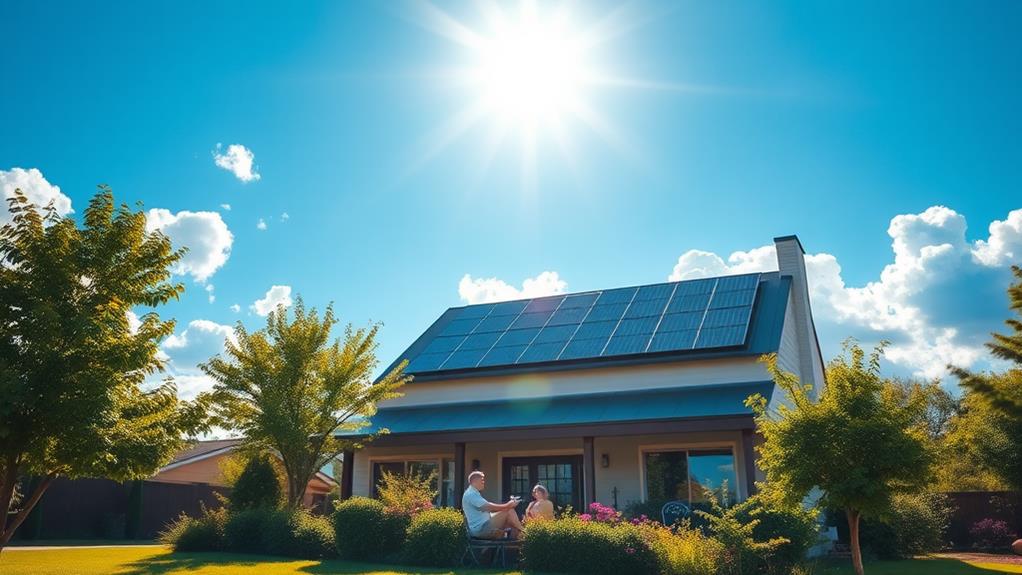
Switching to home renewable energy typically requires a significant initial investment, such as an average of roughly $16,000 to $18,000 for a 6 kW solar photovoltaic (PV) system before incentives, based on 2026 marketplace pricing. Wind energy systems vary widely, with installation costs ranging from $10,000 to $70,000, while residential geothermal systems typically run $15,000 to $40,000 or more. Note that the federal residential solar tax credit (Section 25D) was 30% but, per the One Big Beautiful Bill Act, it expired for systems installed after December 31, 2026 — homeowners installing today can no longer claim it, though state, local, and utility incentives may still apply. Long-term, geothermal systems can cut heating and cooling energy use by up to 50% compared to conventional HVAC, and solar system payback periods generally run under ten years depending on your local electricity rates and any remaining state incentives. Further insights into potential savings await your attention.
Key Takeaways
- A 6 kW solar panel system costs roughly $16,000-$18,000 before incentives, or about $2.68-$3 per watt installed.
- The 30% federal residential solar tax credit (Section 25D) expired for systems installed after December 31, 2026 under the One Big Beautiful Bill Act — check state and local incentives for what’s still available.
- Wind system installation costs range from $10,000 to $70,000, depending on system size and capacity.
- Residential geothermal heat pump systems cost between $15,000 and $40,000+, and can reduce heating and cooling energy use by up to 50%.
- Geothermal systems typically pay for themselves in 10-15 years through energy savings, per the U.S. Department of Energy.
Understanding Initial Investment
You may be interested
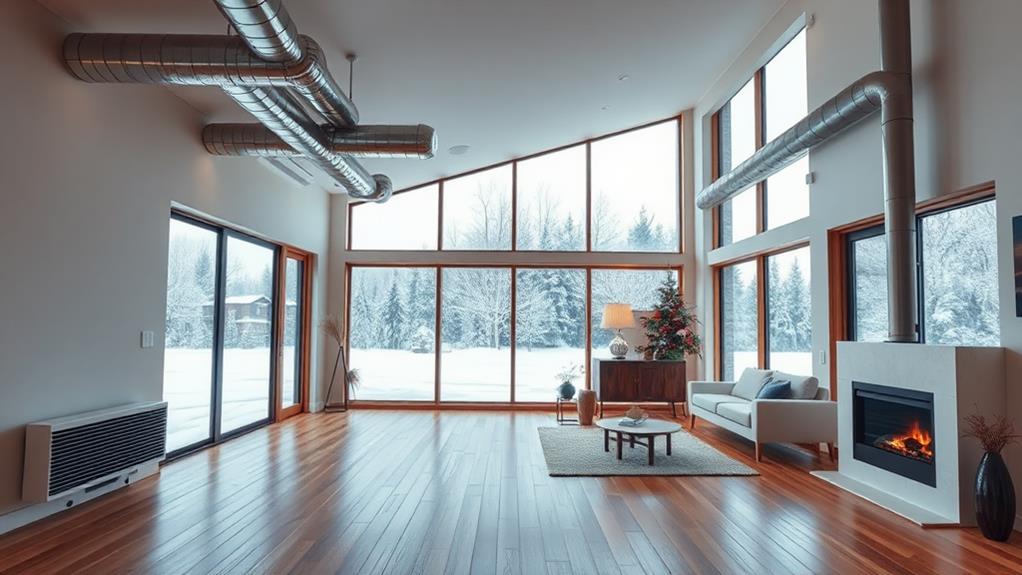

Understanding the initial investment in renewable energy can feel intimidating, but it’s essential for making informed decisions. When considering solar panels, the average upfront cost for a 6 kW system runs roughly $16,000-$18,000 before any incentives. Importantly, the 30% federal residential solar tax credit under Section 25D expired for systems installed after December 31, 2026, so homeowners installing new systems now should budget for the full upfront cost unless they qualify for state, local, or utility-level programs. For wind systems, the installation costs can vary widely, ranging from $10,000 to $70,000 depending on the size and capacity. These upfront costs reflect a considerable investment, yet they can still lead to long-term savings on energy costs, especially as utility electricity prices continue to rise. Shifting to renewable energy systems isn’t just a personal choice; it’s a commitment to sustainable living. Ultimately, evaluating these initial investments and reviewing a detailed breakdown of installation costs allows you to embrace greater independence from fluctuating energy prices and traditional energy sources.
Energy Efficiency Upgrades

Upgrading your home for energy efficiency can make a significant difference in both your comfort and your wallet. By investing in energy-efficient upgrades, you not only reduce energy costs but also enhance the overall sustainability of your living space. A home energy assessment is an essential first step, identifying specific improvements that can lead to substantial savings. Consider the following upgrades:
- Proper insulation and air sealing to prevent energy loss
- Utilizing ENERGY STAR® certified appliances to maximize efficiency
- Installing energy-efficient windows to reduce heating and cooling demands
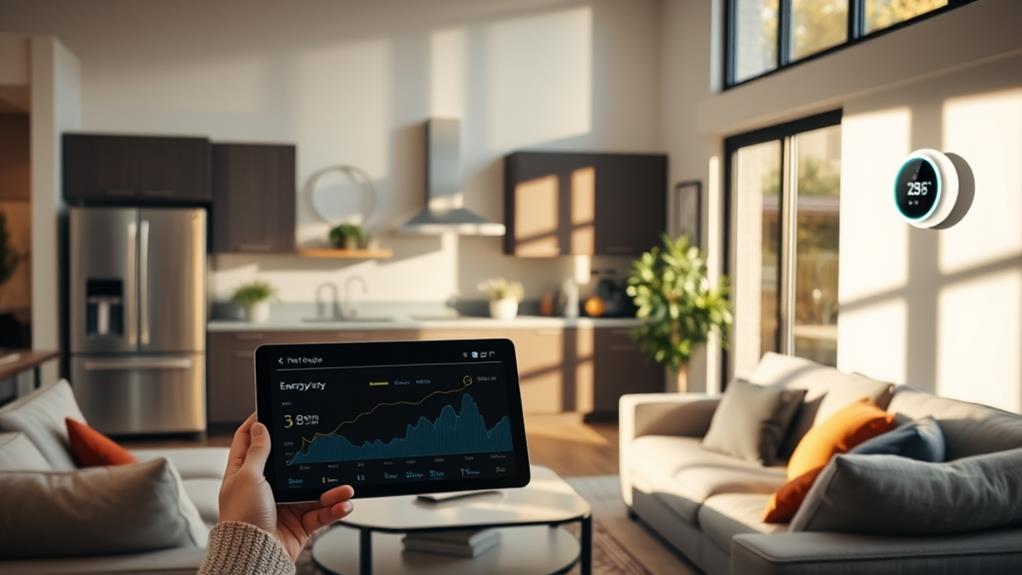
- Implementing smart home technologies, including a solar energy monitoring device, for better energy management
- Regular maintenance checks to guarantee peak performance — see our DIY solar panel maintenance tips
These energy investments often pay for themselves within a few years, fostering a shift to clean power and creating energy-efficient homes that benefit both you and the environment.
Types of Renewable Energy Systems

When exploring options for renewable energy systems, you’ll find a variety of technologies designed to meet your home’s energy needs. Solar photovoltaic (PV) systems, converting sunlight into electricity, currently average around $2.68-$3 per watt installed before incentives, per 2026 EnergySage marketplace data, making them one of the more accessible entry points for homeowners. Wind energy systems, on the other hand, can range from $10,000 to $70,000 based on size and capacity, providing a substantial alternative renewable energy source — see our guide to small-scale wind turbines for homes. Additionally, solar hot water systems can meet a meaningful share of your household’s hot water demands. To enhance efficiency, consider integrating home battery systems, which store excess solar energy for use during cloudy periods or overnight — explore the best solar energy storage options. By understanding these renewable energy sources and comparing solar panel efficiency versus cost, you can make informed decisions to achieve greater energy independence.
Geothermal Heat Pump Costs
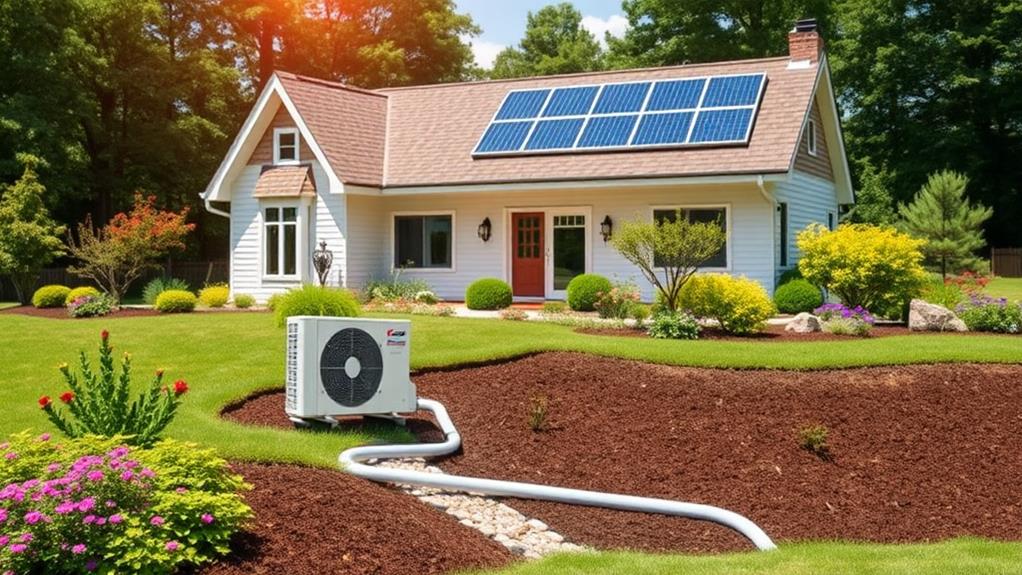
When considering geothermal heat pump costs, you’ll find that installation typically ranges from $15,000 to $40,000 or more, influenced by system size, ground conditions, and local market factors. However, the long-term savings potential is significant: according to the U.S. Department of Energy, most ground source heat pump systems pay for themselves within 10 to 15 years through energy savings. Additionally, with lower maintenance costs compared to traditional HVAC systems, geothermal heat pumps present an economically viable option for sustainable home energy solutions. Note that the federal residential 25D credit that previously applied to geothermal installations expired for systems installed after December 31, 2026.
Installation Cost Overview
Installing a geothermal heat pump can be a considerable investment for homeowners, with costs typically ranging from $15,000 to $40,000 or more based on system size and ground-loop complexity. However, the benefits often outweigh the upfront costs, especially given the potential for energy savings.
Consider the following factors when evaluating installation costs:
- Energy use reduction of up to 50% compared to conventional furnace and air conditioner setups, per DOE data
- The lifespan of the underground loop, which the DOE notes can exceed 50 years, while indoor components last 20-25 years
- Available state and utility incentives, since the federal residential credit expired after 2026 — check state-by-state incentive listings
- The recovery period for installation costs, typically within 10-15 years per the DOE
- Long-term savings on energy bills, which can greatly offset initial investment
Long-Term Savings Potential
Over the years, geothermal heat pumps can provide significant long-term savings on energy bills, making them a smart investment for homeowners who plan to stay in their homes long-term. These systems can reduce heating and cooling energy consumption by up to 50% relative to conventional systems. With underground loop components rated for 50+ years and indoor equipment lasting 20-25 years, you can enjoy sustained savings long after recovering your initial installation costs, typically within 10-15 years. While installation costs range from $15,000 to $40,000 or more, these figures can sometimes be mitigated through remaining state and utility incentives, enhancing the financial viability of your renewable energy system. For a deeper cost comparison, see our geothermal energy system pricing guide.
Maintenance and Durability Factors
Geothermal heat pump systems are known for their impressive durability and low maintenance requirements, making them a wise choice for homeowners looking for long-term efficiency. Indoor components typically last 20 to 25 years while the underground loop can last 50 years or more, according to the Department of Energy, compared to 15-20 years for conventional furnace and AC systems. Although the initial installation costs can range from $15,000 to $40,000 or more, you can expect to recover much of this through energy savings within 10 to 15 years.
Key factors to evaluate include:
- Underground loop components rated to last 50+ years
- Energy use reduction of up to 50% versus conventional HVAC
- Underground components protected from weather-related wear
- Fewer repair costs due to enhanced durability
- Long-term reliability with regular servicing — see our geothermal energy pros and cons breakdown
Solar Energy System Expenses
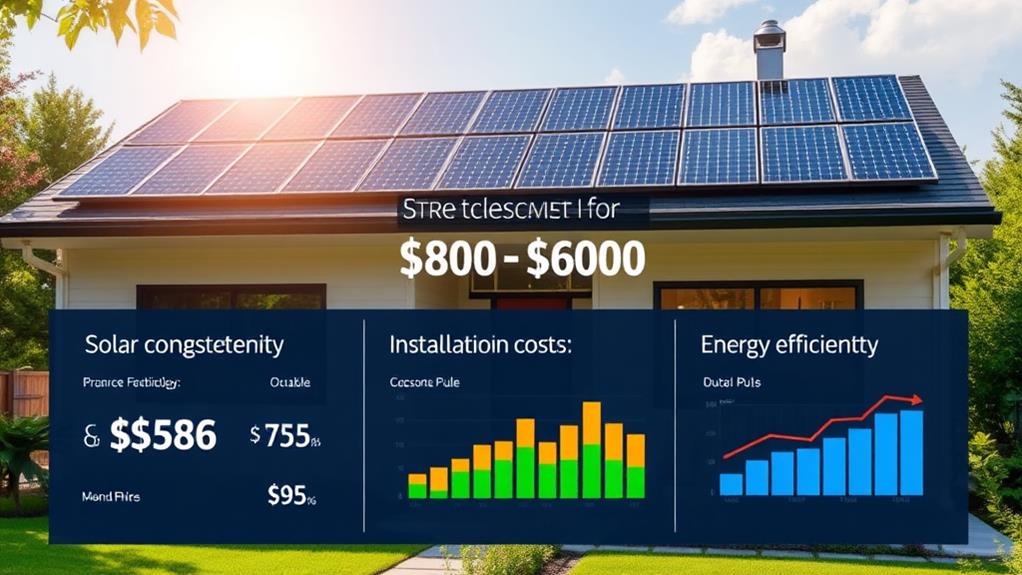
Solar energy system expenses can often seem intimidating, but they frequently lead to considerable long-term savings. The average installation cost for solar PV systems runs around $2.68-$3 per watt in 2026, which can greatly reduce your electricity bills over time. Homeowners should be aware that the 30% federal residential solar tax credit under Section 25D expired for systems installed after December 31, 2026 — installations completed from 2026 onward no longer qualify for this credit, though some state and utility programs remain in place. Additionally, solar panels are built to endure various weather conditions and typically carry 25-year+ manufacturer warranties, making them a durable long-term investment — see how long solar panels actually last. Smaller systems may have lower total installation costs, but all sizes should be evaluated against any remaining state and local incentives. For a full cost picture, see our detailed residential solar installation cost guide.
Wind Energy System Costs

If you’re considering a wind energy system for your home, you’ll find that the initial investment can vary widely. Typically, the installation cost for small residential wind systems ranges from $10,000 to $70,000, influenced by turbine size, tower height, and installation specifics. Many homeowners in favorable wind locations experience meaningful energy savings over the system’s operating life. When evaluating your options, consider these factors:
- Average wind speed in your area
- Height of the turbine tower
- Location and local zoning regulations
- Maintenance requirements — see our wind turbine maintenance best practices
- Potential energy output relative to your household usage
With proper wind conditions, small wind systems can meet a substantial portion of your household’s energy needs, making them a worthy investment for homeowners in the right location. Use a wind turbine payback period calculator to model your specific site conditions, and compare options with our wind turbine size and cost comparison.
Government Incentives and Tax Credits

Government incentives for home renewable energy have changed significantly as of 2026. The Section 25D residential clean energy credit, which previously let homeowners deduct 30% of the cost of solar, geothermal, and other qualifying home renewable installations from their federal taxes, expired for systems installed after December 31, 2026, per the One Big Beautiful Bill Act (Public Law 119-21) and confirmed IRS guidance. The IRS has clarified that installation — not just payment — must be completed by that date for a system to qualify, so homeowners who already paid but haven’t finished installation cannot claim the credit. Separately, the commercial/utility-scale Section 48E investment tax credit remains available under different rules, generally requiring projects to begin construction by July 4, 2026 or be placed in service by the end of 2027. Various state and local governments and utility companies still offer their own rebates, tax credits, and net metering programs, so it’s worth checking state-by-state solar incentives before you budget your project.
| Incentive Type | Description | Status as of 2026 |
|---|---|---|
| Federal Residential Credit (25D) | 30% deduction on solar, geothermal, and battery costs | Expired for installations after Dec. 31, 2026 |
| Federal Commercial Credit (48E) | Investment tax credit for business/utility-scale projects | Active; construction-start deadline July 4, 2026 |
| State/Local Rebates | Rebates and credits vary by state and utility | Still active in many states; verify locally |
| Utility Company Programs | Net metering and installation rebates | Varies by utility; check with provider |
Long-Term Savings and Payback Period
Many homeowners find that switching to renewable energy isn’t just an environmentally friendly choice; it can also lead to significant long-term savings, even without the federal residential tax credit that expired at the end of 2026. By investing in solar panels, you reduce reliance on grid electricity and insulate yourself from rising utility rates over the 25+ year lifespan of most systems. Geothermal systems, meanwhile, can cut heating and cooling energy use by up to 50%, per DOE estimates, with typical payback periods of 10-15 years.
- Solar PV systems currently average $2.68-$3 per watt installed before incentives
- Geothermal systems typically recover installation costs within 10-15 years through energy savings
- The U.S. added roughly 43 GW of new solar capacity in 2026 alone, per SEIA’s year-end market report — a sign of continued cost competitiveness
- Long-term energy savings can still outweigh initial costs even without the expired federal residential credit
- Continued benefits accrue as grid electricity prices rise; see our green energy vs. fossil fuel price comparison
To model your own numbers, review a full cost-benefit analysis of green energy before committing to a system size.
Frequently Asked Questions
How Expensive Is Switching to Renewable Energy?
Switching to renewable energy involves significant installation expenses — often $16,000-$18,000 for a typical 6 kW solar system, or $15,000-$40,000+ for geothermal. Financing options and any remaining state or utility incentives can ease the burden, since the federal residential credit expired after 2026. Long-term benefits include reduced energy bills and lower maintenance costs over time.
Is It Worth Switching to Renewable Energy Without the Federal Tax Credit?
It can still be worth it. You’ll gain greater energy independence, may still qualify for state or utility incentives, and benefit from lower long-term operating costs. The payback period is longer without the expired 30% federal credit, so it’s worth running the numbers for your specific location and electricity rates before committing.
How Much Money Would We Save if We Switched to Renewable Energy?
Savings depend heavily on your local electricity rates, system size, and any state or utility incentives still available in your area. Geothermal systems can cut heating and cooling energy use by up to 50%, while solar systems reduce or eliminate grid electricity purchases over a 25+ year system lifespan.
What Is the Most Cost Effective Renewable Energy for Home?
Solar panels remain one of the more accessible options for most homeowners, given their moderate upfront cost per watt and long warranty periods. Wind turbines can be cost-effective in consistently windy locations, while geothermal offers strong long-term savings despite higher upfront costs. Improving energy efficiency and insulation alongside any system helps maximize your return.