
The seven key factors affecting off-grid power system costs are system size and capacity, type of system, component quality, installation complexity, labor costs, regional pricing variations, and available incentives. To begin with, larger systems often escalate costs markedly due to higher capacity needs. The type of system, whether DC, AC, or hybrid, greatly influences installation complexity and price, with AC systems generally more expensive. High-quality components, like monocrystalline panels and lithium-ion batteries, can improve efficiency but increase initial costs. Additionally, local regulations and labor rates can add substantial expenses. It’s also important to understand how federal tax incentive rules have recently changed, since this directly affects your net investment. Understanding these elements is essential for optimizing your off-grid strategy.
Key Takeaways
- System size and capacity, typically ranging from 3 to 10 kW for residential setups, directly influence overall costs based on monthly energy usage.
- The type of off-grid system, whether DC-only, AC, or hybrid, significantly affects complexity and installation expenses.
- Component quality, such as monocrystalline panels and lithium-ion batteries, enhances system performance and longevity, impacting initial investment.
- Installation complexity and labor costs vary based on system type, site challenges, and regional labor rates, influencing total expenses.
- The federal residential solar tax credit (Section 25D) expired for systems placed in service after December 31, 2026, so remaining incentives now come primarily from state programs and utility rebates.
System Size and Capacity
You may be interested

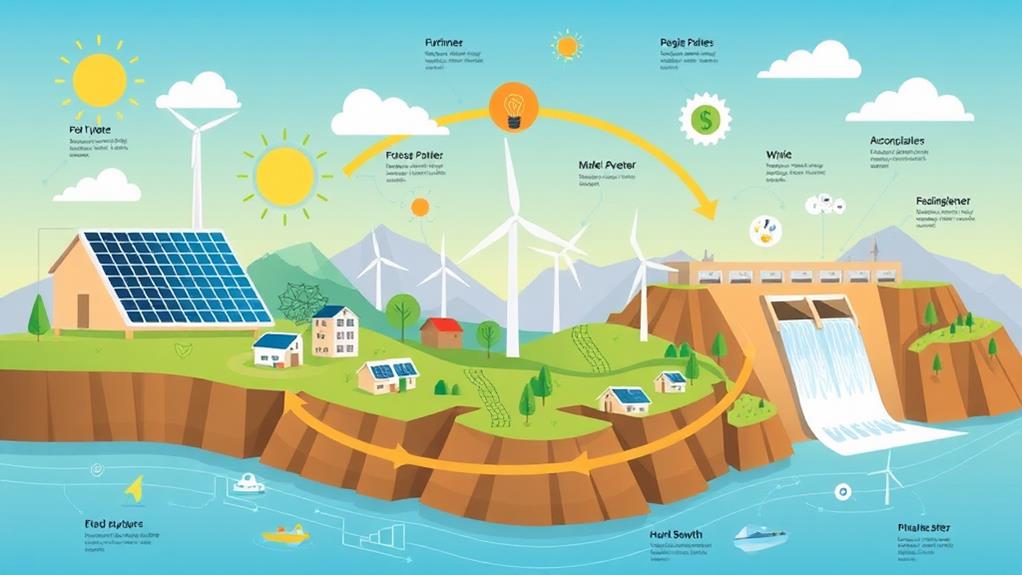
When considering an off-grid solar system, residential setups commonly range from about 3 kW to 10 kW or more, with larger systems needed in areas that receive less sunlight or that support higher household loads. To effectively meet your energy needs, calculating your monthly kWh usage is essential, as this informs the appropriate system size. The battery bank’s usable capacity must align with your daily consumption, ensuring enough reserve to prevent power shortages during low-production periods, such as cloudy stretches or winter months. According to 2026 cost breakdowns, a 3 kW system typically runs $30,000–$35,000, a 5 kW system $40,000–$45,000, and a 10 kW system $70,000–$80,000 installed, with full off-grid setups (including battery storage) generally landing between $40,000 and $80,000, averaging around $60,000. If you’re weighing whether off-grid is the right fit, comparing these figures against a grid-tied installation can help — see our guide on residential solar panel installation costs for a side-by-side view.
Recommended Products


Unique Glass Cover Design: Tempered glass upper cover with big 6.25 inch LCD display and touchable buttons, cool look with high transparency, more clear to see real-time data of your inverter

All-in-one Inverter Charger: Not only a power inverter with 3600 watt rated/7200 watt peak power, but with built-in 120A MPPT solar charge controller, and 100A AC battery charger. PV input voltage range 60V-500VDC, Max. PV input power 4200w, 16A
Type of Off-Grid System
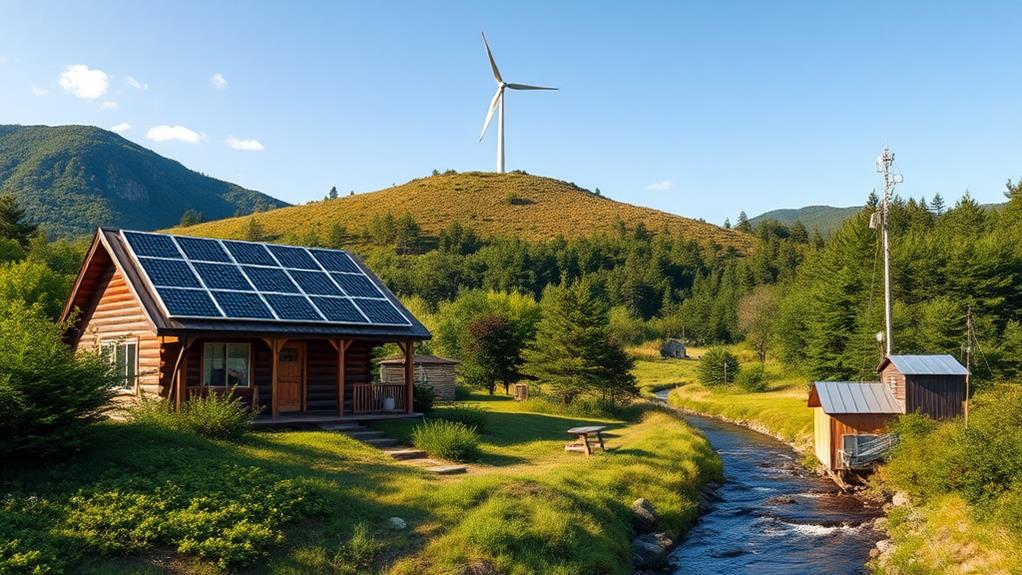
When considering the type of off-grid system that best suits your needs, it’s crucial to recognize how system size impacts overall costs, as well as the quality of components involved, which can greatly influence efficiency and longevity. Additionally, installation complexity can vary greatly depending on the chosen system—whether it’s a straightforward DC solar setup or a more intricate AC system with backup options—thus affecting both initial investment and long-term maintenance. By evaluating these factors, you can make a more informed decision that aligns with your energy requirements and budget constraints.
Recommended Products

[Complete&Friendly]: Beginner-friendly Solar Kit, including all accessories required for connection. 800Wh daily output depends on the 4 hours sunlight availability. The reasonable matches ensures the sufficient use of solar power and doesn't cause waste. Suitable for RV, camper, trailer, boats, cabins, etc. wherever you need power.

This Pure Sine Wave Solar Inverter is a combination of an inverter, ac battery charger , MPPT solar charge controller and AC auto-transfer switch. Support Single-phase,Split Phase and Three-phase 120/208V/240Vac Output, High transfer efficiency is above 92%.
System Size Impact
The size of your off-grid power system plays an essential role in determining its overall cost. Based on current 2026 market pricing, DC-only solar systems, being smaller and less complex, are the most affordable option, typically costing between $6,500 and $11,000. Mixed DC-and-AC systems range more broadly, from about $11,000 to $60,000, while AC solar-only systems, suited for higher energy demands, generally run $32,000 to $70,000. Adding a backup generator to an AC system — the most common off-grid configuration — pushes total costs to roughly $42,000–$80,000. Battery storage adds further cost, with off-grid battery banks typically priced from $17,500 to $40,000 or more depending on chemistry and capacity, underscoring how critical system type and size are to your overall investment.
Component Quality Considerations
Selecting the right components for your off-grid power system can make a significant difference in performance and longevity. Prioritizing component quality is essential; premium monocrystalline solar panels commonly reach efficiency ratings in the low-to-mid 20% range (roughly 20–23% for many commercially available panels), enhancing energy capture despite higher upfront costs. Advanced battery systems, particularly lithium-ion, offer longer lifespans and higher usable capacity compared to traditional lead-acid alternatives, which require more frequent maintenance and replacement. Your choice of inverter also matters, since pricing and efficiency vary significantly by type and capacity, directly influencing both installation cost and system reliability. High-quality MPPT solar charge controllers further optimize energy conversion, underscoring the importance of quality components in effective off-grid solar systems. For a deeper look at how efficiency and price trade off across panel types, see our solar panel efficiency vs. cost comparison.
Installation Complexity Factors
Installing an off-grid power system can vary greatly in complexity based on the type of system you choose. DC solar systems are simpler and more affordable to install, generally in the $6,500–$11,000 range. In contrast, mixed DC-and-AC systems involve higher installation complexity, with total costs between roughly $11,000 and $60,000 due to additional components and wiring requirements. Hybrid systems that combine multiple energy sources, such as solar paired with wind or a backup generator, can push total costs toward $80,000 or more. AC solar systems, while popular for their ability to run standard household appliances, often require more complex inverter setups, and adding a backup generator further complicates installation, especially when factoring in site-specific challenges.
Component Quality and Efficiency
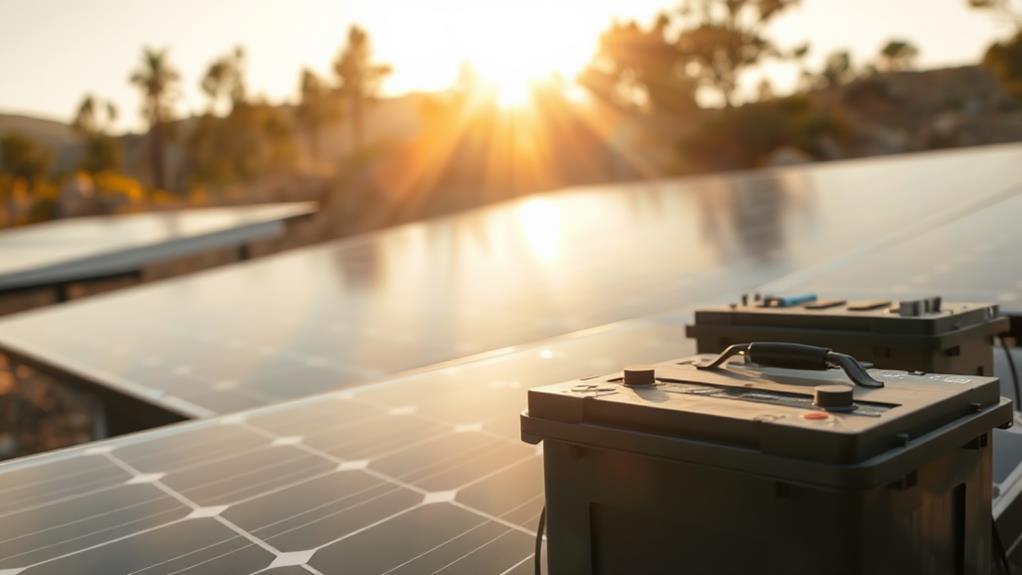
Quality components are essential for maximizing the efficiency of your off-grid power system. Investing in high-quality solar panels, such as monocrystalline options in the 20–23% efficiency range with expected service lives of 25 years or more, can meaningfully reduce long-term operational costs compared to lower-efficiency polycrystalline panels. Additionally, lithium-ion batteries, despite their higher upfront costs, provide deeper usable capacity, faster charge/discharge rates, and longer cycle life than traditional lead-acid batteries. When selecting inverters, performance and durability vary significantly by price tier, directly impacting system efficiency and reliability during peak loads. Moreover, choosing advanced MPPT charge controllers can optimize energy conversion from your solar array, further enhancing overall system efficiency. To track how your system performs once installed, pairing it with a solar energy monitoring device can help you catch efficiency losses early.
Recommended Products

【Grade A+ Cells, Up to 25% Efficiency】100w solar panel features A+ grade n-type solar cells, achieving an impressive 25% conversion efficiency.Compared to 100-watt solar panels of equivalent design standards, the slolar panel undergoes rigorous EL testing to ensure zero cracks.this solar charging panel delivering powerful energy output,our solar panel is a smart, long-lasting investment for sustainable power.
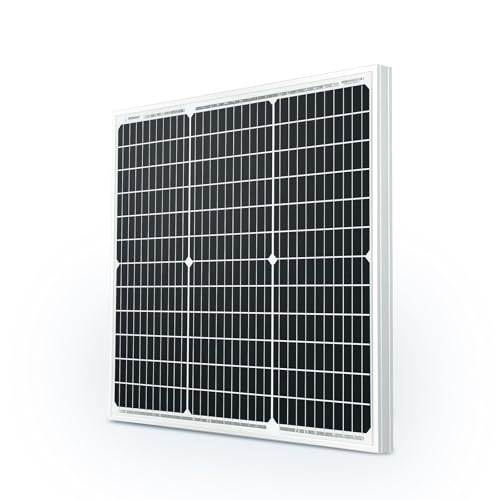
Advanced encapsulation material with multi-layered sheet laminations to enhance cell performance and provide a long service life.

Multiple Compatibility:Perfect solar power kit for variety of off grid applications like shed, cabin, gate opener, etc where 12V batteries is used, as well as to charge and maintain AGM, Flooded, GEL, Deep Cycle and Seal Lead Acid, etc batteries in car, Rv, boat, marine, trailer, camper, pump etc.
Installation Complexity
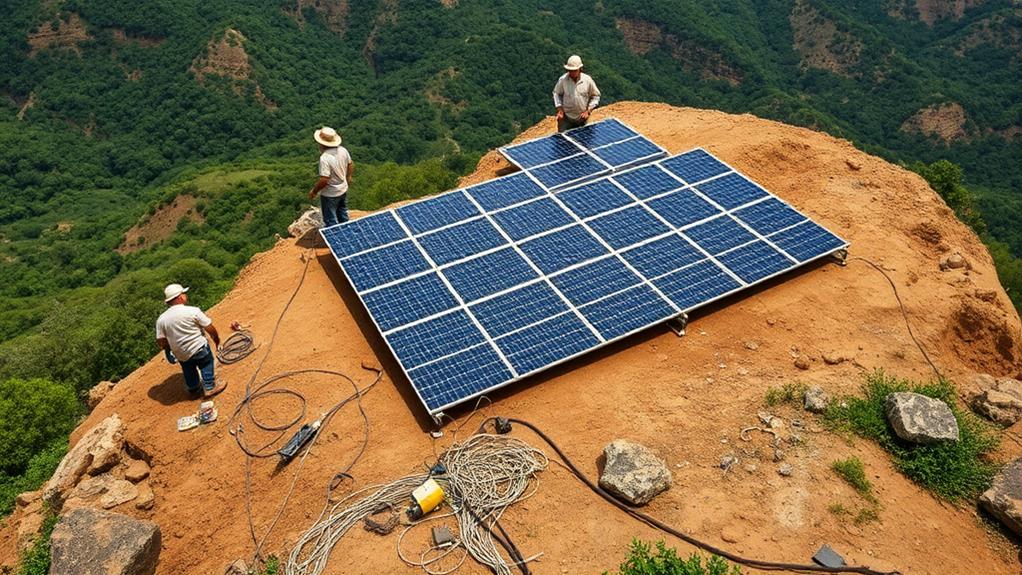
When considering an off-grid power system, it is crucial to recognize that installation complexity can greatly influence your overall costs. Factors affecting this complexity include:
- Site accessibility: Difficult-to-reach locations may require extra equipment or labor.
- Local terrain: Rocky or uneven land can complicate groundwork, like trenching for wiring.
- Weather conditions: Inclement weather can delay installation, increasing labor costs.
- Regulatory requirements: Securing permits and adhering to local regulations can add time and expense.
These elements can lead to significant increases in labor costs on top of equipment pricing. If you opt for a solar-only setup, it may simplify the process, but integrating multiple energy sources (solar, wind, generator backup) demands more meticulous planning and execution. For those exploring simpler entry points into self-sufficient power, our off-grid living with renewable energy guide covers practical design tips.
| System Type | Typical Installed Cost (2026) | Relative Complexity |
|---|---|---|
| DC solar only | $6,500 – $11,000 | Low |
| Mixed DC & AC solar | $11,000 – $60,000 | Moderate |
| AC solar only | $32,000 – $70,000 | Moderate–High |
| AC solar with backup generator | $42,000 – $80,000 | High |
| Battery storage (add-on) | $17,500 – $40,000+ | Varies by chemistry/capacity |
Recommended Products

[Off Grid Solar System Complete] 12 pcs upgraded 195W N-Type bifacial mono solar panels (2340W) + 1 pcs 48V 100AH lithium batteries (5120W·h) + 5KW split phase inverter 120V~240V output(The output voltage of one inverter is 120 V, and more than two inverters can output 120 V/208 V/240 V in parallel). 5KW all-in-one inverter built-in inverter + charge controller to avoid complicated wiring. All 195W panels are connected in series, very simple.Equipped with the necessary wires, everything becomes simpler.

Design For Standard UNISTRUT: Each unistrut solar panel mount clamps package includes 10 complete sets of end clamps, specifically designed for standard 1.61" Unistrut systems. Each clamp comes pre-drilled and includes essential groove nuts and bolts, eliminating the need for extra trips to the hardware store.

Premium Material, Durable and Long Lasting: Anbte solar panel mounting kit is made of aluminum alloy, which with lightweight, large load capacity and strong corrosion resistance. The mounting screws are made of 304 stainless steel, corrosion-resistant, non-rusting, and not easily broken or deformed
Labor and Installation Costs
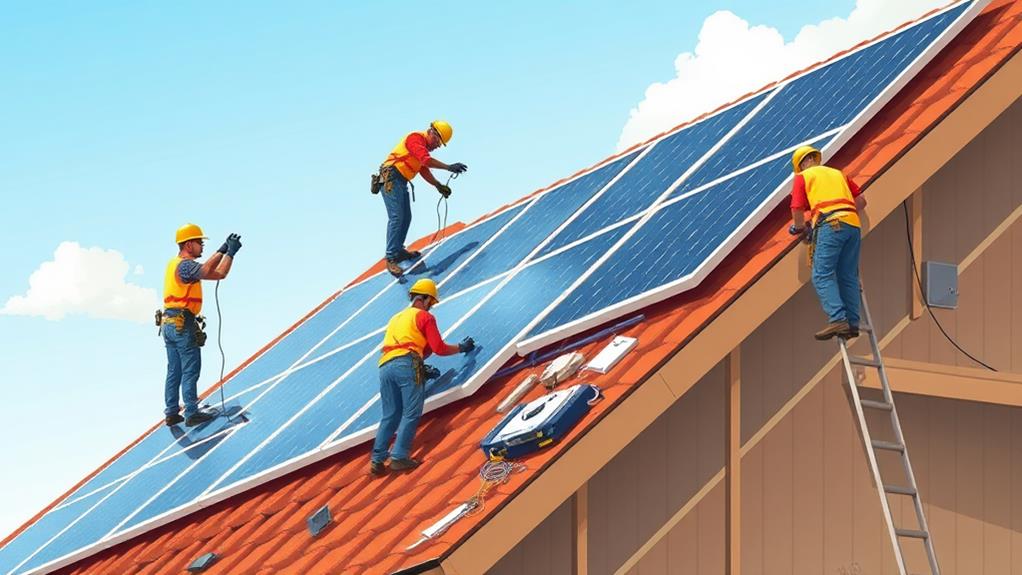
When it comes to labor and installation costs for off-grid power systems, several factors influence the final price you’ll pay. Installation complexity can considerably affect labor rates, and experienced technicians often charge a meaningful share of total project cost, particularly for larger or hybrid systems. Additionally, local regulations may impose specific requirements that can further complicate the installation process, potentially leading to higher fees and extended timelines.
Recommended Products


Y Branch Parallel Connector: Each pair includes 1 male to 2 female (M/FF) and 1 female to 2 male (F/MM) solar connectors, designed to connect two compatible solar panels in parallel. Confirm the connector configuration and polarity before ordering

Designed for Starlink Gen 3 – Stable 57V Output: Specifically engineered for Starlink Gen 3, this step-up adapter boosts 10V–36V input to a precise 57V/4.5A output, ensuring your router receives the exact power it requires. Ideal for use in vehicles, RVs, off-grid systems, and mobile workstations.
Installation Complexity Factors
Installation complexity plays an essential role in determining the overall costs of an off-grid power system. When evaluating labor costs, consider these key factors that impact installation expenses:
- Site-specific challenges: Difficult terrain or accessibility issues can increase installation time and labor costs.
- Customization and design: Unique configurations may require specialized components, adding to complexity.
- Installation time: The more intricate the setup, the longer it takes, which can elevate overall system expenses.
- System size: Larger systems (10 kW and above) generally require more labor hours and specialized equipment, adding to total installation fees.
Understanding these elements can help you make informed decisions about your off-grid energy future, ensuring you’re prepared for the costs associated with installation complexity. Homeowners planning their own maintenance schedule after installation may also find our DIY solar panel maintenance tips useful for keeping long-term costs down.
Labor Rate Variations
Labor costs can vary considerably in off-grid power system installations, largely influenced by regional rates and the specific challenges of each project. Regional labor rates play a vital role, with higher costs typically found in urban areas and regions with a higher cost of living compared to rural settings. Additionally, the experience of your installation team matters; hiring certified professionals may incur higher fees, but their expertise often leads to enhanced system performance and reliability, ultimately justifying the investment over the multi-decade lifespan of a well-installed system.
Local Regulations Impact
Maneuvering local regulations can markedly affect the costs associated with off-grid power systems. Compliance often requires traversing a complex landscape that can inflate your overall installation expenses. Here are some critical factors to take into account:
- Permits: Obtaining necessary permits can add significant time and cost.
- Building Codes: Adhering to local building and electrical codes may increase installation costs.
- Component Selection: Restrictions or requirements on renewable energy systems can limit your choices, impacting your budget.
- Labor Costs: Local wage rates can vary significantly by region, affecting your final installation bill.
Understanding these aspects is essential to managing labor and installation costs effectively while ensuring compliance with local regulations for your off-grid power systems.
Regional Pricing Variations
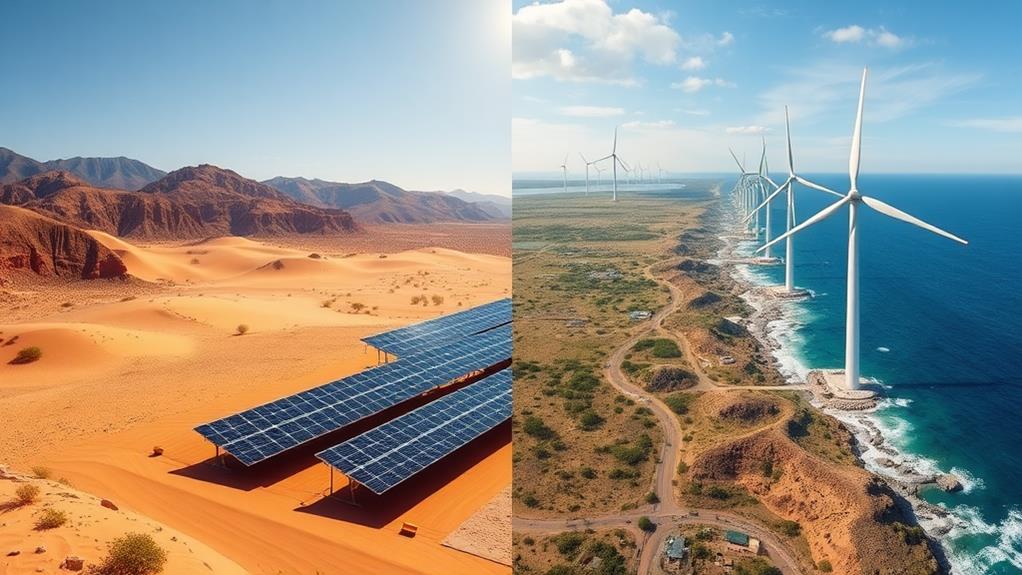
Maneuvering the costs of off-grid solar systems requires a keen awareness of regional pricing variations, which can considerably influence your final expenses. Off-grid solar system costs can differ greatly based on local labor rates, permitting fees, and installation complexity, potentially adding thousands to the overall price. State-level solar incentives can still lead to more competitive net pricing in states that maintain robust rebate or property-tax-exemption programs, even though the federal residential credit has expired. Geographic factors, such as average sunlight hours, may necessitate larger systems in areas with inconsistent solar exposure. Additionally, remote locations often face higher shipping and transportation costs for solar components, along with increased labor costs due to accessibility challenges. To see what’s still available where you live, check our state-by-state solar incentives guide, since programs vary widely and change frequently.
Available Incentives and Tax Credits

When considering an off-grid solar system, it is vital to understand how the incentive landscape has shifted. Here’s what you need to know for 2026:
- Federal Residential Clean Energy Credit (Section 25D) – expired. This credit allowed homeowners to deduct 30% of qualified solar, battery storage, and other clean energy installation costs from their federal taxes for property placed in service from 2022 through 2026. Under the One Big Beautiful Bill Act, the credit is no longer available for residential systems placed in service after December 31, 2026, per official IRS guidance.
- Commercial and business credits (Section 48E) follow a different, separate phase-down schedule and are still relevant for community solar, farms, and business-owned systems — a licensed tax professional can confirm current eligibility for your situation.
- State Rebates and Incentives — Many states continue to offer rebates, property tax exemptions, or net-metering-style credits for off-grid and hybrid systems; use the DSIRE database to look up current programs by ZIP code.
- Performance-Based Incentives (PBIs) — Some utilities still pay for energy production, though this is more common for grid-tied systems than fully off-grid setups.
Because federal incentive rules changed significantly in 2026, run the numbers carefully before assuming a system qualifies for any tax credit, and consult a tax professional or the IRS Form 5695 instructions for the most current filing guidance. For a broader financial picture, our cost-benefit analysis of green energy can help you weigh total lifetime value against upfront cost.
Frequently Asked Questions
What Is the Cost of Going Off-Grid?
Going off-grid requires a significant initial investment, generally in the $40,000–$80,000 range for a full residential setup with battery storage, but you’ll avoid ongoing utility bills long-term. Consider component pricing, battery selection, installation expenses, and inverter efficiency, and explore state-level financing options to make your energy independence goals more attainable.
What Are the Disadvantages of Off-Grid Electricity?
When considering off-grid electricity, you’ll face maintenance responsibilities, a high upfront investment, and some lifestyle adjustments around energy use. While it offers energy independence, system reliability depends entirely on your own equipment without a grid connection to fall back on, which can impact resource availability during extended low-sun periods.
What Is the Most Expensive Part of a Solar System?
In a fully off-grid solar system, battery storage usually represents one of the largest line items, often $17,500 to $40,000 or more depending on capacity and chemistry. Combined with solar panels, inverter costs, and installation fees, investing wisely in each component helps guarantee reliable, long-term energy independence.
Has the Federal Solar Tax Credit Really Expired?
Yes — for residential systems. The 30% Residential Clean Energy Credit (Section 25D) applied to systems placed in service from 2022 through 2026, and it is no longer available for homeowner systems installed after December 31, 2026, under the One Big Beautiful Bill Act. Some commercial credits and many state-level incentives remain in place, so check the DSIRE database and consult a tax professional before assuming no incentives apply.
How to Live off the Grid Cheaply?
To live off the grid cheaply, start with a smaller DC-only solar setup, which can cost as little as $6,500–$11,000, and expand capacity over time as budget allows. Focus on energy efficiency, careful load planning, and researching remaining state and utility incentives, while community knowledge-sharing can help you avoid costly installation mistakes.


