
Home renewable power upgrade costs vary widely based on technology and scope. For solar energy systems, installation costs generally run around $2.50 to $3.50 per watt before incentives, while small residential wind installations typically range from $10,000 to $70,000 depending on turbine size. Geothermal heat pumps now typically cost between $15,000 and $40,000 installed, influenced by system size, loop type, and ground conditions. It’s crucial to understand that the federal 30% residential solar tax credit (Section 25D) expired for systems installed after December 31, 2026, under the One Big Beautiful Bill Act, so homeowners evaluating a system today need to look closely at remaining state and utility incentives instead. Understanding these variables will help you assess the potential return on investment for renewable energy technologies effectively. You’ll find further details below.
Key Takeaways
- Solar PV installation costs average roughly $2.50-$3.50 per watt, but the 30% federal residential tax credit (Section 25D) expired for systems installed after December 31, 2026.
- Wind energy systems cost between $10,000 and $70,000, influenced by turbine size and local wind conditions.
- Geothermal heat pump installations typically run $15,000 to $40,000, with a payback period of approximately 10-15 years through energy savings, per the U.S. Department of Energy.
- Professional insulation installation costs between $1,500 and $2,500, enhancing energy efficiency and reducing heating/cooling costs.
- ENERGY STAR® appliances can cut energy bills by up to 30%, generating long-term savings even though the federal 25C efficiency credit also expired at the end of 2026.
Understanding Renewable Power Costs
You may be interested

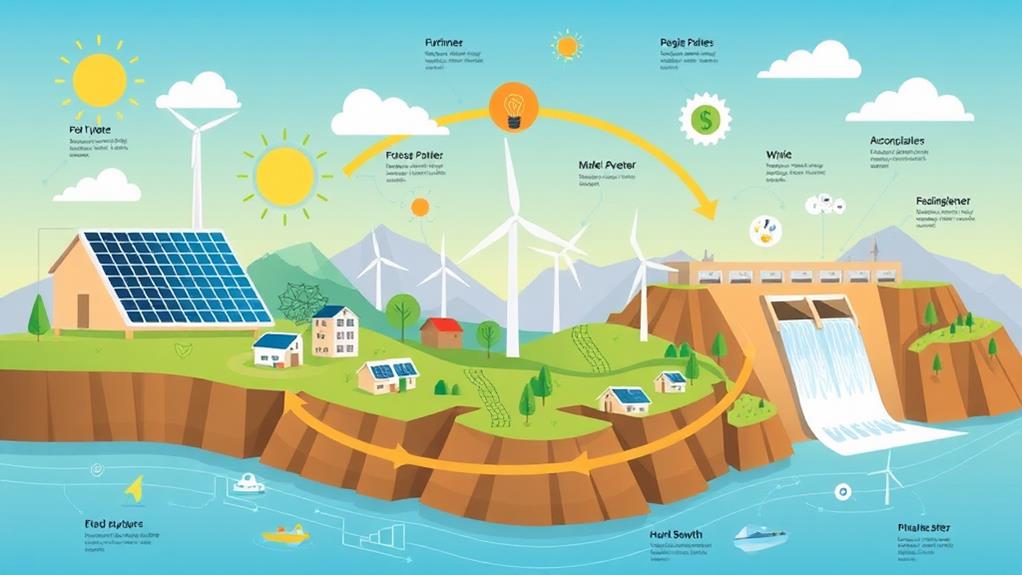

Understanding renewable power costs can seem intimidating at first, but breaking it down helps you see the potential savings. Solar remains one of the cheapest sources of new electricity generation: according to the International Renewable Energy Agency (IRENA), the global weighted-average levelized cost of electricity (LCOE) for utility-scale solar PV was $0.043/kWh in 2026, making it the second most affordable source of new power generation worldwide behind only onshore wind, which averaged $0.034/kWh. Total installed costs for utility-scale solar have fallen roughly 87% since 2010. On the residential side, installed costs generally fall in the $2.50-$3.50 per watt range before any incentives, though your final price depends heavily on system size, equipment choice, and local labor costs. If you want to compare installers and financing structures, our guide on residential solar panel installation costs breaks down the line items in more detail. Meanwhile, small wind systems can range from $10,000 to $70,000 depending on turbine size, and residential solar hot water systems can meet a substantial share of household hot water needs, adding to long-term savings alongside electricity-generating renewables.
Energy Efficiency Upgrades

When considering energy efficiency upgrades, cost-effective insulation solutions and the benefits of ENERGY STAR® appliances can greatly enhance your home’s performance and reduce energy consumption. By investing in proper insulation and air sealing, you can minimize air loss, which not only maintains comfortable indoor temperatures but also lowers your electricity bills over time. Note that the federal Energy Efficient Home Improvement Credit (Section 25C), which previously covered up to $1,200-$2,000 annually for qualifying insulation, heat pumps, and other upgrades, also expired for improvements made after December 31, 2026 under the same legislation that ended the residential solar credit, according to the IRS. That makes state and utility rebates more important than ever when planning upgrades.
Recommended Products

STRONG BUT SURFACE-SAFE ADHESIVE. Transparent weather sealing tape is made of high-quality, weather-resistant materials that can withstand extreme temperatures, moisture, and UV exposure.

Draft Guard, Blocks Cold Air, Keeps Warm Air In: Seals the gap under interior doors to stop chilly drafts from entering and warm air from escaping. Maintains a steady room temperature so your home feels cozy in winter and cool in summer.

The product is 3/8x3/16 BLK Foam Tape
Cost-Effective Insulation Solutions
Insulation plays a crucial role in enhancing your home’s energy efficiency, and finding cost-effective solutions can make a considerable difference in your utility bills. Proper insulation thickness, ideally at least 10 inches in attics, combats heat loss effectively. While professional installation typically costs between $1,500 and $2,500, DIY options exist for those with the necessary skills — see our DIY maintenance tips for related self-installation guidance. Upgrading to insulating window shades can help protect against temperature extremes, further contributing to energy conservation. Additionally, air sealing through weatherstripping doors and windows can prevent drafts, considerably reducing heating and cooling costs. Exploring various insulation types, such as foam board or loose-fill, allows you to tailor solutions to your specific needs, optimizing your home’s overall energy efficiency and comfort.
Energy Star Appliance Benefits
Upgrading your home’s appliances can be just as impactful as improving insulation when it comes to energy efficiency. By choosing ENERGY STAR® appliances, you can enjoy substantial benefits, including:
- Significant Energy Savings: Reduce energy bills by up to 30% compared to standard models.
- Lower Initial Investment Costs: Some ENERGY STAR® products still qualify for state or utility rebates, though the federal 25C tax credit has expired.
- Enhanced Home Value: Investing in energy-efficient appliances not only saves money but also boosts your property’s overall value.
The energy efficiency of these appliances results in meaningful long-term savings over an appliance’s lifetime. By reducing energy bills and greenhouse gas emissions, you’re making a meaningful contribution to a sustainable future while enjoying the financial freedom that comes with energy savings.
Geothermal Heat Pump Expenses
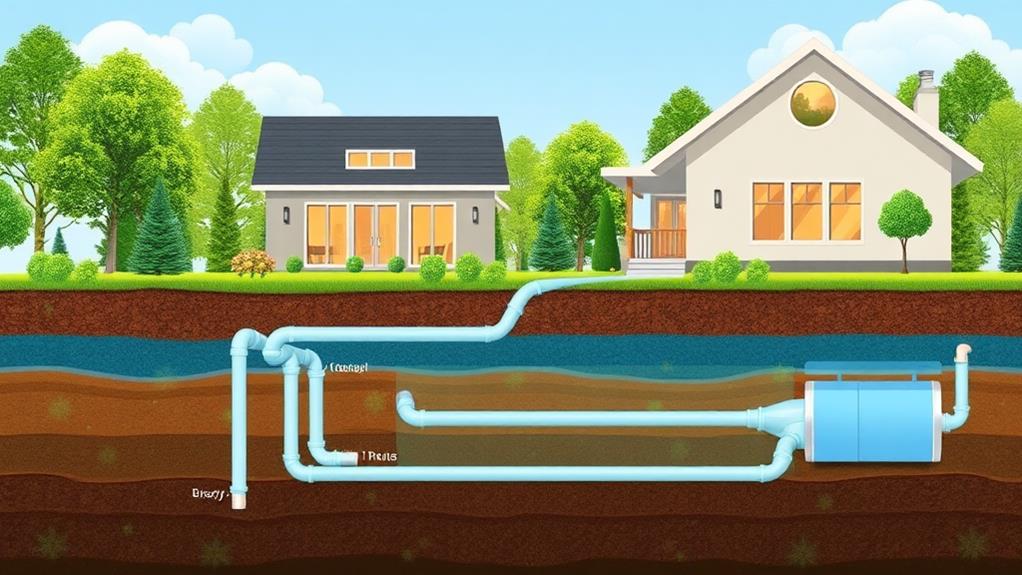
Investing in a geothermal heat pump can really pay off in the long run, but the initial expenses can be intimidating. Installation costs for geothermal heat pumps typically range from $15,000 to $40,000 in 2026, influenced by system size, loop configuration, and ground conditions, with some larger or more complex installations running higher. However, these systems boast efficiencies 2-3 times greater than conventional air source systems, leading to significant energy savings. Underground loops can last 50 years or more, while indoor components typically last 20-25 years, contributing to long-term savings on energy bills. Homeowners can expect a payback period of approximately 10-15 years from the energy savings generated, according to the U.S. Department of Energy. If you’re weighing geothermal against other home heating options, our geothermal heating systems guide and pros and cons breakdown can help you decide whether it’s a financially viable option for your home.
Recommended Products


Solar Energy System Costs
Geothermal heat pumps offer an impressive return on investment, but if you’re evaluating other renewable energy options, solar energy systems are worth examining. Here are three key points to reflect on:
- Installation Costs: Residential solar PV installation typically costs roughly $2.50 to $3.50 per watt, varying based on your chosen solar panels and system specifications. Our solar panel efficiency vs. cost comparison can help you weigh options.
- Incentives: The 30% federal residential solar tax credit expired for systems installed after December 31, 2026; check our state-by-state incentives guide for what’s still available where you live.
- Energy Savings: Payback periods for solar panel investments commonly range from about 6 to 12 years, depending on installation costs, local electricity rates, and remaining incentives.
With utility-scale solar’s total installed costs down roughly 87% since 2010 according to IRENA, solar remains one of the most cost-competitive renewable technologies available, even with the residential tax credit gone.
Recommended Products

[Bifacial Technology]This package contains the solar panel only. These 425W Bifacial solar panels feature a transparent backsheet design, allowing electricity generation from both the front and back, resulting in up to 25% increased efficiency compared to conventional solar panels.

System Components:Delivers up to 10kW power output with 120V/240V single-phase split-phase support, making it suitable for smoothly running common household appliances. The system includes 18 × 590W solar panels with a total PV capacity of 10620W, capable of generating up to 39.36 kWh per day under optimal conditions, along with two 48V 314Ah portable LiFePO₄ battery offering 32.2 kWh of energy storage. Complete with necessary cables, this all-in-one solar solution is designed for convenient setup and reliable home power support.

Wind Energy Installation Costs

Wind energy installation costs can vary considerably, making it essential to understand the financial implications before committing. For small wind systems, installation costs can range from $10,000 to $70,000, depending on turbine size and site conditions. Globally, onshore wind remains the single cheapest source of new electricity, with IRENA reporting a 2026 LCOE of about $0.034/kWh. However, the effectiveness of your wind turbine hinges on local wind conditions; a minimum average wind speed of roughly 9 to 10 mph is typically needed for economic viability. If you’re comparing turbine sizes for a residential property, see our small-scale wind turbines for homes guide and wind turbine size and cost comparison for more detail on matching turbine size to your site.
Recommended Products
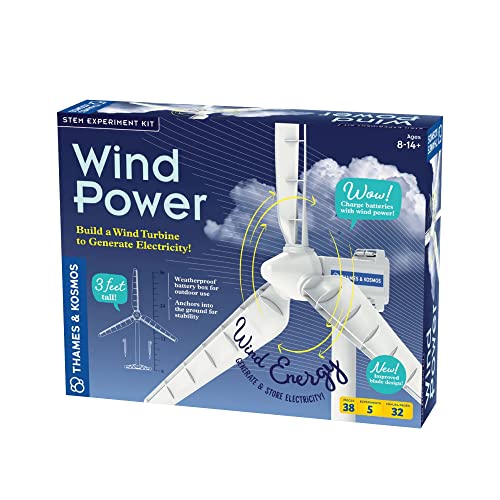
Build and experiment with a real, working 3-foot tall wind turbine to learn how wind is one of the most promising sources of clean, renewable energy available today.

【👍600W Wind Turbine Generators Kit】This product is made of high-quality nylon fiber, which is strong, stable, anti-corrosion, and can be used for a long time.
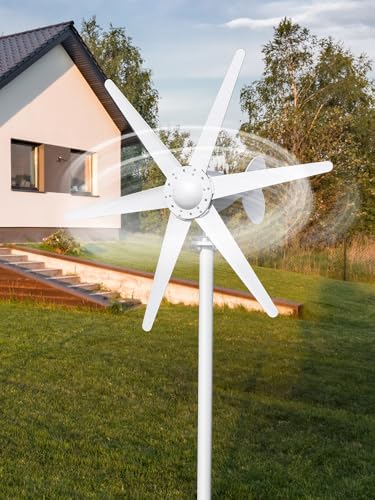
⚡HIGH‑EFFICIENCY 800W WIND TURBINE: Reliable green energy for Home, Farm, RV & Marine Use. Harness wind power effortlessly with our advanced 800W wind turbine, engineered for superior all‑around performance. Ideal for residential, agricultural, RV, and marine applications, this system delivers consistent renewable energy where you need it most.
Factors Influencing Cost Variability
When considering the costs of renewable energy upgrades, several key factors come into play that can greatly influence the final price tag. Here are three important considerations:
- Installation Costs: Variations in regional markets can lead to different installation costs due to local labor rates, permitting fees, and policy trends.
- Climate Zones: The climate in your area considerably impacts costs; for instance, colder climates often require larger or pricier heat pumps, raising total costs for all-electric systems.
- Material Costs: Supply chain dynamics can cause fluctuations in equipment and material costs, which can affect the affordability of renewable systems.
Additionally, remaining state and utility incentives can help reduce upfront costs, making it more feasible for homeowners to invest in renewable systems like solar PV and wind turbines, ultimately contributing to long-term energy independence.
Financial Incentives and Rebates
When considering the installation of renewable energy systems, it’s essential to understand which financial incentives remain available at the state and utility level, since the federal picture has changed significantly. The federal residential solar tax credit (Section 25D), which previously offered 30% of installation costs, expired for systems installed after December 31, 2026 under the One Big Beautiful Bill Act. Businesses and third-party-owned systems may still access separate commercial credits under Section 48E with different phase-down schedules, but homeowners buying a system outright should plan around state rebates, property and sales tax exemptions, and utility incentives instead. The DSIRE database, maintained with support from the U.S. Department of Energy, is the most reliable place to check what’s currently offered in your state.
Recommended Products

[1Pair Metal Spnner and 1Pair Plastic Spanner]:This solar connect and disconnect tool is compatible with MC-4 solar adapter crimping.It is a light weight, portable assembly tool for extension solar panel PV Wire, pv connectors, pv cable,solar generators and solar wire connectors.
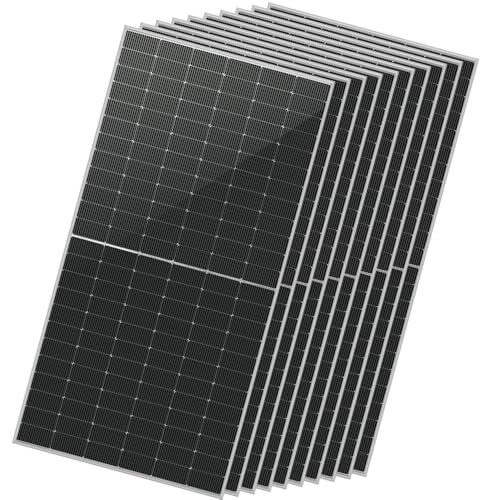
【High Efficiency】 : SUNGOLDPOWER 16BB N-Type 560W Bifacial monocrystalline PERC solar panel can generate more energy up to 30%
Federal Incentives Overview
Federal support for residential renewable energy has narrowed considerably. Here’s what homeowners should know:
- The 30% federal tax credit on installation costs for residential solar photovoltaic (PV) systems under Section 25D expired for systems placed in service after December 31, 2026.
- The Energy Efficient Home Improvement Credit (Section 25C), which covered heat pumps, insulation, and ENERGY STAR®-qualified equipment, expired on the same date.
- Some commercial and third-party-owned (lease or PPA) systems may still qualify for separate federal incentives under different rules — consult a tax professional or the IRS for current eligibility.
State-Specific Rebates
With federal residential credits gone, state-level incentives now play an outsized role in the economics of a renewable energy upgrade. Some states offer performance-based incentives that pay you per unit of energy generated, while others offer rebates tied to installed capacity or a percentage of total cost. Programs and rebate amounts change frequently, so it’s worth checking DSIRE or your state energy office directly before budgeting a project; our state-by-state incentive guide is a good starting point. Below is a general summary of the types of programs commonly available by state — always verify current amounts, since these are updated regularly:
| State | Common Incentive Type |
|---|---|
| California | Self-Generation Incentive Program (storage), net billing |
| New York | NY-Sun rebate + state tax credit up to 25% of cost |
| Texas | Utility-specific rebates, varies by provider |
| Florida | Property/sales tax exemptions, no state income tax credit |
Long-Term Savings Potential
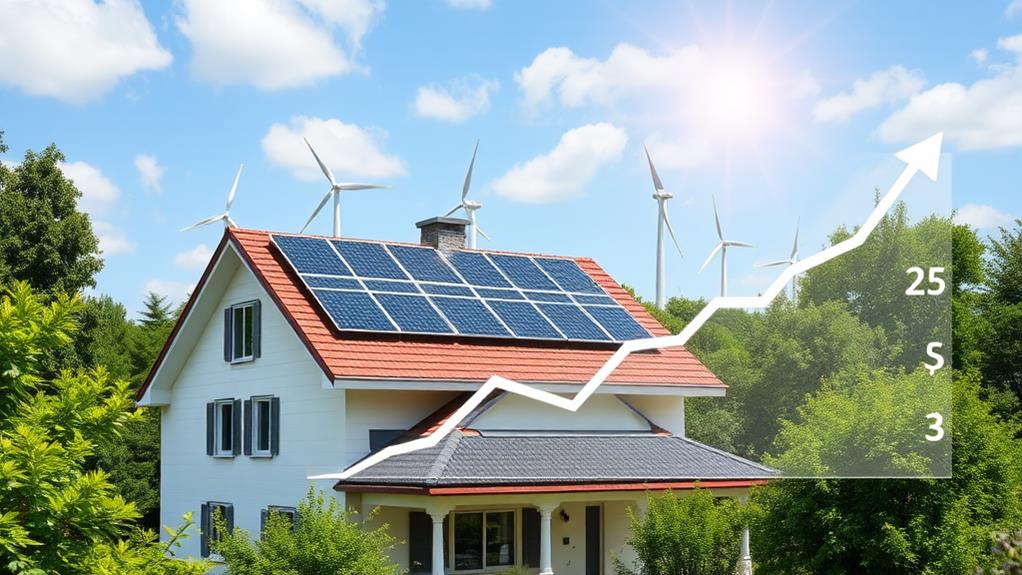
Investing in renewable energy systems can still lead to substantial long-term savings for homeowners, even without the federal residential tax credit. Consider these key factors:
- Solar PV installations can meaningfully reduce electricity bills, with savings depending heavily on local electricity rates and system size.
- Recovery periods now commonly run 6 to 12 years without the former 30% federal credit, depending on system cost, local electricity rates, and remaining state incentives.
- State-level incentives, property/sales tax exemptions, and net metering programs remain important tools for reducing upfront and lifetime costs — see our cost-benefit analysis of green energy for a fuller picture.
Frequently Asked Questions
How Expensive Is It to Switch to Renewable Energy?
Switching to sustainable sources, your initial investment might seem steep, especially now that the federal residential solar credit has expired. But with financing options, long-term energy savings, and remaining state incentives, you can still work toward energy independence and financial flexibility over time.
What Is the Most Cost-Effective Renewable Energy for Home?
If you want cost-effective renewable energy, consider solar panel efficiency and geothermal energy’s long-term savings. Wind turbine maintenance is relatively low for those with adequate wind resources, and with state incentives and energy storage solutions, you can reduce reliance on rising utility bills while lowering your environmental footprint.
What Are the Costs of Renewable Energy?
Solar panel prices have dropped dramatically over the past decade — utility-scale installed costs are down roughly 87% since 2010, per IRENA — while wind energy investment and geothermal system expenses vary by size and site. With the federal residential solar credit now expired, state-level incentives are key to managing upfront costs and achieving long-term savings.
Is Renewable Energy Expensive to Install?
You might think renewable energy is expensive to install, and upfront costs are real, especially with the federal residential tax credit gone. But financing options, remaining state incentives, and long-term energy savings can still make these systems a financially sound investment over their lifetime.


